
High value OOG cargo requires comprehensive anti-theft solutions for high value OOG cargo to protect high-dollar industrial equipment such as transformers, generators, mining machinery, power plant modules and specialized production equipment on the move. True protection is more about route risk assessment, verified logistics partners, real-time visibility, controlled access, secure storage, detailed documentation, and clear emergency protocols, which are all part of the transport chain.
Anti-theft protection is not just one piece of equipment or one procedure – it’s a whole-chain risk-control process from cargo preparation through inland transport to port handling, through storage, documentation, monitoring, and final delivery, through the entire experience of transporting high-value OOG cargo. While many shippers believe that the size and weight of OOG cargo make it less susceptible to theft, in reality, thieves have been known to steal removable components, accessories, fuel, tools or documents during waiting periods, storage and/or handovers at exposed locations such as factory yards, ports, borders, remote project locations, etc.
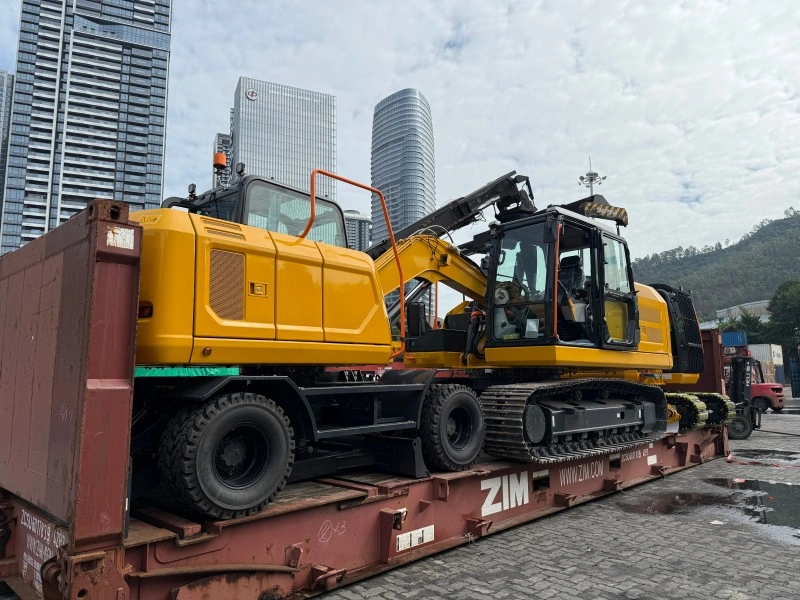
Why High-Value OOG Cargo Faces Theft Risk
High value out-of-gauge cargo security is inherently a risk of theft due to the following: high monetary value, multiple points of contact and long exposure times.
| Theft Risk Factor | Why It Matters |
| High Cargo Value | Expensive machinery or components may attract theft attempts |
| Exposed Transport | Flat rack, lowbed, and breakbulk cargo are more visible than enclosed freight |
| Multiple Handovers | More parties increase the need for documented custody control |
| Long Waiting Time | Cargo left in yards or ports for extended periods faces higher exposure |
| Removable Components | Control panels, cables, tools, batteries, and accessories may be targeted |
| Remote Routes | Low-traffic roads or isolated project sites may increase vulnerability |
| Poor Documentation Control | Incorrect handovers or forged documents can create security gaps |
| Limited Tracking | Delays or unauthorized movement may not be detected quickly |
Where Theft Risk Occurs in the OOG Transport Chain
Vulnerabilities to cargo theft can exist at any point in the OOG logistics flow, so it is critical for project cargo managers to identify these risks throughout the entire logistics flow.
| Transport Stage | Common Theft or Security Risk |
| Factory Yard | Unauthorized access before pickup or during pre-shipment storage |
| Loading Site | Uncontrolled visitors, missing accessories, or unclear handover records |
| Inland Transport | Route deviation, unauthorized stops, or vehicle tampering |
| Overnight Parking | Theft of fuel, tools, accessories, or removable parts |
| Border Crossing | Document confusion, inspection delays, or custody gaps |
| Port Entry | Identity verification and cargo acceptance risks |
| Terminal Storage | Long dwell time, limited access control, or damaged seals |
| Ocean Transport | Cargo condition and documentation handover risks |
| Destination Port | Theft risk during waiting, inspection, or re-handling |
| Final Delivery | Site access issues and responsibility transfer risks |
Anti-Theft Planning Should Start Before Cargo Pickup
Security should be planned before the cargo leaves the shipper’s premises to be completely integrated with loading supervision, permit coordination and secure OOG logistics services.
Well-trained OOG freight planners are aware of the benefits of early planning, to minimize surprise and build the whole transaction chain. This covers valuation of cargo, partner verification, cargo identification, and documentation and tracking from day one, among other factors.
| Pre-Pickup Security Step | Why It Helps |
| Assess Cargo Value | Determines the level of security required |
| Identify Removable Components | Helps protect tools, accessories, batteries, and control parts |
| Verify Logistics Partners | Reduces risk from unqualified or unknown handlers |
| Review Route Risk | Identifies high-risk areas, remote roads, or unsafe parking points |
| Plan Secure Loading Time | Reduces uncontrolled waiting and night loading risk |
| Control Site Access | Prevents unauthorized people from approaching cargo |
| Record Cargo Condition | Supports handover, insurance, and dispute resolution |
| Set Tracking Devices | Provides movement visibility from the start |
| Confirm Insurance Coverage | Aligns risk level with cargo value and route exposure |
| Prepare Emergency Contacts | Speeds response if suspicious activity occurs |
Route Planning and Secure Parking for High-Value OOG Cargo
Route security measures are not just about the shortest route; they should take into account visibility, road safety, authorized stops, escort requirements and emergency response to reduce exposure for oversized cargo theft prevention.
Planning a course that avoids high-risk areas, minimizes delays and unnecessary overnight parking, and makes use of pre-approved secure parking locations helps to prevent high-crime situations, delays, and overnight parking that can lead to theft.
| Route Security Measure | Practical Benefit |
| Approved Route Planning | Reduces unauthorized movement and compliance risk |
| Secure Parking Selection | Protects cargo during rest, waiting, or overnight stops |
| Planned Fuel Stops | Reduces unscheduled stops in unsafe areas |
| Route Deviation Alerts | Helps detect unauthorized movement quickly |
| Escort Coordination | Improves control for oversized or high-value cargo |
| Controlled Route Information | Reduces unnecessary exposure of shipment details |
| ETA Monitoring | Helps coordinate site readiness and avoid long waiting |
| Emergency Stop Plan | Provides response options if incidents occur |
GPS Tracking and Real-Time Visibility
One of the most critical anti-theft measures for high-value OOG shipments is the ability to see what’s happening in real time, but it is a tool that must be used throughout the entire shipment, not set-and-forgotten.
New GPS systems, geofence and deviation notifications provide logistics teams instant notification of any unauthorized movement and detailed tracking history can assist in insurance claims or investigations if required.
| Tracking Function | Anti-Theft Value |
| GPS Location | Shows where the cargo or vehicle is during transport |
| Geofence Alerts | Warns when cargo leaves an approved area |
| Route Deviation Alerts | Helps detect unauthorized route changes |
| Stop Duration Monitoring | Identifies unexpected waiting or suspicious stops |
| ETA Updates | Reduces waiting time at delivery or transfer points |
| Driver Check-Ins | Confirms operational status at key milestones |
| Tracking History | Supports investigation, claims, or performance review |
| Sensor Integration | Can add vibration, door, tilt, or tamper alerts where applicable |
Access Control During Loading, Storage, and Port Handling
Key to theft prevention is firmly managing access to the cargo, from its point of loading at the factory, to port operations and last mile delivery.
Visitors are recorded, handovers are supervised, and there are strict access protocols which ensure accountability and prevent opportunistic theft, as well as the main cargo and accessories.
| Access Control Measure | Why It Matters |
| Authorized Personnel List | Limits cargo access to approved people |
| Site Entry Control | Reduces unauthorized visitors near the cargo |
| Visitor Logs | Creates accountability during loading or inspection |
| Secure Storage Yard | Reduces exposure during waiting periods |
| Port Access Rules | Supports controlled handling in terminal areas |
| Handover Records | Clarifies who is responsible at each stage |
| Seal / Tag Checks | Helps detect tampering or unauthorized opening |
| Supervised Unloading | Prevents missing parts or disputes at delivery |
Protecting Removable Components and Accessories
Proactive protection of smaller removable components is often a key element of heavy equipment cargo security, with the larger, oversized cargo being the target of the theft.
Control panels, cables, batteries, hydraulic fittings, tools and electronic modules may be inventoried on individual lists and should be packaged securely and documented for safe shipment to avoid loss or substitution during travel.
| Component Type | Recommended Protection |
| Control Panels | Lock, cover, seal, or remove for separate secured packing if appropriate |
| Cables and Wiring | Bundle, protect, label, and document before shipment |
| Batteries | Secure terminals, document type, and pack according to requirements |
| Tools and Spare Parts | Pack separately with inventory list and sealed crates |
| Hydraulic Fittings | Protect from removal, damage, and contamination |
| Electronic Modules | Use sealed packaging and access control |
| Fuel or Consumables | Drain or control according to safety and transport rules |
| Loose Accessories | Count, label, photograph, and include in packing records |

Document Control and Handover Records
Incorporating document control can help prevent cargo fraud, cargo release issues, missing accessories and responsibility issues that often present as obstacles in OOG cargo security claims.
Seal numbers, photos, signed handover forms and accurate packing lists provide an undeniable chain of custody which is a protection for all parties and aids to resolution should there be any problems.
| Document Control Item | Security Purpose |
| Packing List | Confirms what cargo and accessories are included |
| Handover Record | Identifies who transferred and received cargo |
| Driver / Vehicle Details | Helps verify authorized pickup |
| Seal Numbers | Supports tamper detection |
| Cargo Photos | Documents condition and accessories before departure |
| Accessory Inventory | Reduces risk of missing tools or parts |
| Delivery Receipt | Confirms final handover at destination |
| Chain-of-Custody Record | Tracks responsibility across transport stages |
Secure Storage for High-Value OOG Cargo
This is sometimes one of the most critical points where cargo may be held for permits, shipments, customs clearance or final delivery and secure storage of oversized cargo becomes a necessity.
Exposure is minimal through controlled yards that include CCTV, lighting, fencing and guard patrols, and regular inventory checks.
| Storage Security Measure | Practical Benefit |
| Controlled Yard Access | Limits unauthorized entry |
| CCTV Monitoring | Supports deterrence and incident review |
| Good Lighting | Reduces theft risk during night storage |
| Guard Patrols | Provides active site monitoring |
| Sealed Cargo Areas | Helps detect tampering |
| Shorter Dwell Time | Reduces exposure period |
| Inventory Check | Confirms accessories remain complete |
| Storage Handover Record | Clarifies responsibility during storage |
Anti-Theft Measures for Ports and Cross-Border Points
Ports, terminals and border crossings are important areas which may experience several checks, queues and handovers, during which supervision can be lost.
Security is maintained throughout these complex operational phases through clear communication with customs brokers, post-inspection seal verification and controlled sharing of documents.
| Port / Border Risk | Anti-Theft Measure |
| Long Waiting Time | Monitor ETA, storage status, and cargo location |
| Multiple Inspections | Recheck seals, tags, and cargo condition after inspection |
| Release Document Errors | Verify consignee, broker, and carrier instructions |
| Unauthorized Access | Use controlled terminal procedures and approved handlers |
| Missing Accessories | Compare packing list and photos after handling |
| Customs Hold | Maintain communication and secure storage status |
| Final Release Risk | Confirm consignee identity and delivery authorization |
Insurance and Incident Response Planning
Insurance / emergency response planning alone doesn’t stop the theft but can assist in minimising financial and operational impact in the event of an incident and in supporting project cargo security planning.
Checking policy conditions, declared values, reporting deadlines, and the documentation needed for a claim ensures a smooth and quick process and operational continuity is restored as soon as possible.
| Insurance / Response Item | Why It Matters |
| Cargo Insurance Review | Confirms theft and transit risk coverage |
| Declared Cargo Value | Supports proper insurance and claims assessment |
| Security Conditions | Some policies may require tracking or secure storage |
| Incident Reporting Process | Ensures theft is reported within required timelines |
| Tracking Records | Helps prove location, movement, and timing |
| Photos and Handover Forms | Support claims and responsibility review |
| Police / Authority Report | May be required for insurance claims |
| Emergency Contacts | Speeds coordination when suspicious activity occurs |
Common Mistakes That Increase Theft Risk
Large companies, even those with extensive cargo theft experience, can fail to notice the details that make for extra weaknesses in their cargo theft prevention program.
| Mistake | Possible Consequence |
| Unverified Transport Partner | Higher risk of fraud, poor handling, or responsibility gaps |
| Unsecured Parking | Increased risk of theft during waiting or overnight stops |
| No Accessory Inventory | Missing parts may not be discovered until delivery |
| No GPS Monitoring | Unauthorized movement may be detected too late |
| Weak Handover Records | Responsibility becomes unclear after loss or damage |
| Excessive Information Sharing | Shipment details may reach unauthorized parties |
| No Seal Checks | Tampering may go unnoticed |
| Inadequate Insurance Review | Claims may be difficult or underinsured |
What Shippers Should Prepare for High-Value OOG Cargo Security
Accurate cargo, route and value information are needed for logistics teams to design appropriate anti-theft controls to best meet the needs of each shipment.
| Information to Prepare | Why It Helps |
| Cargo Value | Determines security level and insurance needs |
| Cargo Dimensions and Weight | Supports transport mode, route, and storage planning |
| Removable Components | Helps identify theft-sensitive items |
| Accessory Inventory | Reduces missing-part disputes |
| Cargo Photos | Documents pre-shipment condition and completeness |
| Packaging Method | Shows whether components are exposed or protected |
| Route and Schedule | Helps plan secure stops and avoid unnecessary waiting |
| Storage Requirements | Supports secure yard or warehouse selection |
| Insurance Details | Aligns security controls with policy requirements |
| Authorized Contacts | Reduces risk of incorrect pickup or release |
Common Misunderstandings About Anti-Theft Protection for OOG Cargo
Here are some common misconceptions regarding Anti-Theft protection for OOG cargo:
- Even if oversized goods can’t be easily moved, they might still fall prey to vulnerability.
- Accessories, control systems, tools or parts can be the items stolen, not the main unit.
- GPS tracking works as an aid when the alerts are monitored and acted upon.
- As secure transport is, secure parking is important.
- There is a critical need for documentation control within port/port and border handovers.
- Insurance is not a substitute for proactive security planning.
- Anti-theft planning should start before picking up the cargo, not after the goods have been loaded for transport.
- The security of the destination site is as important as the origin-site security.
Conclusion — High-Value OOG Cargo Needs Full-Chain Security Planning
Theft prevention is best done before the cargo moves, especially for high value out of gage cargo. With access control, verification of transport partners, monitoring of routes, security of storage, documentation of handover and protection of removable parts, shippers will minimise the risk of avoidable theft throughout the shipment and increase accountability.Combining these anti-theft procedures throughout project cargo OOG logistics – from permits to loading supervision, port coordination to delivery – helps ensure that expensive project cargo stays on schedule and in safe hands from start to finish. There is no magic solution; it’s a matter of discipline and preparation.