
When a large factory moves, there’s no time to do the work once the trucks have arrived, so planning for environmental compliance and safety must start well before all equipment has been disconnected. Moving large-scale factory is not only a logistical project, but also requires comprehensive EHS risk management for the safety of workers, protection of the environment, avoidance of regulatory violations and the smooth restart of production at the new location.
The development of an environmentally compatible relocation of the factory is based on early identification of risks, planning of site work, appropriate handling of hazardous material, safe planning of transport and full documentation. While many companies think these problems only occur when using hazardous materials, it is important to realize that many materials used in normal production equipment, such as oils, coolants, lubes, batteries, dust, residues, etc., can be hazardous if handled carelessly. The rules vary widely from country to country, industry to industry, equipment type to equipment type and from route to route, so each project team has to check what the rules are at an early stage.
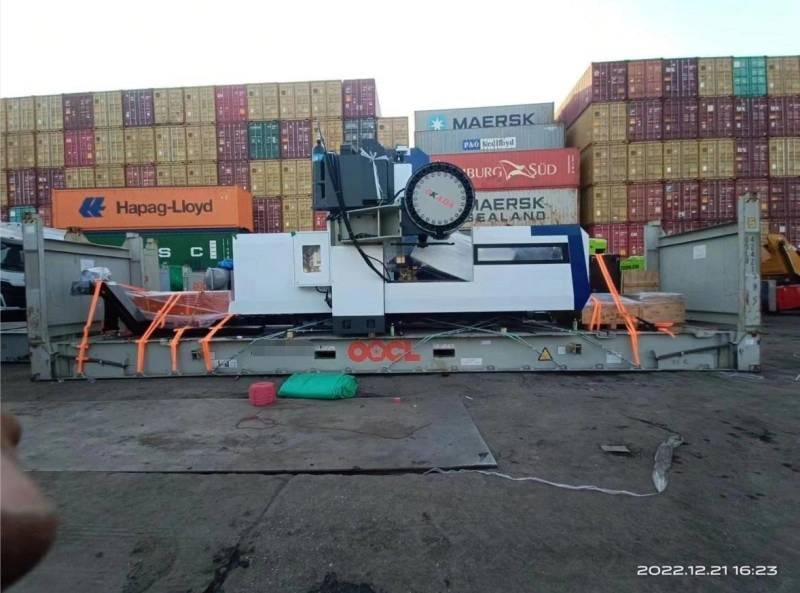
Why Environmental Compliance Matters in Factory Relocation
Environmental compliance during factory relocation minimises risks during the entire process of dismantling, transport and reinstallation – particularly when transporting heavy machinery and entire production lines. Good planning minimises the risk of spillages, manages waste, safeguards the safety of workers, addresses local environmental needs, complies with transport regulations and prepares the receiving area.
It also keeps you from experiencing expensive delays, cleanups, penalties or insurance issues. Businesses that are moving industrial equipment will benefit from introducing compliance from the beginning of the project, to ensure it is not only environmental but also time efficient.
An environmentally compliant factory relocation should identify hazardous materials, control waste, prevent spills, document equipment condition, and prepare safe handling procedures before dismantling starts.
| Compliance Area | Why It Matters | Possible Risk If Ignored |
| Hazardous Material Identification | Confirms whether special handling is required | Undeclared cargo, safety incidents, transport delays |
| Waste Handling | Controls disposal of oils, coolants, filters, packaging, and residues | Environmental contamination or cleanup costs |
| Spill Prevention | Protects workers, floors, drains, vehicles, and cargo | Slips, contamination, equipment damage |
| Documentation | Supports audits, customs, insurance, and project handover | Disputes, delays, or incomplete compliance records |
| Worker Safety | Reduces injury during dismantling, lifting, and loading | Accidents, downtime, liability exposure |
| Destination Readiness | Ensures equipment can be installed safely | Delays, unsafe storage, rework |
Environmental Risks Commonly Found During Factory Moves
The description of the cargo usually is not the only reason that leads to environmental risks during factory relocation.
Oil and lubricant residues in CNC machines, presses and gearboxes, coolants and cutting fluids from machine shops, hydraulic fluids, cleaners, absorbents, chemical residues from tanks and pipes, batteries in control systems and backup power, dust and powder in the production areas, old machine foundations and wastewater hazards.
| Environmental Risk | Where It May Appear | Control Method |
| Oil and Lubricants | CNC machines, presses, gearboxes, hydraulic systems | Drain, seal, contain, and document |
| Coolants and Cutting Fluids | Machining centers and production equipment | Remove or secure as required |
| Chemical Residues | Processing equipment, tanks, pipes, containers | Clean, isolate, or classify before moving |
| Batteries | Control systems, backup power, forklifts, equipment modules | Protect terminals and check handling requirements |
| Dust or Powder | Production areas, filters, ducts, packaging systems | Seal, clean, and use dust-control measures |
| Used Packaging Waste | Crates, films, absorbents, straps, pads | Sort, collect, and dispose properly |
| Contaminated Parts | Filters, hoses, valves, trays, residue areas | Label and handle separately |
Step 1: Conduct an Environmental and Safety Risk Assessment
A thorough factory relocation risk assessment should be completed prior to disconnecting, draining, lifting or packing equipment. By doing so, teams can identify risks and prioritize controls.
This involves a full equipment check, hazardous material inventory, fluids and residue checks, identification of pressurized equipment, electrical hazard awareness, mapping out drainage and spill pathways, assessment of access for workers and vehicles, lifting equipment hazards, destination site conditions and emergency response planning.
| Assessment Item | What to Check | Why It Matters |
| Equipment Risk Level | Hazardous, sensitive, heavy, oversized, or high-value | Determines handling and protection method |
| Fluid Content | Oils, coolants, hydraulic fluids, solvents, chemicals | Prevents leakage and contamination |
| Pressure Systems | Gas, hydraulic, pneumatic, or sealed systems | Reduces sudden release risk |
| Electrical Systems | Live power, stored energy, batteries, control panels | Prevents shock, fire, or component damage |
| Site Drainage | Drains, slopes, water channels, outdoor areas | Controls spill spread |
| Worker Movement | Access paths, forklifts, cranes, lifting zones | Prevents collision and injury |
| Emergency Equipment | Spill kits, fire extinguishers, first aid, PPE | Improves response readiness |
Step 2: Identify and Control Hazardous Materials Before Moving
The identification of hazardous materials and their control in the context of factory relocation should be done prior to packing or transportation. This includes oils, coolants, solvents, chemical residues, batteries, pressurized lines, gas cylinders and contaminated consumables.
| Hazardous Item | Recommended Control | Documentation Needed |
| Oil or Lubricant | Drain, cap, seal, or contain as required | Fluid handling record |
| Coolant or Cutting Fluid | Remove or secure before transport | Waste or disposal record if removed |
| Chemical Residue | Clean, isolate, or classify | SDS or cleaning record if applicable |
| Battery System | Protect terminals and verify transport rules | Battery type and handling record |
| Pressurized Line | Depressurize and lock out safely | Isolation confirmation |
| Gas Cylinder | Remove and transport separately if required | Cylinder documentation and labels |
| Contaminated Filters | Pack and dispose according to site rules | Waste handling record |
Step 3: Plan Safe Dismantling, Utility Isolation, and Waste Handling
Large-scale factory relocations involve safe dismantling, which requires utility isolation and waste management measures to ensure that there are a minimum of environmental and safety incidents during the move.
Use lockout/tagout, isolate power and fluid lines, use drip trays and absorbent to catch fluids, set up waste collection areas, sort re-usable parts, clearly label parts, and prevent contaminants on floor or in drains.
| Dismantling Activity | Environmental or Safety Risk | Control Measure |
| Power Disconnection | Electric shock or short circuit | Isolate power and confirm zero energy where applicable |
| Fluid Line Removal | Leaks or spills | Use drip trays, caps, and absorbents |
| Hydraulic System Work | Pressure release or oil spill | Depressurize and seal lines |
| Chemical Line Disconnection | Residue exposure | Clean, label, and contain components |
| Component Removal | Lost parts or sharp-edge injuries | Label, pack, and use safe handling methods |
| Waste Sorting | Mixed waste or improper disposal | Separate fluids, packaging, metal parts, and contaminated materials |
| Temporary Storage | Leakage or obstruction | Use marked, contained storage areas |
Step 4: Manage Worker Safety During Large-Scale Relocation
The safety of workers always takes priority as the process of factory relocation involves all these activities: lifting, dismantling, heavy transport, and site work.
Use the correct PPE, perform daily safety checks, set up restricted area, manage lifting and forklift traffic, avoid slips and trips, manage fire, and ensure good communication between teams.
| Safety Area | Risk | Preventive Action |
| Lifting Operations | Falling loads, swinging cargo, crush injuries | Set exclusion zones and use qualified rigging personnel |
| Forklift Traffic | Collision with workers or equipment | Separate pedestrian and vehicle routes |
| Slips and Trips | Oil, coolant, cables, packaging debris | Keep work areas clean and control spills |
| Electrical Safety | Shock or short circuit | Isolate power and protect panels |
| Fire Safety | Sparks, batteries, flammable residues | Remove ignition sources and prepare extinguishers |
| Manual Handling | Strains or crush injuries | Use mechanical aids and team lifting where needed |
| Communication | Conflicting work activities | Use clear signals, briefings, and responsibility assignment |
Step 5: Control Environmental Risks During Packaging and Loading
The packaging and loading of industrial relocation should protect the environment and equipment.
Make use of leak-proof sealing, moisture barriers, vacuum sealing, desiccants, VCI anti-rust materials, sturdy wooden crates, clear hazard marking, and provide spill kits on hand.
| Packaging or Loading Control | Purpose | Practical Note |
| Leak-Proof Sealing | Prevents fluid release | Cap ports, valves, hoses, and open lines |
| Moisture Barrier | Prevents rust and electrical damage | Useful for long-distance or ocean transport |
| Vacuum Sealing | Controls humidity exposure | Suitable for rust-sensitive equipment |
| Desiccants | Reduces internal moisture | Place inside sealed crates or barriers |
| VCI Protection | Prevents corrosion on metal surfaces | Useful for exposed machined parts |
| Weather Cover | Protects during outdoor loading | Avoid rain exposure during loading |
| Spill Kit | Enables immediate response | Keep near dismantling and loading areas |
Step 6: Transport Compliance, Route Safety, and Cargo Monitoring
Successful transport compliance for relocation of factories is dependent on the reliable classification of the cargo, the selection of the appropriate transport vehicles, and route planning, as well as the monitoring of each stage of the transport in real-time.
Think oversized cargo permits, hazardous goods requirements (if applicable), customs documentation, secure lashing, and GPS or sensor tracking for sensitive loads.
| Transport Requirement | When It Applies | Why It Matters |
| Oversized Cargo Permit | Heavy, tall, wide, or long machinery | Prevents route and legal issues |
| Hazardous Goods Review | Cargo contains regulated materials | Avoids cargo rejection or safety violations |
| Customs Documentation | International relocation | Supports clearance and reduces delay risk |
| Load Securing Plan | All heavy or sensitive equipment | Prevents shifting and damage |
| Route Safety Review | Large cargo or restricted roads | Reduces accident and delay risks |
| Cargo Monitoring | High-value or sensitive machinery | Provides visibility into shock, tilt, or humidity events |
Step 7: Prepare the Destination Site for Safe Installation
Compliance and safety is ongoing at destination. Check floor load capacity, foundation preparation, access roads, utilities connections, unloading, spill control, and space for safe reconnection and testing.
| Destination-Site Check | What to Confirm | Risk If Not Ready |
| Access Route | Doors, aisles, turning radius, overhead clearance | Equipment cannot enter safely |
| Foundation and Floor | Load capacity, flatness, anchor points | Installation delay or unsafe operation |
| Utility Connections | Power, air, water, gas, hydraulic lines | Equipment cannot be tested |
| Unloading Zone | Space, ground strength, lifting access | Unsafe unloading conditions |
| Spill Control | Absorbents, containment, drainage protection | Environmental contamination |
| Waste Handling | Packaging, absorbents, used materials | Site clutter or improper disposal |
| Testing Area | Space for calibration and trial operation | Delayed production restart |
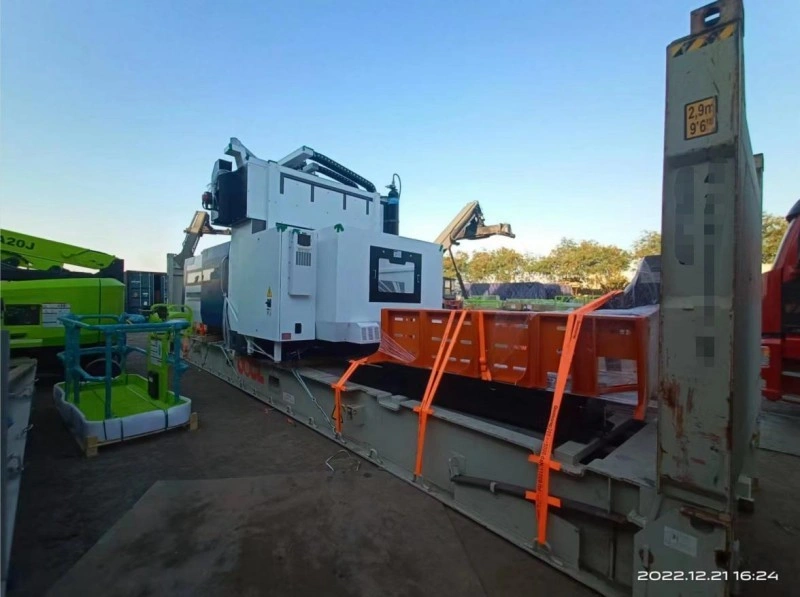
Documentation Required for Environmental Compliance and Safety Control
Appropriate risk identification and risk control is documented. Monitor equipment condition reports, risk assessments, fluid handling records, waste manifests, packing photos, permits and post-move inspection records.
| Document | Purpose | When to Prepare |
| Risk Assessment | Identifies environmental and safety risks | Before relocation begins |
| Site Survey Report | Records site access and work conditions | Before dismantling |
| Equipment Condition Report | Documents pre-move status | Before equipment handling |
| Fluid Handling Record | Shows draining, sealing, or containment actions | During preparation |
| Waste Handling Record | Tracks disposal or storage of waste materials | During dismantling and packing |
| Packing Record | Confirms protection and labeling method | Before transport |
| Loading and Lashing Photos | Shows cargo securing condition | Before departure |
| Post-Move Inspection Record | Confirms arrival condition and readiness | After delivery |
Common Compliance and Safety Mistakes to Avoid
But even teams which are expert in their field can have difficulties if they take shortcuts. Problems include beginning the dismantling process with no risk assessment, not considering residual fluids, inadequate sealing, poor waste segregation, missing spill controls, and not preparing for the destination.
| Mistake | Why It Creates Risk | Better Practice |
| No Risk Assessment | Hazards may be discovered too late | Assess environmental and safety risks before work |
| Ignoring Fluids | Leaks can contaminate floors, cargo, or vehicles | Drain, cap, seal, or contain fluids |
| Poor Waste Control | Waste may be mixed or disposed improperly | Separate and document waste materials |
| Missing Labels | Workers may handle hazardous or sensitive items incorrectly | Use clear labels and handling marks |
| No Spill Kit | Small leaks can become larger cleanup problems | Prepare spill response materials on site |
| Weak Traffic Control | Forklifts, cranes, and workers may conflict | Separate routes and set exclusion zones |
| Destination Not Ready | Equipment may wait in unsafe conditions | Confirm site readiness before dispatch |
Environmental and Safety Checklist for Large-Scale Factory Relocation
This practical checklist will help you keep control all throughout the project.
| Stage | Compliance and Safety Checklist |
| Before Planning | Identify equipment, hazardous materials, site hazards, destination requirements, and applicable regulations |
| Before Dismantling | Complete risk assessment, isolate utilities, prepare PPE, spill kits, and waste handling plan |
| During Dismantling | Drain or seal fluids, label components, control dust, prevent leaks, and document condition |
| During Packaging | Use proper sealing, moisture protection, hazardous labels, handling marks, and waste collection |
| During Loading | Control lifting zones, manage traffic, inspect lashing, and prevent spills |
| During Transport | Confirm permits, cargo classification, route safety, documentation, and monitoring needs |
| After Delivery | Inspect equipment, manage packaging waste, reconnect utilities safely, test equipment, and record handover |
Conclusion — Compliance and Safety Must Be Planned Before the Move Starts
When environmental and safety issues are identified and resolved prior to the start of work, large-scale factory relocation becomes safer and more controllable. Companies can minimize unnecessary incidents and maintain production continuity by carrying out the necessary risk assessment, controlling hazardous materials, isolating utilities, properly managing waste, safeguarding workers from the hazards, and preparing the destination site.
Successful projects make environmental compliance and safety part of the relocation plan and not an add-on. Moves can be executed efficiently, to meet regulatory requirements, and protect people, equipment and the environment, with careful preparation and experienced partners.