
Multi-site factory relocation includes the coordination of equipment moves from multiple origin, destination, or production sites. In this example, a manufacturing plant merged two aging facilities into a single plant that was upgraded to accommodate the factory operations as long as possible. This project was successful because it was managed as a whole integrated workflow instead of a number of disconnected equipment moves. Many firms think multi-site relocation is just a series of relocations at every site. In fact, each site had its own access restrictions, equipment configurations, utility configurations, lifting limitations, transport paths, and start-up priorities.
Insights from factory relocation case studies can be useful to project teams in highlighting the need for detailed site surveys, phased planning, equipment protection and the need for a strict coordination between contractors in multi-site moves. The most significant problems were not only transportation but also schedule conflict, lack of equipment information, lack of communication between sites, missing components, lack of understanding of the installation sequence, and production downtime. The following elements were found to be critical: early Site surveys, Full equipment Inventory, Phased movement Planning, Stated responsibilities, Protective Packaging and coordinated transport, Prepared destination facilities.
Project Overview: What Made This Multi-Site Factory Relocation Complex?
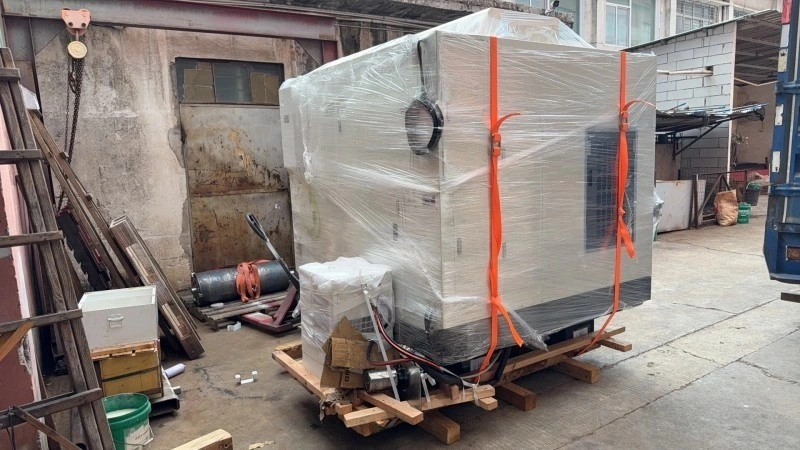
The scale and the requirement for a partial production during the relocation of this multi-site factory and the consolidation of equipment were among the elements that made this project stand out. The company had two aging plants that manufactured parts for both the automotive and industrial markets. Management chose to consolidate all into one modern building with improved infrastructure and space.
| Project Item | Case Details |
| Project Type | Multi-site factory relocation and equipment consolidation |
| Origin Sites | Two existing production facilities |
| Destination Site | One upgraded manufacturing facility |
| Equipment Scope | CNC machines, injection molding machines, assembly lines, packaging equipment, molds, tooling, electrical cabinets |
| Main Challenge | Move equipment safely while reducing production interruption |
| Key Requirements | Site surveys, phased scheduling, equipment protection, transport coordination, installation readiness |
| Risk Focus | Downtime, equipment damage, missing parts, access restrictions, schedule conflicts |
The operation demanded heavy machinery relocation expertise, precision equipment handling, multiple contractors, and a tight production restart timeline. Factory relocation project management had to account for everything from oversized cargo on ultra-low flatbeds to sensitive electronic systems that could not tolerate vibration or moisture.
Key Challenges Identified Before the Move
Initial planning showed that relocation of factories across multiple sites is significantly more complicated than relocating a single-site factory. The constraints were different for each origin site, and the destination was still going through upgrade at the time of planning.
| Challenge | Why It Created Risk | Planning Response |
| Different Site Layouts | Each site had unique access and lifting constraints | Conducted separate site surveys |
| Critical Production Lines | Some machines could not be stopped immediately | Created phased relocation sequence |
| Mixed Equipment Types | Heavy and sensitive equipment needed different handling | Classified equipment by risk level |
| Limited Loading Space | Loading could delay factory operations | Scheduled loading windows |
| Multiple Contractors | Miscommunication could cause rework | Assigned clear responsibilities |
| Destination Not Fully Ready | Equipment could arrive before installation area was prepared | Linked transport schedule to site readiness |
| Missing Parts Risk | Small tools and components could be misplaced | Used labeling and inventory records |
The challenges revealed the need to see the entire project as a single coordinated project and not as individual attempts.
Step 1: Pre-Move Site Surveys at Each Facility
These factory moves are multi-site and each site relocation will require its own assessment to determine the best relocation plan. To capture ground realities we visited both the origin and destination areas several times.
| Survey Area | What Was Checked | Why It Mattered |
| Equipment Data | Dimensions, weight, lifting points, sensitive parts | Determined handling and transport method |
| Internal Access | Aisles, corners, doors, ramps, floor condition | Confirmed removal route |
| Loading Area | Truck access, crane space, ground strength | Supported safe loading |
| Utility Connections | Power, water, air, hydraulic, gas lines | Planned safe disconnection |
| Destination Area | Foundation, utilities, space, installation sequence | Reduced installation delays |
| Risk Notes | Obstacles, clearance limits, safety hazards | Helped build the relocation plan |
The detailed photo documentation and risk registers that were developed during these surveys avoided many surprises on site later.
Step 2: Equipment Classification and Relocation Sequencing
Sequencing of the equipment emerged as one of the most important decisions in this case study of a factory relocation. Production continuity was reliant on the transfer of the appropriate assets at the appropriate times.
| Equipment Category | Relocation Priority | Handling Consideration |
| Non-Critical Auxiliary Equipment | Move early | Lower production impact |
| Duplicate or Backup Machines | Move during first phase | Helps prepare destination capacity |
| Critical Production Machines | Move during planned shutdown window | Requires strict downtime control |
| Precision Equipment | Move with added protection | Needs vibration and alignment control |
| Electrical Cabinets | Move with labeled wiring and protection | Requires careful reconnection |
| Molds, Tools, and Spare Parts | Move with related equipment | Prevents installation delays |
The team was able to continue running at the key lines through phasing to prepare for the new facility.
Step 3: Dismantling, Labeling, and Inventory Control
When equipment came in from several locations at various times, there was no labeling or inventory control problems.
| Inventory Control Method | How It Was Used | Benefit |
| Machine ID Labels | Each machine received a relocation code | Prevented equipment mix-ups |
| Cable and Pipe Labels | Connections marked before disassembly | Supported faster reinstallation |
| Crate Numbering | Accessories packed by machine group | Reduced missing-part risk |
| Photo Records | Photos documented parts before removal | Helped installation teams |
| Packing Lists | Each shipment had a component checklist | Improved handover control |
| Handover Forms | Responsibility recorded at each stage | Reduced disputes and confusion |
This level of detail is standard practice in well-managed industrial equipment relocation projects.
Step 4: Protective Packaging for Heavy and Sensitive Equipment
The type of equipment required dictated the level of protection required, based upon sensitivity, value, distance to be transported and priority of installation. Having been involved in OOG and hazardous goods handling, these factors were very useful for Bentlee.
| Equipment Type | Protection Method | Reason |
| CNC Machines | Shock pads, moisture protection, control panel wrapping | Protects precision and electrical systems |
| Injection Molding Machines | Surface wrapping, lashing protection, moisture control | Reduces impact and corrosion risk |
| Electrical Cabinets | Dust-proof and moisture-proof covering | Protects wiring and controls |
| Molds and Tooling | Vacuum sealing, VCI materials, wooden crates | Prevents rust and impact damage |
| Assembly Line Modules | Protective wrapping and labeled components | Supports faster reassembly |
| Spare Parts and Fixtures | Crated packaging and inventory labels | Prevents loss and mixing |
Step 5: Transport Planning Across Multiple Routes
There may be multiple vehicles, schedules and routes needed for the multiple locations for various groups of equipment involved in the relocation. Route surveys, oversized cargo permits and GPS tracking were all kept under observation.
| Transport Planning Item | Why It Was Needed | Risk Controlled |
| Route Review | Each site had different road conditions | Prevented route blockage |
| Vehicle Matching | Equipment groups required different trailer types | Reduced handling and transport risk |
| Permit Planning | Oversized equipment needed approval | Avoided legal and schedule delays |
| Delivery Sequencing | Destination site had limited unloading space | Prevented congestion |
| Transport Tracking | Teams needed arrival visibility | Improved crane and crew scheduling |
| Buffer Time | Allowed for weather, traffic, or loading delays | Reduced schedule pressure |
Step 6: Destination-Site Readiness and Installation Coordination
The readiness of the destination was the determining factor for the smoothness of moving equipment into production or leaving it idle. All the foundations, utilities and installation teams were ready as per the delivery sequence.
Destination Requirement
| Destination Requirement | What Was Prepared | Why It Helped |
| Foundation and Floor | Checked strength, levelness, anchor points | Supported stable installation |
| Equipment Layout | Confirmed final machine positions | Reduced repositioning work |
| Utilities | Prepared power, air, water, hydraulic connections | Enabled faster testing |
| Unloading Zone | Assigned space for incoming equipment | Prevented congestion |
| Temporary Storage | Set areas for crates and accessories | Reduced lost parts and clutter |
| Installation Team | Scheduled according to delivery sequence | Shortened restart timeline |
| Testing Window | Reserved time for calibration and trial runs | Confirmed readiness before production |
Results: What Made the Relocation Successful?
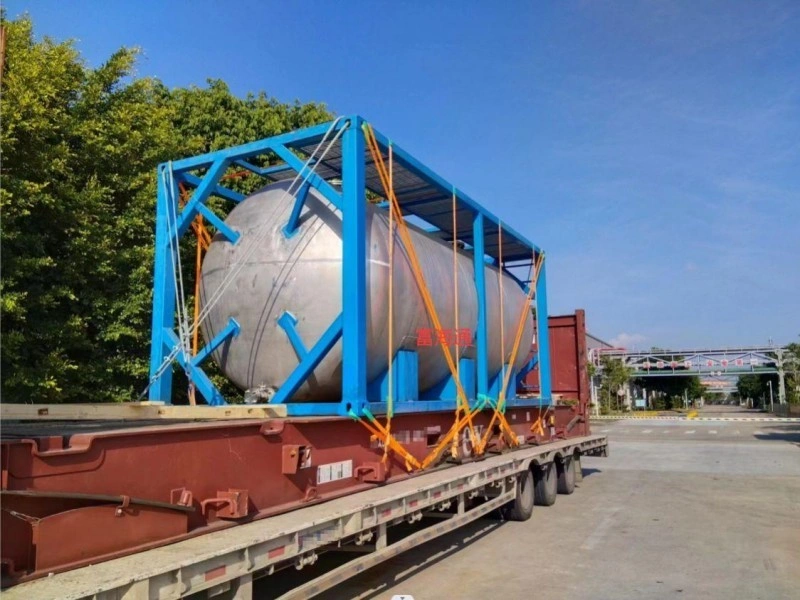
The project met the phased delivery schedule and minimal unplanned downtime of the equipment. Priority handling of critical machines, labelling eliminated loss of components and protection minimised damage. Smaller problems were found during post-move testing prior to full-scale production, which helped the restart go much more smoothly than anticipated.
| Success Factor | Practical Result |
| Early Site Surveys | Fewer access and lifting surprises |
| Phased Relocation | Reduced total production disruption |
| Equipment Classification | Critical machinery received priority handling |
| Detailed Labeling | Faster reinstallation and fewer missing parts |
| Protective Packaging | Lower risk of corrosion, impact, and control-system damage |
| Transport Coordination | Better delivery timing and unloading preparation |
| Destination Readiness | Shorter installation delays |
| Post-Move Testing | Safer production restart |
Lessons Learned from Multi-Site Factory Relocation Projects
The saying “no one ever does anything in the world without preparation and coordination” is a good rule to follow in real-world factory relocation projects. Key takeaways include:
| Lesson | Why It Matters |
| Survey Every Site Separately | Each facility has different access and handling constraints |
| Plan by Production Priority | Helps reduce unnecessary downtime |
| Use Clear Labeling | Prevents reinstallation confusion |
| Protect Sensitive Equipment | Reduces hidden damage risk |
| Sequence Deliveries Carefully | Avoids destination congestion |
| Prepare Destination Site Early | Prevents equipment waiting after arrival |
| Assign One Project Coordinator | Keeps contractors aligned |
| Test Before Restart | Identifies issues before full production resumes |
Multi-Site Factory Relocation Checklist for Future Projects
Refer to this handy checklist when moving your industrial machinery.
| Stage | Checklist |
| Before Planning | Define project scope, sites involved, production priorities, and relocation timeline |
| Site Survey | Inspect each origin and destination site separately |
| Equipment Inventory | Record dimensions, weight, condition, value, sensitivity, and accessories |
| Sequencing | Classify machines by priority, risk level, and installation order |
| Dismantling | Label cables, pipes, parts, guards, fixtures, and tools |
| Packaging | Match protection to equipment sensitivity and transport route |
| Transport | Select vehicles, check routes, permits, tracking, and delivery windows |
| Destination Setup | Prepare foundations, utilities, unloading zones, storage areas, and lifting equipment |
| Installation | Reconnect, align, calibrate, and inspect each machine |
| Restart | Run trial operation before full production resumes |
Conclusion — Successful Multi-Site Relocation Depends on Integrated Control
A multi-site factory relocation is much more complicated than single equipment relocation. Key to success are site by site surveys, equipment classification, phased schedules, protective packaging, transport coordination, destination readiness and post-move testing. What’s really important is not just to get the machines back on the job, but to resume production in a safe and reliable manner.
If each stage is integrated into a single workflow, businesses can minimize downtime, safeguard valuable assets and keep the entire process much simpler. This approach guarantees more successful factory relocation projects for operations teams and business continuity.