
While the initial equipment costs may be larger than just simple pallet wrapping or shrink film, the savings from moisture damage, rust, corrosion, and contamination can prove to be substantial, particularly for export cargo, and are often referred to as vacuum packing for export cargo cost savings. But the true benefit for exporters, procurement teams, and project managers who are shipping machinery, metal parts, electronics, or precision components is that it’s not just about the materials’ price; it’s about the total cost of ownership!
Numerous purchasers think the lowest cost packaging represents lower cost. The fact is that cheap solutions can end up costing money if they result in corrosion, repacking, delayed installation, product rejection, repair work or cargo claims. The true cost of export packing is not only packaging material and labour costs but rather the cost of packaging versus the value of the cargo, the risk of transport and the effects of loss.
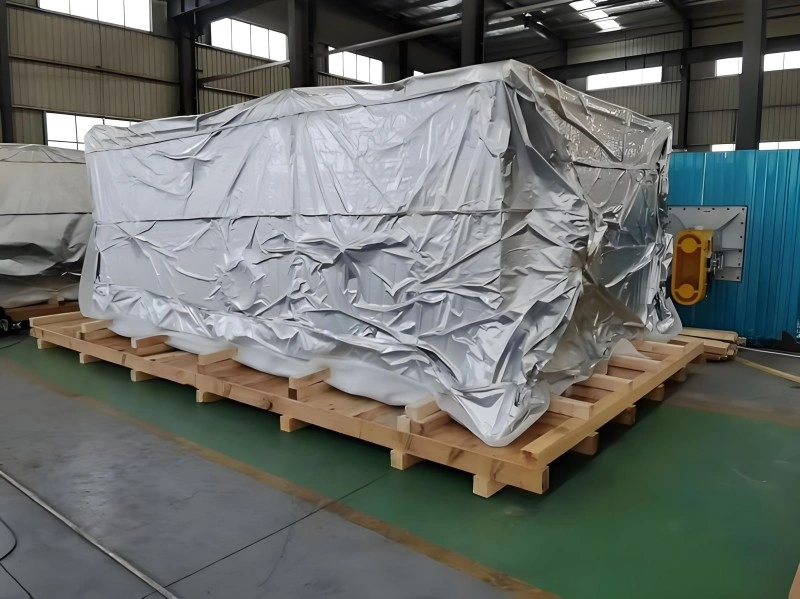
Why Packaging Cost Should Be Measured by Total Risk, Not Only Upfront Price
There are both visible and invisible factors that should always be included in export packaging cost. When a potential project partner quotes the cheapest rate, it may not be the best option because of the downstream effects on your project time and budget.
| Cost Factor | What It Means | Why It Matters |
| Upfront packaging cost | Materials, labor, equipment, and preparation | Easy to compare, but incomplete |
| Cargo value | Financial value of machinery, parts, or equipment | Higher-value cargo justifies stronger protection |
| Damage repair cost | Cost to clean, repair, polish, or replace cargo | May exceed packaging savings |
| Repacking cost | Extra labor and material after failed packaging | Adds delay and operational cost |
| Storage duration | Time cargo remains packed before use | Longer storage increases moisture risk |
| Delay cost | Lost time due to inspection, repair, or replacement | Can affect project schedules |
| Claims handling | Insurance or supplier dispute process | Consumes time and documentation effort |
Well-trained logistics crews understand that a little more money invested in good protection is often enough to stave off thousands (or tens of thousands) of dollars in losses.
Vacuum Packing vs Traditional Export Packaging: Cost Comparison
There are cost and protection profiles for each packaging method. Vacuum packing is great for goods that are susceptible to moisture, whereas standard packing may work for nonthreatening goods.
For machinery, metal components, and export cargo exposed to humidity or long storage periods, cost-effective vacuum packing for exports can reduce the financial risk of corrosion, contamination, and repacking.
| Packaging Method | Upfront Cost | Moisture Protection | Physical Protection | Best Used For | Cost Risk |
| Vacuum packing | Medium | High | Low to medium (unless combined) | Machinery, metal parts, electronics, precision cargo | Lower hidden moisture damage risk |
| Pallet wrapping | Low | Low | Low | Short-distance palletized goods | Higher risk for moisture-sensitive cargo |
| Shrink film | Low to medium | Medium | Low | Dust and light surface protection | Limited corrosion protection |
| Wooden crate only | Medium to high | Low to medium | High | Heavy or fragile cargo | Moisture can still enter |
| Tarpaulin cover | Low | Low | Low | Temporary outdoor cover | Gaps may allow humidity and dust |
| Vacuum packing + crate | Higher | High | High | High-value export machinery | Higher upfront cost, lower total risk |
Where Vacuum Packing Creates Real Cost Savings
The reason that vacuum packing is valuable is not the price of the packaging, but the cost of any potential damage or disruption of operations that can be avoided.
| Cost Saving Area | How Vacuum Packing Helps | Practical Financial Impact |
| Rust prevention | Reduces moisture and oxygen exposure | Less repair, polishing, or replacement |
| Corrosion control | Protects metal surfaces during storage and transit | Lower cargo rejection risk |
| Repacking reduction | Stronger initial protection reduces packaging failure | Saves labor, material, and delay cost |
| Storage protection | Keeps cargo sealed during waiting periods | Reduces warehouse-related deterioration |
| Delivery reliability | Cargo arrives in better condition | Fewer disputes and project delays |
| Claims reduction | Better packaging and photo records support condition control | Less time spent on claims and disputes |
Vacuum packing for sea freight or long storage projects is used by many clients in practice and they tend to see cleaner arrivals and easier installations.
When Vacuum Packing Is Worth the Extra Cost
The justifications for vacuum packing are best when the risk of damage to the cargo outweighs the benefits of packaging.
| Cargo or Situation | Why Vacuum Packing May Be Worth It |
| High-value machinery | Repair or replacement cost is high |
| Precision metal parts | Small corrosion or scratches may affect function |
| Electronics | Moisture and dust may cause hidden failures |
| Injection molds | Rust can damage polished cavity surfaces |
| Bearings and gears | Surface oxidation affects mechanical performance |
| Long sea freight routes | Humidity and salt air exposure increase risk |
| Delayed installation | Cargo may remain packed for weeks or months |
| OOG cargo | More exposure during port handling and open transport |
| Export to humid climates | Higher risk of condensation and corrosion |
Cost Factors That Affect Vacuum Packing Price
There are a number of practical factors which experienced buyers take into account when determining vacuum packing cost.
| Cost Factor | Why It Affects Price | Buyer Consideration |
| Cargo size | Larger cargo needs more material and labor | Provide accurate dimensions |
| Cargo shape | Irregular equipment requires custom fitting | Share photos or drawings |
| Film material | Higher barrier films cost more | Match material to storage and route risk |
| Desiccants | Quantity depends on package volume and duration | Plan based on storage time |
| VCI or anti-rust treatment | Adds corrosion protection | Useful for metal cargo |
| Edge protection | Prevents puncture and seal failure | Important for machinery and molds |
| Labor complexity | Large or sensitive cargo takes more preparation | Budget for proper handling |
| Outer packaging | Crates or skids add cost | Needed for impact and handling protection |
Traditional Packaging Costs That Buyers Often Overlook
Protection that is not adequate can result in significant hidden costs when lower cost methods are used.
| Hidden Cost | How It Happens | Example Impact |
| Rust cleaning | Cargo arrives with oxidation | Extra labor before installation |
| Surface rework | Precision surfaces become stained or scratched | Polishing, repair, or rejection |
| Repacking | Packaging fails before final delivery | Added labor and material cost |
| Project delay | Equipment cannot be installed on schedule | Lost production or contractor delay |
| Claims handling | Damage must be documented and negotiated | Time-consuming administration |
| Replacement cost | Cargo is unusable or rejected | High cost and long lead time |
| Customer dissatisfaction | Buyer receives cargo in poor condition | Damages business relationship |
Vacuum Packing Cost by Cargo Type: Practical Evaluation
This approach does not yield the same benefits for all goods.
| Cargo Type | Cost Justification Level | Reason |
| Industrial machinery | High | High value and corrosion-sensitive surfaces |
| Precision components | High | Small damage may affect assembly or performance |
| Electronics | High | Moisture and dust can cause hidden failure |
| Injection molds | High | Rust on cavity surfaces can be very costly |
| General steel structures | Medium | Surface rust may be acceptable depending on use |
| Low-value palletized goods | Low to medium | Basic wrapping may be enough for short routes |
| Spare parts for long storage | High | Protection prevents deterioration before use |
| Oversized equipment | High | Exposure and replacement cost are significant |
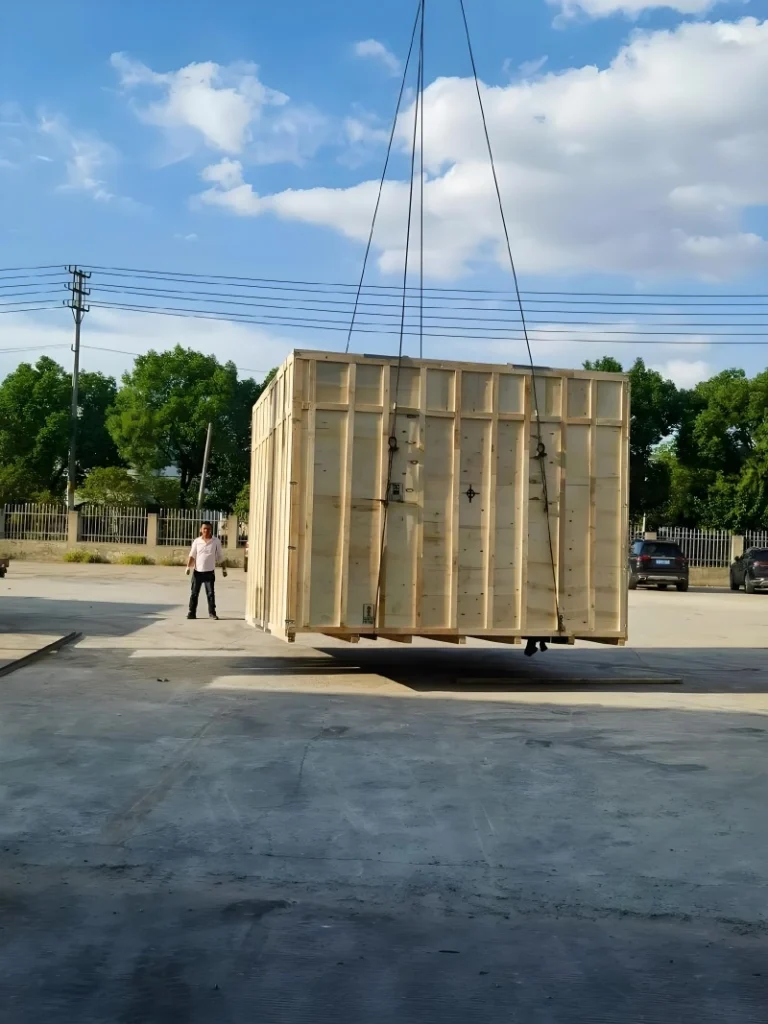
How Storage Time and Shipping Route Change the Cost Equation
The advantage of vacuum packing is greatly altered depending on the storage time and conditions.
| Shipping or Storage Condition | Risk Level | Cost Benefit of Vacuum Packing |
| Short domestic transport | Low | Limited unless cargo is very sensitive |
| Long sea freight | High | Stronger moisture and corrosion protection |
| Port-side storage | High | Reduces humidity, salt air, and dust exposure |
| Humid destination climate | High | Helps prevent moisture-related damage |
| Delayed customs clearance | Medium to high | Supports longer protection period |
| Long-term warehouse storage | Medium to high | Reduces deterioration before use |
| Multi-modal transport | Medium to high | Helps protect cargo across transfers |
| Outdoor temporary storage | High | Should be combined with outer protection |
Vacuum Packing Alone vs Vacuum Packing Combined with Crates
Vacuum packing and wooden crates are a solution to different hazards.
| Protection Plan | Upfront Cost | Protection Level | Best Used For |
| Vacuum packing only | Medium | High moisture, limited impact | Metal parts, machinery stored indoors |
| Wooden crate only | Medium to high | High impact, limited moisture | Heavy cargo with low corrosion sensitivity |
| Vacuum packing + wooden crate | Higher | High moisture and physical | High-value machinery, molds, precision equipment |
| Basic wrapping + crate | Medium | Basic dust and impact | Lower-risk industrial goods |
| Shrink wrap + pallet | Low | Basic handling and dust | Short-term or low-risk cargo |
Buyer Checklist: How to Decide If Vacuum Packing Is Cost-Effective
Smart buyers make a comparison between the additional packaging costs and the potential cost of damage.
| Question to Ask | Why It Matters |
| What is the cargo value? | Higher-value cargo justifies stronger protection |
| Is the cargo sensitive to rust or corrosion? | Moisture protection may prevent expensive damage |
| Will the cargo move by sea freight? | Humidity and salt air increase risk |
| How long will the cargo be stored? | Longer storage increases corrosion and dust risk |
| Is the destination climate humid or coastal? | Moisture exposure may continue after arrival |
| Are precision surfaces exposed? | Surface damage may affect function or appearance |
| Is installation time critical? | Damage may delay the project |
| Will replacement lead time be long? | Preventive packaging may avoid major delays |
| Will the cargo be handled multiple times? | Stronger packaging reduces transfer-related exposure |
| Is insurance or documentation required? | Proper packing and records support claim prevention |
Conclusion — Evaluate Packaging Cost Against Cargo Risk
Not all the most economical packing methods at the start will be the cheapest ones when exported. Vacuum packing can be the solution for machinery, molds, electronics, precision parts and high dollar industrial product, where the hidden costs of rust, corrosion, contamination, repacking and delivery delays become an issue.
Traditional methods are still acceptable for less sensitive shipments, less risky or short-term shipments. The key is to match level of protection to actual cargo risk, route conditions, and storage realities. Procurement and logistics personnel analyze not only the initial cost, but also the total cost of ownership to help ensure optimal cargo protection and cost savings.