
In one example of a shipping project for industrial equipment, the shipment of an 8.5 ton (around 9 tons) mid-sized CNC machining center was required from a manufacturing facility in China to an automotive parts factory in Southeast Asia. The major hazards were the heavy base of the equipment, the sensitive electronic equipment controls and painted surfaces, vibration on road legs, exposure to moisture during sea transit and multiple forklift and crane handlings.
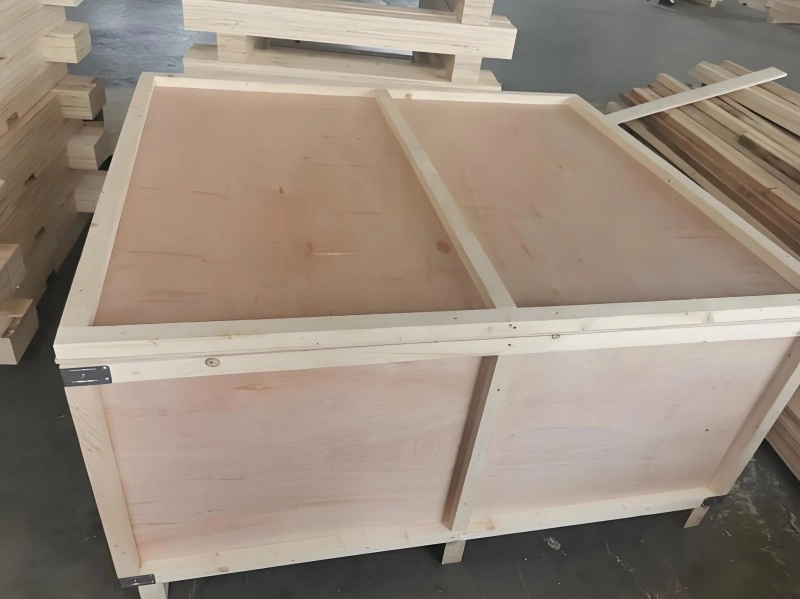
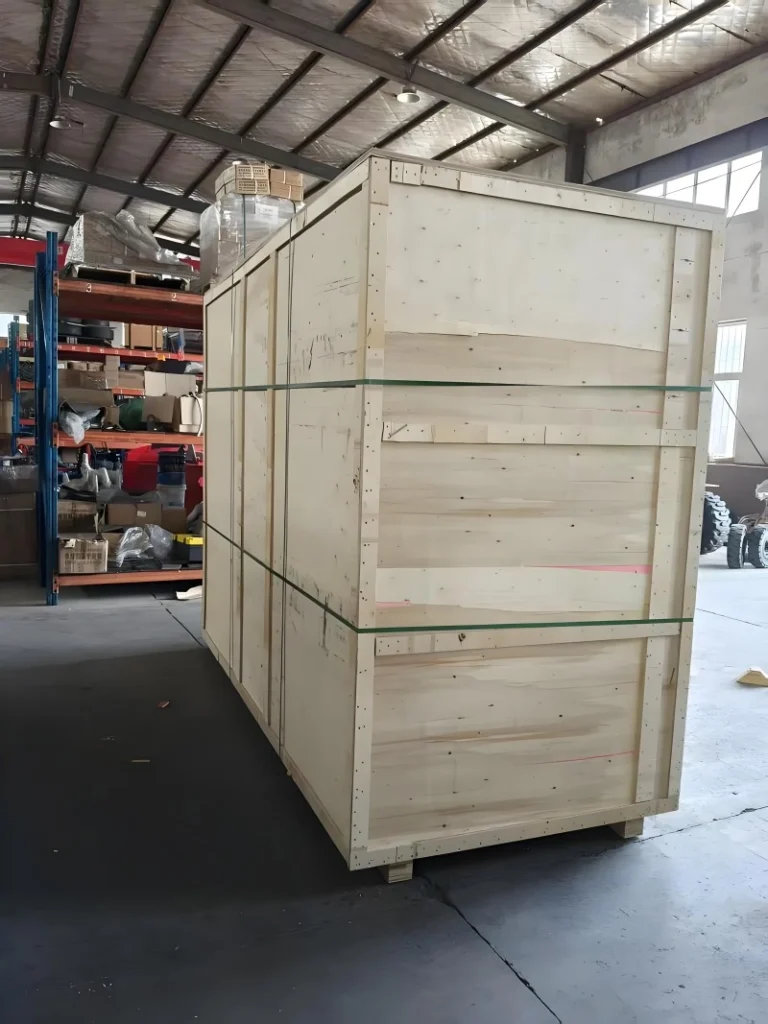
A custom wooden crate designed for the specific product, with reinforced base, well-chosen blocking and bracing, detailed moisture barriers and documentation of the handling of the crate, the shipment arrived properly with the crate structure intact, and no signs of handling related damage were noted on receiving inspection. When it comes to industrial equipment transportation, the success of a wooden crate packing job is not just determined by how strong the crate looks, but also whether the goods will arrive undamaged, secured, traceable, and ready for loading or unloading after shipping. Many buyers think that all that is needed with industrial equipment is just a heavy duty box but actual shipment safety is dependent on the ability of the box to manage cargo movement, load stress, moisture, vibration, handling impact, and inspection.
Project Background: What Was Being Shipped?
Every successful packing project begins with knowing what is in the package and what it is going to travel from the sender to the receiver. The client was exporting a precision CNC machine that had a heavy cast-iron base, exposed guide rails and sensitive control cabinets. The mode of transport was road transfer to the port and then sea freight either by road or flat-rack.
| Project Item | Case Detail |
| Cargo Type | Industrial equipment / production machinery |
| Cargo Characteristics | Heavy base, sensitive components, painted surfaces, exposed metal areas |
| Transport Mode | Road transfer plus sea freight / multi-modal |
| Main Risks | Shock, vibration, moisture, cargo shifting, forklift handling, corrosion |
| Packing Requirement | Custom wooden crate with reinforced base and internal securing |
| Buyer Concern | Avoid damage, delay, repacking, and installation issues after arrival |
| Protection Goal | Keep the equipment stable, dry, secured, and ready for unloading |
Initial Risk Assessment Before Crate Design
Before constructing a solid crate plan is ever started, solid risk assessment always comes first. All dimensions were measured, gross weight checked, fragile zones located and mapped prior to the first design.
| Risk Assessment Item | Why It Was Important |
| Cargo dimensions | Determined crate size and clearance |
| Gross weight | Guided base frame and skid strength |
| Center of gravity | Reduced tipping and uneven lifting risk |
| Base support points | Helped plan load-bearing beams |
| Fragile components | Guided cushioning and bracing positions |
| Exposed metal surfaces | Required anti-rust and moisture protection |
| Route conditions | Helped estimate vibration and handling exposure |
| Handling method | Guided forklift and lifting point design |
| Destination requirements | Helped review ISPM 15 and documentation needs |
Custom Wooden Crate Design Solution
With the risk profile clear, the crate was engineered specifically around the machine’s characteristics. For similar export projects, custom wooden crate case packing for industrial equipment should be planned around cargo weight, center of gravity, route exposure, moisture risk, and handling method before the crate is built.
| Crate Design Feature | Purpose in the Case |
| Reinforced skid base | Supported equipment weight during forklift handling |
| Load-bearing beams | Distributed cargo weight across the crate base |
| Structural frame | Improved crate rigidity during road and sea transport |
| Strong fasteners | Reduced joint loosening under vibration |
| Corner reinforcement | Protected high-impact crate areas |
| Custom clearance | Prevented contact with fragile equipment parts |
| Handling marks | Guided forklift and warehouse teams |
| ISPM 15 review | Reduced export compliance risk |
Internal Blocking and Bracing Strategy
The key internal factor that didn’t allow for movement on the multi-modal trip was internal securing.
| Securing Method | How It Reduced Transport Risk |
| Base blocking | Prevented sliding inside the crate |
| Side bracing | Controlled lateral movement during transport |
| Cross bracing | Increased crate rigidity and stability |
| Soft contact pads | Protected painted or sensitive surfaces |
| Anti-slip materials | Reduced movement between cargo and base |
| Custom support points | Supported equipment at structurally safe areas |
| Clearance around fragile parts | Prevented pressure on delicate components |
Moisture and Corrosion Protection Measures
Moisture is key in shipping industrial equipment by sea as it is subject to different storage conditions.
| Protection Method | Purpose |
| Barrier wrapping | Reduced exposure to humid air |
| Desiccants | Helped absorb moisture inside protected space |
| VCI film or paper | Helped reduce corrosion risk on metal parts |
| Anti-rust oil | Protected exposed metal surfaces |
| Waterproof cover | Reduced rain exposure during handling |
| Humidity indicator | Helped monitor internal moisture conditions |
| Pre-packing surface check | Reduced risk of sealing moisture inside |
Handling, Labeling, and Documentation
The best crate in the world can also be ruined if the correct instructions are not followed, so on all sides correct instructions were given.
| Handling or Documentation Item | Why It Mattered |
| Gross weight mark | Helped handlers select proper lifting equipment |
| Center of gravity mark | Reduced unsafe lifting and tipping risk |
| Forklift entry mark | Reduced wrong lifting position risk |
| Keep Dry label | Alerted handlers to moisture sensitivity |
| This Side Up mark | Helped prevent incorrect orientation |
| Packing photos | Provided reference for inspection and claims |
| Final inspection record | Confirmed crate condition before shipment |
| Packing list | Supported customs and receiver checking |
Shipping Execution and Monitoring
Packing success is not limited to the crate itself but also for the actual transport.
| Shipping Stage | Key Control Point |
| Packing site loading | Confirm crate handling points and lifting method |
| Truck transfer | Reduce sudden braking, impact, and poor road handling |
| Port handling | Keep crate orientation and handling marks visible |
| Sea freight loading | Confirm crate is positioned and secured properly |
| Transit monitoring | Use indicators or tracking when needed |
| Destination unloading | Follow handling marks and inspect crate condition |
Project Outcome and Key Results
The equipment arrived at the site with the crate in good shape. No obvious internal shifting was reported, moisture protection materials were not compromised and the machine could be immediately inspected and installed.
| Evaluation Area | Case Result |
| Crate Structure | Remained stable and intact |
| Cargo Stability | No obvious internal shifting observed |
| Moisture Protection | Barrier and desiccant protection remained effective |
| Handling Control | Labels and marks supported safer unloading |
| Documentation | Packing photos and records supported inspection |
| Delivery Readiness | Equipment ready for receiving check |
Lessons Learned from the Case
This project reiterated some of the common rules that govern most industrial equipment shipments.
| Lesson | Practical Takeaway |
| Cargo assessment comes first | Packing design should be based on real cargo data |
| Base strength is critical | Heavy equipment needs reinforced support |
| Internal securing prevents hidden risk | Cargo movement can cause damage even inside a strong crate |
| Moisture control matters | Sea freight and storage expose equipment to humidity |
| Handling marks reduce mistakes | Forklift and crane teams need clear guidance |
| Documentation supports trust | Photos and records help inspection and claim handling |
| Compliance should be checked early | ISPM 15 or destination rules may affect packing materials |
Common Mistakes This Case Helps Avoid
This project also illustrates common project “killers” that are encountered in the industry.
| Common Mistake | Risk Created |
| Standard box for heavy equipment | Weak support and higher movement risk |
| No cargo measurement | Poor crate fit or wasted material |
| Ignoring center of gravity | Tipping or unstable lifting risk |
| Weak base design | Forklift or transport damage |
| No internal bracing | Cargo shifting during road or sea movement |
| Bracing fragile parts | Surface damage or component deformation |
| No moisture protection | Rust, corrosion, or electrical issues |
| Missing handling marks | Incorrect lifting or orientation |
| No packing photos | Harder to verify shipment condition |
| Late compliance check | Repacking or customs delay risk |
Buyer Checklist for Similar Industrial Equipment Shipping Projects
Having the correct information beforehand can result in better quotes and smoother execution.
| Information to Prepare | Why It Helps |
| Equipment dimensions | Determines crate size and clearance |
| Gross weight | Guides base, skid, and fastener strength |
| Cargo photos or drawings | Helps identify shape, protrusions, and fragile areas |
| Center of gravity | Supports safe lifting and bracing design |
| Lifting points | Helps plan forklift or crane handling |
| Sensitive components | Guides cushioning and clearance decisions |
| Exposed metal surfaces | Determines anti-rust and VCI protection |
| Shipping route | Helps assess vibration, moisture, and handling risk |
| Storage duration | Determines moisture-control level |
| Destination country | Helps check ISPM 15 and compliance needs |
| Receiving site conditions | Helps plan unloading and post-arrival handling |
Conclusion — Custom Wooden Crates Turn Packing into Risk Control
This case is an example of what can be accomplished when industrial equipment shipping involves more than a wooden box. The first step in successful packing of custom wooden crates is in evaluating the cargo and assessing the risk situation. The reinforced design with internal blocking and bracing, moisture protection, handling marks and detailed documentation form a comprehensive transport protection system.
Accurate Cargo Data, Route Information and Handling Details, shared early on, can help to minimize hidden risks and ensure that high-value machinery is ready for use. For those with an upcoming project for industrial equipment export, cautious and careful packing always pays off in time and money.