
When relocating high-value production lines, reducing downtime is a key goal, and this can only be achieved by engineering logistics planning that integrates the assessment of equipment, dismantling sequence, tracking of components, protective packing, schedule of transport, sequencing of delivery, site readiness, and reinstallation coordination into one controlled relocation workflow. High value production lines include many integrated components such as conveyors, robotic cells, CNC machines, assembly fixtures, testing equipment, control cabinets, sensors, and utility lines. When these need to move, every hour of unplanned stoppage is directly lost production, delayed delivery and increased costs.
The danger that many companies think of is that the trucks can go too fast. The most common reasons for downtime are parts on not being installed, parts being damaged, reconnection error, delivery order being wrong, or a destination site being not ready. Downtime reduction in the relocation of production lines is not the result of increasing the speed at which cargo is transported, it’s the result of planning all technical, logistics, reinstallation steps before the production line is turned off. In automated production lines, robotic cells, conveyors, control cabinets, tooling, and testing systems, engineering logistics to minimize downtime involves coordinating equipment inventory, minimizing downtime with engineering logistics means coordinating equipment inventory, dismantling, packing, transport sequence, site readiness, and reinstallation before shutdown begins.
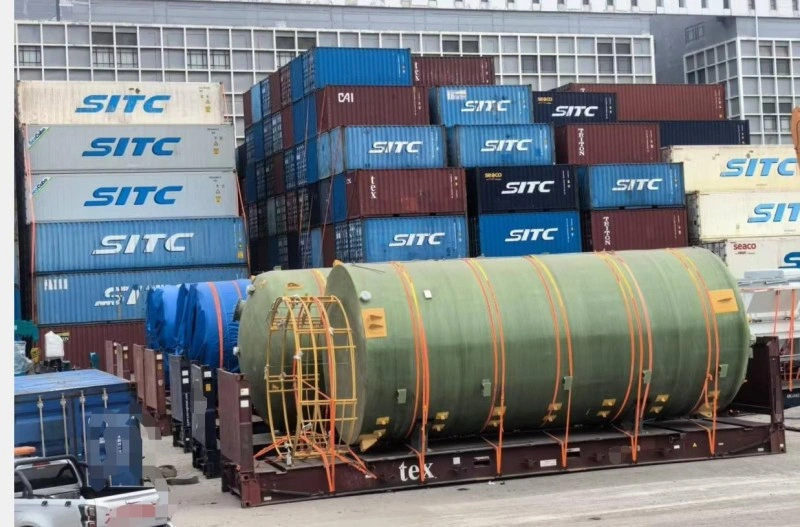
Why Moving High-Value Production Lines Creates Downtime Risk
The relocation of production lines is much more than a mere equipment move — it involves all aspects of the production process, from shutdown to commissioning and complete restart. One misplaced sensor or mislabelled cable can result in days of additional work in integrated systems.
| Downtime Risk | Why It Affects Production Restart |
| Poor Equipment Inventory | Missing machines, accessories, or spare parts delay reinstallation |
| Unclear Cable Labeling | Electrical reconnection becomes slow or error-prone |
| Wrong Dismantling Sequence | Equipment may require rework before packing or transport |
| Weak Packaging | Damage to sensors, panels, or control cabinets can delay restart |
| No Delivery Sequence | Equipment may arrive in an order that blocks installation |
| Site Not Ready | Cargo may require storage, repeated handling, or rescheduling |
| Missing Utility Plan | Air, water, power, or data reconnection may be delayed |
| No Commissioning Buffer | Alignment, testing, and troubleshooting may push back production restart |
Downtime Reduction Starts Before the Production Line Stops
The best downtime control takes place before the line stops. With proper planning a chaotic move can become a managed project with predictable timelines.
| Pre-Move Planning Task | Downtime Reduction Value |
| Define Relocation Scope | Prevents overlooked machines, tools, and accessories |
| Build Equipment Inventory | Helps track every production line component |
| Confirm Shutdown Window | Aligns logistics work with production planning |
| Identify Critical Path | Shows which tasks directly affect restart date |
| Prepare Labeling System | Reduces reconnection and reassembly time |
| Arrange Packing Materials | Avoids delays after dismantling starts |
| Book Transport Resources | Secures trucks, cranes, containers, or trailers in advance |
| Prepare Destination Site | Allows unloading and installation to begin immediately |
| Assign Responsibilities | Prevents confusion between logistics, engineering, and installation teams |
Equipment Inventory and Component Tracking
The first step into a successful high value production line relocation is a complete inventory. Production lines have hundreds of individual pieces, including mission-critical small parts.
| Inventory Item | Why It Matters |
| Main Machines | Defines the core relocation scope |
| Control Cabinets | Protects electrical and automation systems |
| Cables and Connectors | Reduces reconnection errors |
| Sensors and Instruments | Prevents small but critical parts from being lost |
| Fixtures and Jigs | Supports accurate production restart |
| Tooling and Spare Parts | Prevents delays after installation |
| Fasteners and Brackets | Avoids missing assembly hardware |
| Safety Guards | Ensures line restart meets operational requirements |
| Serial Numbers | Supports traceability and asset control |
| Photos / Videos | Provides reference for reinstallation |
| Machine-Level Packing Lists | Helps receiving teams check each equipment group |
Dismantling Sequence, Labeling, and Reinstallation References
Dismantling should always be planned for reinstallation. The aim is to establish the new site as if you’re taking apart the old one.
| Control Method | How It Reduces Downtime |
| Dismantling Sequence Plan | Prevents unnecessary rework during packing and installation |
| Cable Labeling | Speeds up electrical reconnection |
| Hose and Pipe Marking | Reduces pneumatic, hydraulic, or water connection errors |
| Connector Numbering | Prevents mismatched connections |
| Section Numbering | Keeps conveyors, frames, and modules in correct order |
| Photo Records | Helps installers restore original setup |
| Small Parts Packing | Prevents lost bolts, brackets, sensors, and tools |
| Reference Drawings | Supports accurate reinstallation and alignment |
| Checklist Sign-Off | Confirms each dismantling step is completed properly |
Protective Packing for High-Value Production Line Equipment
The speed of restart is directly affected by cargo protection. Often damaged control systems or precision components take weeks for repair or replacement.
| Equipment / Component | Recommended Protection | Downtime Risk Reduced |
| Control Cabinets | Wooden crating, waterproof covering, desiccants | Electrical damage and reconnection delay |
| Sensors and Screens | Shock protection, separate packing, clear labels | Replacement or troubleshooting delay |
| CNC Machines | Anti-rust treatment, shock-absorbing supports | Alignment and precision issues |
| Robotic Cells | Controlled packing, cable labeling, moisture protection | Calibration and startup delays |
| Conveyors | Section labeling, edge protection, bracing | Reassembly confusion and deformation |
| Fixtures and Jigs | Surface protection and dedicated crates | Product quality and alignment issues |
| Tooling and Spare Parts | Machine-level boxes and inventory records | Missing items during restart |
| Electrical Panels | Moisture protection and impact protection | Electrical testing delay |
Transport Sequencing Based on Reinstallation Priority
Installing convenience before transport should be reversed and done in the reinstallation order. Getting the right equipment at the right time ensures installation teams are productive.
| Sequencing Decision | Downtime Reduction Benefit |
| Deliver by Line Section | Helps installers rebuild in the correct order |
| Group Accessories with Machines | Prevents missing parts during reinstallation |
| Prioritize Critical Path Equipment | Keeps restart schedule moving |
| Avoid Unneeded Early Delivery | Reduces site congestion and repeated handling |
| Align Delivery With Crane Availability | Prevents truck waiting and unloading delay |
| Reserve Storage Zones | Keeps equipment organized by installation order |
| Track Each Cargo Batch | Reduces confusion during receiving and handover |
| Prepare Backup Sequence | Allows work to continue if one batch is delayed |
Site Readiness at the Destination Facility
If the new site does not have an efficient system for receiving cargo, the cargo may be idle if it is perfectly packed and has the correct sequence.
| Site Readiness Item | Downtime Risk If Not Ready |
| Access Road / Gate | Cargo may not enter the facility |
| Floor Load Capacity | Heavy equipment movement may be unsafe |
| Unloading Equipment | Trucks may wait or cargo may need temporary storage |
| Storage Space | Equipment may block installation work |
| Foundation / Base | Machines cannot be positioned or leveled |
| Utility Connections | Reinstallation and commissioning may be delayed |
| Layout Marking | Equipment may be placed incorrectly |
| Receiving Team | Cargo check and handover may be delayed |
| Weather Protection | Equipment may be exposed before installation |
| Safety Clearance | Installation work may be interrupted |
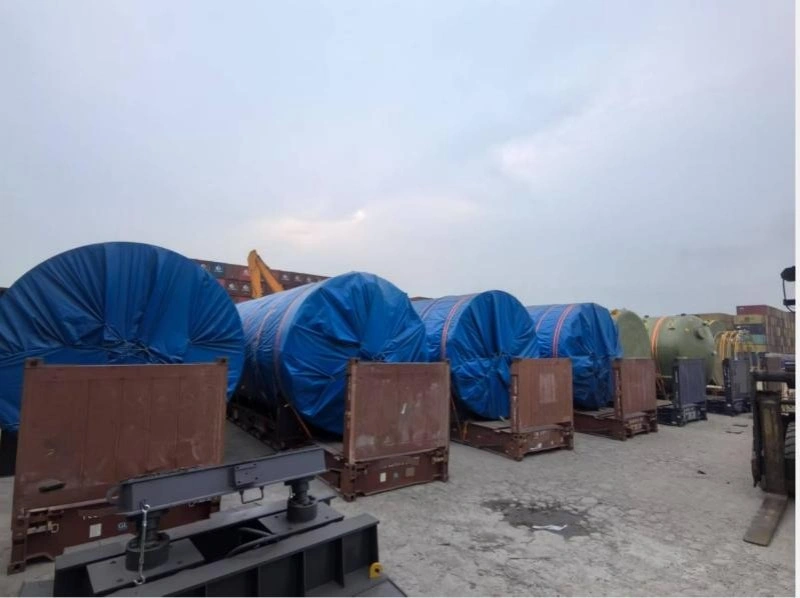
Coordinating Contractors to Keep the Restart Schedule on Track
The vast majority of production line movements are made up of a number of specialism teams. Finger-pointing and slipping of schedules are avoided through clear responsibility and regular communication.
| Contractor / Team | Main Responsibility | Downtime Control Role |
| Factory Team | Provides equipment access and shutdown timing | Keeps relocation aligned with production plan |
| Dismantling Team | Disconnects and prepares equipment | Prevents damage and reinstallation confusion |
| Packing Team | Protects machines, cabinets, and accessories | Reduces transport damage risk |
| Rigging / Crane Team | Handles lifting and loading | Prevents handling incidents |
| Trucking Provider | Moves equipment according to sequence | Supports timely delivery |
| Destination Team | Receives and checks cargo | Speeds up unloading and handover |
| Installation Team | Reassembles and aligns equipment | Controls restart schedule |
| Utility Contractors | Reconnect power, air, water, data, or hydraulic systems | Prevents commissioning delay |
| Project Coordinator | Tracks milestones and communication | Keeps all parties aligned |
Downtime Risk Control Checklist
Follow this action-oriented checklist well in advance of the shutdown date:
| Checklist Question | Why It Matters |
| Has the full equipment inventory been completed? | Prevents missing machines, tools, and accessories |
| Are all cables, hoses, and connectors labeled? | Reduces reconnection errors |
| Is the dismantling sequence documented? | Supports organized packing and reinstallation |
| Are photos and videos recorded before disassembly? | Gives installers reference during setup |
| Is protective packing ready before shutdown? | Prevents delays after dismantling |
| Are transport batches planned by installation order? | Keeps restart workflow efficient |
| Is the destination site ready? | Allows immediate unloading and installation |
| Are cranes, forklifts, and rigging teams booked? | Prevents equipment waiting time |
| Are utilities prepared for reconnection? | Reduces commissioning delay |
| Is there a contingency plan for delayed cargo? | Helps keep work moving if one stage slips |
Common Mistakes That Increase Downtime During Production Line Moves
| Mistake | Better Practice |
| Planning after shutdown | Start relocation planning before production stops |
| Moving machines separately without line logic | Plan equipment by production line section and restart priority |
| Poor cable labeling | Label every cable, connector, hose, and control line before dismantling |
| Incomplete inventory | Record machines, tools, accessories, sensors, and spare parts |
| Poor accessory tracking | Pack small parts by machine or section |
| Weak protection | Use proper crating, waterproofing, shock protection, and anti-rust measures |
| Wrong delivery order | Transport according to installation sequence |
| Destination not ready | Prepare access, storage, foundation, utilities, and unloading equipment |
| No testing buffer | Allow time for alignment, calibration, and commissioning |
| No project coordinator | Use one control point for schedule, documents, and communication |
How to Choose a Logistics Partner for Downtime-Sensitive Production Line Moves
Find partners that approach the project as a restart-management exercise and not just as cargo movement.
| Logistics Capability | Why It Matters for Downtime Reduction |
| Factory Relocation Experience | Helps manage production-line complexity and restart risk |
| Inventory and Labeling Control | Reduces missing parts and reconnection delays |
| Protective Packing Options | Prevents damage to cabinets, sensors, tooling, and machines |
| Lifting and Rigging Knowledge | Reduces handling damage during loading and unloading |
| Transport Sequencing | Aligns delivery with reinstallation order |
| Site Delivery Planning | Prevents access, storage, or unloading delays |
| Contractor Coordination | Keeps dismantling, transport, installation, and utility teams aligned |
| Milestone Tracking | Shows whether the restart schedule is still realistic |
| Contingency Planning | Helps reduce disruption from delays or unexpected site issues |
Conclusion — Downtime Control Depends on Relocation Planning, Not Speed Alone
The real trick to minimizing downtime during the move of high-value production lines is to get the job done right, all the way from the start with disciplined planning. The protection of the cargo and the production restart plan are all accomplished through the integrated use of equipment inventory, precise labeling, thoughtfully designed dismantling sequences, robust protective packing, intelligent transport sequencing, thorough sites preparation and tight coordination of the contractors.
Damage to the sensor, loss of tooling or a site unprepared for faster transport can’t compensate. If all elements of the move are dealt with as one coherent engineering logistics process, factories can avoid unnecessary disruption and get back to full production quicker and more confidently.