
Optimization of engineering cargo moves is about avoiding unnecessary waste, delays, re-work and risk related costs while maintaining cargo safety, regulatory compliance and project schedule reliability. In most multi-stage engineering cargo moves, the key factors that influence the overall cost are the quality of cargo planning, not the freight quote; the move moves the cargo from the planning stage through to specialized transport, port handling, ocean shipping, customs, and final mile delivery.
While many project teams go into a project with a very specific set of freight rates in mind, experience has proven that the hidden costs are normally the biggest due to late changes, wrong equipment selection, permit delays and poor coordination efforts. Optimizing the cost of engineering for cargo moves involves a balance between cost control and protecting cargo and on-time delivery. Often, the least expensive way to get the job done is the most expensive due to damage, storage charge, and/or schedule overrun.
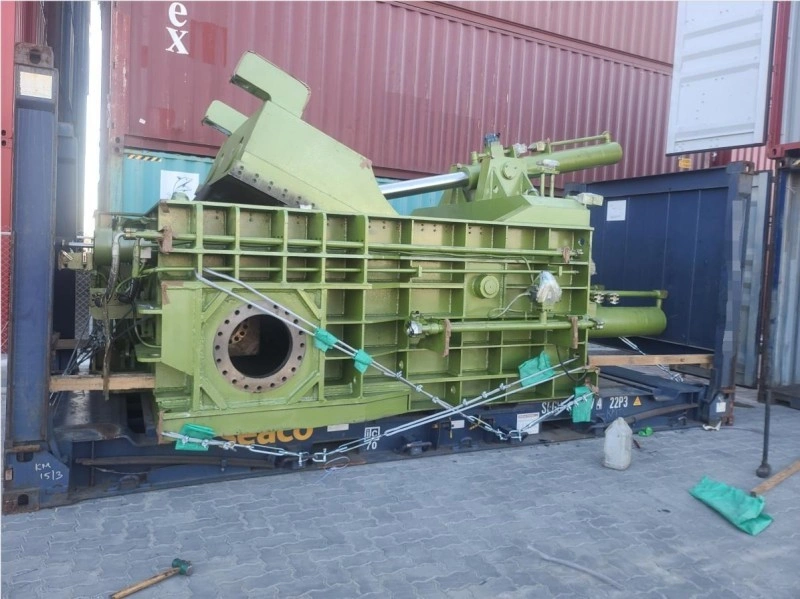
What Makes Multi-Stage Engineering Cargo Moves Expensive?
The costs of engineering cargo movements are multiplied by the fact that each movement has a number of technical, operational and compliance requirements, which interact with each other. If that occurs at one point, it has a ripple effect that leads to additional expenses all the way down the line.
For oversized machinery, factory equipment, skids, transformers, and other project cargo, cost-efficient engineering logistics depends on aligning cargo data, route planning, permits, transport equipment, port handling, and final delivery before execution.
| Cost Factor | Why It Affects Total Project Cost |
| Cargo Size and Weight | Determines trailer type, permits, lifting equipment, and shipping method |
| Route Restrictions | May require detours, escorts, surveys, or special permits |
| Specialized Equipment | Lowbed trailers, flat racks, cranes, or modular trailers add cost |
| Loading and Lifting | Crane, rigging, and site preparation may be required |
| Cargo Protection | Crating, waterproofing, anti-rust treatment, or vacuum sealing may be needed |
| Port Handling | OOG cargo may require special terminal approval and handling fees |
| Storage Time | Delays can create port, warehouse, or yard storage charges |
| Documentation Errors | Customs or port corrections can delay cargo and increase cost |
| Final-Mile Delivery | Site access, unloading equipment, and local permits can add cost |
Cost Optimization Starts with Accurate Cargo Data
The key to any cost optimisation strategy is accurate cargo data. Wrong quotations, wrong equipment, rejected permits, and last minute adjustments cost the company money for providing poor or incomplete information.
A professional planner will always require confirmation of details before they give a definite rate and/or make a booking.
| Cargo Data to Confirm | Cost Risk If Incorrect |
| Length, Width, Height | Wrong trailer, container, route, or port approval may be selected |
| Gross Weight | Crane, trailer, or permit costs may change after booking |
| Center of Gravity | Loading method and securing plan may require rework |
| Lifting Points | Crane operation may be delayed or require additional rigging |
| Tie-Down Points | Lashing plan may need redesign |
| Support Points | Cargo may require custom frames or extra blocking |
| Packing Dimensions | Protected cargo may exceed planned transport limits |
| Cargo Photos | Planning teams may miss shape, base, or access constraints |
| Destination Site Access | Final delivery may require extra equipment or route changes |
Planning Transport Stages Together Instead of Separately
When planning multiple stages of engineering cargo moves, they tend to be much more costly when each one is treated individually. The trip as a single project instead of transactions helps to prevent duplication of effort and waiting time, and to avoid repeated handling.
| Transport Stage | Cost Optimization Focus |
| Factory Pickup | Confirm cargo readiness, access, crane needs, and loading window |
| Inland Transport | Match trailer to route, permits, and cargo height/weight |
| Port Entry | Align terminal appointment, documents, and vessel cut-off |
| Ocean Shipping | Choose suitable flat rack, open top, breakbulk, or heavy lift option |
| Customs Clearance | Prepare documents early to reduce holds and storage charges |
| Destination Transport | Confirm local permits, road access, and delivery timing |
| Final-Mile Delivery | Check site access, unloading equipment, and receiving team readiness |
| Site Handover | Avoid re-delivery, storage, or unloading delays |
Route Planning Strategies That Reduce Avoidable Costs
The shortest way isn’t necessarily the cheapest way to transport big, bulky items. A well surveyed and checked route reduces detours, permit rejections, escorts and rework at the last minute.
| Route Planning Decision | Cost Impact |
| Early Route Survey | Reduces risk of last-minute detours or route rejection |
| Bridge and Clearance Check | Prevents cargo return, delay, or repacking cost |
| Road Width and Turning Review | Avoids failed final-mile delivery |
| Permit Planning | Reduces waiting time and urgent processing fees |
| Escort Planning | Prevents illegal movement and road disruption |
| Weather-Aware Scheduling | Reduces delay and cargo protection rework |
| Port Approach Planning | Avoids missed terminal appointments |
| Site Access Check | Prevents extra crane, trailer, or storage costs |
Choosing the Right Transport Equipment for Cost Control
The selection process of the equipment should consider initial capital investment and total risk and performance throughout the entire journey. More specific will cost more, less will be a surprise.
| Equipment Option | When It Helps Control Cost | Risk If Chosen Incorrectly |
| Lowbed Trailer | Reduces transport height for tall cargo | May be unsuitable for extremely heavy cargo |
| Ultra-Low Flatbed | Helps meet clearance limits | Higher cost if not truly needed |
| Modular Trailer | Supports very heavy or wide cargo | Expensive if cargo can move safely by simpler method |
| Flat Rack Container | Efficient for many OOG cargo shipments | Requires correct lashing and weather protection |
| Open Top Container | Useful for tall cargo loaded from above | Rain protection and height limits must be reviewed |
| Breakbulk Shipping | Suitable for cargo unsuitable for containers | Higher handling and port coordination cost |
| Crane / Rigging | Enables safe loading and unloading | Poor planning can cause waiting or overtime costs |
Packaging and Cargo Protection: Cost Saving or Cost Risk?
Protection is often considered an overhead and is usually defined as the minimum required to package, but when a product isn’t packaged properly, the damage claims, rework or project delays are often much greater.
| Protection Method | Cost Optimization Logic |
| Wooden Crating | Adds cost but protects sensitive or high-value cargo |
| Waterproof Covering | Low-cost measure that can prevent rain-related damage |
| Vacuum Sealing | Useful for long-distance or ocean transport |
| Anti-Rust Treatment | Reduces corrosion risk for metal machinery |
| Desiccants | Helps protect electrical cabinets and sensitive equipment |
| Shock-Absorbing Supports | Reduces vibration and impact-related damage |
| Risk-Based Packaging | Avoids both unnecessary overpacking and unsafe underpacking |
Reducing Port, Storage, and Demurrage Costs
While the cost of goods is always a concern with any shipment, supporting documents, appointments, and approvals don’t always come when they should, and that can add up to an expensive situation when goods arrive at port.
| Port Cost Risk | Prevention Strategy |
| Missed Cut-Off | Align inland transport with vessel schedule |
| Cargo Arrives Too Early | Avoid unnecessary yard storage before vessel loading |
| Late Carrier Approval | Submit OOG data, photos, weight, and dimensions early |
| Customs Delay | Prepare invoice, packing list, HS code early |
| Weather Exposure | Prepare covering, anti-rust treatment, or sealed packaging |
Using Multi-Modal Planning to Improve Cost Efficiency
The use of multi modal transport can reduce total transport costs, especially the use of road and sea transport and sometimes also rail and inland waterway transport. The crux is controlling the transfer points and ensuring the secure transport of goods at each point of contact.
| Multi-Modal Option | Potential Cost Advantage | Key Risk to Control |
| Road + Sea | Common and flexible | Port handling and vessel cut-off timing |
| Flat Rack + Road Delivery | Efficient for many OOG types | Lashing and weather exposure |
| Breakbulk + Final Road Transport | Suitable for very large equipment | Higher handling and coordination |
Avoiding Costly Rework Through Early Risk Assessment
Rework is one of the most significant cost factors in engineering logistics that can be avoided. Much rework is due to poor information decisions made once transport has started.
| Rework Scenario | Cost Impact | Prevention Method |
| Wrong Cargo Measurements | New quotation, new permits | Verify dimensions after packaging |
| Wrong Trailer Selection | Extra transport cost and delay | Match trailer before booking |
| Permit Rejection | Route delay and urgent replanning | Conduct route survey early |
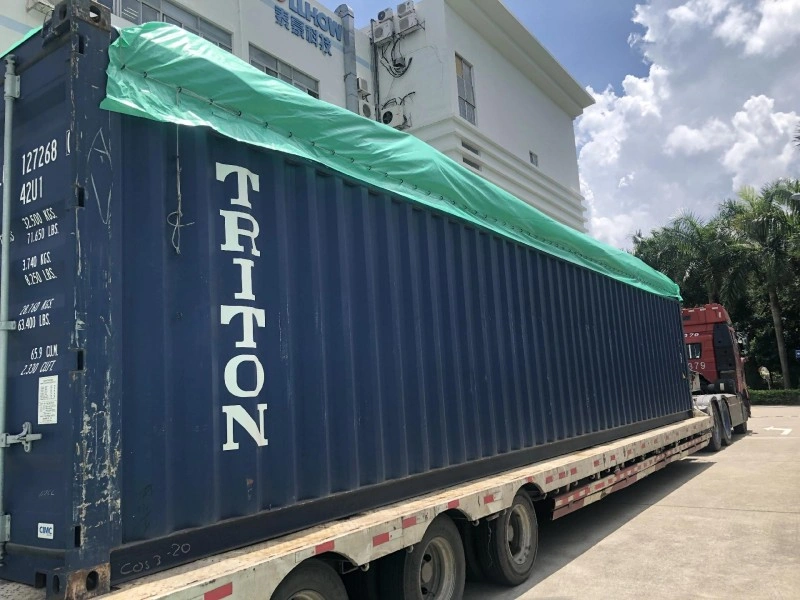
Cost Optimization Checklist for Multi-Stage Engineering Cargo
Follow this useful checklist before signing off on any logistics plan:
| Checklist Question | Why It Helps Control Cost |
| Are cargo dimensions and weight verified? | Prevents wrong equipment and permit estimates |
| Has the route been surveyed? | Reduces detour and access failure risk |
| Is the transport equipment properly matched? | Avoids overpaying or unsafe under-specification |
| Are permits started early? | Reduces urgent processing fees |
| Is cargo protection risk-based? | Prevents damage-related costs |
| Is the port approval complete? | Reduces terminal rejection |
Common Mistakes in Engineering Cargo Cost Optimization
Even experienced teams sometimes fall into these traps:
| Mistake | Better Practice |
| Choosing only the lowest freight rate | Compare total project cost, risk, and scope |
| Using estimated cargo data | Verify measurements and packing dimensions first |
| Planning stages separately | Build a door-to-site cost plan |
| Ignoring port and storage costs | Include terminal handling and approval requirements |
| Late permit planning | Start permits after route feasibility is confirmed |
How to Choose a Logistics Partner for Cost-Efficient Engineering Cargo Moves
Consider partners in terms of managing overall project costs as well as headline rates. Seek out a proven track record in cargo survey, route planning, equipment selection, and end-to-end coordination.
| Logistics Capability | Why It Matters for Cost Optimization |
| Cargo Survey Capability | Reduces quotation errors |
| Route Planning Experience | Avoids detours and rejected permits |
| Packaging and Protection Options | Prevents damage without overpacking |
| Port Coordination | Reduces storage and missed cut-off costs |
| Transparent Cost Breakdown | Helps buyers understand inclusions and exclusions |
Conclusion — Cost Optimization Means Controlling the Whole Project
Optimizing the expense of a multi-stage engineering cargo move is not just about obtaining a lower freight rate. It demands precise cargo information, timely and integrated route prediction, appropriate equipment choice, risk-based packaging, timely permits, coordination with the ports, and proper final mile preparedness.
By considering each phase as part of the broader project, teams can effectively minimize unnecessary costs and ensure the safety of the cargo and project reliability. This results in smoother operations, less surprises and improved overall value in industrial equipment transport & plant relocation projects.