
Oversized industrial equipment poses an issue with port regulations as to whether your cargo will be able to enter the port, be handled safely, meet carrier requirements, and load on schedule. These rules are not standardised, but differ depending on port, terminal operator, shipping line and even ship. Early consideration of port-specific requirements eliminates rework, rejections at the gate, excessive storage fees, missed sailings and delays on factory relocation or steel construction, mining machinery and other projects.
If the goods are able to go into the port, then the goods can be loaded, many shippers think so. In reality, terminals and carriers must obtain prior approval for terminals based on precise dimensions, verified weight, lifting points, lashing plans, and the feasibility of handling. The port compliance of oversized industrial equipment is not only a terminal process, but also a project logistics control point, which has a certain influence on the route planning, transportation time, loading and unloading of goods, loading of vessels and the reliability of delivery. In the case of companies that move heavy or OOG cargo, the best way to ensure that this compliance is taken into consideration is by including it in the engineering logistics planning process from the start.
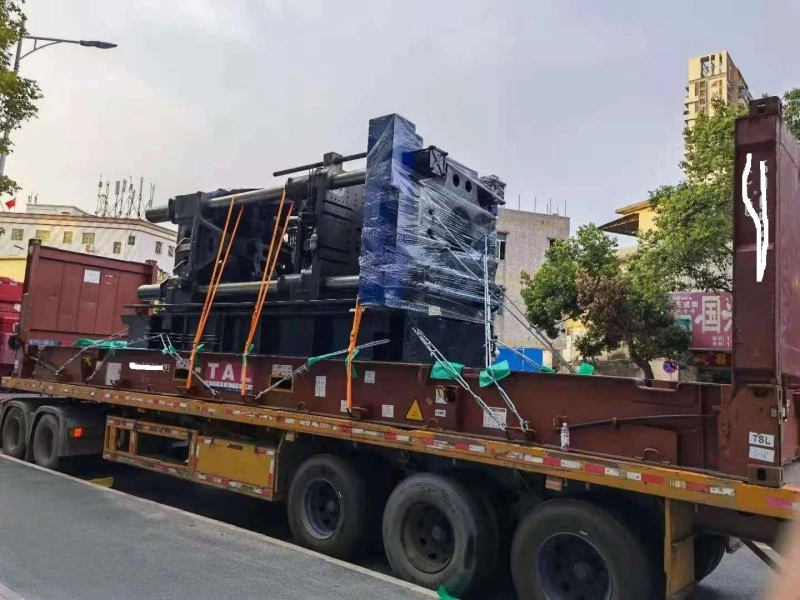
What Are Port-Specific Regulations for Oversized Industrial Equipment?
Port specific regulations are the set of local rules issued by the port authorities, terminal operators, shipping lines and in some cases maritime safety authorities that govern the acceptance, storage, handling and loading of oversized industrial equipment. The rules are designed to emphasize safety, vessel capabilities and effective vessel turnaround.
In the field of port compliance in engineering logistics, the effective coordination can ensure that the data of cargo, terminal rules, lifting requirements, lashing plans and vessel plans are aligned before the cargo is brought into the port, especially for heavy cargo such as transformers, pressure vessels, steel structures, mining machinery, construction machinery and factory relocation cargo.
| Port Regulation Area | What It Usually Covers | Why It Matters |
| Terminal Entry Rules | Appointment time, truck access, gate requirements, and cargo documents | Prevents cargo rejection at port gate |
| OOG Declaration | Over-height, over-width, over-length, and special handling details | Helps terminal and carrier plan handling |
| Weight Limits | Gross weight, lifting weight, axle load, and equipment capacity | Supports safe lifting and movement |
| Lifting Requirements | Lifting points, crane plan, rigging method, and spreader needs | Reduces handling risk |
| Lashing Requirements | Securing method, lashing plan, and inspection needs | Supports safe sea transport |
| Storage Rules | Yard space, storage duration, weather exposure, and cargo positioning | Prevents congestion and added costs |
| Hazardous Component Checks | Batteries, fluids, residues, or dangerous goods documents | Prevents safety and compliance issues |
| Cut-Off Times | Latest cargo delivery time before vessel loading | Avoids vessel rollover or missed sailing |
Why Port Compliance Matters in Engineering Logistics
Failure to adhere to port-specific regulations can easily be a costly issue. Compliance doesn’t just impact paper handling. It is a factor in determining how much can be accepted at the gates, whether the crane can lift it, how to stow the cargo, and if it can be securely stowed for the ocean voyage.
| Port Compliance Issue | Possible Result If Ignored |
| Cargo Dimensions Submitted Late | Carrier or terminal may not approve loading in time |
| Gross Weight Not Verified | Crane or equipment capacity may be unsuitable |
| Missing Lifting Details | Terminal may delay or refuse handling |
| Lashing Plan Not Prepared | Cargo may require rework before vessel acceptance |
| Terminal Appointment Missed | Cargo may wait outside port or incur additional charges |
| Storage Limits Ignored | Cargo may face yard congestion or relocation costs |
| Hazardous Component Not Declared | Safety review or shipment hold may occur |
| Vessel Cut-Off Missed | Cargo may roll to the next available sailing |
Cargo Information Ports Usually Require Before Acceptance
Accurate, verified cargo data forms the foundation of port approval. Terminals and carriers need detailed information well before the truck arrives to allocate space, equipment, and personnel.
| Cargo Information | Why the Port or Terminal Needs It |
| Cargo Description | Helps identify the equipment and handling requirements |
| Dimensions | Determines OOG status, storage space, and vessel loading plan |
| Gross Weight | Confirms lifting equipment and terminal handling capacity |
| Package Count | Supports gate entry, yard planning, and shipment records |
| Center of Gravity | Helps reduce lifting and stability risks |
| Lifting Points | Supports crane and rigging planning |
| Tie-Down Points | Helps review lashing and securing options |
| Cargo Drawings | Provides technical reference for handling and stowage |
| Cargo Photos | Helps terminal staff understand shape, base, and lifting areas |
| Packing Method | Shows whether cargo is crated, wrapped, exposed, or supported |
| OOG Details | Helps shipping line and terminal plan vessel loading |
| Hazardous Components | Determines whether MSDS or DG review is required |
Terminal Entry Rules and Port Gate Requirements
Port Approval is based on accurate verified cargo data. It is important for terminals and carriers to have detailed information in advance to allocate space, equipment and personnel before the truck arrives.
| Gate Requirement | Risk If Not Prepared |
| Terminal Appointment | Truck may not be allowed to enter |
| Cargo Booking Reference | Gate staff may not match cargo with shipment record |
| Vehicle Documents | Entry may be delayed or refused |
| Oversized Cargo Declaration | Terminal may not prepare proper access route |
| Arrival Time Window | Missed appointment may cause waiting charges |
| Escort or Safety Requirement | Movement inside terminal may be restricted |
| Weight Verification | Cargo may require additional checking before entry |
| Cargo Photos / Data | Terminal may request clarification before handling |
Lifting, Heavy Lift, and Handling Requirements at Port
Cargo that’s too big has the potential to be delayed before entering the gate. Most terminals stipulate pre-booked appointments, documents required and advance notice of size and weight.
| Handling Factor | What Must Be Confirmed | Why It Matters |
| Crane Capacity | Lifting weight and working radius | Prevents unsafe lifting or handling refusal |
| Lifting Points | Approved lifting locations and load rating | Reduces cargo damage risk |
| Rigging Method | Slings, shackles, spreader beams, and lifting angles | Supports stable handling |
| Cargo Stability | Center of gravity and base support | Prevents tilting or shifting |
| Heavy Lift Approval | Terminal acceptance for high-weight cargo | Avoids last-minute rejection |
| Weather Conditions | Wind, rain, and visibility limits | Protects cargo and workers |
| Pre-Lift Inspection | Cargo condition and lifting readiness | Confirms safe operation before handling |
Lashing and Securing Requirements for Port and Vessel Acceptance
There are limits on the port cranes, reach stackers and mobile equipment. Industrial equipment that is heavy or has unusual shapes may require pre-approved lifting plans, certified lifting, and sometimes heavy-lift coordination.
| Securing Requirement | Why It Matters for Port Acceptance |
| Lashing Plan | Shows how cargo will be secured before vessel loading |
| Approved Tie-Down Points | Prevents damage from securing at weak or sensitive areas |
| Lashing Strength | Ensures cargo is restrained under transport forces |
| Blocking and Bracing | Prevents sliding, rolling, or shifting |
| Anti-Slip Materials | Improves stability on flat rack or platform surfaces |
| Inspection Photos | Provides evidence of securing quality |
| Carrier Approval | Confirms cargo is acceptable for sea transport |
| Rework Readiness | Allows corrections before cut-off if securing is not accepted |
Storage, Yard Space, and Weather Exposure Rules
Lashing plans should meet both terminal and carrier requirements. Poor points, angles or blocking may result in rejection or rework on the dock.
| Storage Factor | Port Planning Concern | Control Measure |
| Yard Space | Oversized cargo may need special area | Reserve space before arrival |
| Storage Duration | Long storage may create extra charges | Align arrival with vessel schedule |
| Ground Support | Heavy cargo may need suitable surface | Confirm yard load capacity |
| Weather Exposure | Rain, humidity, salt air, or heat may affect cargo | Use waterproofing and anti-rust protection |
| Cargo Relocation | Terminal may need to move cargo within yard | Confirm handling method and cost |
| Security | High-value cargo may need additional monitoring | Use inspection records and controlled access |
| DG Storage | Hazardous components may need special area | Declare regulated items early |
Documentation Required for Port-Specific Compliance
Large machinery may take up a lot of yard space, and can be waiting for several days before they are loaded. Ports have restrictions on time, ground pressure, and the extent to which they are protected from the weather.
| Document | Port Compliance Purpose |
| Booking Confirmation | Links cargo to vessel, carrier, and terminal plan |
| Packing List | Shows package count, dimensions, weight, and contents |
| OOG Declaration | Confirms over-height, over-width, or over-length details |
| Verified Gross Weight | Supports safe lifting, stowage, and handling |
| Cargo Drawings | Helps plan lifting, securing, and storage |
| Cargo Photos | Helps terminal understand shape and handling needs |
| Lifting Plan | Supports crane and heavy lift preparation |
| Lashing Plan | Supports vessel and carrier acceptance |
| MSDS / DG Declaration | Required when hazardous components are involved |
| Transport Permit | Supports legal arrival of oversized cargo at port |
| Insurance Documents | Supports risk control and claim readiness |
How Port Regulations Affect Flat Rack, Open Top, and Breakbulk Cargo
Fully and correctly completed documents minimise questions throughout the process, from gate entry to final loading.
| Shipping Method | Port-Specific Considerations |
| Flat Rack Container | OOG dimensions, lashing plan, weight distribution, terminal handling, weather protection |
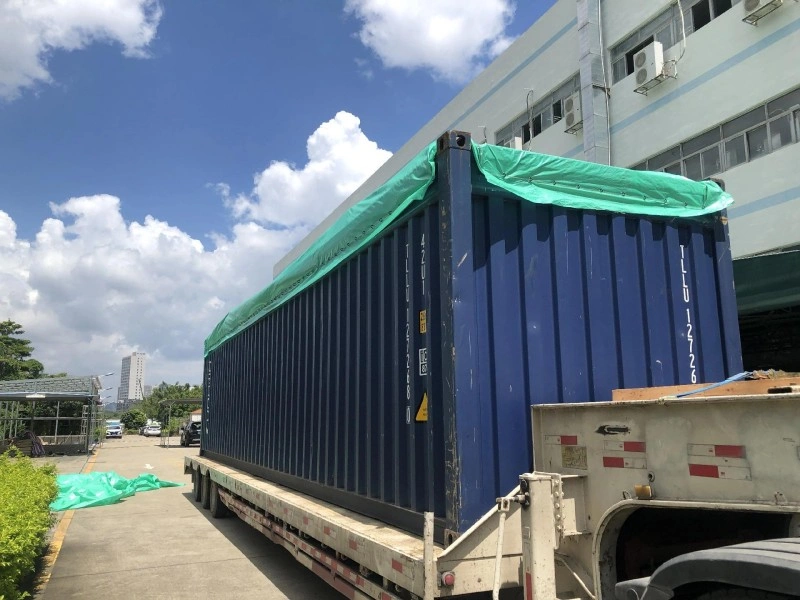
| Open Top Container | Top-loading method, crane access, cargo height, rain protection, securing review |
| Breakbulk Shipping | Heavy lift plan, vessel loading method, cargo support, storage, and handling sequence |
| Ro-Ro Transport | Ramp access, cargo mobility, trailer suitability, and height/weight restrictions |
| Heavy Lift Vessel | Port crane or vessel gear capacity, lifting plan, berth availability, and early booking |
| Multi-Modal Transport | Interface between road, port, sea, and destination terminal requirements |
Common Port Compliance Delays for Oversized Industrial Equipment
Several shipping types involve some different port processes.
| Delay Cause | Possible Result | Prevention Method |
| Late OOG Submission | Carrier cannot approve cargo in time | Submit cargo data before booking confirmation |
| Incorrect Dimensions | Vessel or terminal plan must be revised | Verify measurements before port delivery |
| Missing Gross Weight | Crane and stowage planning delayed | Confirm actual cargo weight early |
| No Lifting Plan | Terminal may refuse heavy lift handling | Prepare lifting details before arrival |
| No Lashing Plan | Cargo may need rework before loading | Plan securing method in advance |
| Missed Appointment | Truck waits or cargo misses cut-off | Track terminal entry window carefully |
| Undeclared Hazardous Component | Safety review or cargo hold | Check batteries, fluids, residues, or chemicals early |
| Storage Space Not Reserved | Cargo may be delayed or relocated | Confirm yard space before arrival |
Port Compliance Workflow for Oversized Industrial Equipment
The major cause of delays are the gaps in preparation and not congestion at the end.
| Workflow Step | Main Action | Output |
| Cargo Assessment | Confirm dimensions, weight, lifting points, tie-down points, and cargo photos | Verified cargo profile |
| Shipping Method Review | Choose flat rack, open top, breakbulk, Ro-Ro, or heavy lift option | Transport mode decision |
| Port Requirement Check | Review terminal entry, handling, storage, and cut-off rules | Port compliance checklist |
| Carrier Approval | Submit OOG data, cargo drawings, photos, and special handling details | Carrier acceptance confirmation |
| Lifting Review | Confirm crane capacity, lifting method, and rigging needs | Lifting plan |
| Securing Review | Prepare lashing, blocking, bracing, and inspection requirements | Securing plan |
| Documentation Preparation | Align packing list, invoice, OOG declaration, VGM, and permits | Document package |
| Terminal Appointment | Book gate entry and delivery window | Port entry schedule |
| Cargo Delivery | Move cargo to terminal according to approved plan | Gate entry record |
| Final Inspection | Check cargo condition and securing before loading | Port handling record |
| Vessel Loading | Complete loading according to carrier and terminal requirements | Shipment execution record |
Common Mistakes in Port Planning for Oversized Cargo
Even seasoned teams can fall victim to these challenges:
- Mailing shipments before they are approved.
- Using approximate not actual measurements or weights
- Not preparing for lashing and lifting until after arrival at a port
- Failing to account for differences between ports.
- Lack of cut-off times or lack of weather protection needs
| Mistake | Better Practice |
| Delivering cargo before approval | Confirm terminal and carrier acceptance before port entry |
| Using estimated dimensions | Measure cargo after packing and support installation |
| Not verifying weight | Use confirmed gross weight for lifting and stowage planning |
| Late lashing planning | Prepare securing plan before terminal arrival |
| Assuming port capability | Check crane, yard, storage, and handling capacity in advance |
| Ignoring cut-off time | Align inland delivery with vessel schedule and terminal appointment |
| Weak weather protection | Prepare waterproofing, anti-rust treatment, or covering as needed |
| Undeclared regulated components | Check batteries, oils, residues, and MSDS requirements early |
How to Choose a Logistics Partner for Port-Compliant Oversized Equipment Shipping
Seek partner with proven experience executing full engineering logistics, carrier coordination and OOG port operations. The appropriate personnel plans for the lifting and lashing and prepares the appropriate documentation for the lift well in advance with anticipation of terminal requirements.
| Logistics Capability | Why It Matters |
| OOG Port Experience | Helps anticipate terminal approval and handling requirements |
| Cargo Survey Capability | Ensures port data is based on verified dimensions and weight |
| Carrier Coordination | Supports early approval for unusual cargo |
| Terminal Communication | Reduces gate, yard, storage, and loading issues |
| Shipping Method Knowledge | Helps choose flat rack, open top, breakbulk, Ro-Ro, or heavy lift options |
| Lifting and Rigging Awareness | Supports safe port handling preparation |
| Lashing Expertise | Reduces rework and vessel acceptance risk |
| Documentation Control | Keeps OOG declaration, VGM, packing list, permits, and photos consistent |
| Storage Planning | Protects cargo from weather, congestion, and extra charges |
| Schedule Control | Aligns inland transport, port cut-off, and vessel loading |
Conclusion — Port Compliance Starts Before Cargo Reaches the Terminal
The efficient movement of oversized industrial equipment through ports only happens if cargo information, terminal rules, lifting techniques, securing plans and vessel schedules are well synchronized before arrival. Project teams who anticipate and tackle port-specific requirements for oversized industrial equipment reduce the risk of equipment being rejected, limit storage fees, prevent rework, and prevent cargo and project delays.
Port compliance must not be a last minute checklist; it provides measurable reliability for industrial exporters, EPC contractors and factory relocation projects. When shipments are complex OOG, thorough preparation at each phase makes them predictable and successful.