
There are many moving parts in oversized cargo transport, including the logistics of detailed cargo surveys and plans, permits, crane and trailer coordination, port appointments, and customs clearance. Project management software optimizes the efficiency of oversized cargo transport processes, making them more visible, trackable and coordinated. It allows logistics teams to manage on-site execution, risk controls, permits, routes, schedules, and cargo data more accurately and proactively.
The majority of companies think delays in the oversized cargo projects are principally caused by trucks, vessels or customs. In practice, problems frequently begin to occur earlier when the measurements are not aligned, responsibilities are not clear, permits are not timely, and there is lack of communication amongst the stakeholders. The project management software is not a substitute for professional logistics judgment, but it can greatly facilitate and prompt decision-making by providing project data, schedules, risk information, and responsibility information, making it easier to track and manage. This digital aid can help minimise surprises and cost overruns when dealing with heavy equipment and OOG shipments.
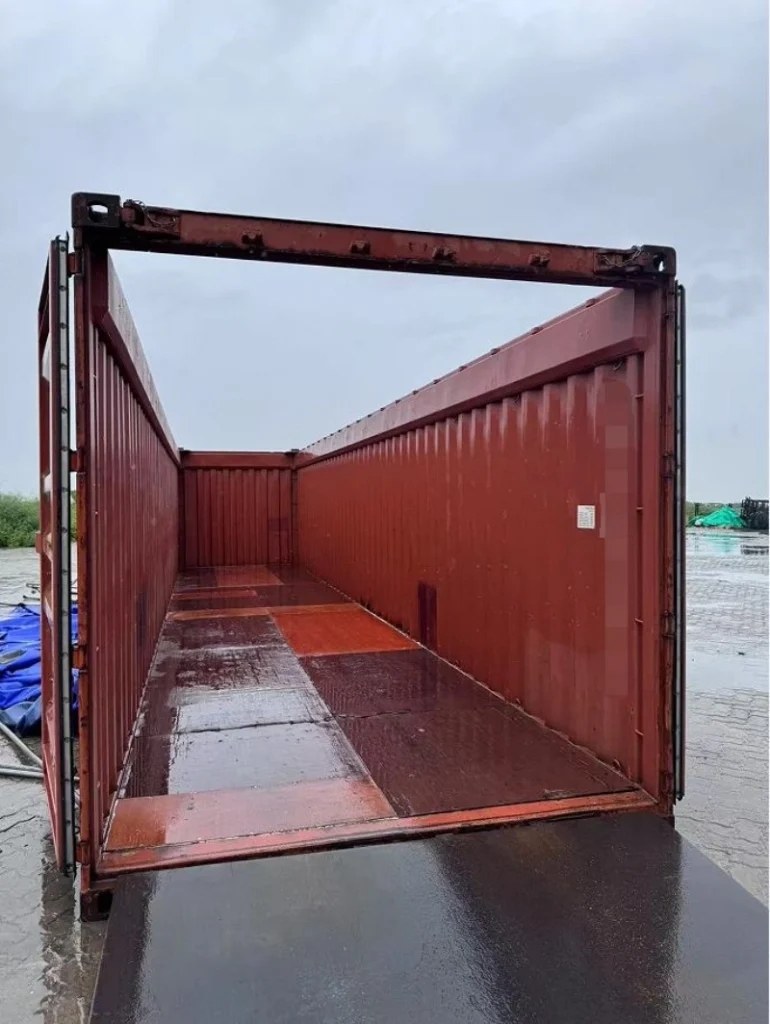
Why Oversized Cargo Transport Needs Project Management Software
Oversized and overweight shipping is more than just a normal freight booking. It’s a full-scale project, involving lots of coordination — technical data, regulatory approval, equipment, and teams in multiple locations and time zones.
Engineering logistics project management safeguards that all facets of your project – from the route survey through to permits, lifting plans and other contractors – are visible and accounted for engineering logistics project management helps keep every phase visible and accountable. Project management software brings structure to what can otherwise become chaotic manual coordination.
| Challenge in Oversized Cargo Transport | How Project Management Software Helps |
| Multiple teams involved | Centralizes communication and task ownership |
| Complex cargo data | Stores dimensions, weight, drawings, photos, and handling notes |
| Permit deadlines | Tracks approval status and required documents |
| Route restrictions | Organizes survey findings and clearance limitations |
| Loading coordination | Aligns cranes, trailers, drivers, and loading teams |
| Documentation control | Keeps permits, packing lists, cargo photos, and inspection records organized |
| Schedule changes | Makes timeline adjustments visible to all stakeholders |
Key Functions of Project Management Software in Oversized Cargo Transport
Many stakeholders are typically involved in oversized cargo projects, and miscommunication can easily lead to delays, rework or even safety hazards.
Software is the single source of truth that ensures everyone is on the same page from the cargo owner to on-site lashing teams.
| Software Function | Practical Use in Oversized Cargo Transport |
| Task Management | Assigns responsibilities for surveys, permits, loading, customs, and delivery |
| Timeline Tracking | Shows key milestones such as survey completion, permit approval, loading date, vessel ETD, and final delivery |
| Document Control | Stores cargo drawings, permits, packing lists, MSDS, insurance files, and customs documents |
| Cargo Data Management | Keeps weight, dimensions, lifting points, center of gravity, and handling instructions in one place |
| Communication Log | Records decisions, updates, and approvals between teams |
| Risk Register | Tracks route risks, weather risks, cargo damage risks, and contingency measures |
| Field Reporting | Allows on-site teams to upload photos, inspection results, and loading updates |
| Client Dashboard | Helps clients monitor project progress without relying only on emails |
How Software Improves Scheduling and Milestone Control
In oversized cargo transport, timing plays an important role as each action relies on the proper completion of the preceding one. If something is delayed in one segment, it will follow through the rest of the project.
Project management software enables teams to plan and track interdependent project milestones, alerting them to possible areas of conflict early on so as to make changes before they affect costs or schedule.
Milestone
| Milestone | Why It Must Be Tracked Carefully |
| Cargo Readiness | Determines when pickup, packing, and loading can begin |
| Route Survey Completion | Confirms whether the planned transport route is feasible |
| Permit Approval | Affects road transport timing and legal compliance |
| Trailer and Crane Booking | Prevents equipment shortages or last-minute cost increases |
| Port Entry Appointment | Reduces waiting time and terminal disruption |
| Vessel Cut-Off | Ensures cargo arrives before loading deadlines |
| Customs Clearance | Prevents export delays and documentation problems |
| Final Delivery | Coordinates unloading equipment and receiving site readiness |
Improving Communication Between Multiple Stakeholders
Many stakeholders are typically involved in oversized cargo projects, and miscommunication can easily lead to delays, rework or even safety hazards.
Software is the single source of truth that ensures everyone is on the same page from the cargo owner to on-site lashing teams.
| Stakeholder | Information They Need |
| Cargo Owner | Schedule, transport plan, risk updates, and delivery progress |
| Factory Team | Pickup time, loading requirements, site access, and packing readiness |
| Survey Team | Cargo drawings, dimensions, lifting points, and route constraints |
| Trucking Provider | Cargo weight, route plan, permits, and loading schedule |
| Crane Operator | Lifting plan, cargo center of gravity, and site conditions |
| Lashing Team | Cargo securing method, container type, and inspection requirements |
| Port / Terminal | Arrival time, cargo dimensions, lifting requirements, and booking details |
| Customs Broker | Commercial invoice, packing list, HS code, and export documents |
| Shipping Line | Cargo dimensions, weight, OOG details, and special handling requirements |
Document Management for Oversized Cargo Projects
Document control is an important aspect of engineering logistics since lost or incorrect records might lead to permit delays, customs delays, port delays, insurance claims delays, etc.
Project management software is a secure, version-controlled storage system where the proper documents are always accessible to the appropriate people at the appropriate time.
| Document Type | Why It Matters |
| Cargo Drawings | Help confirm dimensions, weight, lifting points, and handling requirements |
| Packing List | Supports customs, shipping, and cargo identification |
| Cargo Photos | Provide visual reference before, during, and after transport |
| Transport Permits | Prove road movement authorization for oversized cargo |
| Route Survey Report | Confirms road, bridge, tunnel, and clearance conditions |
| Lifting Plan | Reduces risk during crane loading and unloading |
| Lashing Plan | Helps secure cargo safely during inland and ocean transport |
| Insurance Documents | Support risk coverage and claim handling if damage occurs |
| Inspection Records | Create accountability and quality control evidence |
Risk Tracking and Early Warning in Engineering Logistics Projects
Project management software can help teams prevent risks becoming operational failures.
Having a separate risk register allows logistics teams to record, track and assign potential route, weather, equipment and documentation challenges, as well as the owners and the steps and timelines for mitigating the risk.
| Risk Type | Early Warning Signal | Possible Preventive Action |
| Permit Delay | Approval status remains pending near pickup date | Start permit application earlier and prepare alternative schedule |
| Route Restriction | Bridge, tunnel, or road limit conflicts with cargo size | Conduct route survey and prepare backup route |
| Equipment Shortage | Crane or lowbed trailer not confirmed | Reserve equipment early and confirm availability in writing |
| Cargo Damage Risk | Unclear lifting points or lashing method | Review drawings, photos, center of gravity, and securing plan |
| Weather Delay | Heavy rain, typhoon, snow, or high winds forecast | Adjust loading schedule or add protective measures |
| Port Congestion | Terminal appointment unavailable or delayed | Coordinate port arrival window earlier |
| Documentation Error | Missing HS code, permit, or packing details | Use a document checklist before shipment execution |
How Software Supports On-Site Execution and Field Updates
It is not possible to manage oversized cargo transport only from the office. Field teams must provide up-to-the-minute data on the condition of the factories, loading locations, ports and delivery.
Mobile project management applications enable field workers to upload photos, share real-time status updates and report on what is happening on site, bridging the gap between planning and on-site execution.
| Field Update | Why It Helps Project Control |
| Cargo Photo Before Loading | Creates a baseline condition record |
| Trailer Arrival Confirmation | Confirms schedule execution |
| Loading Progress Update | Helps teams respond if loading takes longer than planned |
| Lashing Inspection Photo | Supports safety verification and insurance evidence |
| Port Arrival Confirmation | Tracks whether cargo meets cut-off time |
| Customs Status Update | Identifies clearance issues early |
| Delivery and Unloading Report | Confirms final completion and cargo condition |
Project Management Software vs Manual Coordination
Emails, spreadsheets and messaging apps can still be effective, but they can pose a risk when multiple phases are involved, when multiple contractors are involved, and when multiple compliance requirements are involved – with oversized cargo projects.
| Coordination Method | Strengths | Limitations |
| Good for formal communication and records | Hard to track real-time status across many tasks | |
| Spreadsheets | Useful for lists and basic schedules | Version control problems and limited accountability |
| Messaging Apps | Fast for urgent updates | Information can become scattered or difficult to retrieve |
| Project Management Software | Centralizes tasks, documents, milestones, and responsibility | Requires disciplined data entry and team adoption |
| Integrated Logistics Platform | Connects tracking, documents, and workflow visibility | May require customization for complex project cargo |
What to Look for in Project Management Software for Oversized Cargo
Not all project management tools work for all large-scale cargo transport projects. The optimum system should facilitate logistics workflows, document control, multi-party coordination, field reporting and tracking of milestones.
| Software Feature | Why It Matters for Oversized Cargo |
| Custom Project Workflow | Matches survey, permit, loading, shipping, and delivery stages |
| Document Version Control | Prevents teams from using outdated drawings or permits |
| Task Ownership | Clarifies who is responsible for each action |
| Milestone Tracking | Helps monitor schedule-critical deadlines |
| Mobile Field Access | Allows on-site teams to report updates quickly |
| Photo and Inspection Uploads | Supports safety records and cargo condition evidence |
| Risk Register | Keeps project risks visible and assigned |
| Permission Settings | Controls access for clients, contractors, and internal teams |
| Reporting Dashboard | Gives clients and managers clear project visibility |
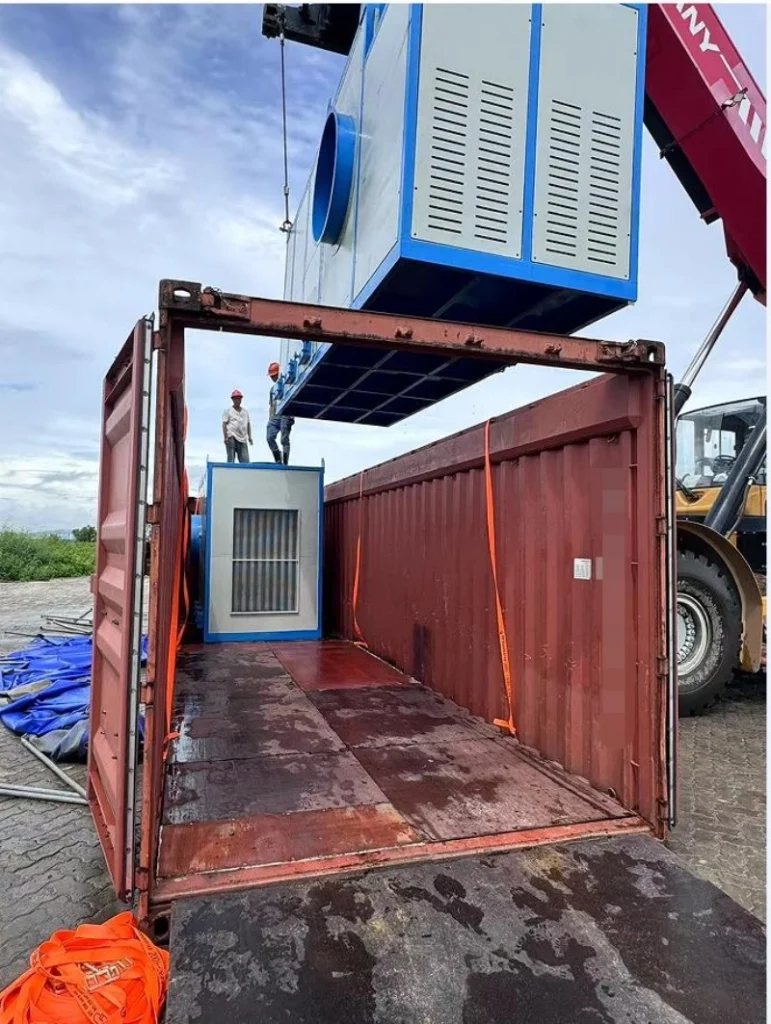
Practical Example: Managing an Oversized Machinery Shipment Digitally
Imagine a customer that has too large of an industrial machine and wants to have it transported from a manufacturing plant to the construction site abroad. The project includes the following activities: factory pickup, route survey, lowbed trailer booking, crane loading, port handling, flat rack shipping, customs documents, and destination delivery.
The team can have full visibility with project management software for oversized cargo transport:
| Project Stage | Software-Supported Action |
| Initial Planning | Store cargo dimensions, drawings, and transport requirements |
| Route Survey | Upload road restriction notes and clearance data |
| Equipment Booking | Assign tasks for trailer, crane, and lashing team confirmation |
| Loading Day | Upload photos, inspection notes, and on-site status updates |
| Port Handling | Track terminal appointment and shipping cut-off |
| Export Documents | Manage commercial invoice, packing list, permits, and insurance |
| Final Delivery | Record unloading status and cargo condition report |
Common Mistakes When Using Software for Oversized Cargo Projects
The use of good tools goes hand-in-hand with the results that teams can achieve. Some common challenges that we encounter in project cargo coordination are:
| Mistake | Better Practice |
| Treating software as a simple checklist | Use it to manage milestones, risks, documents, and responsibilities |
| Not updating field status | Require on-site teams to upload photos and progress reports |
| Poor document version control | Clearly label approved drawings, permits, and plans |
| No task owner assigned | Assign each action to a responsible person or team |
| Ignoring dependencies | Link permits, route approval, equipment booking, and shipping deadlines |
| Too much uncontrolled access | Set permission levels for clients, contractors, and internal teams |
| Over-relying on software | Combine digital tools with experienced logistics judgment |
Conclusion — Software Improves Visibility, but Planning Still Drives Success
Project management software helps to optimize oversized cargo transport by providing better visibility, coordination, documentation, and risk management. This is particularly useful for big engineering logistics projects with multiple teams and stages working collaboratively. Best results are achieved when digital tools are supplemented by precise cargo assessment, route engineering, permit management, supervision in the field and proven project logistics coordination.
A perfect way to make the oversized cargo transport predictable is through the project management software, but this is not a technical planning. The most effective outcomes are achieved when digital visibility is complemented by precise cargo measurement, route engineering, permit management, field management and experienced project logistics coordination.