
When an item of industrial equipment is valued at high dollar, there are considerable financial, operational and technical risk factors that can cause harm, delay or safety issues if not handled properly. Risk assessment for industrial equipment moves is critical as it allows logistics staff to systematically detect any potential issues, assess the risk and impact of these issues, and put them under control before the equipment moves the load off the ground.
A structured risk assessment methodology supports logistics teams in identifying, assessing, prioritizing and mitigating the risks involved, ensuring that the transport of high-value industrial equipment is safe, predictable and accountable. Risk assessment on high value industrial equipment does not have to be a piece of paperwork, it’s a practical decision making process that influences the route design, loading technique, loading protection, equipment choice, insurance and contingency planning. While many owners are interested primarily in the freight cost and delivery date, in high-dollar moves of equipment, the more critical aspect of the equation is whether the equipment can be safely, legally and without impacting project schedules.
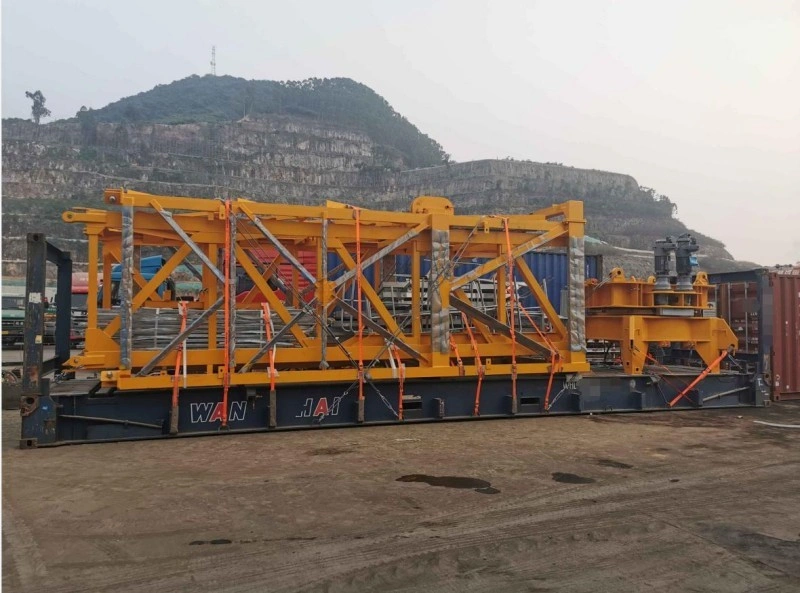
What Is a Risk Assessment Framework for Industrial Equipment Moves?
A risk assessment framework for industrial equipment moves is a systematic process of identifying, ranking and control before performing transport operations. It offers a complete overview of the entire process, from factory loading to final installation.
For project cargo involving oversized dimensions, sensitive components, and strict delivery schedules, effective risk management in engineering logistics and contingency control processes before the project is carried out for project cargo that is oversized in dimension, sensitive in content and has strict delivery requirements.
Some of the major risks are cargo related risks, route and infrastructure related risks, loading and unloading risks, equipment and vehicle risks, regulatory and documentation risks, weather and environmental risks, schedule and coordination risks and financial and insurance risks.
| Framework Element | What It Evaluates | Why It Matters |
| Cargo Risk | Dimensions, weight, value, fragility, center of gravity, lifting points | Determines handling and protection requirements |
| Route Risk | Road width, bridge capacity, turning radius, overhead clearance | Confirms whether the planned route is feasible |
| Handling Risk | Crane selection, lifting method, rigging plan, site conditions | Reduces loading and unloading accidents |
| Securing Risk | Lashing points, blocking, bracing, load distribution | Prevents cargo shifting and transport damage |
| Compliance Risk | Permits, customs, road regulations, port rules | Avoids legal delays and penalties |
| Environmental Risk | Rain, humidity, salt air, vibration, temperature exposure | Protects sensitive or corrosion-prone equipment |
| Schedule Risk | Lead time, equipment availability, port cut-offs, contractor coordination | Prevents project delays and cost escalation |
Why High-Value Industrial Equipment Requires Early Risk Assessment
Risk assessment should be started as early as possible, depending on the value of the equipment, technical sensitivity, or production importance. Delays in booking transport can often result in limited mitigation options.
| Reason for Early Assessment | Practical Impact |
| High Equipment Value | Reduces financial exposure from damage or loss |
| Production Dependency | Avoids delays that may affect installation or plant start-up |
| Sensitive Components | Supports vibration, moisture, and shock protection planning |
| Oversized Dimensions | Allows time for permits, route surveys, and special transport equipment |
| Complex Handling | Helps plan lifting points, crane selection, and rigging methods |
| Insurance Requirements | Provides documentation for coverage and claim support |
| Multi-Party Coordination | Gives all contractors clear responsibilities before execution |
Key Risk Categories in High-Value Equipment Moves
Risk assessment should be done for the entire transport process, rather than just the road movement or ocean transport. Risks can be sorted into the categories at an early stage, so that they can be dealt with proactively from beginning to end.
| Risk Category | Typical Problem | Possible Consequence |
| Cargo Data Risk | Incorrect weight, dimensions, or center of gravity | Wrong trailer, crane, or lashing plan |
| Lifting Risk | Unclear lifting points or unbalanced load | Equipment damage or safety incident |
| Transport Equipment Risk | Trailer or flat rack not suitable for load | Overloading, instability, or delays |
| Route Risk | Bridge limits, road width, or height restrictions ignored | Route change, permit rejection, or delay |
| Securing Risk | Inadequate lashing, blocking, or bracing | Cargo shifting, deformation, or damage |
| Environmental Risk | Moisture, rain, salt air, or vibration exposure | Corrosion, electrical damage, or surface degradation |
| Compliance Risk | Missing permits or customs documents | Fines, cargo hold, or shipment delay |
| Schedule Risk | Poor coordination between teams | Missed vessel cut-off or project downtime |
Step-by-Step Risk Assessment Framework
There must be a practical framework that progress from identification, evaluation, mitigation, execution, and review. These steps will make sure that nothing is missed.
| Step | What to Do | Output |
| Collect Cargo Data | Gather drawings, photos, dimensions, weight, value, lifting points, and handling notes | Verified cargo profile |
| Conduct Survey | Inspect factory site, loading area, cargo condition, and access roads | Survey report |
| Identify Constraints | Review route limits, permits, port requirements, and handling restrictions | Risk list |
| Evaluate Risks | Rank probability and impact for each risk | Risk priority matrix |
| Define Controls | Plan lashing, packing, route changes, equipment selection, and weather protection | Risk mitigation plan |
| Assign Responsibility | Clarify who handles permits, loading, transport, documentation, and supervision | Responsibility matrix |
| Prepare Contingencies | Plan backup routes, equipment alternatives, and emergency contacts | Contingency plan |
| Monitor Execution | Track loading, transit, port handling, and delivery status | Field update records |
| Review Outcome | Compare planned vs actual performance after delivery | Lessons learned report |
How to Evaluate Risk Probability and Impact
Some risks are more serious than others. A structured matrix can assist teams to determine which risks should be addressed first and which risks can be tracked.
| Risk Level | Example | Recommended Action |
| Low | Minor schedule change with available buffer | Monitor and document |
| Medium | Weather may affect loading date | Prepare backup schedule or protective covering |
| High | Permit approval not confirmed before pickup | Escalate and delay execution if needed |
| Critical | Cargo center of gravity unknown before lifting | Stop lifting plan until verified |
Do not take risks lightly, especially those which are critical, just to keep to a deadline. Probability + impact equals better decision making.
Cargo Survey and Technical Data Checklist
The key to risk assessment is accurate cargo data. Poor data results in poor transport decisions and increased risk of incidents.
| Data to Collect | Why It Matters |
| Length, Width, Height | Confirms OOG status and route clearance requirements |
| Gross Weight | Determines trailer, crane, flat rack, or lifting equipment capacity |
| Center of Gravity | Affects lifting safety and load stability |
| Lifting Points | Supports safe crane and rigging planning |
| Tie-Down Points | Helps design lashing and securing methods |
| Support Points | Prevents deformation during transport |
| Sensitive Components | Guides shock, vibration, and protective packaging decisions |
| Surface Finish | Determines wrapping, covering, or anti-scratch protection |
| Moisture Sensitivity | Supports anti-rust, desiccant, vacuum packing, or sealing decisions |
| Cargo Photos | Creates visual reference for planning and condition records |
Route, Permit, and Infrastructure Risk Assessment
If you have expensive equipment, a safe route isn’t always the shortest route. For loads that are too large, detailed surveys are essential.
| Route Factor | Risk If Ignored | Control Measure |
| Bridge Capacity | Overload risk or permit rejection | Verify bridge limits and use approved route |
| Overhead Clearance | Collision with wires, signs, or structures | Conduct route survey and measure clearance |
| Turning Radius | Trailer may be unable to pass safely | Simulate turning points or select alternative route |
| Road Width | Cargo may block traffic or become unstable | Plan escort vehicles and permitted transport windows |
| Road Surface | Shock, vibration, or instability | Select suitable trailer and reduce speed where needed |
| Port Entry Rules | Cargo may be refused or delayed | Confirm terminal restrictions before arrival |
| Site Access | Unloading may not be possible | Survey destination access and crane positioning area |
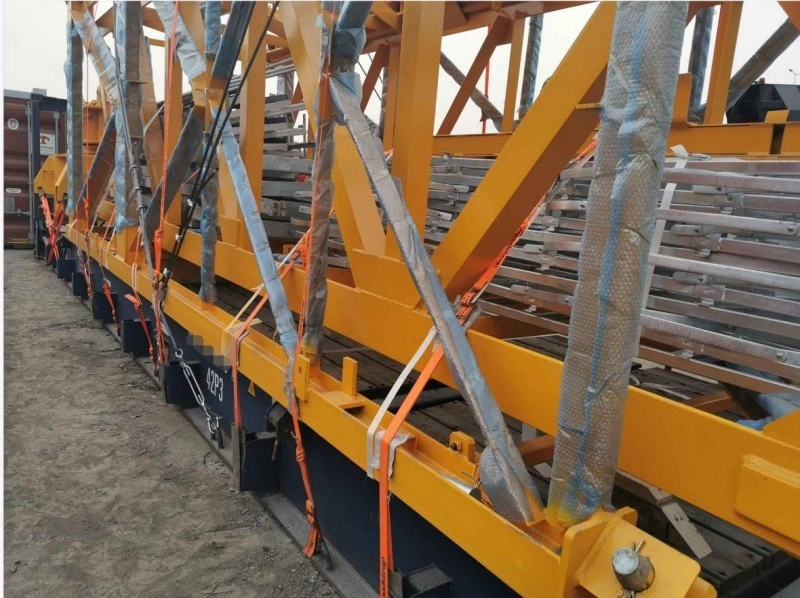
Lifting, Loading, and Cargo Securing Risk Controls
Many serious incidents occur during the lifting, loading and securing process, not just in long haul transport. Here, it is essential to plan thoroughly.
| Control Area | What to Check | Why It Matters |
| Crane Selection | Capacity, radius, ground condition, lifting plan | Prevents overload and unsafe lifting |
| Rigging Method | Slings, shackles, spreader beams, lifting points | Protects equipment structure |
| Load Distribution | Axle load, flat rack load limit, support points | Prevents instability or structural stress |
| Lashing Design | Lashing points, angles, tension, material strength | Prevents cargo movement during transit |
| Blocking and Bracing | Timber, steel supports, wedges, anti-slip pads | Reduces shifting and vibration |
| Final Inspection | Photos, checklist, supervisor approval | Confirms readiness before movement |
Environmental and Storage Risks for High-Value Equipment
Corrosion, moisture, vibration, dust, temperature fluctuation and long storage periods can be a problem on industrial equipment, particularly during ocean voyages or extended holding.
| Environmental Risk | Possible Damage | Preventive Measure |
| Rain Exposure | Surface corrosion or electrical damage | Waterproof covering and sealed packaging |
| Humidity | Rust, mold, or internal condensation | Desiccants, vapor barrier, or vacuum sealing |
| Salt Air | Accelerated corrosion during ocean shipping | Anti-rust treatment and marine-grade protection |
| Vibration | Misalignment or component fatigue | Shock-absorbing supports and secure bracing |
| Dust | Contamination of precision surfaces | Protective wrapping and sealed covers |
| Long Storage | Degradation before installation | Periodic inspection and storage condition control |
Documentation, Insurance, and Compliance Risk Control
Documentation is not merely administrative; it’s also a component of risk control. Smooth operations and the evidence in case of problems are provided by the complete records.
| Document | Risk Controlled |
| Cargo Drawings | Prevents incorrect handling or equipment selection |
| Packing List | Supports cargo identification and customs clearance |
| Route Permit | Confirms legal road movement |
| Lifting Plan | Reduces loading and unloading risk |
| Lashing Plan | Supports safe securing and inspection |
| Insurance Policy | Defines coverage scope and claim procedure |
| Inspection Photos | Provides evidence of cargo condition |
| Customs Documents | Reduces clearance delays |
| Delivery Report | Confirms final condition and project closure |
Common Mistakes in Risk Assessment for Equipment Moves
No team is immune from committing to the pitfalls that can jeopardize a project’s success. Avoiding them is the key, and knowing what they are helps.
| Mistake | Better Practice |
| Relying on estimated cargo data | Verify dimensions, weight, lifting points, and center of gravity |
| Choosing the shortest route | Select the safest approved route based on survey results |
| Ignoring unloading site conditions | Check crane access, ground condition, and site restrictions |
| Using generic lashing methods | Design securing based on cargo weight, shape, and transport mode |
| Starting permits too late | Apply early and track approval status |
| Skipping condition photos | Record cargo condition before, during, and after transport |
| Depending only on insurance | Use insurance as backup, not as a substitute for risk prevention |
Conclusion — Risk Assessment Makes High-Value Equipment Moves More Predictable
Risks to high value industrial equipment moves must be assessed in a structured manner prior to moving. A practical risk framework assesses cargo data, route feasibility, lifting plans and securing methods, environmental exposure, documentation, insurance and contingency planning.
The objective is to identify and control potential risks that can be foreseen and will impact safety, cost, and/or schedule. The optimal results achieve a balance of technical cargo knowledge, field survey experience, transport planning, and disciplined project control. Moving large equipment to a new location is more than just getting the right vehicle or freight booked. It demands a clear awareness of what can go wrong, the possible severity of each risk and what controls should be in place prior to the cargo being moved. A structured risk assessment program ensures project teams have visibility and discipline to safeguard valuable equipment and maintain complex logistics projects on schedule.