
One of the most difficult aspects of OOG logistics for industrial exporters, heavy equipment manufacturers, and project cargo managers is logistics lead time accuracy. Many external factors and multiple steps are required for oversized cargo that have to work in harmony before it even arrives at the port – compared to regular container freight. Logistics companies that specialize in OOG logistics reduce risk during the planning phase by addressing every challenge using the latest technology to measure cargo accurately, survey a route, apply for any permits, reserve equipment and coordinate the entire chain, instead of making optimistic assumptions.
OOG logistics involves more than just estimating sailing duration between two ports; it is about disciplined pre-ship planning and milestone control that brings the accuracy of lead time. While vessel schedule is a primary factor in OOG lead time, other components like road permits, route restrictions, crane availability, port handling, carrier approval, customs clearance and final site readiness are also as critical as the ocean transit time. This means more predictable ETA, less expensive catch-22s and a smoother project execution for everyone.
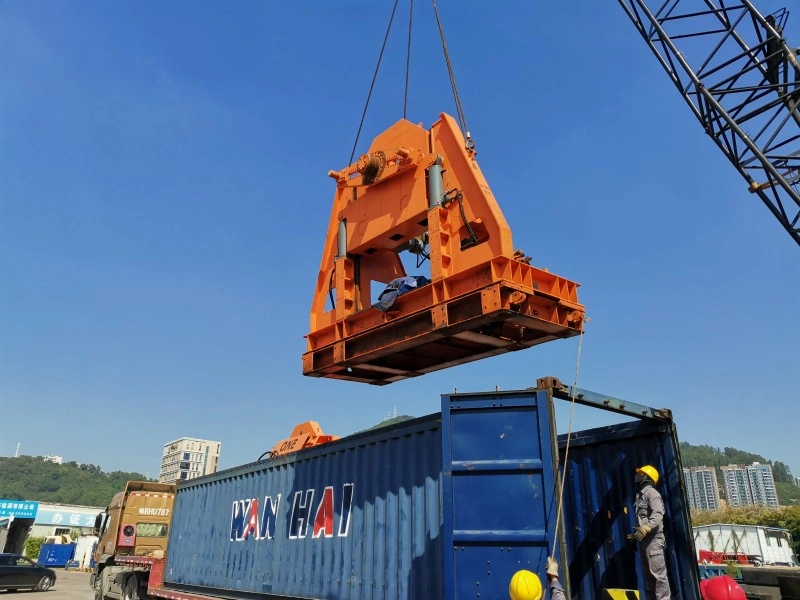
Why Lead Time Accuracy Is Difficult in OOG Logistics
In OOG logistics, lead time accuracy is hard to achieve since the cargo is too large and does not follow a standard and predictable process for handling freight. Each shipment has its own physical and regulatory requirements that add variables at almost every point in the shipment’s trip.
Small oversights can quickly compound and lead to bigger delays, given that some products are extremely tall, heavy, and oddly shaped, and that they require specialized handling. Let’s take a look at the top issues:
| Lead Time Challenge | Why It Affects OOG Delivery Accuracy |
| Oversized Dimensions | Cargo may require special routes, permits, and port handling |
| Heavy Weight | Trailer, crane, axle load, and bridge review may take more time |
| Special Equipment | Lowbed, modular trailer, crane, or flat rack availability must be confirmed |
| Permit Approval | Movement may depend on authority review and time windows |
| Escort Requirements | Pilot cars or traffic control must be scheduled |
| Carrier Acceptance | Flat rack, open top, or breakbulk cargo may need approval |
| Port Handling | Terminal space, crane capacity, and cut-off times affect timing |
| Customs Clearance | Document errors or inspections can delay release |
| Weather Conditions | Rain, wind, storms, or snow may delay road or crane operations |
| Final Site Readiness | Delivery may be delayed if unloading equipment or access is not ready |
Knowing these factors early on enables shippers to have realistic expectations and collaborate with providers who take charge of them.
How Verified Cargo Data Improves Schedule Accuracy
To be able to make an accurate estimate of lead time for OOG cargo depends on accurate cargo information. The best of schedules can go down the drain once actual cargo arrives to load if there are no verified measurements and specifications.
Older carriers require a comprehensive cargo survey in order to accurately quote or book a transport, and they will not be happy until that is done. For large goods that require route permits, special trailers, carrier clearance and port clearance, efficient OOG logistics solutions must start with accurate cargo data and reasonable milestone planning. This one move takes away much of the guesswork that results in last minute changes and schedule slippage.
| Cargo Data | How It Improves Lead Time Accuracy |
| Verified Dimensions | Helps select transport method and avoid re-planning |
| Final Packed Size | Prevents mismatch after packaging changes |
| Gross Weight | Supports trailer, crane, route, and permit planning |
| Center of Gravity | Helps plan safe loading and avoid last-minute lifting issues |
| Lifting Points | Reduces uncertainty during crane loading and unloading |
| Support Points | Supports flat rack, trailer, or storage planning |
| Cargo Photos / Drawings | Speeds carrier, port, and customs review |
| Packaging Method | Helps estimate loading time and protection needs |
| Hazardous Components | Identifies documentation and carrier approval requirements early |
| Delivery Deadline | Helps build realistic milestones and contingency options |
Route Planning and Permit Control
One of the biggest causes of OOG shipment lead time uncertainty is route feasibility or the timing of the permit. A seemingly simple route on the map may have areas where a bridge clearance is insufficient or a road width limit, or construction work could make it impossible to access the area at all.
Professional providers carry out comprehensive route surveys, and submit applications for permits in advance, with leeway for review by authorities and possible changes.
| Route / Permit Factor | Schedule Impact |
| Route Survey | Identifies restrictions before cargo moves |
| Bridge Clearance | Prevents delays caused by over-height cargo blockage |
| Road Width | Confirms whether wide cargo can pass safely |
| Turning Radius | Reduces risk of route failure for long cargo |
| Axle Load Limits | Affects permit approval and trailer configuration |
| Overhead Obstacles | May require route adjustment or coordination |
| Road Construction | Can require detours or schedule changes |
| Movement Time Windows | Restricts when oversized cargo can move |
| Escort Scheduling | Delays may occur if escorts are not available |
| Alternative Route Planning | Reduces reaction time if the main route changes |
Transport Equipment Availability and Scheduling
Specialized equipment need to be booked in advance to avoid the disruption of transport schedule. Some of this equipment, such as lowbed trailers, ultra-low flatbeds, extendable trailers, modular trailers, cranes and rigging equipment, may not be readily available, particularly during busy project seasons.
Logistics providers who are looking ahead make realistic lead times a part of all quotations, and have strong relationships with equipment owners.
| Equipment / Resource | Why It Affects Lead Time |
| Lowbed Trailer | Needed for tall or heavy inland cargo movement |
| Ultra-Low Flatbed | May be required for over-height cargo and route clearance |
| Extendable Trailer | Needed for long machinery or steel structures |
| Modular Trailer | Requires planning time for extremely heavy or wide cargo |
| Crane | Loading or unloading schedule depends on crane availability |
| Rigging Gear | Incorrect or unavailable rigging may delay loading |
| Lashing Materials | Chains, straps, timber, and bracing must be prepared before loading |
| Flat Rack Container | OOG equipment availability may be limited |
| Open Top Container | Suitable units must be confirmed before booking |
| Heavy Lift Vessel Space | Requires early coordination and project cargo review |
Carrier, Port, and Terminal Coordination
For OOG cargo, formal acceptance by carriers, ports and terminals can take place well before the cargo is moved. Early submission of load plans, lashing plans and technical drawings helps to keep the schedule on track.
| Coordination Item | How It Improves Lead Time Accuracy |
| Carrier Approval | Confirms cargo can be accepted before booking is finalized |
| Load Plan Submission | Reduces risk of last-minute rejection |
| Lashing Plan Review | Supports carrier and port safety approval |
| Port Gate Confirmation | Prevents delay at terminal entry |
| Terminal Storage Planning | Confirms oversized cargo space before arrival |
| Crane Availability | Aligns cargo handling with loading schedule |
| Cut-Off Time Control | Reduces missed vessel risk |
| Destination Port Review | Prevents discharge and delivery delays after arrival |
| Vessel Schedule Monitoring | Helps manage roll-over or sailing changes early |
Documentation and Customs Readiness
Well-prepared, comprehensive documentation can significantly speed up clearance times. Completing accurate and comprehensive paperwork will enable pre-clearance (where possible) and will reduce inspection holds.
| Document / Customs Item | Schedule Benefit |
| Commercial Invoice | Supports customs value and transaction details |
| Packing List | Confirms dimensions, weight, package count, and packing method |
| HS Code | Reduces classification questions and customs delay |
| Bill of Lading Review | Prevents correction delays after vessel departure |
| Certificate of Origin | Supports destination customs requirements |
| Import Permit | Prevents arrival hold if required |
| Technical Specifications | Helps explain industrial equipment to customs or carrier |
| Cargo Photos / Drawings | Supports review of oversized or special cargo |
| DG Documents | Prevents delay if hazardous components are involved |
| Broker Pre-Check | Helps identify document gaps before cargo arrival |
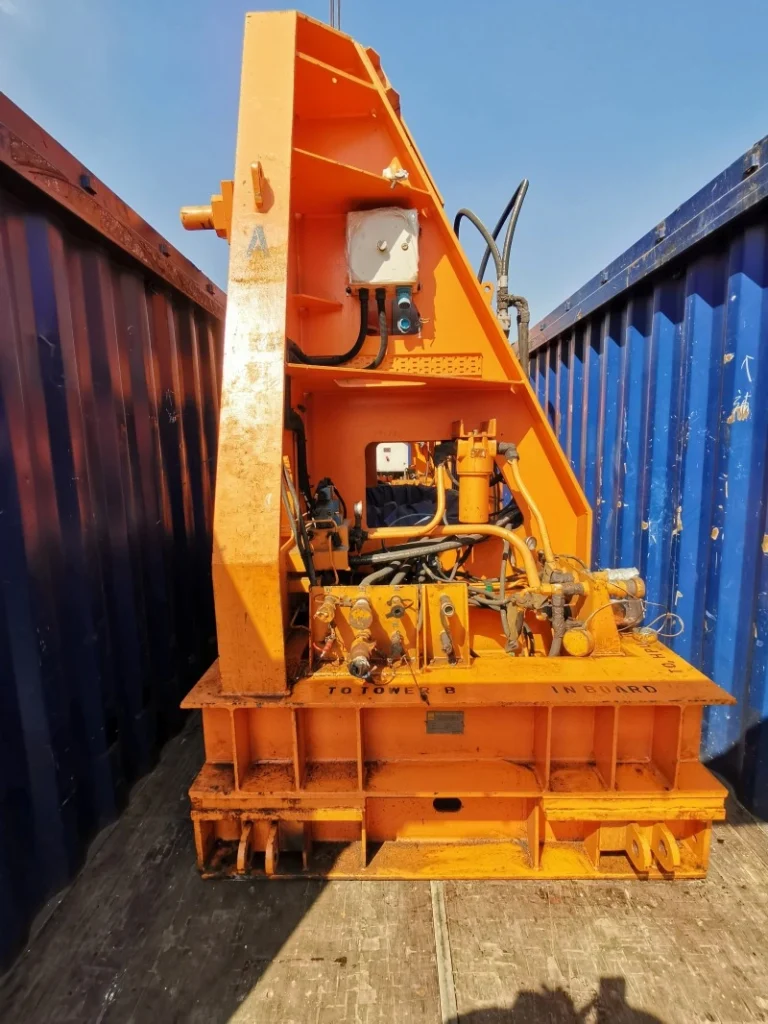
Milestone Tracking and Real-Time Visibility
The more accurate the lead time is, the more clearly defined the milestones are. Real-time visibility enables everyone to see potential problems and avoid them becoming major delays.
| Milestone | Why It Matters |
| Cargo Ready Date | Determines when pickup and booking can proceed |
| Pickup Time | Starts the inland transport timeline |
| Loading Completion | Confirms cargo is secured and ready to move |
| Permit Approval | Confirms road movement can legally begin |
| Port Arrival | Helps manage gate-in and cut-off timing |
| Gate-In Time | Confirms cargo entered terminal before deadline |
| Vessel Departure | Starts sea transit timeline |
| Destination Arrival | Triggers customs, discharge, and final delivery planning |
| Customs Release | Determines when cargo can leave port |
| Final Delivery | Confirms schedule performance and project readiness |
| GPS Updates | Provide inland visibility and exception detection |
| ETA Revision | Keeps stakeholders aligned when timing changes |
How Contingency Planning Improves Lead Time Reliability
Contingency planning does not remove all potential delays but ensures that the team can react very quickly with minimised impact if delays are experienced.
| Contingency Area | Lead Time Benefit |
| Backup Route | Reduces downtime if road restrictions or closures occur |
| Backup Equipment | Limits delay from trailer or crane breakdown |
| Alternative Sailing | Helps respond to missed cut-off or vessel roll-over |
| Emergency Storage | Provides safe waiting option during disruption |
| Weather Plan | Supports safer timing and faster rescheduling |
| Customs Response | Helps resolve document or inspection delays |
| Permit Escalation | Speeds clarification when approval is delayed |
| Port Congestion Plan | Helps adjust arrival timing and storage strategy |
| Communication Chain | Reduces decision delays during urgent changes |
How OOG Providers Build Realistic Lead Time Estimates
Realistic lead time estimates are built up layer by layer based on the entire transport chain and not just an ocean transit. Each component has its own historical-based practical buffer added by the provider.
| Lead Time Component | What Should Be Considered |
| Cargo Readiness | Factory completion, inspection, and packing status |
| Survey and Measurement | Time needed to verify cargo data |
| Packaging | Wooden crate, vacuum sealing, anti-rust, or protection work |
| Permit Application | Authority review and movement window approval |
| Equipment Booking | Specialized trailer, crane, flat rack, or vessel availability |
| Loading | Crane setup, rigging, securing, and inspection time |
| Inland Transport | Route distance, escort, road restrictions, and movement speed |
| Port Handling | Gate entry, storage, crane, and cut-off timing |
| Carrier Approval | Load plan, lashing plan, and OOG acceptance review |
| Sea Transit | Vessel schedule, transshipment, and weather risk |
| Customs Clearance | Document quality, inspection risk, and broker preparation |
| Final Delivery | Destination route, site readiness, and unloading equipment |
Common Causes of Lead Time Inaccuracy in OOG Shipments
Avoidable planning gaps is a common source of many schedule problems. Awareness of these common pitfalls can help shippers and providers avoid them.
| Cause | Possible Schedule Result |
| Estimated Cargo Data | Wrong planning assumptions and rework |
| Late Cargo Readiness | Pickup, booking, and delivery timeline shift |
| Packaging Changes | Cargo size may exceed planned transport limits |
| Late Permit Application | Road movement cannot begin on time |
| No Route Survey | Unexpected bridge, road, or gate restrictions |
| Equipment Unavailable | Loading or transport must be rescheduled |
| Carrier Approval Delay | Booking cannot be finalized or cargo may be rejected |
| Missed Vessel Cut-Off | Shipment may roll to a later sailing |
| Document Mismatch | Customs or port clearance delay |
| No Site Readiness | Final delivery may be postponed |
What Shippers Can Do to Improve Lead Time Accuracy
The ability to deliver predictable schedules depends hugely on the cooperation of shipper companies with the OOG logistics companies. Getting the information on time, from the start makes a difference!
| Shipper Action | How It Helps Lead Time Accuracy |
| Provide Verified Cargo Data | Prevents wrong planning and rework |
| Confirm Final Packed Size | Avoids late changes after packaging |
| Share Drawings and Photos | Speeds route, carrier, and port review |
| Confirm Cargo Ready Date | Helps align pickup, equipment, and vessel booking |
| Provide Lifting Information | Reduces loading uncertainty |
| Prepare Documents Early | Reduces customs and carrier approval delay |
| Share Delivery Deadline | Helps prioritize schedule planning |
| Confirm Site Access | Prevents final delivery failure |
| Coordinate with Consignee | Ensures unloading and customs readiness |
| Approve Plans Promptly | Avoids losing equipment or vessel space |
| Accept Realistic Buffers | Reduces unrealistic timeline pressure |
Common Misunderstandings About OOG Lead Time
There are some common expectations which continue to generate unrealistic expectations regarding cargo delivery time:
- OOG lead time is not the same as standard container transit time.
- Vessel sailing time is only one part of the total lead time.
- A fast quotation does not always mean a reliable delivery schedule.
- Final packed dimensions can change the timeline.
- Permit approval and route feasibility can be more important than vessel schedule.
- Carrier booking does not guarantee terminal handling if load plans are incomplete.
- Customs readiness can affect final delivery even if sea freight is on time.
- Destination site access should be checked before cargo arrives.
It is better to establish these early to ensure collaboration and avoid disappointments.
Conclusion — Lead Time Accuracy Comes from Full-Chain Planning
In OOG logistics, the more accurately scheduled each critical step is before cargo movement, the more accurate the lead time accuracy. Logistics providers can design more effective schedules for oversized cargo shipments by validating cargo information, auditing routes and permits, booking the appropriate equipment, coordinating carriers and ports, completing paperwork ahead of schedule and monitoring key steps in the process, as well as developing contingency plans.
The best projects are those that become a joint responsibility between the shippers and the providers, and not a single number on a quote. Disciplined pre-ship activities and clear communication makes it much more predictable (although never certain) that OOG shipment lead time can be met. Practical, experience-based planning, taking into consideration the reality of project cargo transport, is the focus.