
The right containers for hazardous liquid container selection can avoid costly accidents, regulatory compliance violations and can help to protect people and the environment. The stakes are incredibly high in the chemical industry, where liquids such as acids, solvents and oxidizers are commonplace. Even one time the integrity of the containers can be compromised resulting in a spill, fire or exposure incident with significant consequences.
The safe storage and transportation of hazardous liquids is dependent on the integrity of the container, chemical compatibility, regulatory requirements and best practices in handling. Having worked for many years in hazardous cargo logistics, I have witnessed the importance of using the right container as the initial barrier for preventing leaks and chemical reactions that many operations face, as well as non-compliance and other problems.
Understanding Hazardous Liquid Containers
There are many different kinds of hazardous liquid containers, each with a defined capacity, chemical characteristics and method of transport. Choosing the right type is crucial to safe transport and storage of hazardous liquids. Typical drums include steel drums, HDPE drums, Intermediate Bulk Containers (IBC) and special tank drums.
| Container Type | Common Use | Key Safety Feature |
| Steel drum | Flammable liquids | Grounding for static, tight lid |
| HDPE drum | Corrosive acids/bases | Chemical-resistant material |
| IBC | Bulk liquids | Secondary containment, UN-certified |
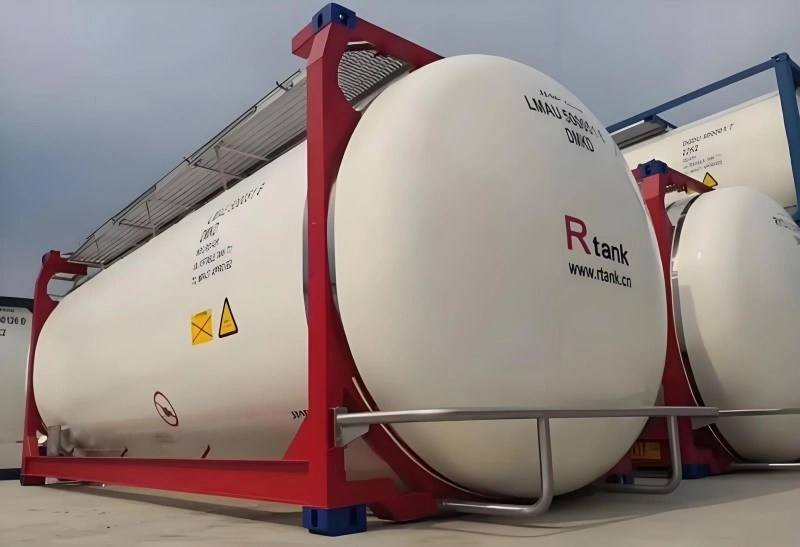
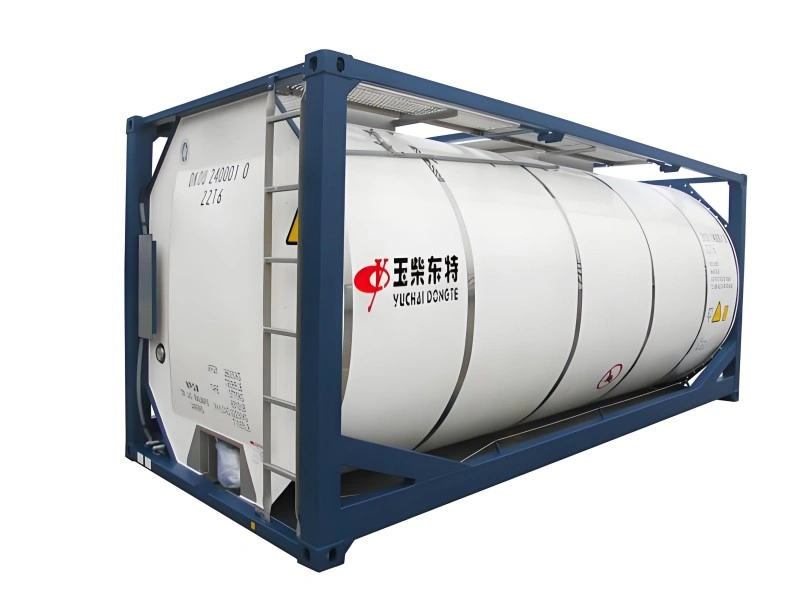
| Tank container | Large-volume liquids | Pressure-rated, leak detection |
Steel drums provide strong protection for fire and flammable combustible liquids and also have features to reduce static electricity hazards, such as grounding points and bung closures. High-density polyethylene (HDPE) drums are best used for corrosive materials because they are not reactive. UN certified IBCs are preferred for handling larger quantities: IBCs have built-in pallet bases and protective cages for efficient handling. For large quantities of goods, tank containers are best suited for intermodal transport, and frequently come with sophisticated monitoring equipment.
For more comprehensive guidance on hazardous cargo logistics, consult our best practices in hazardous cargo handling.
When logistics coordinators know these options, they can match these up to the characteristics and journey requirements of the cargo to suit the container.
Material Compatibility Considerations
Compatibility of materials is a must when it comes to hazardous liquid containers. The incorrect material may cause degradation, corrosion and/or dangerous reactions that can damage the container and release its contents.
| Hazard Type | Recommended Container Material | Notes |
| Flammable liquids | Steel or HDPE | Must prevent static discharge |
| Corrosive acids | HDPE, lined steel | Resistant to chemical attack |
| Oxidizers | Stainless steel | Avoid reactive reactions |
| Toxic chemicals | HDPE or UN-certified tanks | Leak-proof and secondary containment |
Carbon steel drums have the ability to allow static grounding and the ability to keep flammable liquids from reacting; they should be used with compatible linings. Plastics such as HDPE or specially lined metals are required for corrosive materials that require resistance to pH extremes. In order to prevent catalyzing reaction, the oxidizing agents must be handled with inert materials like stainless steel. Multi-layered or more tightly closed systems with secondary containment are beneficial for toxic substances as a means to prevent leakage.
Refer to the Safety Data Sheet (SDS) of the chemical, and conduct compatibility testing. In reality, manufacturers offer compatibility charts, but in practice there are extra margins of safety that are necessary due to variables such as temperature changes. When shipping frequently, experts will have a database of approved combinations of container materials and shipments.
Best Practices for Packaging and Securing Containers
In addition to selecting the right containers, the right package and securing devices make good containers into good systems for the transport of hazardous liquids.
| Practice | Purpose | Benefit |
| Secondary containment | Prevent leaks | Minimize environmental/health hazards |
| Proper labeling | Regulatory compliance | Avoid fines and shipping delays |
| Shock absorption | Reduce transit damage | Prevent ruptures and spills |
| Temperature control | Preserve chemical stability | Prevent degradation or reactions |
Overpacks or spill pallets are good examples of secondary containment systems that serve as a backup layer. Labeling should comply with international regulations and should feature long-lasting, weatherproof signs that are easy to read and contain the UN numbers, pictograms, and handling procedures for communicating the hazards. Vibration prevention by cushioning materials and strapping to prevent the movement, especially for road or sea voyages subjected to a constant vibration. Insulated or temperature controlled containers can keep temperature sensitive chemicals stable.
In my consulting practice, these practices have always resulted in a decrease in incidents. For example, in IBC shipments over rough surfaces, valve failures have been avoided by the use of certified cushioning.
Regulatory Compliance and Documentation
Compliance is not a choice it’s a necessity for legal and safe handling of hazardous cargo. Testing the containers, documentation and everything else is according to international and domestic regulations.
| Requirement | Purpose | Reference |
| UN Number & hazard labels | Identify chemical risk | IMDG, ADR |
| Material Safety Data Sheet (MSDS) | Safety info | OSHA, GHS |
| Transport permits | Legal authorization | DOT, local regulations |
| Packaging certificates | Validate container compliance | UN/ISO standards |
All containers should be marked with the correct UN certification which shows that they are safe from impact, pressure and stacking. The IMDG Code applies to sea transport, the ADR applies to European road transport and the DOT applies in the USA. A Shipper’s Declaration for Dangerous Goods and other documentation should be included with all shipments.
Failure to comply may lead to shipments being held, fines of tens of thousands of dollars or even criminal responsibility in extreme situations. Proactive compliance means regular audits of container certifications and training staff on current laws and regulations that change frequently.
Risk Assessment and Emergency Preparedness
Careful, comprehensive risk assessment of the entire supply chain is a key component of effective Hazardous Liquid
| Risk Factor | Potential Impact | Mitigation Strategy |
| Rough handling | Leaks or spills | Shock-absorbent packaging, trained staff |
| Extreme temperatures | Material degradation | Climate-controlled transport |
| Long transit times | Loss of chemical integrity | Proper sealing, stabilizers |
| Regulatory checkpoints | Delays or fines | Complete documentation, compliance prep |
Early identification of risks enable targeted risk mitigation. For instance, if a shipment is going through an area that does not have good road conditions, then additional reinforcement and tracking must be used. Emergency response plans should include instructions for dealing with spills, such as spill containment kits available that are compatible with the chemical being used in the container.
These strategies are continually being refined through regular drills and post incident reviews. The companies that incorporate risk assessment into their container selection process are better able to comply while also streamlining costs, since they will not be over-engineering.
Conclusion — Safe and Compliant Hazardous Liquid Container Selection
Finding the right containers for hazardous liquid storage and shipping involves a comprehensive assessment of material compatibility, certification, packaging security, and risk management. Focusing on these aspects allows chemical plant management and logistics departments to greatly minimize liability and remain effective.
Do not forget, what goes into the container is not forever, it’s a decision that must be made to suit new chemicals, laws and transport methods. Experienced hazardous cargo specialists can provide, as part of a partnership, the most up-to-date compliant solutions and proven handling techniques.
Following these guidelines from the beginning can result in safer workplaces, cleaner environments, and more streamlined supply chains. If your business uses hazardous liquids, take the time to compare your current container strategies to these best practices; your efforts in this regard will reap safety and reliability benefits for years to come.