
The integrated restraint system is key to the cargo safety of oversized and out-of-gauge (OOG) shipments through lashing, blocking and bracing. These are not alternative methods of cargo securing; they are methods used in conjunction to control the movement, distribute the force, protect the surface of the cargo and enhance the safety of transporting oversized and out of gauge loads. Simple tie-down systems are usually not adequate for OOG cargo that is too large, heavy, irregular, or too valuable to be handled without these additional systems. Each of these area’s utilizes different combinations of heavy machinery, transformers, steel structures, molds, pressure vessels and industrial modules, which are all planned in advance for loading.
Cargo securing is not only about putting on more chains or straps; it is about creating a total restraint system that will keep cargo from moving but not harm it. Though many shippers believe that just strong lashing is sufficient, in a real situation of OOG transport, lashing may be insufficient if there is no blocking/bracing or if there are weak contact points that have to withstand more than they can bear. Each of these is designed to be considered together with cargo weight and center of gravity, mode of transportation, route conditions and sea motion to minimize shifting, vibration damage, sliding, tipping, deformation, and handling risks.
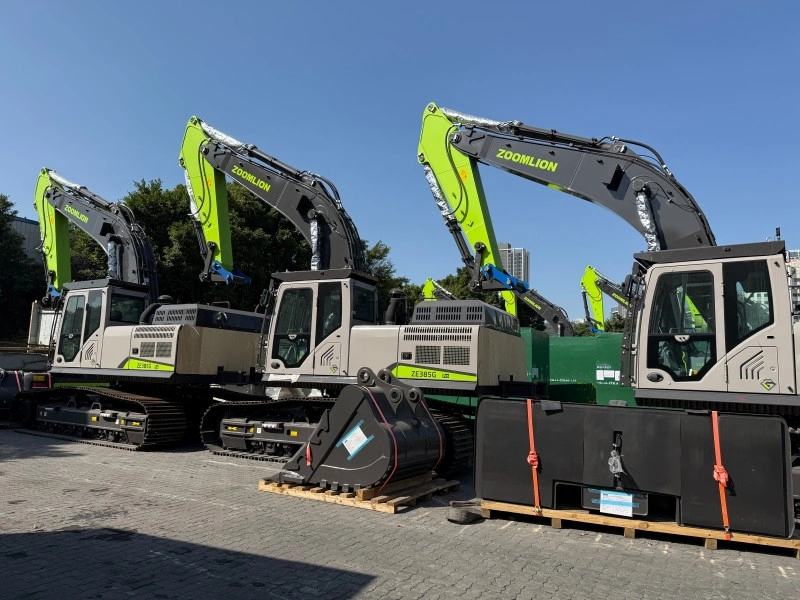
What Are Lashing, Blocking, and Bracing?
Lashing, blocking and bracing are different but complementary methods of cargo securing which can be used in combination to enable effective OOG cargo securing techniques. Lashing is the practice of using tensioned equipment (chains, straps, wire ropes or webbing) to secure cargo. Blocking is the process of using timber, steel blocks, wedges, chocks or fixed barriers to prevent cargo from sliding. The main function of bracing is to provide support to retain weight in place, shape and stabilize irregularly designed objects and prevent deformation. These methods are frequently used in conjunction with each other for heavy equipment, flat rack, open top, breakbulk, and project cargo. The appropriate combination is dependent on the type of cargo, method of transport and forces anticipated to be applied.
| Securing Method | Main Function | Common Materials |
| Lashing | Restrains cargo against forward, backward, side, or upward movement | Chains, webbing straps, wire ropes, tensioners, shackles |
| Blocking | Prevents cargo from sliding or rolling | Timber blocks, steel blocks, wedges, chocks, stop blocks |
| Bracing | Stabilizes cargo and supports irregular or weak areas | Timber braces, steel frames, cross braces, support beams |
| Anti-Slip Support | Increases friction between cargo and loading surface | Rubber mats, anti-slip pads, timber bedding |
| Edge Protection | Protects cargo and lashing equipment from damage | Corner guards, padding, protective sleeves |
Why OOG Cargo Needs an Integrated Securing Plan
It is common to have cargo that is too large, too heavy, not as uniform, or more difficult to secure, and requires an integrated securing plan to handle OOG cargo. Oversized dimensions and heavy weights, irregular shapes, high centers of gravity, limited lashing points, long support spans, painted surfaces and precision surfaces, road vibration and braking forces, sea motion and vessel movement, multi-modal handling, carrier and port approval all require coordinated action.
For oversized equipment such as steel structures, transformers, heavy machinery, and other equipment, OOG cargo securing techniques should combine lashing, blocking, bracing, surface protection, and post-loading inspection in one practical plan.
| OOG Cargo Challenge | Why Integrated Securing Matters |
| Heavy Weight | Requires lashing strength, support planning, and load distribution |
| Irregular Shape | Needs customized blocking and bracing, not only tie-downs |
| High Center of Gravity | Requires stability control against tipping or rotation |
| Long Cargo | Needs support points and bracing to reduce bending or vibration |
| Limited Lashing Points | Requires careful anchor selection and securing angle planning |
| Painted or Precision Surfaces | Needs padding and contact protection to avoid damage |
| Road Movement | Braking, turning, and vibration can loosen weak securing systems |
| Sea Transport | Vessel motion creates multi-directional movement forces |
| Multiple Handling Stages | Securing may need inspection and adjustment after transfer |
Lashing: How It Controls Cargo Movement
Lashing is significant but with limitations on angle, capacity, anchor points and cargo contact protection. For direct lashing or friction lashing using chains, webbing straps, wire ropes, shackles and tensioners, practical considerations like working load limit and edge protection are important to prevent damage to surfaces, and to resist the forward, lateral and vertical forces common to heavy equipment lashing.
| Lashing Factor | Why It Matters |
| Lashing Capacity | Must match cargo weight and expected movement forces |
| Lashing Angle | Affects restraint efficiency and force direction |
| Anchor Point Strength | Weak anchor points reduce securing reliability |
| Cargo Contact Area | Chains or straps may damage surfaces without protection |
| Tension Control | Too little tension may allow movement; too much may damage cargo |
| Direct Lashing | Helps control movement in a specific direction |
| Friction Lashing | Increases downward force and friction |
| Re-Tensioning | Helps maintain securing after vibration or settling |
Blocking: How It Prevents Sliding and Rolling
Blocking is a physical restraining technique to prevent cargo from moving before excessive lashing loads are taken. It can be particularly useful for pressure vessels or wheeled or cylindrical objects such as those used in mining equipment, where a strong surface is provided to support timber blocking, steel blocking, wheel chocks, wedges, stop blocks and anti-slip mats.
| Blocking Application | Practical Purpose |
| Forward Blocking | Prevents cargo from sliding during braking |
| Rear Blocking | Prevents backward movement during acceleration or vessel motion |
| Side Blocking | Reduces lateral movement during turns or sea transport |
| Wheel Chocks | Prevents rolling movement for wheeled cargo |
| Wedges | Supports cylindrical cargo such as tanks or pressure vessels |
| Timber Blocks | Absorb contact and protect cargo surfaces |
| Steel Blocks | Provide stronger restraint for heavy cargo where suitable |
| Anti-Slip Mats | Increase friction and reduce sliding risk |
Bracing: How It Stabilizes Irregular or Vulnerable Cargo
Use of bracing to secure cargo that is not sufficiently secured by lashing and blocking. Timber braces, steel frames, cross bracing, side bracing and vertical bracing can be used to protect weak points, and to prevent deformation of a flat rack cargo during the operation of making a flat rack or when securing a cargo for breakbulk.
| Bracing Use Case | Why It Helps |
| Irregular Machinery | Stabilizes uneven shapes and reduces movement risk |
| Tall Cargo | Helps resist tipping or side movement |
| Long Steel Structures | Reduces bending, vibration, and twisting |
| Pressure Vessels | Supports cylindrical shape and prevents rolling |
| Fragile Protrusions | Keeps force away from weak or sensitive components |
| Multi-Unit Cargo | Maintains separation and prevents contact damage |
| Open-Deck Cargo | Adds stability during wind, road vibration, or sea motion |
| Breakbulk Cargo | Supports cargo during lifting, stowage, and vessel movement |
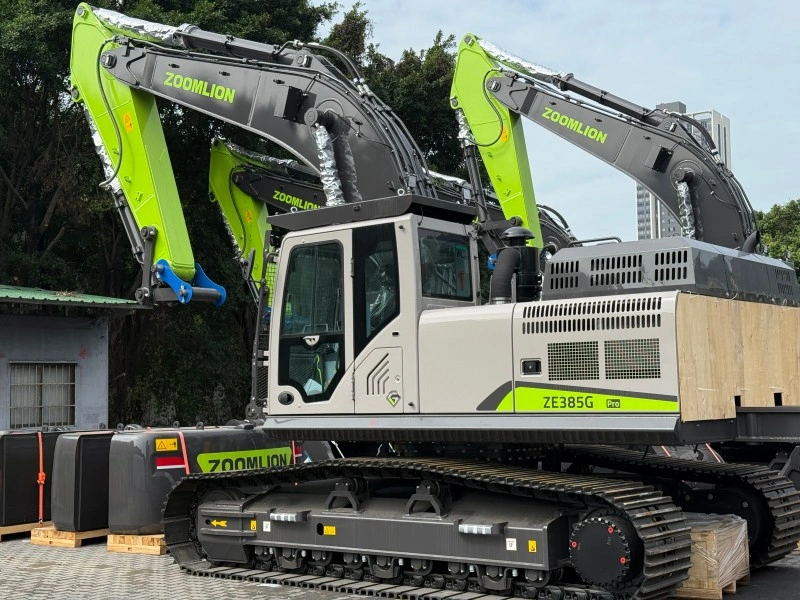
How Lashing, Blocking, and Bracing Work Together
The best results from lashing, blocking and bracing is when they are designed as a system to distribute forces rather than using any one method. Lashing controls directional movement, blocking prevents or slows sliding or rolling, bracing stabilises shape and structure, anti-slip materials increase friction, support points distribute weight and edge protection prevents damage to surfaces, while integrated design reduces overall stress on the cargo.
| Movement or Damage Risk | Main Control Method | Supporting Method |
| Forward Sliding | Blocking | Lashing and anti-slip material |
| Side Movement | Lashing and side blocking | Bracing |
| Rolling | Wheel chocks or wedges | Lashing |
| Tipping | Bracing | Low center-of-gravity positioning and lashing |
| Cargo Vibration | Bracing and support bedding | Lashing inspection |
| Surface Damage | Edge protection and padding | Controlled lashing tension |
| Long-Span Deformation | Support points and bracing | Proper load positioning |
| Sea Motion | Lashing, blocking, and bracing together | Periodic inspection where possible |
Securing Methods by Cargo Type
Each type of cargo has its own combination of lashing, blocking and bracing that will be similar to its unique structure and susceptibility.
| Cargo Type | Securing Focus |
| Heavy Machinery | Strong lashing, support points, anti-slip materials, surface protection |
| Transformers | Center-of-gravity control, shock prevention, stable blocking, careful lashing |
| Steel Structures | Long-span support, edge protection, bracing, anti-corrosion protection |
| Pressure Vessels | Saddles, wedges, rolling prevention, controlled lashing angles |
| Industrial Molds | Low vibration, rust protection, strong support, precise load positioning |
| Mining Equipment | Heavy-duty lashing, wheel or track blocking, route vibration control |
| Construction Equipment | Wheel chocks, chain lashing, attachment securing, height clearance review |
| Large Crated Cargo | Crate strength, base blocking, bracing, moisture protection |
Securing Considerations by Transport Mode
Requirements vary depending on the type of mode used for cargo transport—whether it be road, flat rack, open top, breakbulk or heavy lift.
| Transport Mode | Securing Concern |
| Lowbed Trailer | Braking, turning, vibration, road slope, and route conditions |
| Flat Rack Container | Over-width exposure, lashing point layout, carrier approval, sea motion |
| Open Top Container | Vertical loading, internal blocking, wall clearance, top protection |
| Breakbulk Shipping | Vessel stowage, lifting handling, sea motion, and re-handling risk |
| RoRo Transport | Wheel chocking, rolling prevention, ramp movement, access control |
| Heavy Lift Vessel | Engineered stowage, heavy lashing, lifting plan, and deck support |
| Modular Trailer | Axle load distribution, support points, slow-speed movement, steering forces |
Common Materials Used for Lashing, Blocking, and Bracing
Materials should be appropriate to the load, surface, transportation and securing design. Having been on a few occasions where too large a load was being secured, the correct choice of chains, webbing strap, timber blocks or rubber mats can make the difference between a secure trip, or costly damage.
| Material or Tool | Common Use | Key Consideration |
| Chains | Heavy-duty lashing | May require edge protection for painted surfaces |
| Webbing Straps | Lighter or surface-sensitive cargo | Must be rated for the required load |
| Wire Ropes | Heavy or special securing applications | Requires correct clamps and protection |
| Shackles | Connecting lashing systems | Must match rated capacity |
| Turnbuckles / Tensioners | Adjusting lashing tension | Should not overtension fragile cargo |
| Timber Blocks | Blocking and bedding | Must be positioned against strong cargo areas |
| Steel Blocks | Heavy blocking | May need padding to protect cargo |
| Wedges | Cylindrical cargo or rolling prevention | Must be shaped and fixed properly |
| Rubber Mats | Anti-slip support | Helps increase friction |
| Edge Protectors | Surface and strap protection | Essential for sharp or coated edges |
How to Plan a Safe Cargo Securing System
The planning for securing should be undertaken in a step-by-step fashion, prior to loading. The dimensions and final packed dimensions, gross weight, center of gravity, lifting points, support points, lashing points are the base of any good plan.
| Planning Step | Why It Matters |
| Verify Cargo Data | Securing strength and layout depend on accurate weight and dimensions |
| Review Center of Gravity | Helps prevent tipping, rolling, or unstable loading |
| Identify Support Points | Prevents deformation and point-load damage |
| Confirm Lashing Points | Ensures restraint can be applied safely |
| Choose Load Position | Supports balance, axle load, and container/trailer fit |
| Select Securing Materials | Matches cargo weight, surface sensitivity, and transport mode |
| Plan Blocking and Bracing | Reduces movement before lashings take excessive load |
| Add Surface Protection | Prevents scratches, dents, coating damage, and corrosion exposure |
| Inspect After Loading | Confirms the securing plan was executed correctly |
| Take Photos | Supports carrier approval, quality control, and insurance records |
Inspection Checklist After Lashing, Blocking, and Bracing
Inspection is key to securing plans as they can slip away, might be over tensioned, loose, or blocking access is poor.
| Inspection Item | What to Confirm |
| Lashing Tension | Chains or straps are tight but not damaging cargo |
| Lashing Angle | Restraint direction matches expected movement forces |
| Anchor Points | Anchor points are strong, suitable, and not overloaded |
| Blocking Position | Blocks are against structurally strong areas |
| Bracing Stability | Braces are fixed and do not press on weak components |
| Anti-Slip Materials | Pads or mats are properly placed under contact points |
| Edge Protection | Sharp edges and painted surfaces are protected |
| Support Points | Weight is distributed and cargo is not deforming |
| Lashing Access | Securing can be rechecked if needed |
| Documentation | Photos and inspection notes are recorded |
Common Mistakes in Lashing, Blocking, and Bracing
Even the most experienced sourcing managers can miss important items that cause issues further down the line. These are the common problems encountered in project cargo securing.
| Mistake | Possible Consequence |
| Lashing Only | Cargo may still slide, roll, or shift under transport forces |
| Weak Blocking Position | Cargo structure may be dented, bent, or damaged |
| No Center-of-Gravity Review | Tipping or instability risk increases |
| Poor Lashing Angle | Restraint force may be ineffective |
| Overtensioning | Chains or straps may damage cargo surfaces or components |
| No Edge Protection | Paint, coating, straps, or chains may be damaged |
| Insufficient Rated Capacity | Securing may fail under braking or sea motion |
| No Anti-Slip Material | Cargo may move even with lashings installed |
| No Post-Loading Inspection | Loose or misplaced securing may go unnoticed |
| No Photo Records | Disputes and claims become harder to support |
What Shippers Should Provide Before Cargo Securing Planning
Lashing, blocking and bracing are determined by logistics teams having the right cargo and transport data before they start designing.
| Information to Provide | Why It Helps |
| Verified Dimensions | Supports load position and securing layout |
| Gross Weight | Determines required lashing strength and support design |
| Center of Gravity | Helps control stability and movement risk |
| Support Points | Prevents deformation and point-load damage |
| Lashing Points | Confirms where restraints can be safely attached |
| Cargo Drawings | Helps identify strong and weak structural areas |
| Photos / Videos | Shows protrusions, fragile parts, and surface conditions |
| Surface Finish | Guides padding, edge protection, and contact control |
| Transport Method | Securing differs for road, flat rack, open top, or breakbulk |
| Packaging Method | Affects access to lashing, blocking, and bracing points |
| Carrier Requirements | Ensures the securing plan supports approval |
Common Misunderstandings About Cargo Securing
There are a number of common misconceptions that may jeopardize the safety of oversized cargo securing:
- Safety of cargo is not a given with more chains.
- Lashing is no substitute for good support and blocking.
- Blocking needs to be against strong parts, not weak parts or cover parts.
- Bracing is essential for any cargo that is irregular, tall, long or vulnerable.
- Cargo surfaces must be secured, and this will not prevent movement.
- The forces of movement in road transport and sea transport are different.
- It is good practice to review a securing plan before loading commences.
- Final securing photographs are crucial for quality control, carrier clearance, and insurance assistance.
Conclusion — Cargo Safety Depends on an Integrated Securing System
The most important thing to remember is that it is not a specific method of restraint that is important, but rather a restraint system. Combining lashing, blocking and bracing with the correct cargo information, support planning, surface protection and inspection, shippers can minimise unnecessary cargo handling, damage and transport delays on OOG cargo journeys. Lashing slows the movement, bracing stops it sliding or rolling, and blocking prevents it from moving at all and stabilizes cargo that is irregular in shape and/or is in an unsafe condition. A successful securing plan takes into account the following: cargo weight and center of gravity, support points, angles of lashing, mode of transport, route conditions and movement of the sea. Safe outcomes are achieved when data is accurate, material is appropriate, loading is done carefully, inspection takes place after loading and securing records are kept.