
To optimise project cargo transport of oil and gas equipment, a complete package logistics analysis is required including cargo measurement, engineering review, feasibility of routes, special transport equipment, lifting control, cargo protection, carrier approval, documentation, customs coordination, insurance and final delivery on site. Oil & gas equipment is frequently oversized, heavy, awkward in shape and extremely technically sensitive which is not conducive to the standard freight system. These shipments’ requirements are more than just heavy loads, it’s about verified data, engineered solutions and coordinated execution from factory to final site.
While many shippers classify oil and gas equipment as ordinary heavy cargo, in reality, project logistics of pressure systems, corrosion sensitivity, lifting requirements, route restrictions, documentation requirements and other constraints of site delivery make it much more complicated. Optimizing the transport of oil and gas project cargo is not about the lowest cost; it’s about developing a transport plan that will ensure critical equipment remains safe, meet regulatory requirements and keep the project on schedule.
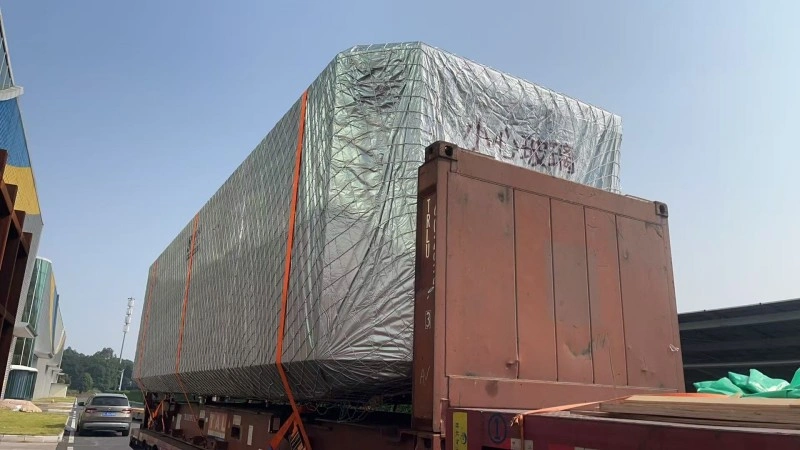
Why Oil and Gas Equipment Requires Project Cargo Planning
In addition to the requirement for specialized equipment needed to transport the materials, oil and gas equipment is subject to unique challenges that demand special transportation planning and high levels of technical sensitivity, compliance, and project time constraints, not found in standard freight.
Project cargo planners must take these special requirements into account to avoid damage and delays, or safety issues. Table below is a summary of the planning factors and their significance for oil and gas equipment.
| Planning Factor | Why It Matters for Oil and Gas Equipment |
| Oversized Dimensions | May require OOG routing, permits, flat rack, breakbulk, or heavy lift transport |
| Heavy Weight | Affects trailer selection, crane capacity, axle load, and port handling |
| High Cargo Value | Damage or delay can create significant project impact |
| Irregular Shape | Requires customized support, lifting, and securing plans |
| Pressure Systems | May require technical documents, certificates, or special handling |
| Corrosion Sensitivity | Sea air, humidity, and outdoor storage can affect equipment condition |
| Hazardous Components | Oils, gases, batteries, or residues may require declaration |
| Remote Site Delivery | Final access may be harder than the ocean shipping stage |
| Project Timeline | Delays can affect installation, commissioning, and contractor schedules |
Common Oil and Gas Equipment Shipped as Project Cargo
There are various types of oil and gas equipment that will be used to transport oil and gas, and it will be necessary to have different types of equipment that have their own unique size, sensitivity and handling needs, along with various different methods and risk controls.
Once EPC contractors and manufacturers are aware of these differences, they can ensure they get the right one from the outset. This is a simple summary of the primary transportation problems of typical equipment classes.
| Equipment Type | Common Transport Concern |
| Pressure Vessels | Long length, support saddles, lifting points, coating protection |
| Compressors | Heavy weight, vibration sensitivity, skid support, electrical components |
| Pump Skids | Irregular footprint, center of gravity, accessories, securing points |
| Heat Exchangers | Long structure, fragile tubes, corrosion protection, lifting control |
| Storage Tanks | Large volume, over-width or over-height transport, deformation risk |
| Pipeline Sections | Length, stacking method, coating protection, route clearance |
| Valves and Manifolds | High value, precision surfaces, packaging and impact protection |
| Drilling Equipment | Heavy weight, rugged design, but still needs securing and route control |
| Offshore Modules | Large footprint, multiple lifting points, port and vessel coordination |
| Refinery Modules | Complex structure, schedule sensitivity, multi-modal transport planning |
Step 1: Start with Accurate Cargo Survey and Engineering Review
The most important element of any project cargo transport plan is the information about the cargo itself – if that is not accurate then even the best will-hoc plans can fall at the first hurdle.
A detailed survey is conducted before any booking or packaging starts, and all essential information is included. If the equipment is oil and gas related, which needs to be packaged, booked, and cargo surveyed, route feasibility reviewed, approved by the carrier, and coordinated for the final site, OOG project cargo solutions should be planned before packaging, booking, and cargo pickup. This early step prevents costly mismatches later.
| Survey Item | Why It Matters |
| Verified Dimensions | Determines route feasibility, transport method, and carrier acceptance |
| Final Packed Size | Prevents mismatch between booking and actual cargo |
| Gross Weight | Affects trailer, crane, vessel, and permit planning |
| Center of Gravity | Supports safe lifting, load positioning, and stability control |
| Lifting Points | Helps prevent structural damage during crane handling |
| Support Points | Prevents deformation during storage and transport |
| Technical Drawings | Supports engineering review and load planning |
| Hazardous Components | Helps identify declaration, packaging, or compliance requirements |
| Surface Protection Needs | Guides anti-rust, coating, and packaging decisions |
| Cargo Photos | Reveals protrusions, openings, fragile areas, and access points |
Step 2: Choose the Right Transport Method
The selection of transport method should depend on the cargo size, weight, route condition, port condition and project schedule rather than the lowest quoted rate.
There are advantages and disadvantages to each of these choices and they will need to match the equipment and destination. Each of these methods is best used under specific conditions that are clarified by comparing the two approaches below in the context of oil and gas project cargo.
| Transport Method | Best Used For | Planning Consideration |
| Lowbed Trailer | Tall or heavy equipment for inland transport | Route clearance, axle load, and site access |
| Extendable Trailer | Long pressure vessels, pipe sections, or steel modules | Support points and turning radius |
| Modular Trailer | Extremely heavy or wide modules | Axle configuration, permits, and ground bearing capacity |
| Flat Rack Container | OOG cargo within container vessel limits | Lashing, weather protection, and carrier approval |
| Open Top Container | Over-height cargo within container side walls | Crane loading, wall clearance, and top protection |
| Breakbulk Shipping | Cargo too large or complex for containerized transport | Port handling and vessel stowage planning |
| RoRo Shipping | Wheeled or rollable equipment | Ramp access, cargo condition, and port availability |
| Heavy Lift Vessel | Extremely heavy or oversized project cargo | Lifting engineering, vessel schedule, and port capability |
Step 3: Plan Route Feasibility and Permits Early
Passenger safety and the feasibility of the route are critical in determining the viability of a whole project cargo plan at the beginning, rather than the end of development.
To check out all possible obstacles, experienced planners do a thorough route survey even before choosing a carrier. This preventative measure can prevent last minute surprises that may cause oversized oil and gas equipment shipments to be stopped.
| Route Planning Factor | Why It Matters |
| Bridge Clearance | Prevents over-height cargo from being blocked in transit |
| Road Width | Determines whether wide equipment can pass safely |
| Turning Radius | Critical for long vessels, modules, or trailers |
| Axle Load Limits | Affects permits, bridge approval, and trailer selection |
| Overhead Obstacles | Cables, signs, and gates may require adjustment or rerouting |
| Escort Requirements | Supports safe movement and regulatory compliance |
| Movement Time Windows | Some routes restrict oversized cargo to certain hours |
| Port Access | Confirms cargo can enter and move inside the terminal |
| Final Site Access | Ensures the project site can receive and unload the cargo |
Step 4: Coordinate Lifting, Loading, and Support Design
Oil and gas equipment can be long, cylindrical, skid-mounted, and/or structurally sensitive, and may require careful lifting and support.
It’s a process of coordination which safeguards both the goods and their handlers. The proper rigging and support design avoid point load damage and stability along the trip.
| Loading Factor | Why It Matters |
| Crane Capacity | Must match actual lifting weight and working radius |
| Lifting Points | Prevent structural stress or unsafe handling |
| Sling Angle | Affects force applied to cargo and rigging |
| Spreader Beam | Helps distribute lifting force and protect cargo shape |
| Support Saddles | Important for cylindrical pressure vessels and tanks |
| Skid Support | Prevents deformation of skid-mounted equipment |
| Ground Bearing Capacity | Ensures crane and trailer can operate safely |
| Load Distribution | Prevents point-load damage and transport instability |
| On-Site Supervision | Confirms loading plan is executed correctly |
Step 5: Design Lashing, Blocking, and Bracing for Project Cargo Safety
Any movement of oil and gas equipment should be prevented during transport and damage to sensitive surfaces, coatings or structural points avoided during securement.
Dynamic forces on road, rail and sea legs are taken into account in a well-designed lashing and bracing plan. These are the methods which have worked in hundreds of energy-sector shipments.
| Securing Method | Purpose | Key Consideration |
| Lashing | Restrains cargo during road and sea movement | Must match cargo weight and dynamic forces |
| Blocking | Prevents sliding during braking, turning, or vessel motion | Should be placed against structurally strong areas |
| Bracing | Stabilizes irregular or tall equipment | Avoid pressure on fragile components |
| Anti-Slip Material | Increases friction and reduces movement | Useful under vibration and road movement |
| Timber Bedding | Distributes contact forces | Must align with support points |
| Steel Supports | Helps support heavy or concentrated loads | Requires engineering review for point loads |
| Edge Protection | Protects chains, straps, and coated surfaces | Important for painted or treated equipment |
| Re-Inspection | Confirms securing remains tight after movement | Helps reduce shifting risk |
Step 6: Protect Against Corrosion, Moisture, Shock, and Weather Exposure
Oil and gas project cargo often endures extended periods of humidity, salt spray, vibration, and temperature fluctuations, which can cause the equipment to rapidly deteriorate.
Preventative protection measures maintain coatings, electrical systems and mechanical integrity. The controls mentioned here are applicable for the most frequent threats in heavy lift transport of oil and gas equipment.
| Protection Need | Recommended Control |
| Corrosion Prevention | Anti-rust oil, VCI film, VCI paper, and coating protection |
| Moisture Protection | Moisture barriers, vacuum sealing, desiccants, and sealed covers |
| Sea Exposure | Heavy-duty tarpaulin, drainage planning, and salt-spray protection |
| Shock and Vibration | Stable support, anti-slip material, and shock-control packaging |
| Electrical Components | Seal control cabinets, terminals, and wiring areas |
| Openings / Flanges | Use caps, covers, or protective plates |
| Coated Surfaces | Add padding, edge protection, and non-abrasive wrapping |
| Long Storage | Use inspection schedule, humidity indicators, and secure storage |
Step 7: Manage Documentation, Customs, and Compliance Requirements
Technical specifications, pressure systems, hazardous components and rules for the destination country may necessitate more detailed and precise documentation than would normal cargo for oil and gas equipment.
Flawed or lacking documentation may lead to customs delays or carrier rejections. Having the appropriate documentation ready in advance ensures a smooth flow in the entire chain.
| Document | Why It Matters |
| Commercial Invoice | Supports customs value and transaction details |
| Packing List | Confirms cargo dimensions, weight, package count, and packaging method |
| Bill of Lading | Acts as transport document and cargo receipt |
| HS Code | Determines customs classification and duty requirements |
| Certificate of Origin | Supports origin verification or trade preference claims |
| Technical Specifications | Helps customs, carrier, and importer understand cargo function |
| Pressure Certificates | May be needed for pressure vessels or regulated systems |
| SDS / DG Documents | Required when hazardous materials or residues are involved |
| Insurance Certificate | Supports risk coverage and claim preparation |
| Cargo Photos / Drawings | Help clarify cargo structure and handling requirements |
Step 8: Coordinate Port Handling and Vessel Planning
Port and vessel planning is one of the most important, and sometimes overlooked, aspects of project cargo optimization.
Coordinating with terminals and carriers in a timely fashion avoids re-handling, storage charges and lost sailings. Load and lashing plans can be submitted ahead of time so that proper stowage can be performed and risk avoided during heavy lift operations.
| Port / Vessel Planning Item | Why It Matters |
| Port Gate Access | Confirms cargo can enter the terminal safely |
| Terminal Storage | Ensures space and ground conditions are suitable |
| Crane Capacity | Confirms safe lifting at origin and destination ports |
| Carrier Approval | Verifies cargo can be accepted for planned transport method |
| Load Plan | Shows how cargo will be positioned and handled |
| Lashing Plan | Supports safe ocean transport and carrier review |
| Vessel Stowage | Determines whether cargo can be loaded on deck or in hold |
| Weather Limits | Wind or storms may delay heavy lifting |
| Destination Port Capability | Prevents discharge problems after arrival |
| Cut-Off Timing | Reduces risk of missed sailing or roll-over |
Step 9: Prepare Insurance, Tracking, and Contingency Plans
Risk management in project cargo transport is not only about robust prevention mechanisms but also about well-defined response plans in cases where things don’t go as planned.
High value oil and gas equipment is protected on the journey with comprehensive insurance, real-time visibility and back-up options.
| Risk Management Tool | Practical Value |
| Cargo Insurance | Helps manage financial exposure for covered incidents |
| Condition Photos | Supports quality control and claim evidence |
| GPS Tracking | Provides visibility during inland transport |
| ETA Updates | Helps coordinate ports, cranes, and site teams |
| Secure Storage | Protects high-value cargo during waiting periods |
| Backup Route | Helps respond to road closures or permit issues |
| Backup Equipment | Reduces disruption from trailer or crane problems |
| Weather Contingency | Supports safer movement during storms, rain, or high wind |
| Customs Contingency | Helps address document questions or inspection delays |
| Emergency Contacts | Speeds response when incidents occur |
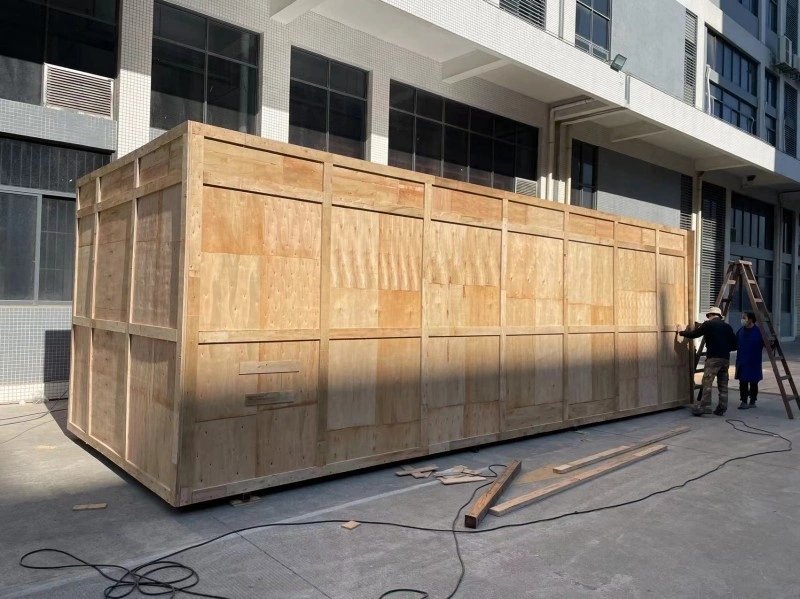
Cost Optimization Without Compromising Project Cargo Safety
The key to cost optimisation for oil & gas project logistics is to minimise waste, rework, delay, and damage to projects, not just to accept the lowest quote.
Planning early and accurately always results in a better overall value. The key steps outlined below demonstrate how proper planning can help to manage the total landed cost without risk.
| Cost Optimization Step | How It Controls Cost |
| Verify Cargo Data Early | Prevents wrong quotes, equipment mismatch, and rebooking |
| Select Suitable Transport Method | Avoids unnecessary heavy lift cost or unsafe low-cost options |
| Plan Route Feasibility | Reduces detours, permit delays, and road restrictions |
| Submit Documents Early | Reduces customs and carrier approval delays |
| Use Right-Sized Protection | Avoids both under-protection and unnecessary overpacking |
| Coordinate Port Timing | Reduces storage, re-handling, and missed cut-off costs |
| Prepare Contingency Options | Reduces emergency premium costs during disruption |
| Document Cargo Condition | Helps prevent disputes and claim delays |
Common Mistakes in Oil and Gas Project Cargo Transport
Even seasoned teams can miss things that cause downstream issues in the transport of oil and gas equipment.
The errors listed below are repeated throughout projects and typically result from short- or long-term planning, and from the use of assumptions rather than actual facts.
| Mistake | Possible Consequence |
| Late Planning | Limited vessel, trailer, crane, or route options |
| Estimated Cargo Data | Wrong transport method or carrier rejection |
| No Center-of-Gravity Review | Lifting and transport stability risks |
| Choosing by Price Only | Higher risk of damage, delay, or re-handling |
| Weak Protection | Rust, water ingress, coating damage, or vibration issues |
| No Route Survey | Bridge, road, or site access problems |
| Poor Lashing Design | Cargo shifting or structural damage |
| Missing Technical Documents | Customs, carrier, or port approval delay |
| Ignoring Site Access | Final delivery failure after arrival |
| No Contingency Plan | Weather, port, or permit disruption becomes harder to manage |
What Shippers Should Prepare Before Requesting a Project Cargo Transport Plan
Having full and accurate information at the beginning of the process enables logistics teams to create a more cost efficient, accurate and safer plan.
Experienced OOG advisors will need to convey the following information in order to provide sound recommendations on pressure vessel transport, skid module transport and other specialised equipment types.
| Information to Prepare | Why It Helps |
| Verified Dimensions | Supports transport method, route, port, and carrier planning |
| Final Packed Size | Prevents mismatch between booking and actual cargo |
| Gross Weight | Determines trailer, crane, vessel, and permit requirements |
| Center of Gravity | Supports lifting, loading, and stability review |
| Lifting Points | Helps plan safe crane handling |
| Support Points | Prevents deformation during transport and storage |
| Technical Drawings | Supports engineering review and route/load planning |
| Hazardous Components | Helps identify declaration and compliance requirements |
| Surface Protection Needs | Guides anti-rust, moisture, and coating protection |
| Origin / Destination | Enables route, port, customs, and delivery planning |
| Site Access Details | Confirms whether final delivery is feasible |
| Delivery Deadline | Helps align vessel, port, and project schedule |
Common Misunderstandings About Oil and Gas Project Cargo Transport
There are a number of misconceptions that may set expectations too high or create issues that can be avoided when relocating oversized oil and gas cargo.
- Oil and Gas equipment is not only heavy load but it can be compliance-sensitive, corrosion-sensitive and schedule critical.
- The least expensive mode of transport may not be the most economical if one takes into account all risk and possible delays.
- Cargo survey should be done prior to quotation, not after booking.
- Special planning for lift and support is required when using pressure vessels, skid-mounted and modules that do not fall into the standard heavy equipment procedures.
- Even when using flat rack or breakbulk shipping, you need to have a fully engineered lashing plan and approval from any carriers.
- Sea exposure, water, vibration, and repeated handling are important factors for cargo protection, not just rain.
- The final delivery to a site may be more involved and limited than the ocean leg.
Conclusion — Optimized Oil and Gas Project Cargo Transport Requires Full-Chain Control
Improving project cargo handling for oil and gas gear begins well before the cargo is on the move. When shippers can accurately survey the cargo, review engineering, plan routes, select the right equipment, package the goods to protect them, load the cargo safely, control the paperwork and prepare for contingencies, they can minimise delays, damage and project disruption.
The overarching objective is simple: minimize the risk of high-value equipment, manage the overall logistics risk and facilitate realistic project timelines. Careful attention to the handling of oil & gas equipment from the day it is picked up at the factory and through inland transportation, to port handling, sea transport, customs clearance, discharge at port and delivery at location means the equipment arrives when the project requires it, ready to go.