
To ship steel structures without damage, there are 8 key steps in the process that needs to be taken into account: Cargo measurements, structural support, correct lifting methods, lashing design, corrosion protection, route feasibility, port handling coordination and documented inspection at intermediate and final stages. Steel structures will appear to be sturdy, but they can be affected by deformation, scratches on the coating, rust, improper lifting, vibration, impact or cargo shifting.
The key takeaway from this case study is that damage to the steel structure is likely to be avoided before the cargo is loaded onto the ship – by measuring, supporting, planning the lift, protecting the surface, and controlling the cargo securely. Steel structures are strong, and many shippers believe that they can’t be damaged, but in actual OOG shipping, long steel frames, steel beams and prefabricated structures can bend, twist, scratch, rust or deform when lifted, supported and secured improperly.
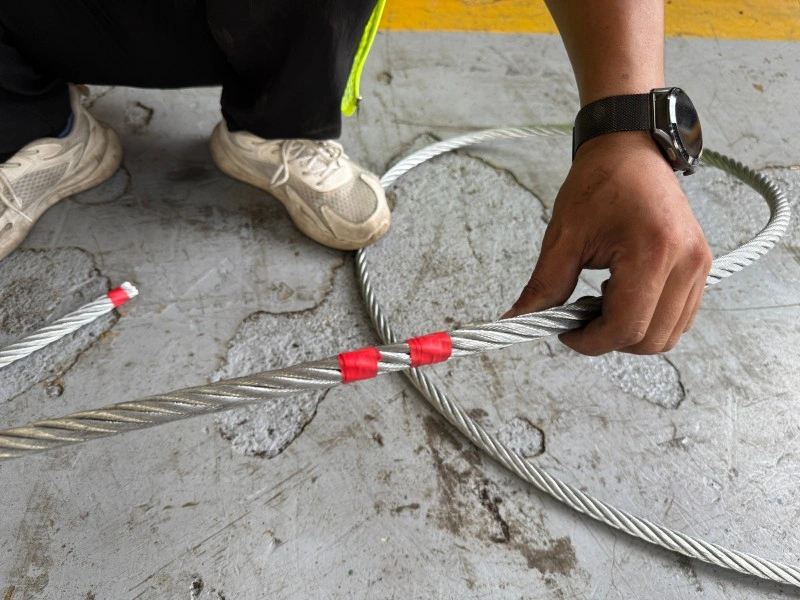
Project Background: What Type of Steel Structures Were Shipped?
In the shipping case study of steel structures, the first is to understand the nature of the cargo and the logistics problems it poses in the logistics of over-sized steel structures.
| Project Detail | Case Study Example |
| Cargo Type | Prefabricated steel structures, beams, frames, or modules |
| Cargo Challenge | Long length, irregular shape, coated surfaces, and exposed edges |
| Transport Route | Factory pickup, inland transport, port handling, ocean shipping, destination delivery |
| Main Risk | Deformation, coating damage, rust, shifting, and lifting marks |
| Shipping Method | Lowbed trailer, flat rack container, breakbulk, or combined OOG transport |
| Planning Priority | Damage prevention, load stability, weather protection, and schedule control |
This project was a relocation of the major steel fabricated parts for an offshore industrial facility. Typical freight solutions were not found to be suitable due to the length, profile and delicate painted surfaces of the cargo making it imperative to select a specially designed OOG steel structure transport solution.
Why Steel Structures Can Be Damaged During Transport
The dynamic forces of transportation are quite different from the standard storage or installation condition, and require special protection for steel structures.
| Damage Risk | Why It Happens |
| Bending or Deformation | Long spans are not supported correctly during lifting or transport |
| Coating Scratches | Chains, slings, friction, or handling equipment contact painted surfaces |
| Rust and Corrosion | Rain, humidity, salt spray, or damaged coating exposes metal |
| Edge Damage | Sharp or exposed edges are not protected during lashing or handling |
| Weld Stress | Improper support points create concentrated force on welded areas |
| Cargo Shifting | Weak lashing or poor blocking allows movement during transport |
| Lifting Marks | Slings or hooks contact unprotected surfaces |
| Vibration Damage | Long road transport creates repeated movement and contact stress |
These are standard risks which may cause additional expenses if not addressed early in project cargo steel structures shipment.
Step 1: Cargo Survey and Measurement Before Transport
Every case study of a steel structure transport begins with a comprehensive cargo survey and measurement at the factory, ensuring precise planning, no guesswork, and a comprehensive grasp of the steel cargo.
| Survey Item | Why It Was Important |
| Verified Dimensions | Determined trailer/container selection and route feasibility |
| Gross Weight | Supported crane, trailer, vessel, and permit planning |
| Support Points | Prevented bending or deformation during transport |
| Lifting Points | Helped avoid unsafe lifting and surface damage |
| Coating Condition | Created a baseline for inspection and claims prevention |
| Cargo Drawings | Helped identify structural strength and sensitive areas |
| Photos and Videos | Documented cargo condition before movement |
| Handling Restrictions | Guided lifting, lashing, and storage decisions |
All information was recorded at the outset, such as dimensions, weight, pivot locations and whether the coating has been applied or not, and each subsequent decision made was based on this.
Step 2: Selecting the Right Transport Method
The selection of the suitable transport method should be compatible with the length of the steel structure, its width, weight, and handling requirements to reduce risk of the steel structure from the beginning to the end of the transport. For long, coated, or irregular steel structures, the OOG logistics methods used for picking up should start from the survey of the cargo, and then follow the planning of support points, review of lifting, and damage prevention before the cargo is picked up.
| Transport Method | When It Was Suitable | Key Risk Control |
| Lowbed Trailer | Inland movement of large steel structures | Route clearance and secure lashing |
| Extendable Trailer | Long beams or frames | Proper support along the cargo length |
| Flat Rack Container | Steel structures within containerized OOG limits | Lashing, blocking, and weather protection |
| Open Top Container | Tall cargo that fits within container walls | Crane loading and top protection |
| Breakbulk Shipping | Structures too large for containerized OOG | Port handling and stowage planning |
| Heavy Lift Vessel | Extremely large or complex steel modules | Lifting engineering and vessel coordination |
In this instance, lowbed trailer for inland transport combined with flat rack container for ocean transport proved to be the best solution in terms of cost, safety and schedule.
Step 3: Planning Support Points to Prevent Deformation
For steel long span structures, support point planning is unnegotiable, otherwise, there will be bending or twisting problems under the transport stress.
| Support Planning Factor | Damage Prevention Value |
| Support Point Location | Prevents bending and uneven load stress |
| Long Span Control | Reduces deformation during road and sea transport |
| Timber / Steel Saddles | Distributes weight and protects cargo surfaces |
| Overhang Control | Prevents unsupported ends from vibrating or bending |
| Weld Area Protection | Avoids concentrated force on sensitive joints |
| Contact Padding | Reduces coating scratches and pressure marks |
| Deck Strength Review | Confirms trailer or flat rack can support the structure |
| Post-Loading Inspection | Verifies that support remains stable before departure |
The careful alignment of the structure to the natural strength points and the saddling of protective saddles ensured stability of the cargo from the factory to final destination.
Step 4: Crane Loading and Lifting Control
One of the most critical moments in the process of shipping steel structures is lifting, particularly when dealing with long or irregularly-shaped fabricated parts.
| Lifting Control Measure | Why It Matters |
| Confirmed Lifting Points | Prevents structural stress and unsafe lifting |
| Spreader Beam | Helps distribute lifting force and reduce bending |
| Proper Sling Angle | Reduces excessive force on cargo and rigging |
| Edge Protection | Prevents sling damage and coating scratches |
| Tag Lines | Helps control rotation during lifting |
| Trial Lift | Confirms balance before full movement |
| Crane Radius Review | Ensures crane capacity under real lifting conditions |
| Signal Communication | Reduces misalignment during placement |
| On-Site Supervision | Ensures the lifting plan is followed correctly |
Safety and control of lifts was provided each time using spreader beams and edge protectors, plus effective supervision of the works on site.
Step 5: Lashing, Blocking, and Bracing for Steel Structures
Lashing, blocking and bracing should be done so that the cargo is properly secured but not create additional damage to coatings or structural members.
| Securing Method | Purpose | Damage Prevention Consideration |
| Lashing | Restrains cargo movement | Use correct angle, strength, and surface protection |
| Blocking | Prevents sliding | Place blocks against strong structural areas |
| Bracing | Stabilizes irregular shapes | Avoid pressure on weak or coated surfaces |
| Anti-Slip Material | Increases friction | Reduces movement under vibration |
| Timber Bedding | Distributes contact force | Protects steel surfaces and coatings |
| Edge Protection | Protects cargo and lashing gear | Important for sharp steel edges |
| Tension Control | Keeps cargo secure without overstressing parts | Avoid overtightening on fragile members |
| Re-Inspection | Confirms securing after initial movement | Helps detect loosened lashings early |
Lashing was re-checked after the first road segment to detect any minor changes early.
Step 6: Protecting Coatings Against Scratches, Rust, and Sea Exposure
Coating protection is as often the deciding factor in the quality of steel structures as the structure itself, as scratches and corrosion can become visible in the long-term even after delivery.
| Protection Need | Recommended Measure |
| Painted Surface Protection | Padding, non-abrasive covers, and edge protection |
| Galvanized Steel Protection | Avoid direct metal-to-metal friction and trapped moisture |
| Exposed Edges | Use corner guards or protective wrapping |
| Welded Areas | Check coating coverage and avoid concentrated contact |
| Rust Prevention | Apply anti-rust treatment where required |
| Rain Protection | Use secured tarpaulin and drainage planning |
| Sea Exposure | Add moisture control and salt-spray protection |
| Inspection Records | Photograph surface condition before loading and after securing |
Surfaces retained their integrity after sea exposure due to tarpaulins, edge guards and pre-applied anti-rust treatments.
Step 7: Port Handling and Ocean Shipping Coordination
Without advance planning, there are unforeseen risks in port handling and vessel coordination.
| Port / Ocean Shipping Step | Damage Prevention Focus |
| Port Entry | Confirm cargo can enter safely without impact or clearance issues |
| Yard Storage | Avoid poor support, standing water, and uncontrolled handling |
| Crane Handling | Use approved lifting points and protection materials |
| Carrier Approval | Confirm load plan and securing method before shipment |
| Vessel Stowage | Avoid unsafe contact, poor support, or excessive exposure |
| Weather Review | Protect cargo from rain, wind, humidity, and sea spray |
| Destination Discharge | Ensure unloading method matches cargo structure |
| Handover Inspection | Check condition before final inland delivery |
The terminal was able to operate smoothly due to advance submission of load and lashing plans.
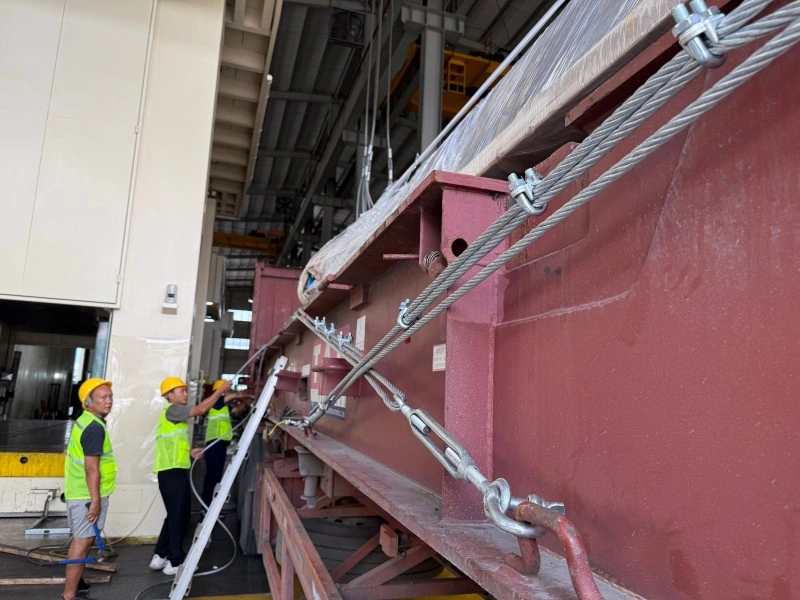
Inspection Records and Quality Control During the Shipment
The detailed inspection records help to establish accountability and make any discussions after the delivery more easily accessible.
| Inspection Record | Why It Matters |
| Pre-Loading Photos | Shows cargo condition before transport |
| Coating Condition Notes | Helps identify whether scratches existed before shipment |
| Support Point Photos | Confirms cargo was supported correctly |
| Lifting Photos | Shows proper lifting method and protection |
| Lashing Photos | Documents securing method before departure |
| Handover Records | Tracks responsibility between parties |
| Port Inspection Notes | Identifies any damage after terminal handling |
| Arrival Inspection | Confirms cargo condition before final acceptance |
| Damage Report | Supports corrective action and claim handling if needed |
At each handover, photographic evidence proved of great value.
Results and Key Lessons from the Steel Structure Shipping Case
The shipped product arrived undamaged and with no avoidance of coating degradation, and was used in the project as soon as it arrived.
| Case Study Result | What Made It Possible |
| No Avoidable Deformation | Support points and load distribution were planned early |
| Coating Damage Reduced | Padding, edge protection, and controlled lashing were used |
| Stable Transport | Lashing, blocking, bracing, and anti-slip materials were applied |
| Safer Lifting | Lifting points, sling angles, and crane method were reviewed |
| Better Port Coordination | Load plan and handling requirements were confirmed before arrival |
| Clear Accountability | Photos, inspection notes, and handover records were maintained |
The key to the successful outcome was early planning and good execution.
What Steel Structure Shippers Should Prepare Before Transport
Well-prepared logistics teams have the necessary data to create safer transportation plans.
| Information to Prepare | Why It Helps |
| Verified Dimensions | Supports trailer, container, route, and carrier planning |
| Gross Weight | Determines crane, trailer, and permit requirements |
| Final Packed Size | Prevents mismatch between booking and actual cargo |
| Lifting Points | Supports safe crane loading and unloading |
| Support Points | Prevents bending, twisting, or deformation |
| Surface Finish / Coating | Helps plan scratch and corrosion protection |
| Drawings | Shows structure, welded areas, and support requirements |
| Photos / Videos | Reveals shape, protrusions, edges, and handling challenges |
| Packaging Method | Supports protection and carrier review |
| Delivery Schedule | Helps align port, vessel, and final site planning |
This information should be provided early in the process to prevent any surprises.
Common Mistakes When Shipping Steel Structures
These traps can still be very common for seasoned shippers.
| Mistake | Possible Consequence |
| Treating Steel as Indestructible | Bending, scratches, rust, or deformation may be overlooked |
| No Support Point Planning | Long structures may bend or twist |
| Wrong Lifting Points | Structural stress or unsafe lifting may occur |
| No Edge Protection | Chains, straps, or slings may damage surfaces |
| Weak Blocking | Cargo may slide or shift during transport |
| Ignoring Coating Protection | Scratches may lead to corrosion after delivery |
| No Inspection Photos | Disputes become harder to resolve |
| No Port Handling Check | Re-handling or loading delay may occur |
| Choosing by Price Only | Higher risk of damage, delay, or rework |
Common Misunderstandings About Shipping Steel Structures
- Strong material does not mean that steel structures are not vulnerable.
- Scratches may lead to corrosion issues after delivery.
- Support points are the most critical factor aside from lashing strength.
- Special attention should be paid to bending and vibration for longer structures.
- Even if cargo is loaded on flat rack ships or break-bulk ships, engineered securing should be provided.
- Tarpaulin is not a complete rust protection.
- Inspection photos are crucial for insurance and Quality Control.
- Damage prevention is not something that should be done after the cargo arrives, but before.
Conclusion — Steel Structure Damage Prevention Starts Before Loading
This case study demonstrates that when the logistics plan from the outset ensures protection of the shape, coating and support points of the cargo, then the risk of damage to steel structures can be significantly reduced. Through precise measurement, correct support, controlled lifting, engineered securing, weather protection and documented inspection, shippers can mitigate unnecessary damage and enhance delivery reliability.
In Bentlee’s years of experience with OOG logistics, we can attest to the effectiveness of having dedicated logistics support in place from the beginning, from the measurement and planning stages onward, to achieve the most predictable outcome when transporting steel structures. Make sure to get the right cargo information and involve your logistics partner before the package and booking are done. This forward-thinking solution helps you to reduce risk, manage costs and have your massive steel structures delivered installed.