
Cargo shipping expenses are affected by numerous working conditions and issues, such as size, mass, mode of transportation, route, and special handling.
The oversized (or out-of-gauge) shipments require bespoke solutions at every stage of the process, unlike the regular container shipping, where pricing usually depends mainly on the number of containers and distance. These are containerizations such as flat racks, open tops, heavy-lift crane, custom lashing and blocking, route surveys, permits, and increased protective measures of cargo. Shipment distance is commonly mistaken as the primary driver of cost by many companies yet in reality, the nature of the cargo and the complexity of logistics typically consumes a greater portion of the total cost.
Knowledge about the parameters influencing the cost of oversized cargo shipping support companies to organize the logistics more effectively and exclude the unexpected costs. Understanding these variables early allows project teams to make more informed decisions on the choice of containers, routing and budgeting and often save a lot of money as well as delays.
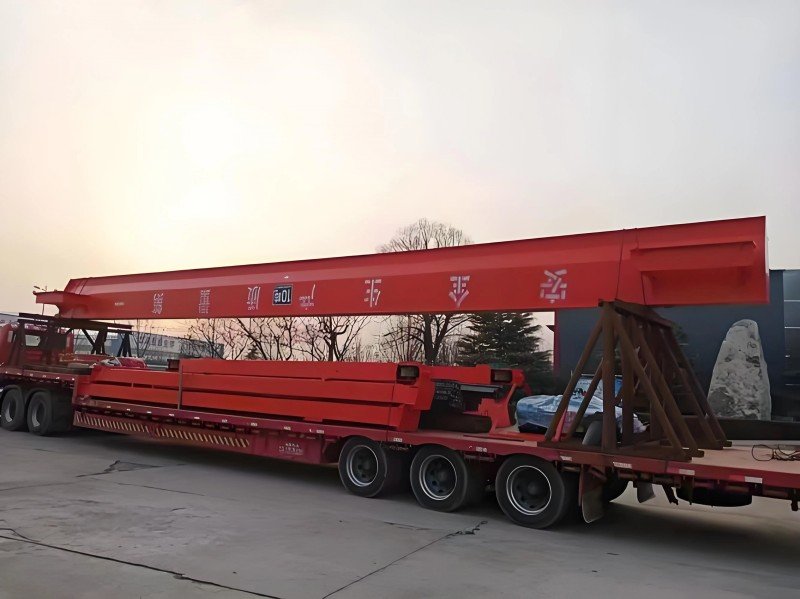
Cargo Dimensions and Weight
The dimensions and weight of cargo are the only two largest contributors to the cost of oversized cargo shipping.
These physical dimensions and weight determine nearly everything downstream: what equipment is necessary, how much space the order will take on a ship or a trailer, and what other handling or clearances are necessary. Any container that is greater than the standard container size – by the margin of a few centimetres – can initiate a surcharge on the space due to lost slots on a ship where neighbouring container spaces would not be occupied.
The important measurements work out as follows:
| Cargo Factor | Impact on Shipping Cost |
| Width | May require flat rack container; wider loads often need side extensions or multiple slots |
| Height | May require open top container; tall cargo prevents stacking and increases exposure risks |
| Length | May require specialized loading; extended lengths demand platform trailers or breakbulk arrangements |
| Weight | Requires heavy lifting equipment; heavier pieces raise crane, lashing, and reinforcement costs |
In my case of reviewing project quotes, a 20 percent difference in width or height can easily increase the cost 40-60 percent because of the necessity to find a unique solution and lower the use of vessels.
Organisations tend to resort to professional over-size cargo transportation services to assess the size of cargo and identify the most effective mode of shipping the consignments. Such a preliminary evaluation will avoid expensive surprises in the future.
Why Dimensions Trump Distance in Many Cases
Whereas the longer hauls charge in terms of miles, extreme sizes compel the carriers to use more resources per shipment. A heavy item that fits into a small package could be transported at a cost-effective rate over a distance of thousands of miles, but an object of odd dimensions that is tall or wide, even when only a short distance is covered, requires superior care, which drives the rate out of proportion.
Container Type and Transport Method
The type of container and the mode of transportation will have a direct influence on pricing on oversized shipments.
Gear that is not of the type that fits into standard dry containers is often an out-of-gauge cargo that involves specialized equipment on the part of the carriers. All the options have various base rates, slot usage fines, and handling charges.
| Transport Method | Cost Impact |
| Flat rack container | Moderate |
| Open top container | Moderate |
| Platform container | High |
| Breakbulk shipping | Very high |
Moderate oversize pieces are typically loaded on flat racks and open tops since it is possible to load the item either to the side or to the top, but platform containers (or full breakbulk on RoRo vessels) are required with very large or heavy items- and the rates are a factor reflecting the increased complexity and reduced productivity of the vessel.
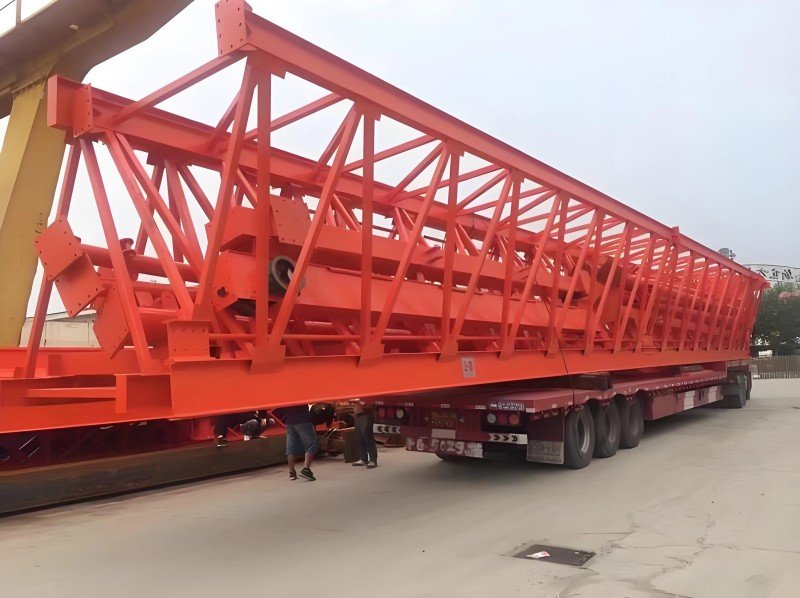
Matching Method to Cargo Profile
Making the wrong decision at the initial stage may result in a two-fold increase in expenses. Such things as trying to fit a tall object into a flat rack rather than an open top may appear cheaper at the moment, but cause unsafe loading, or cancellations. The best planners will always compare cargo spec against available equipment options prior to rate lock.
Loading and Cargo Securing Requirements
Handling oversized cargo is more time consuming and requires additional resources and skills, which increases the cost of doing business.
Normal containers may not need much action, however, large-sized items may need a lot of engineering on stability when rolling on the sea, vibrating on the road, or being lifted on the crane.
| Handling Activity | Cost Impact |
| Crane loading | Heavy lifting equipment |
| Cargo lashing | Securing materials |
| Wooden blocking | Cargo stabilization |
| Protective covering | Weather protection |
These measures cannot be neglected; unprofessional securing can lead to the damage of cargo, delays of vessels or even regulatory breaches. The workforce, materials, and engineering time come with additional costs which regular shipments do not have.
Transport Distance and Shipping Route
The distance of transport and the complexity of the route is still considered significant but they interact with the other factors mentioned above significantly.
The further the distance the higher the base freight rate, but route-related problems, including low bridges, narrow roads or even congested ports can increase the cost multiplied by detour, escort, or time limitation.
| Route Factor | Impact |
| Shipping distance | Higher freight rates |
| Port availability | Limited route options |
| Infrastructure restrictions | Additional planning |
| Transit time | Operational scheduling |
What seems to be a cheap direct ocean route may appear cheap until a low clearance requires an additional inland leg with escorts and permits.
Permits and Regulatory Requirements
Bulky cargo would need more than one permit and each permit would be an additional fee and lead time and administrative work.
The regulations are different depending on the country, state, or port but are there to secure infrastructure as well as human safety.
| Permit Type | Purpose |
| Oversized road permit | Legal transport approval |
| Escort vehicle requirement | Traffic safety |
| Bridge clearance permit | Infrastructure protection |
| Port authority approval | Cargo handling authorization |
Lack of these advanced can stop deliveries and charge demurrage or store bills way beyond the permit fees themselves.
Port Handling and Terminal Fees
Shippers who have not dealt with oversized operations are often caught by port handling and terminal fees.
Terminals are pricier to conduct heavy-lift operations, prolonged storage or specialized berthing.
| Port Service | Cost Reason |
| Heavy crane usage | High lifting capacity |
| Specialized cargo storage | Large cargo space |
| Labor supervision | Safety management |
| Terminal equipment scheduling | Operational coordination |
Such charges are based on cargo scale and complexity and can sometimes comprise 1020 percent of the total logistics cost.
Cargo Protection and Insurance
Cargo protection and insurance becomes more significant when the piece is of high value or vulnerable over size.
Basic shrink-wrap may be used in regular shipments, but larger items may require some strong safeguards to defy weather, corrosion, or movement.
| Protection Type | Purpose |
| Tarpaulin covers | Weather protection |
| Wooden crates | Structural protection |
| Cargo insurance | Financial risk protection |
| Anti-corrosion coating | Environmental protection |
Increases in the value of cargo lead to higher insurance costs, and protective packaging increases the direct costs of materials and Labor.
Industries That Frequently Ship Oversized Cargo
These high and fluctuating costs structures are a regular occurrence in certain industries.
| Industry | Typical Cargo |
| Construction | Excavators and cranes |
| Renewable energy | Wind turbine components |
| Oil & Gas | Drilling equipment |
| Manufacturing | Industrial machinery |
| Infrastructure | Steel structures |
These industries are usually under strict time limits on a specific project and the equipment is highly valued, and therefore it is crucial to have proper cost projections.
Conclusion — Oversized Cargo Shipping Costs Depend on Multiple Logistics Factors
The choice of oversized cargo shipping depends on more than one variable in the operations to calculate its cost and not just on one factor such as distance.
The size, weight, type of container, route complexity, permits and handling conditions of the oversized cargo also affect the overall cost of transporting the cargo. By critically considering these issues at the planning stage, the firms will be able to make more precise budgets, choose the most suitable transport means, and avoid any budget overrun. In project cargo, where just one or two surprises can be costly, detailed initial analysis is among the most effective expenses management methods.