
Oversized cargo transportation is the transportation of cargo that is larger than the normal limits of shipping dimensions or weight like heavy machinery, industrial machines, or large structural parts. Due to such extreme dimensions, large cargo logistics demand special transport equipment, regulatory authorizations and attentive route planning. Most companies believe that oversized cargo transport is an extension of the normal freight shipping which is bigger, however, in the real life, it is a lot more complex in planning, infrastructure limitations as well as safety issues. Cargo transportation is very complex as compared to general freight shipping because of dimensional constraints, infrastructure restrictions, and the aspect of safety. The transportation of oversized cargo successfully involves managing several aspects of its operations in terms of logistics planning and coordination.
During the years of my supervision of project cargo deliveries of infrastructure development projects and export of heavy equipment, I have observed how these issues may ruin even the best intentions without early anticipation. This guide subdivides the most frequent issues in the oversize cargo shipments relying on actual cases which reveal the necessity of special tactics. Logistics planners and coordinators are likely to reduce the risks and provide an efficient delivery by being aware of such oversized freight transportation issues.
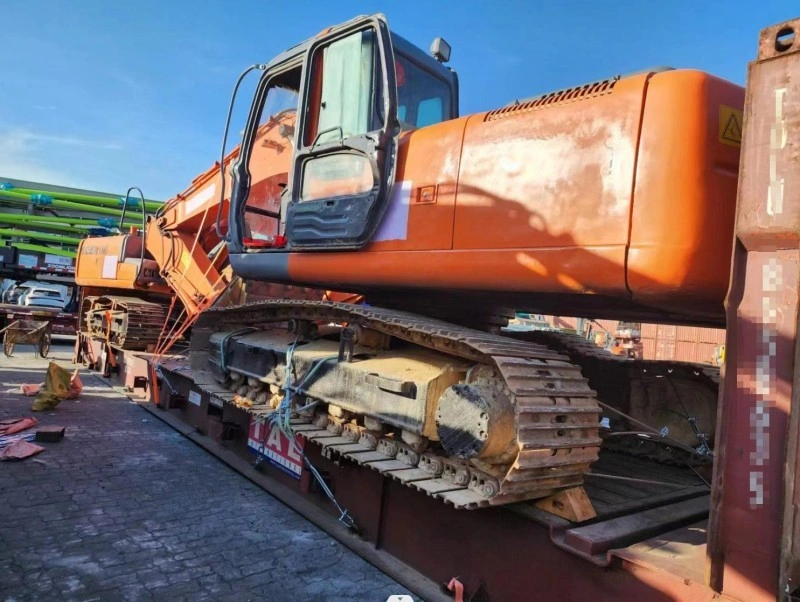
Size and Weight Limitations
Average size and weight restrictions can also be viewed as the initial obstacle that complicates the logistics of oversized cargo significantly compared to working with the regular-sized containers. Cargo by definition that is oversized is above the normal size of shipping units, including ISO, which is uniform and easily handled. This surplus may be on either one of the four dimensions; width, height, length and weight to push planners to re-evaluate all elements of the transport chain.
As an example, we can mention the following common restrictions:
| Cargo Dimension Factor | Typical Limitation |
| Width | Exceeds container width (usually 8 feet or 2.4 meters) |
| Height | Cannot fit inside containers (standard height limit around 8.5 feet or 2.6 meters) |
| Length | Longer than container platform (standard 40 feet or 12 meters) |
| Weight | Exceeds crane or transport capacity (often over 20-30 tons per unit) |
These restrictions require special means of transport such as either flat racks or open-top containers, or even break-bulk, in which the cargo is picked up one by one. As an example, when I was coordinating a delivery of wind turbine blades recently, the length of one shipment, which was more than 50 meters, had to be carried by modular trailers and surveying of routes to avoid low bridges. Shipments are delayed or discarded altogether at ports without prior treatment and this is why when the size of cargo is larger than the usual size available in shipping services, the services of professional oversize cargo transportation are needed.
Infrastructure and Route Restrictions
Roadblocks and infrastructure limitations often make a what would have been an intuitive trip into a logistical exercise requiring a thorough pre-course arrangement to prevent both expensive reroutes and expenses. There are no roads, bridges, tunnels and ports constructed on oversized loads and any slight difference in cargo specifications may cause significant impediments.
The following is a description of some of the key infrastructure factors and their effects:
| Infrastructure Factor | Impact on Transport |
| Bridge clearance | Height restrictions that can block tall loads |
| Road width | Limits wide cargo movement, risking roadside hazards |
| Tunnel height | Vertical clearance limits, often requiring detours |
| Port crane capacity | Lifting limitations for heavy items, affecting unloading |
These are directly related to transport planning and necessitate route surveys and engineering analysis. In one of the engineering logistics projects, which required transformers of larger sizes, we needed to plot alternative paths through hundreds of miles to avoid low-clearance bridges, which cost the project days. These massive cargo transportation imperatives underscore the importance of geospatial analysis and coordination with the local authorities on its viability to avoid scenarios of ground surprises on the ground, which might compromise the safety or time schedule.
Strategies for Navigating Infrastructure Constraints
To deal with them, seasoned planners usually use 3D modeling to simulate routes and find pinch points prior to the mobilization of cargo. This is to minimize the challenges faced in project cargo transportation by combining live information on the roads conditions and construction areas.
Permit and Regulatory Requirements
Regulatory and permit issues are layers of administrative ordeal that will effectively paralyze oversized cargo movement in the absence of careful attention at the very beginning. As opposed to conventional freight, which is usually shipped without elaborate documentation, oversized freights cause a chain reaction of approvals because they may affect the community infrastructure and safety.
Common permit types include:
| Permit Type | Purpose |
| Oversized transport permits | Legal road transport authorization |
| Route approval permits | Infrastructure safety verification |
| Port handling permits | Port operation clearance for specialized handling |
| Export documentation | Customs compliance for international shipments |
Adherence is imperative since failure to do so may attract fines, seizure or even stoppage which I have experienced during international transport of heavy equipment whereby delivery of equipment was delayed to take more than a week at the border due to non-conformity between permits. These laws differ depending on the jurisdiction and therefore extensive research on local legislation will not be a compromise and all the bureaucracies associated with oversized cargo logistical issues will be tackled at the outset to ensure that the momentum continues.
Cargo Loading and Securing Challenges
The issue of cargo loading and securing poses a problem because of the instability of oversized goods, where the improper methods may cause disastrous consequences in the course of transportation. The magnitude of these loads may require specialized strapping since off the shelf strapping may not be enough to evenly distribute forces.
The major issues and risks are:
| Challenge | Risk |
| Uneven weight distribution | Transport instability and tipping |
| Improper lashing | Cargo shifting during movement |
| Inadequate support structures | Structural damage to cargo or vehicle |
| Incorrect load positioning | Safety hazards for handlers and drivers |
The process of securing needs experience since the issues such as center of gravity and tolerance to vibration have to be computed accurately. Based on one of the factory relocation projects, we employed hydraulic jacks and home-built cradles to stabilize a 100 ton press, which could easily be damaged by shifting and hitting the transport, so it was necessary to stabilize the press. This degree of attention in the plan reduces the general issues with the over-sized cargo shipment as it focuses on solving the problems based on physics rather than generic approaches.
Best Practices in Load Securing
The addition of the dramatic stress points through the use of finite element analysis and the application of certified lashing material can convert these risks into things that can be dealt with and it is certain that the standards followed, such as those of the international standards, such as the IMO.
Limited Transport Equipment Availability
The lack of transport equipment is a major bottleneck because the specialized equipment required in the oversized loads is not as widespread as the regular-sized containers are. This is due to the high cost and maintenance of such equipment and hence can result in months long booking lead times.
Types of equipment that are necessary are:
| Equipment Type | Purpose |
| Flat rack containers | Wide cargo accommodation |
| Open top containers | Tall cargo with overhead loading |
| Heavy-lift cranes | Ultra-heavy cargo lifting |
| Specialized trailers | Land transport for irregular shapes |
availability of equipment has a direct impact to scheduling because any delay in acquiring a heavy-lift vessel can lead to project schedule delays. When it comes to EPC contractors, I have learned that the main reason to book equipment way ahead (usually half a year beforehand) is to prevent the high cost of last-minute rent, and resolve the problem of oversized freight transportation by predicting it.
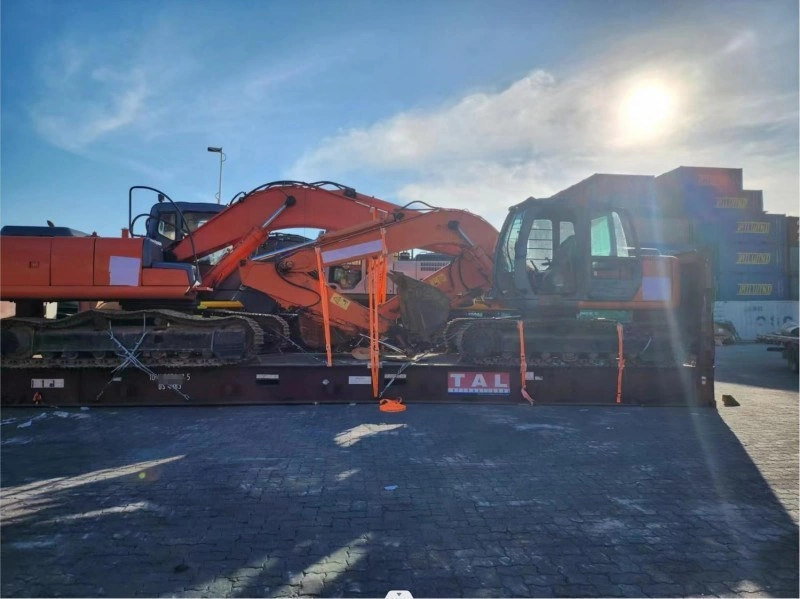
Coordination Between Multiple Logistics Stakeholders
Liaison among various logistics parties is necessary but hard, considering the diverse skills that are needed in order to organize the shipment of an oversized ship. Disagreement between parties may increase delays and error multi-folds.
The major stakeholders usually are:
- Ocean transit lines shipping arrangements.
- Port authorities dealing with and berthing permissions.
- Clearing and inspection customs agencies.
- Move operators of heavy transport by overland.
- Designing load planning and load simulation engineering teams.
The coordination is important as the input of one stakeholder influences the all others i. e. the schedule of the crane should be synchronized with the arrival of the shipping line. As part of delivering infrastructure projects, I have been able to see that frequent meetings of statuses and joint digitalization platforms are essential to align efforts to eliminate project cargo logistics issues due to clear communication.
Cost and Scheduling Risks
Risks related to cost and schedule associated with oversized cargo transport are based on the premium on the specialized resource and budgets are unstable unless strictly managed. These operations are more expensive in nature as they are bespoke with each shipment.
Major cost factors include:
| Cost Factor | Impact |
| Specialized equipment | Higher transport cost from rentals and operations |
| Route planning | Engineering expense for surveys and modeling |
| Permit processing | Administrative cost for applications and fees |
| Transport delays | Project schedule risk leading to penalties |
The cost of oversized cargo transportation is higher due to the fact that all aspects, both the equipment and insurance, increase according to the complexity of the load. The unexpected delays in obtaining the necessary permits in one of the heavy equipment export deals increased the budget by 20% which explains the necessity of contingency planning as a tool of managing such oversized cargo transportation risks.
Conclusion — Oversized Cargo Logistics Requires Expert Planning
The transportation of the oversized cargo poses special logistic problems that demand a special coordination and planning. Overcoming the limitation of infrastructure, regulatory measures, securing cargo, and equipment is a key to the successful transportation of oversized cargo. These complexities can be managed by ensuring that planners focus on comprehensive evaluations and alignment with the stakeholders so that safe and efficient results are attained without any unnecessary delays. This disciplined and well-practiced methodology guarantees that sponsorship of even the most exerting deliveries to their locations is done intact and in time.