
Extra large shipments have much more risks, as compared to normal freight movements. The mass, irregular shapes and high weight of such loads imply that the most basic of problems during transit could result in severe structural failure, failure of the component or total lack of integrity. During my years of experience in project cargo logistics, I noticed that most companies undervalue the fact that damage occurs in only one of the major accidents, such as collision or rollover. The truth is otherwise–the majority of problems are caused by the ordinary aspects of life such as inadequate loading, insufficient fastening or unattended environmental vulnerability.
To avoid damage of oversized cargo, it is necessary to prepare the cargo correctly, use the professional method of securing and organize logistics. When these factors are done appropriately, the probability of incurring expensive claims and project overruns is significantly minimized.
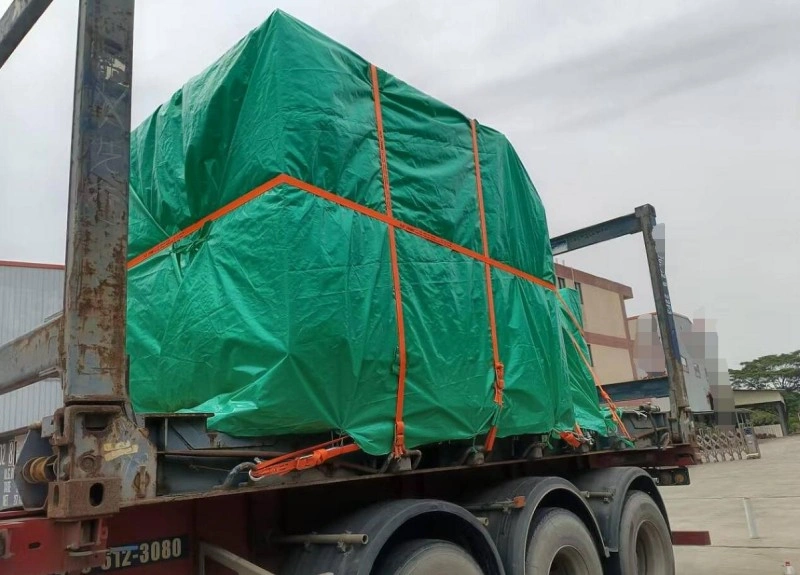
Common Causes of Damage in Oversized Cargo Transport
Most of the damage that occurs during the transportation of oversized cargo can be attributed to avoidable weaknesses in the operations as opposed to uncontrollable external circumstances. With loads more than typical dimension or mass, small errors multiply fast with the centres of gravity, disproportional stress distribution, and exposure in the course of multi-modal moves.
The commonest offenders I have come across are:
| Cause of Damage | Description |
| Improper cargo securing | Cargo shifts during transport due to insufficient or loose tie-downs, especially under braking, acceleration, or road vibrations. |
| Inadequate packaging | Lack of protective materials leaves cargo vulnerable to scratches, dents, or environmental exposure like rain and salt. |
| Incorrect load distribution | Uneven weight placement creates structural stress, tipping risks, or trailer instability on turns and inclines. |
| Poor handling procedures | Rough crane lifts, improper rigging, or rushed loading/unloading often results in equipment damage or surface impacts. |
These hazards are prominent in large cargo transport since the freights do not easily fit into closed containers- all the movements exert forces in an unequal manner as usual freights. Special cargo securing and protection measures are generally involved in the professional oversize cargo transportation services to minimize the risk of damages. One of the most effective measures in ensuring that the project cargo transport is not damaged is dealing with such early in the planning.
Proper Cargo Preparation Before Shipment
The preparation prior to any movement cannot be compromised on what to do in order to secure oversized cargo during shipping. It is usually a step which should not be skipped or hurried, and only at hundreds of miles of transportation it turns out to be a problem.
The major preparation steps would be:
| Preparation Step | Purpose |
| Equipment inspection | Identify structural vulnerabilities, weak points, or loose components that could fail under transport stresses. |
| Protective wrapping | Prevent weather damage from rain, humidity, or salt spray during ocean or road legs. |
| Component disassembly | Reduce transport risk by breaking down tall or protruding parts to lower overall height and improve stability. |
| Surface protection | Avoid scratches, corrosion, or abrasion with padding, films, or coatings on sensitive areas. |
When properly prepared, i.e. with careful technical drawings and calculations of the center-of-gravity, it reduces the chances of damage greatly. I have also witnessed loads that were not prepared and came in with bent frames or broken housings just because fundamental protection was not taken into consideration.
Choosing the Right Transport Equipment
The choice of equipments is a preliminary measure which has a direct impact on the stress levels of cargo on the way. The inappropriate decision causes compromises on the means of securing or the load gets exposed unnecessarily.
Popular ones and their most effective uses:
| Equipment Type | Best Use Case |
| Flat rack containers | Wide cargo that needs side or top loading access. |
| Open top containers | Tall equipment where height exceeds standard limits. |
| Breakbulk vessels | Extremely large machinery that can’t containerize. |
| Heavy-lift cranes | Ultra-heavy cargo requiring precise positioning. |
The process of aligning the equipment with the dimensions and weight distribution of the cargo reduces flexing, transfer of vibration and forces. Flat racks and open tops, e.g., are more easily lashed than compressing large objects into regular boxes.
Cargo Securing Methods for Oversized Freight
Large-sized restraining tools constitute the fundamental protection in the transportation against transportation. Professional lashing does not simply mean tying down but it is actually designed to resist certain dynamic forces, such as longitudinal, transverse, and vertical accelerations.
Good strategies that I have resorted to:
| Securing Method | Purpose |
| Chain lashing | Stabilize heavy cargo with high strength and durability. |
| Wire rope securing | High-tension restraint for long-term stability on ocean voyages. |
| Wooden blocking | Prevent cargo movement by filling voids and distributing pressure. |
| Steel support frames | Structural reinforcement for irregular or top-heavy loads. |
Professional lashing is important since overweight loads are prone to increased forces on the untidy roads, swells at sea, or rail switches. Certified materials, calculated tensioning and periodic re-checking are used to assure that the set-up doesn’t collapse due to excessive stress on the cargo itself. The practice of lashing of oversized cargo should never be done on general principles but according to plans pertaining to load.
Protecting Cargo from Environmental Damage
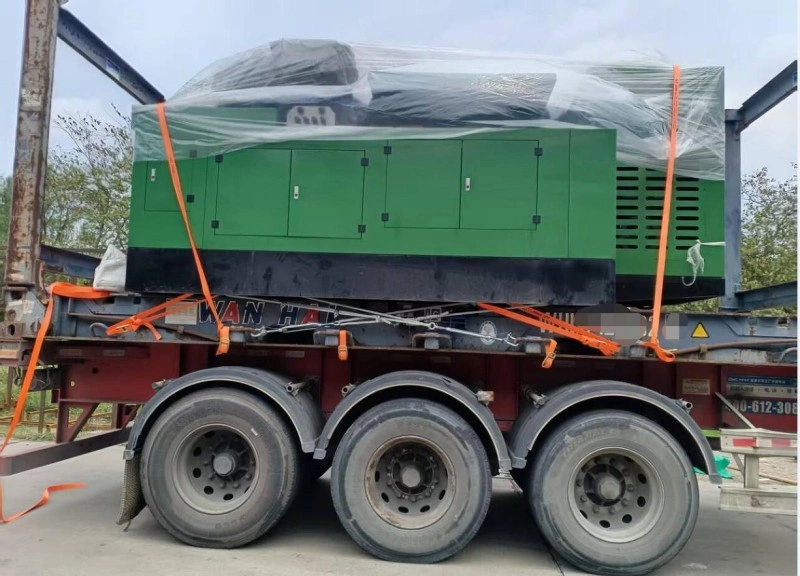
Multi-modal and long-distance shipments present oversized cargo with extended environmental risks on the order of those rarely encountered by the normal freight cargo.
Primary risks and countermeasures:
| Environmental Risk | Protection Method |
| Rain and moisture | Waterproof wrapping or tarpaulins with proper drainage. |
| Salt corrosion | Protective coatings or desiccants in enclosed areas. |
| UV exposure | Cover protection to prevent material degradation. |
| Temperature changes | Insulation materials for sensitive mechanical or electronic components. |
These exposures are increased with ocean legs or cross-continental hauls and thus the layering of protection- VCI films under tarps is important in the prevention of cargo damage.
Importance of Proper Loading and Handling
Unloading and loading are potentially dangerous times and the source of damage can be improper technique or improper match between equipment.
Standard applications/methodologies:
| Handling Method | Use Case |
| Crane lifting | Extremely heavy cargo requiring controlled placement. |
| Ramp loading | Mobile machinery that can self-drive on/off trailers. |
| Heavy-lift cranes | Ultra-heavy equipment with precise rigging needs. |
| Specialized rigging | Irregular cargo shapes demanding custom lift points. |
Mishandling, including loading slings that are too small, making unequal lifts, or not observing lifting points are often the cause of dents, frame twists, or internal component movement. Never concede on licensed riggers and pre-lift tests.
Monitoring Cargo During Transportation
The most preparation, securing falls flat without the ability to see the condition of the load on its way.
Empirical monitoring strategies:
| Monitoring Method | Purpose |
| Cargo inspection points | Identify movement or securing issues at key stops. |
| GPS tracking | Shipment visibility for route adherence and ETA. |
| Load monitoring sensors | Stability tracking with real-time alerts for shifts. |
| Regular cargo checks | Prevent structural failure through periodic verification. |
Sensors detecting tilt, vibration, or tension, among other real-time indicators, can assist in the detection of problems in their early stages and, therefore, prevent the development of minor issues into major ones.
Conclusion — Preventing Damage Requires Professional Logistics Planning
Damage prevention has also been one of the most significant areas of oversized cargo logistics. In the event that loads are received without damages, projects will remain on time and budgets will be kept within control.
The issue of appropriate cargo preparation, oversized cargo securement procedures, appropriate transport equipment, and adequate logistics planning play a crucial role in ensuring the damage in the shipping of oversized cargo. The steps are stacked up to result in a process that might otherwise have been a high-risk procedure becoming a dependable one. In my experience, the least incidents and least insurance headaches always belong to the companies that take time in the initial stages to develop it.