
Labels are the crucial visual communications that alert the public to the hazards associated with the transport, storage and handling of dangerous goods. These labels, along with the markings including UN numbers, proper shipping names, placards, and handling instructions, provide a complete risk communication system that allows carriers, port operators, customs, emergency responders, and logistics providers to identify hazardous cargo properly and deal with it safely throughout the supply chain.
Labeling hazardous cargo should be considered a safety control rather than a last step before loading for shipment. Labeling for hazardous cargo is something that many shippers have a misconception about, as they feel it is only required for customs clearance or for the carrier. In fact, these labels and markings support all the operations, from storing in the warehouse, loading to segregating, handling at the port, emergency response, up to final delivery, avoiding mistakes which may delay the process, incur fines, cause rejections, or have a dramatic impact.
What Are Hazardous Cargo Labels and Markings?
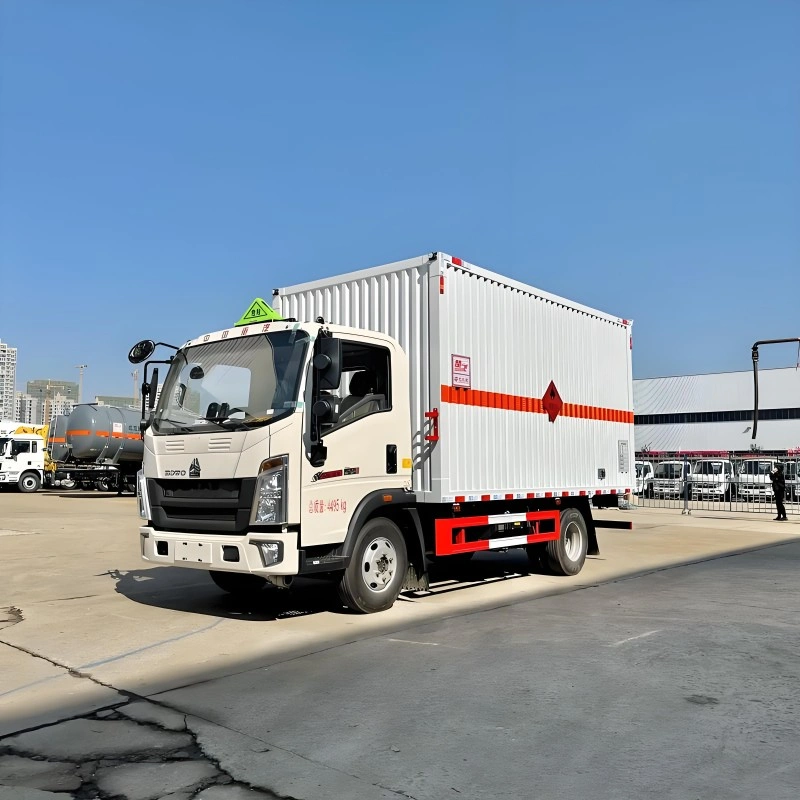
Hazardous cargo labels and markings are the backbone of dangerous goods compliance, as they instantly and clearly convey information and details on hazards and handling requirements. Labels provide only identification of hazard classes, but markings provide shipment-specific information, and placards increase visibility for larger units (containers or vehicles). To ensure there is no miscommunication, all elements need to match exactly with the nature of the cargo and accompanying paperwork.
| Item | Meaning | Where It Is Usually Applied |
| Hazard Label | Shows the hazard class visually | Packages, drums, cartons, crates |
| UN Number | Identifies the dangerous substance or article | Packages, labels, documents, containers |
| Proper Shipping Name | Official transport name of the hazardous cargo | Documents and package markings |
| Handling Mark | Gives handling instructions such as orientation or temperature control | Packages and outer packaging |
| Placard | Larger hazard identification sign | Containers, trailers, tank units |
Why Correct Hazardous Cargo Labeling Matters
Accurate hazardous materials marking is important because all shipments are handled by many people and each team, from WMS to vessel crew, depends on having the right, consistent information about risk to ensure safe decisions. Its absence can lead to expensive or dangerous situations even in the case of basic operations.
For shippers managing chemicals, batteries, flammable goods, or other regulated cargo, it is important to learn more about hazardous cargo handling before finalizing packaging, labeling, and shipment documentation. From identification and safe loading to segregation, carrier acceptance, customs clearance, and quick response in case of emergencies, proper labelling is essential, and helps to avoid delays, errors, or even rejected shipments.
| Why It Matters | Practical Impact During Transport |
| Risk Identification | Helps handlers recognize danger before moving the cargo |
| Segregation Control | Prevents incompatible materials from being stored or loaded together |
| Emergency Response | Helps responders identify risks quickly during leaks, spills, or fire |
| Carrier Acceptance | Supports shipment approval by freight carriers and terminals |
| Regulatory Compliance | Reduces risk of fines, delays, or rejected cargo |
| Operational Safety | Helps loading teams use correct equipment and procedures |
Common Hazard Labels Used for Dangerous Goods
The common hazard labels for dangerous goods are directly linked to the level of risk classification for the cargo and must appropriately reflect its actual hazards to ensure safe handling from origin to destination. These standardised symbols enable easy identification by all personnel, even those without specialist training.
| Hazard Label / Class | Typical Cargo Example | Main Risk |
| Explosive | Certain industrial explosives or pyrotechnic materials | Explosion risk |
| Flammable Gas | Aerosols, LPG cylinders, certain industrial gases | Fire and pressure risk |
| Flammable Liquid | Solvents, paints, fuels, chemical liquids | Fire and vapor ignition |
| Flammable Solid | Certain powders or reactive solids | Fire during friction or heat exposure |
| Oxidizer | Peroxides, oxidizing chemicals | Intensifies fire risk |
| Toxic Substance | Certain pesticides or toxic chemicals | Health hazard if leaked or inhaled |
| Corrosive | Acids, alkalis, corrosive cleaners | Burns, container damage, equipment corrosion |
| Miscellaneous Dangerous Goods | Lithium batteries, magnetized materials, dry ice in some cases | Varies by cargo type |
| Environmentally Hazardous | Marine pollutants or hazardous chemicals | Environmental contamination |
UN Numbers, Proper Shipping Names, and Hazard Classes
UN numbers, correct shipping names and hazard classes communicate the exact technical identification which can only be communicated visually by hazard labels, making these a data source for carriers and authorities. Correct information here prevents misclassification which is a common problem for shipments that are rejected at ports or terminals.
| Information Type | What It Tells the Carrier | Why It Must Be Accurate |
| UN Number | Identifies the hazardous substance or article | Helps carriers and responders understand the cargo risk |
| Proper Shipping Name | Provides the official transport name | Avoids unclear or informal product descriptions |
| Hazard Class | Shows the main danger category | Supports correct handling and segregation |
| Packing Group | Indicates the degree of danger where applicable | Helps determine packaging requirements |
| Net / Gross Quantity | Shows shipment amount | Supports transport planning and documentation checks |
Handling Marks and Special Markings for Hazardous Cargo
But whether or not the information will actually be accessible during handling is as much about where labels and markings are placed as it is about which ones to use. Even if the label is perfect, if it is not placed correctly, it will be ineffective once the cargo is palletized, wrapped or loaded.
| Handling Mark | When It Is Used | Practical Purpose |
| Orientation Arrows | Liquid packages or packages requiring upright handling | Prevents leakage from incorrect positioning |
| Keep Dry | Moisture-sensitive chemicals or packaging | Reduces risk of packaging failure |
| Temperature Control | Heat-sensitive or cold-sensitive hazardous cargo | Helps maintain safe cargo conditions |
| Marine Pollutant Mark | Substances harmful to the marine environment | Supports environmental compliance |
| Overpack Mark | When packages are consolidated inside outer packaging | Shows that inner package labels remain relevant |
| Fragile / Shock-Sensitive | Cargo vulnerable to impact or vibration | Alerts handlers to reduce rough handling |
Where Labels and Markings Should Be Placed
Many times the problems with shipments occur because of simple errors made during the haste of preparing the packing list, and they can lead to shipments being rejected by the carrier, or held up by customs or safety issues. The early detection of these problems can save valuable time and expense.
| Cargo / Packaging Type | Label Placement Consideration |
| Drum | Place labels on a clean, visible side surface; avoid curved distortion where possible |
| IBC | Labels should be visible from normal handling positions |
| Carton | Place labels on flat surfaces, away from edges or tape seams |
| Wooden Crate | Labels may need durable plates, printed marks, or waterproof label protection |
| Palletized Cargo | Ensure labels remain visible after wrapping and strapping |
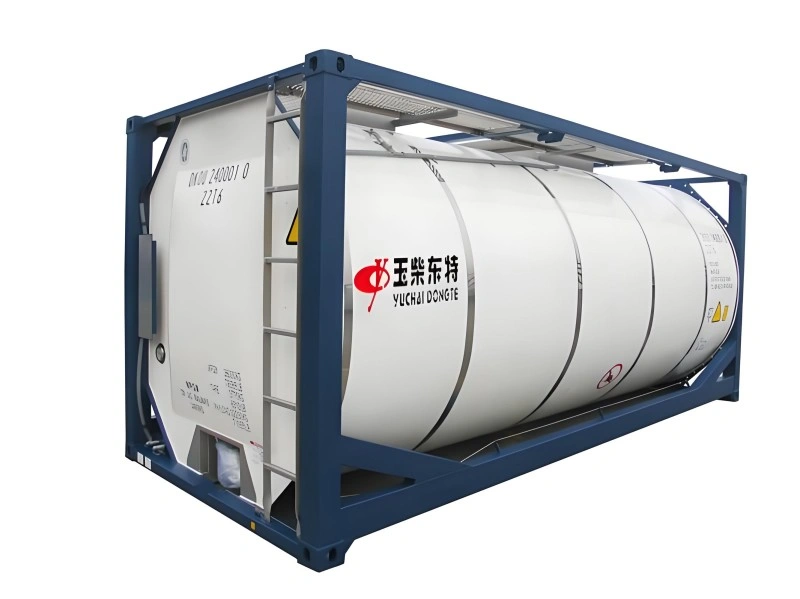
| Container / Trailer | Placards should be visible on required sides and not blocked by equipment |
Common Labeling Mistakes That Cause Shipment Problems
The value of labels in emergencies is immediately apparent when the spill, fire, or container break occurs, as the first responder needs to have access to timely and precise hazard information to keep people, property and the environment safe. Clear markings minimise guesswork and accelerate decision making.
| Labeling Mistake | Possible Consequence |
| Wrong hazard label | Carrier rejection or unsafe handling |
| Missing UN number | Documentation mismatch and compliance delay |
| Damaged label | Poor hazard visibility during transport |
| Hidden label after wrapping | Warehouse or port teams may miss risk information |
| Inconsistent documents | Customs, carrier, or terminal delays |
| Reused packaging with old labels | Misclassification or confusion |
| Missing orientation arrows | Increased leakage risk for liquid cargo |
How Labels Support Emergency Response
A practical checklist is used before shipping hazardous cargo to ensure that nothing is forgotten after the cargo leaves the warehouse or factory floor. A last-minute check ensures that the shipment doesn’t get sabotaged by any inconsistencies.
| Emergency Situation | How Correct Labeling Helps |
| Spill or Leak | Identifies chemical hazard and containment priority |
| Fire | Shows whether water, foam, isolation, or special response may be needed |
| Cargo Damage | Helps teams decide whether cargo can be handled safely |
| Exposure Risk | Supports PPE and isolation decisions |
| Environmental Release | Helps responders control contamination faster |
Practical Checklist Before Shipping Hazardous Cargo
A practical checklist before shipping hazardous cargo ensures nothing is overlooked once the cargo leaves the warehouse or factory floor. A quick final review catches inconsistencies that could otherwise derail the entire shipment.
| Checklist Item | Confirmed |
| Hazard classification verified | Yes / No |
| UN number confirmed | Yes / No |
| Proper shipping name matches documentation | Yes / No |
| Correct hazard label applied | Yes / No |
| Placards applied where required | Yes / No |
| Orientation arrows added for liquid packages | Yes / No |
| Overpack marks added if needed | Yes / No |
| Labels visible after wrapping or palletizing | Yes / No |
| Labels are durable and readable | Yes / No |
| Documents match package markings | Yes / No |
How Logistics Providers Help Verify Labeling and Marking Requirements
By pre-checking the shipment’s documentation, the packaging visibility and cargo details, experienced logistics providers ensure that the label and marking requirements are met before the shipment continues. Shippers are completely responsible for classification and labeling, but their professional classification partner has the ability to signal potential problems with carrier acceptance, route restrictions or segregation planning, which can minimize unnecessary delays.
Conclusion — Labels Are a Critical Part of Hazardous Cargo Safety
Safety labels and markings may appear to be simple, however they contain vital information for all concerned when transporting dangerous goods. Use of labels – if they are correct, visible and in line with documentation, this will facilitate correct handling, minimize delays and aid in quicker response in the event of problems.Labels and markings for hazardous cargo are vital safety and compliance tools which must correspond with the cargo classification, UN number, proper shipping name, and documentation and handling instructions. As well as the correct selection of the label, placement and durability are significant. Shippers ought to check labels before loading, palletising, containerising and transportation. Labeling minimizes miscommunication and enhances safe cargo handling throughout the supply chain.