
Oversized cargo shipments are characterized by a greater level of risks due to a large size, a lot of weight, and the specifics of handling. These loads may result in delays of transport, damage of infrastructure or even the full loss of cargo unless proper safety planning is done. Transport cost or a strict schedule is important in the over-sized cargo logistics of many companies, yet the safety planning needs to be completed first-hand at no cost.
To ensure the safety of the oversized cargo transportation, a structured oversized cargo shipping safety checklist is needed. This has occurred in my years of coordinating the movements of project cargo and how all it takes is a single step in the wrong direction to make an otherwise ordinary heavy haul a huge incident. This guide was based on real life experience in operations to take one through the critical checks followed by professional teams.
Why Safety Planning Is Critical in Oversized Cargo Transport
Safety planning is not an option in oversized cargo transportation, it is the background that helps to avoid a disastrous failure.
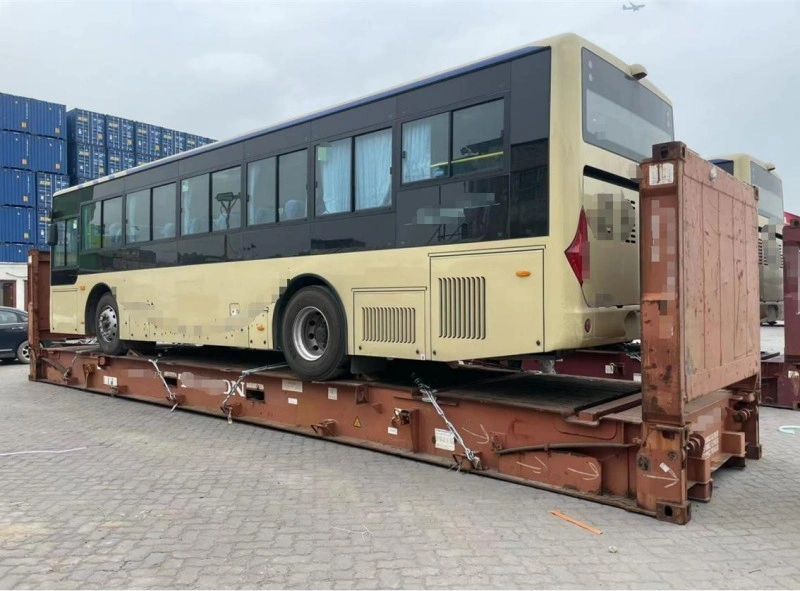
The peculiarities of the risks are also conditioned by the size of the cargo: the pieces are frequently beyond the norms of containers, and it is necessary to use open-top or flat rack trailers or special ones. A change of center of gravity, exposure to the wind, or road dynamics may soon result in hazardous conditions. The operations of the professional over size cargo transportation are normally implemented in cases of rigid safety planning in order to lower the risks of its operations.
The following are some of the most prevalent risk factors and their possible impacts:
| Risk Factor | Potential Consequence |
| Improper cargo securing | Cargo shifting during transit |
| Incorrect weight distribution | Transport instability or rollover |
| Insufficient route planning | Infrastructure damage (bridges, roads) |
| Inadequate equipment | Loading accidents or equipment failure |
These are not hypothetical, I have seen almost collisions due to improper distribution of loads or ignored clearances. Severe safety measures are necessary due to the fact that the margin of error is extremely low with size and mass. The safety planning of project cargo will require risk detection at all levels.
Pre-Shipment Safety Checklist
The initial line of protection in any oversized cargo shipment safety checklist is pre-shipment inspections- get this one wrong and the subsequent ills increase.
Do not leave any detail to be verified anywhere except on the ground. Hurried measurements or omissions in checks and balances usually result in the future rework or safety violations.
| Checklist Item | Purpose |
| Cargo measurement verification | Confirm dimensions match transport plan |
| Structural inspection | Identify weak points or stress areas |
| Packaging and protection | Prevent damage from weather/elements |
| Documentation preparation | Ensure compliance with regulations |
Detailed before shipment inspection lowers risks since problems are identified in time. An example is that, when a structural crack is found during measurement, reinforcement may be provided before loading and the failure will not take place in mid-way. With international deliveries, when half a document stops the clearing process completely– always check permits, drawings, certifications.
Loading Safety Checklist
One of the most significant and hazardous phases in the process of the assurance of safety in the shipping of oversized cargo are the loading.
One error in lift or placement may damage cargo, equipment or people. Skilled crews will not consider loading a hurry job.
| Loading Safety Step | Purpose |
| Crane capacity verification | Prevent lifting accidents |
| Load balance assessment | Maintain stability during lift |
| Equipment inspection | Ensure safe operation |
| Personnel safety briefing | Prevent workplace accidents |
Why so much emphasis here? The lifting forces at the first lift are enormous. I have managed loads on which, due to the double-checking of crane charts, there is a risk of overloading the cranes, which might have tilted the balance, literally. Before the first lift, always verify the rigging angles, sling capacities and stability of the ground.
Cargo Securing Safety Checklist
When a load is properly lashed it becomes a stable load–that is where most of the excessive freight transportation safety programs either work or fail.
To overcome the long distances, securing must resist all the possible forces: acceleration, braking, turns, and wind as well as vibration.
| Securing Method | Safety Purpose |
| Chain lashing | Stabilize heavy cargo |
| Wire rope securing | High-tension restraint |
| Wooden blocking | Prevent cargo movement |
| Steel support frames | Maintain structural stability |
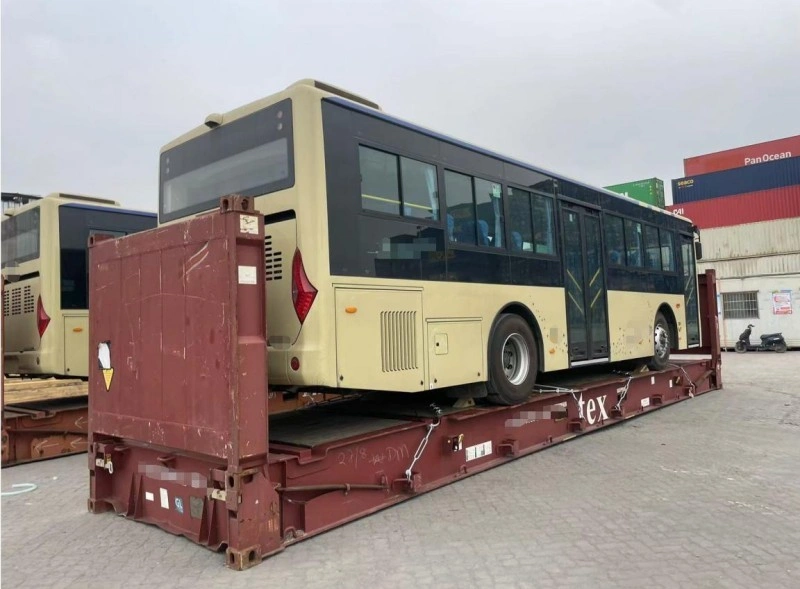
The lashing should also be properly done since unsecured movement increases risks exponentially. Practically, I will always indicate the lashing patterns as dependent on the type of cargo, machine base-chains, timber blocking on irregular shapes, tension checks at numerous points. Avoid typical failures by adhering to standards such as CTU Code or FMCSA guidelines.
Transport Route Safety Planning
The course of action defines a path in which the trip will remain safe or experience some of the dangers it can avoid.
Ignoring clearances or restrictions will transform what could have been an otherwise viable haul into a nightmare of routes or destruction.
| Route Factor | Safety Consideration |
| Bridge clearance | Height limits |
| Road width | Cargo movement feasibility |
| Tunnel restrictions | Vertical clearance |
| Traffic conditions | Transport timing |
Tracking Route planning helps avoid accidents through the matching of load to infrastructure. The overhead lines, weight bridges and measuring the movements of the low-traffic windows are measured by survey teams. In one of our projects conduction around a low bridge saved weeks of time – always allow alternatives to build.
Port Handling Safety Procedures
There are more variables which port operations bring with it: several handlers, overlapping space and heavy crane work.
The use of careful coordination keeps things in check.
| Port Safety Factor | Purpose |
| Crane capacity check | Safe lifting operations |
| Cargo staging area | Prevent congestion |
| Handling equipment inspection | Avoid accidents |
| Communication coordination | Operational safety |
Planning of operations in ports is important due to the lack of space and regular movements. Make pre-arrangements in staging, ensure equipment ratings, and ensure clean radio procedures. It is here miscommunication has resulted in collisions that I have been called on to resolve- proactive briefings are the difference.
Transport Monitoring Safety Checklist
This does not mean that the work stops upon departure, but rather, constant supervision helps in detecting problems before they blow up.
Immediate visibility plays an important role in multimodal or long-haul shipments.
| Monitoring Method | Purpose |
| GPS tracking | Shipment visibility |
| Cargo inspection points | Check stability |
| Load sensors | Monitor cargo movement |
| Transport escort vehicles | Safety control |
Monitoring minimizes tort risk in transportation through fast response. Early detection of shifts is done by sensors, management of traffic is done by escorts and scheduled stops enable visual checks. This is especially crucial in the case of remote routes, where I have had to plan on the fly during the journey due to sensor alarms to avoid the problem getting out of hand.
Conclusion — Safety Planning Is Essential for Oversized Cargo Shipping
The transportation of oversized cargo is a complicated process which involves a lot of safety measures taken all the way through.
The safety checklist of oversized cargo shipping is designed in the form of the structure that comprises the preparation, loading, securing, route planning, port handling and monitoring to ensure the security of the oversized cargo shipping. The prioritization of safety by the logistics teams reduces the number of incidents, assets, and provides reliability. When stakes are high, as is the case with project cargo, disciplined experience-based planning is no substitute.