
ISPM 15 certification applies to the international control of wood packaging material for international trade in order to stop the spread of destructive pests. To the exporter this will imply that many of their export wooden crates will have to be treated and marked before the export. Failure to comply may result in customs delays, quarantines, repacking at port and unplanned delays, all of which could impact project timelines and costs.
For the shipment of heavy machinery, industrial equipment, or oversized project cargo, proper ISPM 15 compliance is a part of the crate design and packing plan, and not an afterthought. Many shippers think that a sturdy crate made of wood will pass customs, but the inspectors will pay attention only to the treatment status and official markings on the wooden parts. Preparing ahead of time ensures the smooth flow of cargo.
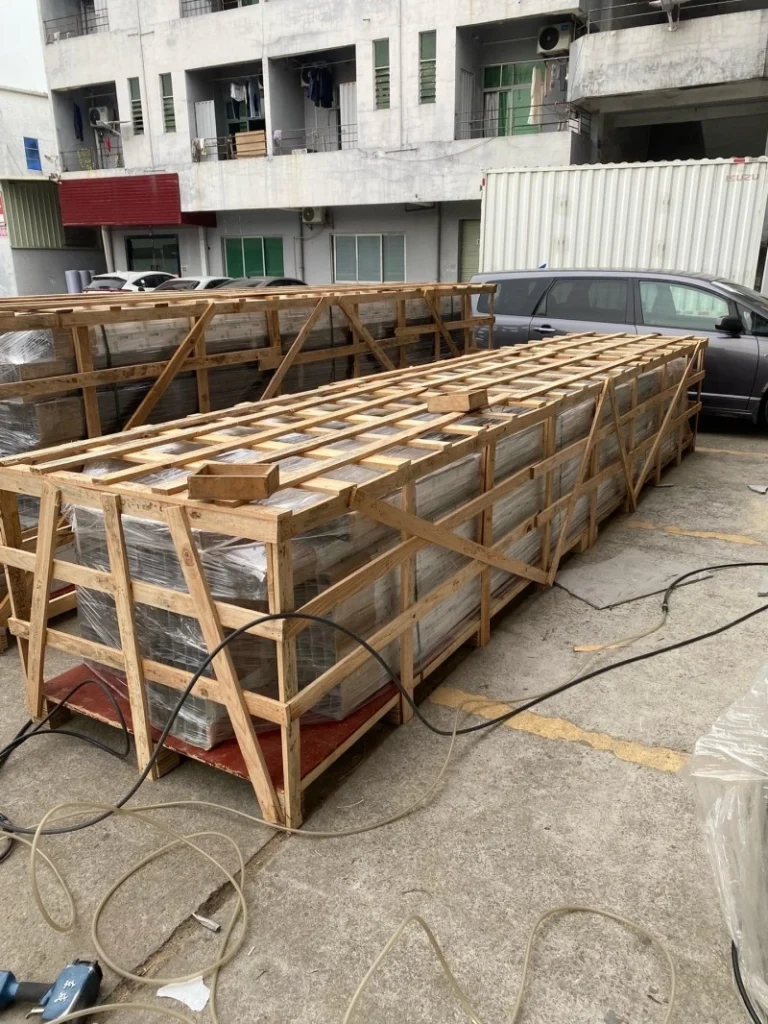
What Is ISPM 15?
ISPM 15 is the International Standards for Phytosanitary Measures No. 15. It establishes the guidelines for the treatment and marking of wood packaging products to minimize the danger of introducing regulated pests into trade.
| Item | Explanation |
| Standard Name | ISPM 15 |
| Main Purpose | Reduce pest risk in international wood packaging materials |
| Commonly Affected Packaging | Wooden crates, pallets, skids, dunnage, frames, and supports |
| Common Treatment Methods | Heat treatment or approved fumigation methods where applicable |
| Key Proof of Compliance | Official ISPM 15 marking applied to treated wood packaging |
| Main Shipping Relevance | Helps reduce customs, quarantine, and port inspection risks |
The standard mainly covers solid wood that has not been treated to remove the risk of pest transmission. It is particularly applicable to exporters of machine, heavy equipment and project cargo where they depend on a strong wooden crate solution.
Why ISPM 15 Matters for Export Wooden Crates
Planning for ISPM 15 compliant wood crate packing should be done before loading the cargo, and if the wood packages are not properly treated or marked, it can delay the examination process. The wooden packaging may also raise additional questions at the destination when the contents of the container comply with all import regulations.
| Compliance Issue | Possible Business Impact |
| Missing ISPM 15 mark | Customs inspection delay or request for additional verification |
| Untreated solid wood | Quarantine risk, repacking, or rejection |
| Incorrect marking | Confusion during inspection and possible shipment delay |
| Damaged or unreadable stamp | Difficulty proving compliance |
| Destination-specific requirements ignored | Unexpected port handling problems or extra costs |
| Compliance checked too late | Repacking may be needed after cargo is already prepared |
These problems invariably lead to demurrage charges, storage costs, late deliveries, and unhappy customers, especially in the case of expensive or sensitive industrial goods.
Which Wooden Packaging Materials Are Usually Affected?
ISPM 15 primarily addresses regulated solid wood packaging materials that are employed to facilitate the movement of goods between countries for purposes of support, protection and transport. Not all wood activates the rule; most of the export crates are made of structural wood.
| Packaging Material | ISPM 15 Relevance |
| Solid wood crates | Often regulated when used in export shipments |
| Wooden pallets | Commonly require compliant treatment and marking |
| Wooden skids | Important for heavy equipment and machinery crates |
| Dunnage | Often inspected because it directly supports cargo |
| Blocking and bracing wood | May be regulated when used inside export packaging |
| Wooden frames | Relevant when made from solid wood components |
| Processed wood panels | May be treated differently, but verification is still recommended |
It is important for exporters to identify all solid wood components as early in the design of the packing as possible.
Heat Treatment, Fumigation, and ISPM 15 Marking Explained
Compliance is demonstrated by the use of a recognized treatment and the official verification of the correct treatment – not just a supplier’s word.
| Compliance Element | What It Means | Why It Matters |
| Heat Treatment | Wood is heated to a core temperature of 56°C for 30 minutes | Reduces pest risk and supports export compliance |
| Fumigation | Approved fumigation may be used where applicable | Provides another recognized treatment route in some cases |
| ISPM 15 Mark | Official mark showing treatment information | Helps customs and quarantine officers verify compliance |
| Legible Stamp | Mark must be clear and visible | Reduces inspection confusion |
| Correct Placement | Mark should be placed where inspectors can find it | Helps avoid delays during port inspection |
| Supplier Verification | Packing provider should confirm compliance before packing | Reduces last-minute shipment risk |
The most popular worldwide is heat treated wooden crates, which in most cases will not need to be re-treated as the wooden crate mark will be permanent.
How to Read an ISPM 15 Mark on Wooden Crates
While no expert in phytosanitary issues required, it is important to understand the basic components of a valid mark and to be able to easily check compliance.
| Marking Element | What It Usually Indicates |
| Official Symbol | Shows the mark follows the recognized ISPM 15 format |
| Country Code | Identifies the country where treatment or production was registered |
| Producer Code | Identifies the authorized treatment provider or producer |
| Treatment Code | Shows the treatment method, such as heat treatment (HT) |
| Legibility | Helps inspectors verify compliance quickly |
| Placement | Should be visible without dismantling the entire crate |
Do not make or alter these marks: Only authorized facilities are authorized to apply these marks.
ISPM 15 Compliance Checklist Before Export Shipment
Smart exporters consider ISPM 15 as a component of the packing plan, not a packing plan.
| Checklist Item | Why It Helps |
| Confirm destination country requirements | Reduces risk of unexpected customs or quarantine issues |
| Identify all solid wood components | Ensures crates, skids, dunnage, and bracing are reviewed |
| Verify treatment status | Confirms wood packaging is prepared for export |
| Check mark visibility | Helps inspectors verify compliance without delay |
| Take packing photos | Provides supporting records if questions arise |
| Keep supplier records | Helps trace treatment and packing details |
| Review before cargo sealing | Avoids costly repacking after final preparation |
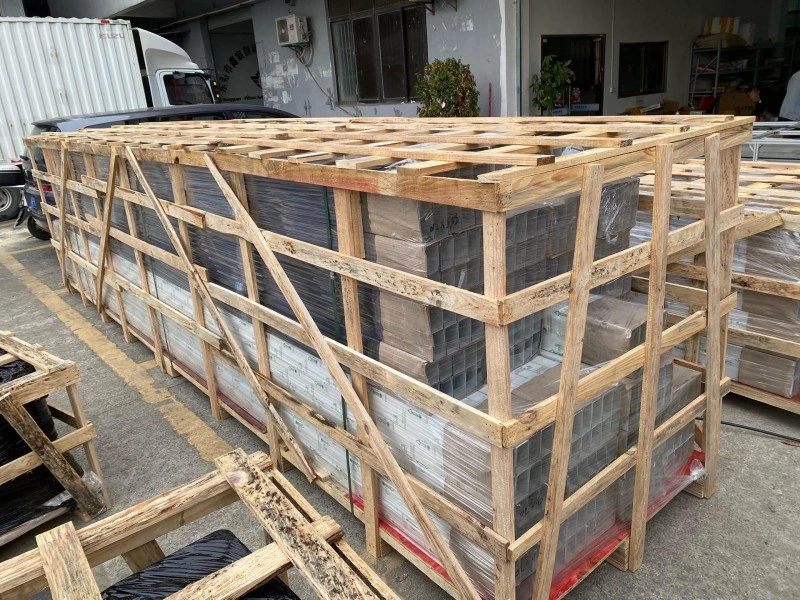
Common ISPM 15 Mistakes Exporters Should Avoid
Even experienced teams occasionally overlook details that create problems at the destination.
| Common Mistake | Possible Consequence |
| Assuming all crates are compliant | Shipment may face inspection delay or repacking |
| Checking compliance too late | Cargo may need to be unpacked and repacked |
| Ignoring skids and dunnage | Supporting wood may still create quarantine risk |
| Using untreated internal wood | Customs may question the entire packaging system |
| Accepting unclear or damaged markings | Inspectors may not accept the packaging easily |
| Forgetting destination-specific requirements | Unexpected port or quarantine issues may occur |
| Mixing compliant and non-compliant wood components | Risk of whole shipment being held |
ISPM 15 and Heavy Machinery Export Packing
Heavy machinery crates may be more solid wood than regular shipments – not only in the outside frame, but also in the base structures, skids, blocking and bracing inside the crate.
| Heavy Machinery Packing Area | ISPM 15 Consideration |
| Outer crate frame | Solid wood components may need compliant treatment and marking |
| Wooden skids | Often inspected because they support cargo during handling |
| Internal blocking | Should not be overlooked if made from solid wood |
| Bracing supports | Must be checked when used to stabilize machinery |
| Dunnage | Frequently regulated and inspected in export shipping |
| Packing documentation | Photos and records help support compliance verification |
Wood used as load-bearing material must be strong as well as meet phytosanitary standards. It’s here that an experienced pack crew can make a tremendous difference, by optimizing the design of a crate that meets the engineering requirements, but fully complies with regulations.
Questions Buyers Should Ask a Wooden Crate Packing Provider
When choosing a packing partner for an international shipment, price should never be the only consideration.
| Buyer Question | Why It Matters |
| Can the crate meet ISPM 15 requirements? | Confirms export compliance awareness |
| Are skids and dunnage included in the compliance check? | Prevents overlooked wood components |
| Will markings remain visible? | Supports smoother inspection |
| Can packing photos be provided? | Helps with documentation and claims support |
| Is the crate designed for cargo weight? | Reduces structural failure risk |
| Is moisture protection included? | Protects machinery during sea freight |
| Can handling points be reinforced? | Improves forklift and crane safety |
Conclusion — ISPM 15 Compliance Should Be Planned Before Packing
When ISPM 15 is incorporated into the export packing plan from the outset, it is easier to manage. Exporters can minimize unacceptable compliance exposure and maintain smoother international cargo movement by verifying materials type, treatment status, official markings, and all associated wood parts prior to shipment.
Strength and compliance of crates are required to go hand-in-hand for machinery and industrial cargo. These measures taken early on help to reduce the risk of losing the investment, keep the project schedule on track and prevent expensive surprises on arrival at the port of destination. Whenever you are preparing your next shipment abroad, don’t just add the ISPM 15 requirements as an afterthought, rather, consider them part of the wooden crate’s design.