
Cold chain logistics issues are usually the result of preventable planning and execution errors, rather than equipment failure. Even with the highest quality reefer containers and refrigerated trucks, bad planning and handling cannot be overcome. Many companies still think they can ensure cargo safety by using a refrigerated container. But the reality is that the keys to successful cold chain logistics are proper planning and implementation, not just the refrigeration unit itself.
The issues can be grouped into common mistakes: incorrect temperature setpoint, poor packaging, improper loading, inadequate monitoring, lack of contingency plans, and cost considerations. By being aware of these common cold chain logistics mistakes, importers, exporters and logistics managers can eliminate or minimise the chances of spoilage, rejections and regulatory non-compliance.
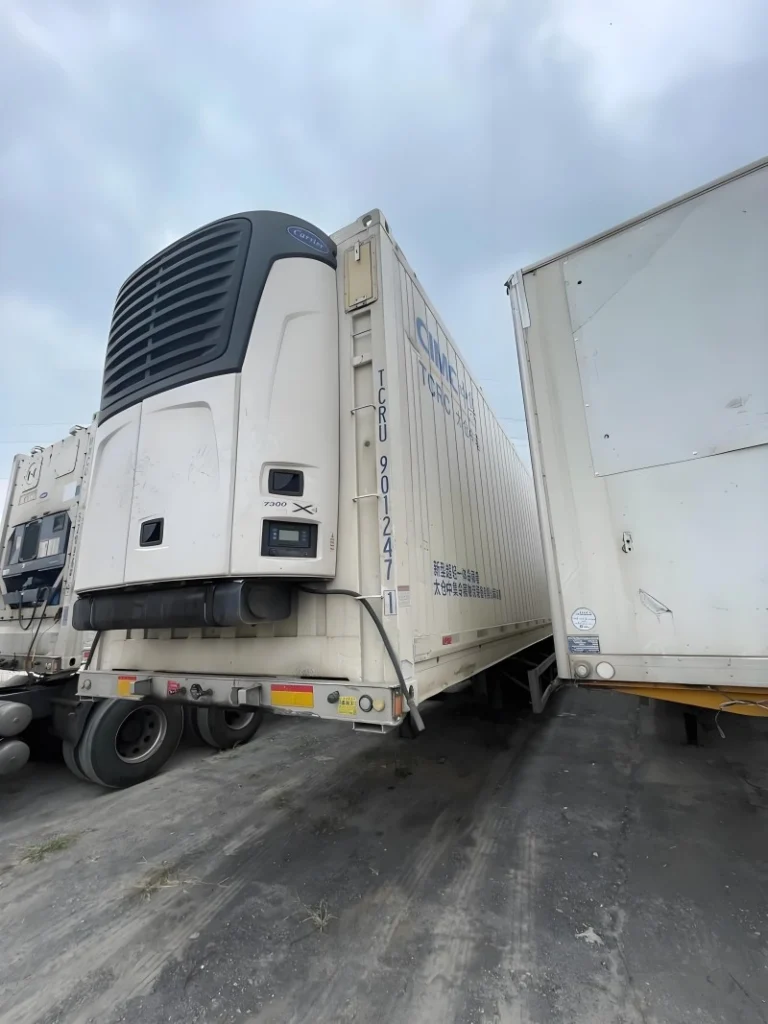
Mistake 1: Choosing the Wrong Temperature Setpoint
Perhaps the quickest way to ruin a temperature-sensitive load is to get the temperature setpoint wrong.
Shippers may think it’s better to be “cold”, but this is not true. Materials have a wide range of temperature tolerances and even minor variations can be devastating. Typically, fluctuations in temperature throughout the trip are more damaging than brief exposure to the incorrect temperature.
Here are a few examples of temperature mistakes:
| Cargo Type | Common Temperature Mistake | Result |
| Fresh produce | Set too cold | Freezing damage |
| Frozen meat | Set too warm | Partial thawing |
| Pharmaceuticals | Incorrect CRT setting | Reduced effectiveness |
| Dairy products | Inconsistent cooling | Spoilage and bacterial growth |
To prevent this error, check with the manufacturer or supplier for the recommended temperature and set the reefer unit to that temperature. Don’t use “best practices”.
Mistake 2: Poor Packaging and Insulation
Coolers and containers only keep the temperature, they don’t make insulation.
Inadequate packaging is one of the biggest causes of cold chain transportation breaks. Using thin or uninsulated cartons or weak pallet wrap allows the temperature to shift dramatically during loading, unloading and cold chain breaks.
The most common packaging errors are using uninsulated cartons, omitting gel packs or dry ice, poor pallet wrap that does not restrict or contains movement, and transporting damaged, wet or contaminated packaging that cannot provide insulation.
| Packaging Mistake | Risk | Better Alternative |
| Thin cartons only | Poor insulation | Insulated packaging |
| No gel packs | Temperature increase | Use gel packs or dry ice |
| Weak pallet wrapping | Product movement and exposure | Use thermal wrapping |
| Damaged packaging | Heat infiltration | Replace before shipment |
The right packaging needs to be selected based on the goods being shipped and the anticipated journey time. An ocean transport requires far more protection than a local truck transport.
Mistake 3: Improper Loading and Airflow
Many businesses make mistakes in cold chain transportation because they do not fully understand how airflow works inside refrigerated equipment. https://btloog.com/solutions/cold-chain-transportation/
Bad loading is one of the mistakes in reefer container loading. Closing the vents, filling the container too full, or packing the cargo too densely. This results in hot and cold zones, even with a perfectly operating reefer unit.
| Loading Mistake | Consequence | Correct Practice |
| Blocking reefer vents | Uneven temperature | Leave clear airflow channels |
| Overloading equipment | Reduced cooling performance | Stay within load limits |
| Mixed incompatible cargo | Odor and contamination risk | Separate cargo by type |
| Incorrect cargo placement | Uneven cooling and slower unloading | Arrange cargo strategically |
Make sure to leave enough room at the back for return air and ensure the pallets are not blocking the channels of the T-floor. Loading affects the cooling capabilities and temperature distribution during transport.
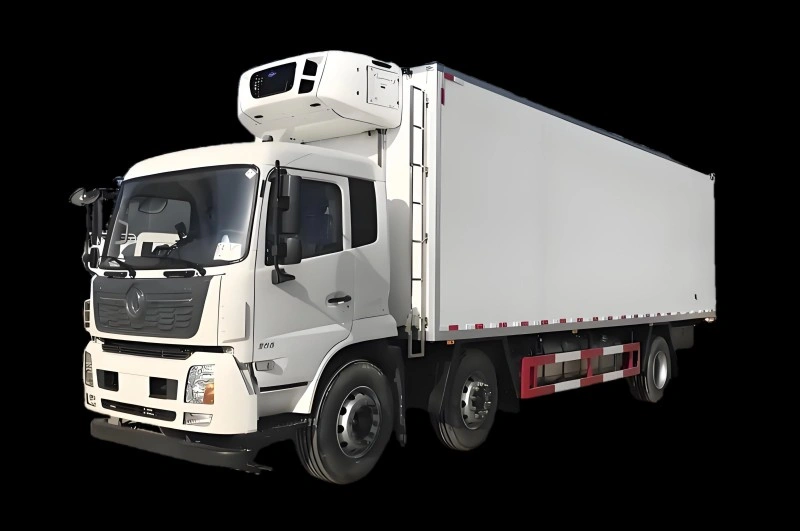
Mistake 4: Failing to Monitor Temperature During Transit
Some companies only monitor the temperature before the container is dispatched from the warehouse and upon arrival. This leaves an unaccounted-for gap in transit.
Real-time solutions are now crucial for the cold chain. Data loggers can record the conditions, and IoT monitoring systems can provide real-time information and alert you to conditions outside the desired range.
| Monitoring Failure | Possible Result | Better Solution |
| No monitoring during transit | Undetected spoilage | Real-time IoT tracking |
| Only checking at arrival | No proof of temperature history | Use data loggers |
| No alert system | Delayed response to problems | Automatic notifications |
Full temperature logs are not only good practice, they are often required to comply with regulations, handle insurance claims and customer disputes.
Mistake 5: Not Preparing for Delays or Equipment Failure
International cold chain shipments are prone to delays. Dock congestion, customs checks, traffic delays, poor road conditions and even occasional reefer breakdowns can all result in a breach of the cold chain.
Without plans in place, a small delay can be enough to cause cargo to fall outside its temperature tolerance.
| Potential Problem | What Happens Without a Backup Plan | Recommended Prevention |
| Port delay | Cargo warms while waiting | Use backup cold storage |
| Reefer breakdown | Product spoilage | Arrange replacement equipment |
| Customs delay | Cargo exceeds temperature limit | Add extra temperature buffer |
| Severe weather | Route disruption | Prepare alternative route |
Savvy shippers always plan ahead with a buffer in time and temperature, and alternative cold storage facilities along the route, before the shipment is in transit.
Mistake 6: Focusing Only on Cost Instead of Total Risk
One of the costliest mistakes when it comes to cold chain shipping is to opt for the cheapest transport option.
By only considering freight rates, companies forget to factor in the costs of spoiled shipments, rejections, insurance claims, lost business and reputation. The cost to consider is not transport but landed cost, including the cost of loss.
| Cost-Saving Decision | Hidden Risk |
| Cheaper but older reefer unit | Higher failure risk |
| Less packaging | Greater spoilage risk |
| Longer route to reduce freight cost | More temperature exposure |
| No monitoring system | No proof in case of claim |
Professional logistics managers assess the risk of shipments, not just the price.
Quick Checklist: How to Avoid Common Cold Chain Mistakes
Here’s a handy cold chain checklist before you ship a temperature-sensitive product:
Before Shipment
- Check temperature setpoint with supplier
- Check packaging and insulation integrity
- Load cargo with proper airflow channels
- Check monitoring devices are in place and set
- Have contingency plan in case of delays
During Transit
- Keep real-time tracking of cargo (if available)
- Take action on temperature alarms
- Follow contingency plan if delays occur
After Arrival
- Inspect cargo on arrival
- Review complete temperature records
- Document lessons learned for future shipments
Conclusion — Prevention Is More Reliable Than Repair
In most cases, cold chain logistics accidents can be avoided. The problems are not with the refrigeration equipment, but with the planning, packaging, loading, monitoring and risk-management actions taken prior to and during the transport process.
The most effective cold chain activities are not those with the fanciest equipment, but those that avoid the pitfalls that negatively affect temperature-sensitive products. By focusing on these six factors, companies can greatly enhance the success of their cold chain shipments and ensure product quality and consumer confidence.