
The transport of dangerous chemicals is a risky business, and it requires careful planning and uncompromising attention to safety. A simple mistake can cause serious spills, environmental harm, fines from the regulators, or loss of life. Safe transport of hazardous chemicals for chemical manufacturers, distributors and logistics companies depends on the selection of the appropriate packaging and containers, adherence to strict international regulations, careful risk assessment and constant monitoring during the transport.
The safe transport of hazardous chemicals over long distances depends on the compliance of the containers and packages used, the documentation of the transport, the risk assessment and adherence with the transport regulations; this requires the cooperation of trained staff and specialist transport logistics. In Bentlee, we have helped many customers with these complicated shipments, and have done so with both technical precision and hands-on experience.
Understanding Hazardous Chemical Transport
Hazardous chemical transport is the movement of materials that have potentially hazardous characteristics related to their chemical composition which can endanger health, safety, property, or the environment. These risks are compounded in long-distance modes of transportation, such as sea, road and rail, by the time spent in exposure to different environments such as temperature changes, vibrations and possible accidents.
Appropriate strategies are needed for various hazard classes. Here is a handy reference to some common types:
| Hazard Type | Risk During Transport | Common Precautions |
| Flammable | Fire, explosion | UN-certified containers, temperature monitoring |
| Corrosive | Container damage, equipment corrosion | Resistant containers, secondary containment |
| Toxic | Spills, health hazards | PPE, leak-proof packaging |
| Reactive | Chemical reaction during transit | Segregation, stabilization, emergency plan |
By comprehending these basics, logistics teams can focus on the most essential controls from the start. When referring to any long haul, it is important to take proactive measures; otherwise, delays or changes in the environment can worsen the situation. For example, flammable liquids can be more volatile in hot climates and corrosive liquids can corrode poor-quality packaging in weeks at sea.
Container Selection and Packaging Best Practices
The first step to a safe chemical shipment is to select the right containers and packaging. Not every container is equal and ultimately, only those that meet the UN specification and any relevant transport codes will pass for long-distance transport of hazardous chemicals.
To get more detailed information on special hazardous cargo handling, consult our hazardous cargo handling solutions.
Key container types include:
| Container Type | Suitable Chemical | Key Safety Feature |
| Steel drum | Flammable liquids | Tight lid, grounding for static |
| HDPE drum | Corrosive acids/bases | Chemical-resistant material |
| IBC | Bulk liquids | Secondary containment, UN-certified |
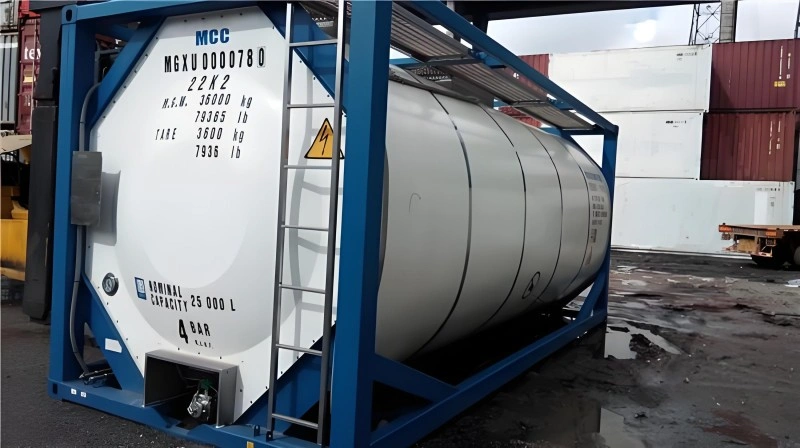
| Tank container | Large-volume chemicals | Pressure-rated, leak detection |
As a practical rule, we suggest that you begin with a comprehensive cargo analysis that includes a volume, hazard classification and compatibility check. When steel drums have appropriate closings and ground, they will not generate static electricity that might release vapors. High density polyethylene (HDPE) or lined steel is the most resistant material for corrosives. For medium volumes, Intermediate Bulk Containers (IBCs) are widely used for both the volume and secondary containment.
Packaging should also consider stacking and vibration and the possibility of stacking pressure on long voyages. Employing certified packaging systems that have cushioning materials and appropriate securing ensures less movement. Bentlee’s crew is skilled at applying these optimisations using 3D load planning and advanced lashing options, providing stability even in choppy waters or uneven terrain.
Documentation and Regulatory Compliance
100% documentation and accuracy is required before any shipment of hazardous chemicals can be made. This is a MUST requirement for legal and emergency response.
Essential documents include:
| Document | Purpose | Regulatory Requirement |
| MSDS | Chemical hazards info | Must accompany shipment |
| UN Number | Hazard classification | IMDG, ADR compliance |
| Transport Permit | Legal authorization | Local & international law |
| Safety Labels | Risk communication | UN hazard labels, placards |
The Material Safety Data Sheet (MSDS) or Safety Data Sheet (SDS) provides information about the properties, handling instructions, and emergency procedures of the chemical. UN numbers and shipping names are standardized terms used to identify a product across borders. The IMOG Code (Ocean Transport) or ADR Code (European Road) or equivalent codes such as 49 CFR in the USA must be followed by shippers, depending on their route.
If you’re shipping internationally, there are other items that need to be done, like customs documents and country-specific permits. It is important for compliance officers to check all labels and placards are strong enough and properly positioned. It can lead to shipment holds, fines, or even worse here. This can be streamlined with experienced partners, such as Bentlee, who work to ensure that all paperwork is in line with the selected mode of transport from the start.
Risk Assessment and Route Planning
Effective risk assessment is about transforming theoretical hazards into practical mitigation steps. A formal assessment of risks in the supply chain is necessary before any long distance hazardous chemical transport can start.
The risk factors are:
| Risk Factor | Potential Impact | Mitigation Strategy |
| Temperature extremes | Container failure | Climate-controlled transport |
| Rough handling | Leaks or spills | Shock-absorbent packaging, trained handlers |
| Long transit times | Material degradation | Stabilizers, proper sealing |
| Regulatory checkpoints | Delays or fines | Proper documentation, customs prep |
When possible, routing should be done to avoid areas with high risk and should include contingencies with regard to weather or geopolitical events. You must take things such as weather forecasts, road conditions and port congestion into account. Using advanced tools, various scenarios can be modeled to determine the best and safest route.
Monitoring and Emergency Preparedness
After shipment, it is important to continuously monitor for problem identification. The use of modern technology has enhanced real-time monitoring of hazardous goods.
Some helpful monitoring tools are:
| Monitoring Tool | Purpose | Benefit |
| GPS tracker | Real-time location | Detect deviations promptly |
| Temperature sensor | Monitor thermal conditions | Prevent degradation or fire |
| Leak detector | Detect early spills | Reduce environmental impact |
| Emergency kit | Containment and first response | Minimize risk during transit |
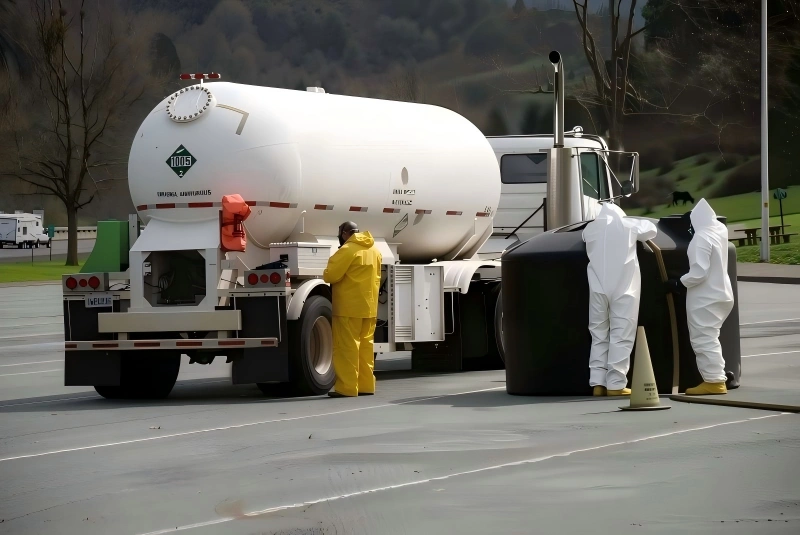
Operators and crew on vessels need to be particularly trained in cargo specific emergency procedures. This includes spill containment kits, fire suppression (If required) and liaison with local authorities. More frequent exercises and effective communication among all entities in the supply chain increase preparedness.
Best Practices Summary
In conclusion, the safe transportation of hazardous chemicals over long distances requires a combination of several key factors: correct classification and packaging, strict adherence to regulations, comprehensive risk management, state-of-the-art monitoring systems, and well-trained crews. When shipping more than one type of chemical, always double check compatibility; never skimp on certifications.
Adhering to these guidelines, companies can greatly minimize incidents and make sure of compliance. Collaborating with professionals who are familiar with the technical and logistical aspects ensures a smoother and safer process.
Conclusion — Safe and Compliant Hazardous Chemical Transport
To sum up, the safe transport of hazardous chemicals over long distances is attainable if all the factors related to the container, documentation, risk assessment, monitoring, and staffing are in harmony. The focus should be on preventing incidents and having high standards, not reacting to incidents.
Those logistics managers and compliance officers that spend the time in the initial planning stages to make sure they plan properly will reap the rewards of a reliable and incident free delivery. Even if you’re running operationally at home or on a complex international supply chain, following these best practices will help you keep people, the environment and your business reputation safe.
From planning through to container selection and secure loading, and real-time tracking during shipment, Bentlee’s hazardous goods handling expertise and end-to-end solutions ensures that your chemical shipment arrives safely. If you are working on a project that involves the transport of hazardous chemicals, contact us to discuss how we can help you with your needs using tried and tested strategies that meet your needs.