
A flat rack container is a top choice for oversized goods that just won’t fit in standard shipping containers. When carefully selected, innovative flat rack container designs such as folding ends, collapsible structures, reinforced decks, adjustable supports and flexible lashing points can have a dramatic impact on loading access, cargo stability, return logistics and transport efficiency.
These design variations are not so much nice-to-have features for logistics managers and project cargo teams dealing with heavy machinery, long steel structures, industrial tanks, or other out-of-gauge cargo. They directly influence in the safety of loading the cargo, its securement and acceptance by the carrier, and delivery without damage and loss of time. There are many different types of flat racks, and even slight differences in the end design, deck strength, and support options can make or break a successful OOG shipment. It’s all about matching the correct design to your cargo size, weight balancing, routing limitations and handling needs.
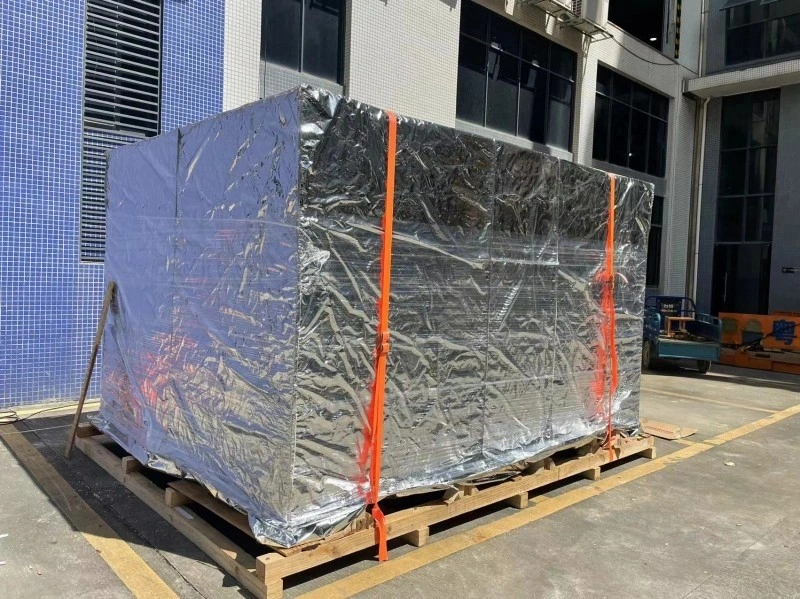
What Are Innovative Flat Rack Container Designs?
Innovative flat rack container designs are those structural and functional improvements that are developed with a specific purpose in mind of solving any real-life OOG cargo problems. The features are related to enhanced loading flexibility, increased cargo capacity, easier securing, and repositioning empties.
| Design Feature | What It Means | Practical Value |
| Fixed ends | End walls remain upright and fixed | Provides end structure and easier stacking in some cases |
| Folding ends | End walls can fold down when empty or for certain cargo | Improves storage and return transport efficiency |
| Collapsible structure | Ends can be lowered to create a flatter platform | Useful for some long or irregular cargo |
| Reinforced deck | Stronger platform structure for heavy loads | Supports heavy machinery and concentrated loads |
| Adjustable supports | Movable or customized support points | Helps stabilize irregular cargo |
| Multiple lashing points | More securing options along the frame | Improves lashing layout flexibility |
| Removable fixtures | Temporary support or restraint structures | Useful for special cargo shapes |
This is a topic that is continually reviewed at Bentlee based on on-site cargo measurements to develop scientifically optimized transport solutions.
Why Flat Rack Design Matters for Oversized Cargo
There are many factors at play with the flat rack container designs beyond just a fit. They affect the type of loading, the protection of the goods, the securing strength, the acceptance by the carrier and even the final transport costs.
| Planning Factor | How Container Design Affects It |
| Loading method | Open design allows crane, side, or top loading depending on cargo |
| Cargo support | Reinforced decks and supports help distribute heavy loads |
| Lashing layout | More anchor points allow better securing angles |
| Overhang management | Foldable ends may allow easier placement for long cargo |
| Carrier acceptance | Design must meet route and vessel requirements |
| Port handling | Terminal equipment must handle the selected flat rack configuration |
| Empty return | Collapsible designs may reduce repositioning difficulty |
| Cargo protection | Supports and fittings influence padding, covers, and edge protection |
For oversized machinery, long steel structures, tanks, skids, and irregular project cargo, innovative flat rack container designs can improve loading flexibility, support planning, and cargo securing when selected according to the shipment’s real technical requirements.
Fixed-End vs Folding-End Flat Rack Containers
Both fixed-end and folding-end flat rack containers have their own advantages and disadvantages and it is not possible to say for sure that one is better than the other. It’s all about the type of cargo you have and your logistics route.
| Flat Rack Type | Best Used For | Limitation |
| Fixed-end flat rack | Heavy cargo needing stable end structure or standard handling | Less flexible for certain overlength cargo |
| Folding-end flat rack | Long, irregular, or project cargo requiring more flexible platform use | May require careful checking of end locking and carrier rules |
| Collapsible flat rack | Empty repositioning and storage efficiency | Not always suitable for every heavy cargo arrangement |
| Heavy-duty flat rack | Very heavy machinery or concentrated load cargo | Availability may be limited on certain routes |
It is always necessary for experienced planners to check carrier rules and terminal facilities before they approve either type.
Adjustable Supports and Custom Support Frames
Heavy or irregular loads do not always fit level in a flatbed truck. However, if the cargo needs to be transported by sea or land, adjustable supports and custom frames are necessary to ensure proper weight distribution, protect the cargo base, and provide stability.
| Support Option | Best Used For | Main Purpose |
| Adjustable support beams | Irregular machinery bases | Matches cargo contact points |
| Timber bedding | Heavy equipment with defined base points | Spreads load and protects surfaces |
| Steel support frames | Extremely heavy or uneven cargo | Provides engineered load transfer |
| Saddles | Cylindrical cargo such as tanks or vessels | Prevents rolling and supports curved surfaces |
| Load spreading plates | Concentrated heavy points | Reduces deck pressure |
| Custom cradles | Special-shaped industrial equipment | Improves stability and contact safety |
The right support design will prevent your deck from being distorted, your goods from moving from place to place, and you from having to pay out a lot of money to cover damage.
Reinforced Decks and Heavy-Duty Flat Rack Designs
When it comes to heavy load, there’s not just space; there’s the strength of the structure and the smartness of the load distribution.
| Heavy-Duty Design Factor | Why It Matters for Heavy Cargo |
| Deck strength | Supports machinery bases and heavy contact points |
| Cross member condition | Helps transfer weight across the container structure |
| Payload capacity | Confirms whether the container can carry the cargo |
| Concentrated load tolerance | Prevents deck damage under small contact areas |
| Load spreading materials | Reduces pressure on limited deck sections |
| Structural reinforcement | Supports demanding OOG cargo applications |
| Lashing point strength | Helps restrain heavy cargo under dynamic forces |
When looking at reinforced flat rack container options, ensure that you are always taking into account the weight of the load in addition to the load bearing points.
Lashing Point Design and Securing Flexibility
Good cargo securing begins with good lashing points, which are simple to find and use, and good angles and restraint forces.
| Lashing Design Element | Practical Impact |
| Lashing point location | Determines whether chains or belts can be placed effectively |
| Anchor accessibility | Allows proper securing after cargo is positioned |
| Lashing angle | Affects restraint strength and movement control |
| Rated securing points | Reduces risk of anchor failure |
| Multiple anchor options | Helps secure irregular or high-center-of-gravity cargo |
| Surface protection needs | Influences whether chains, belts, or padding should be used |
Even with the best flat rack container designs, professional lashing plans are still necessary, and are created in conjunction with on-site supervisors.
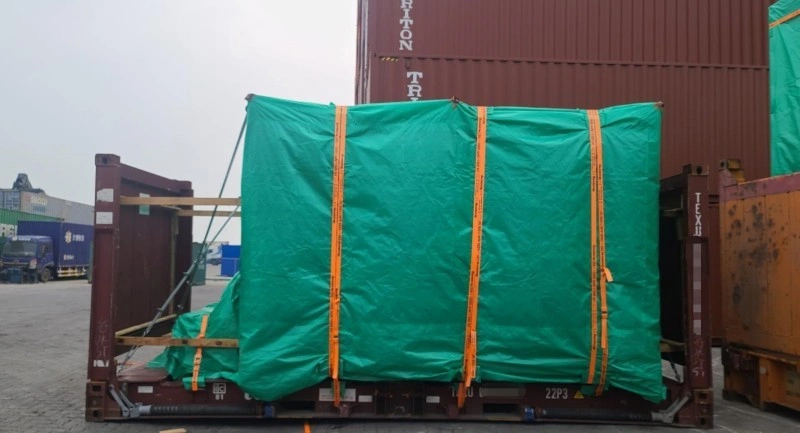
How Folding Designs Affect Storage, Return Logistics, and Cost
Folding-end and collapsible flat rack containers have obvious operational benefits when there is a need to move or store empty containers.
| Operational Factor | Potential Benefit of Folding Design |
| Empty storage | Folded units may occupy less space |
| Empty return | Easier repositioning in some networks |
| Yard management | Better stacking or storage efficiency when empty |
| Project scheduling | May improve equipment allocation in some cases |
| Route flexibility | Depends on carrier and terminal acceptance |
| Cost planning | May reduce some repositioning complexity |
Suitability of cargo must always be the priority and not the logistics of returning it.
Cargo Types That Benefit from Advanced Flat Rack Designs
Some cargo types benefit from innovative features the most.
| Cargo Type | Useful Design Feature | Why It Helps |
| Heavy machinery | Reinforced deck and strong lashing points | Supports weight and securing force |
| Long steel structures | Folding ends and flexible support layout | Helps manage length and overhang |
| Industrial tanks | Saddles and custom supports | Prevents rolling and surface damage |
| Skid-mounted equipment | Adjustable supports | Matches base frame contact points |
| Transformers | Load spreading and reinforced deck | Controls concentrated weight |
| Modular building components | Open access and flexible lashing | Supports wide or irregular structures |
| Large molds | Heavy-duty deck and precise positioning | Helps protect high-value cargo |
How to Choose the Right Flat Rack Design for Your Cargo
Selecting the optimal flat rack requires systematic evaluation rather than simply booking whatever is immediately available.
| Selection Factor | Question to Ask Before Booking |
| Cargo dimensions | Does the cargo exceed standard container size limits? |
| Gross weight | Is the cargo within flat rack payload limits? |
| Load points | Where does the cargo transfer weight to the deck? |
| Center of gravity | Is the cargo stable during lifting and transport? |
| Cargo shape | Does it need special supports, saddles, or frames? |
| Lashing needs | Are suitable anchor points available and accessible? |
| Overhang | Will the carrier accept the planned overhang? |
| Route restrictions | Are port, road, and vessel restrictions reviewed? |
| Equipment availability | Is the required flat rack type available on the route? |
Limitations of Innovative Flat Rack Container Designs
Even the most advanced designs have constraints that experienced planners never ignore.
| Limitation | Practical Meaning |
| Limited equipment availability | Special designs may not be available on every route |
| Carrier acceptance varies | Final approval depends on route and cargo details |
| Folding ends have constraints | End position may affect support, length, or securing |
| Supports require planning | Adjustable support must match real load points |
| Heavy cargo needs load spreading | Reinforced deck alone may not solve concentrated pressure |
| Securing is still required | Design features do not replace proper lashing |
| Accurate data is essential | Wrong cargo dimensions can make the design unsuitable |
Common Mistakes When Selecting Flat Rack Container Designs
Avoiding these frequent errors helps prevent delays, damage, and extra costs.
| Mistake | Possible Consequence | Better Practice |
| Choosing only by size | Cargo may fit but remain unsafe | Review weight, support, and securing needs |
| Ignoring load points | Deck damage or instability | Check contact points before selecting container |
| Not checking lashing points | Weak or awkward securing layout | Confirm anchor access before loading |
| Assuming folding ends always help | Support or clearance issues | Evaluate cargo length and route rules |
| No carrier confirmation | Booking rejection or delay | Submit cargo data before loading |
| Skipping support design | Cargo base damage or movement | Use bedding, frames, or saddles when needed |
Conclusion — Design Helps, but Cargo-Specific Planning Still Comes First
The folding side design, adjustable support, strengthened container deck and optimized lashing point are all innovative features of flat racks that can greatly improve the safety and efficiency of transporting oversized cargo. However, they are best suited to a comprehensive OOG logistics strategy which starts with accurate cargo measurement, detailed load planning, route analysis and professional site supervision.
However, with knowledge of the various strengths and weaknesses of flat rack container types, logistics teams and exporters can make informed decisions to ensure their goods remain intact while keeping costs in check. The most successful shipments are those for which the selection of the type of container is not just based on what equipment is available, but also on real cargo data.
In Bentlee, our team brings years of experience with OOG projects, the right equipment and technical expertise to ensure that our clients select and use the most appropriate flat racks for all their shipments.