
For some industrial shipments, a full compatibility of the package with the classification, material characteristics, and regulations of the goods being packed, can be a valuable secondary barrier to moisture, dust, contamination, and corrosion for the special case of hazardous goods when the package is vacuum packed. Never used as a substitute for certified dangerous goods packaging, labeling, documentation or trained handling procedures.
Considering that many exporters and logistics teams believe that adding additional vacuum layers means greater safety. In reality, a flawed strategy will be able to conceal leaks, minimize vapors, disrupt inspections or clash with transport regulations. Vacuum packing of dangerous goods should be part of a thorough risk control process that involves cargo classification, SDS/MSDS review, approved packaging and mode of transport. When its plan is done correctly as part of an overall hazardous cargo handling programme, it contributes to maintaining the integrity of the cargo in long sea voyages, in humid port storage or on multi-modal transport.
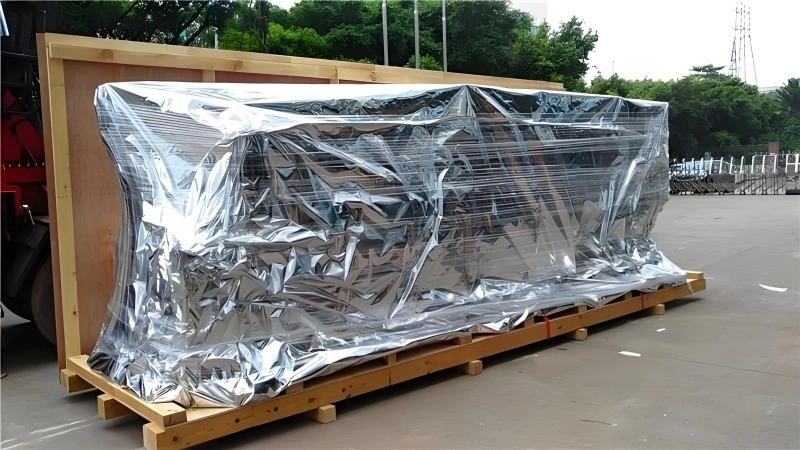
What Counts as Hazardous Cargo in Export Shipping?
Exporting dangerous goods in international trade is not just about the obvious chemicals. Everyday products used in industry are subject to dangerous goods regulations and must be packaged, labelled and documented properly.
These are often flammable liquids, corrosive materials, oxidizers, toxic materials, industrial batteries, paints, coatings, adhesives and resins, pressurized aerosols, and machinery that still holds oil, fuel or batteries. Any component that might seem harmless can activate requirements after classification according to hazard class, UN numbers and packing group.
| Hazardous Cargo Type | Common Examples | Key Packaging Concern |
| Flammable liquids | Solvents, paints, fuels, coatings | Fire risk, leakage, vapor control |
| Corrosive materials | Acids, alkalis, cleaning chemicals | Material compatibility and leak prevention |
| Industrial batteries | Lithium batteries, lead-acid batteries | Short circuit, thermal risk, labeling |
| Toxic substances | Certain chemicals and industrial compounds | Exposure prevention and documentation |
| Oxidizers | Chemical oxidizing agents | Separation and compatibility control |
| Aerosols or pressurized goods | Spray cans, pressurized cylinders | Pressure and temperature sensitivity |
| Machinery with hazardous components | Equipment containing oil, batteries, or residues | Drainage, isolation, and documentation |
The first step to any other protective measures is to understand your particular cargo profile.
How Vacuum Packing Can Support Hazardous Cargo Protection
When used correctly as a secondary layer, vacuum packing can enhance protection for approved hazardous cargo. For regulated industrial shipments moving through humid ports or long storage periods, vacuum packing services for hazardous goods should be planned together with approved dangerous goods packaging, labeling, and documentation controls.
It is especially suitable for moisture control of moisture sensitive dangerous goods, dust prevention of clean outer surfaces, corrosion prevention of metal parts and cleanliness during handling as well as for multi-modal transport.
| Protection Function | How Vacuum Packing Helps | Important Limitation |
| Moisture control | Reduces exposure to humid air | Must not conflict with cargo requirements |
| Dust prevention | Keeps packaging surfaces cleaner | Does not replace approved inner packaging |
| Corrosion reduction | Helps protect metal containers or equipment | VCI or anti-rust materials must be compatible |
| Storage protection | Reduces environmental exposure during delays | Storage rules still apply |
| Handling cleanliness | Limits contamination during transfers | Labels and markings must remain visible |
| Outer layer protection | Adds an environmental barrier | Cannot hide leakage or damage signs |
When Vacuum Packing Is Appropriate for Hazardous Cargo
Vacuum packing is not appropriate for all hazardous materials and should not be used without an appropriate risk assessment and compatibility evaluation.
It is most successful with sealed hazardous goods in approved primary containers, moisture sensitive goods that have been successfully tested for compatibility, industrial components to be corrosion protected and machinery that has hazardous elements removed or isolated.
| Situation | Vacuum Packing Suitability | Notes |
| Sealed hazardous goods in approved containers | Possible | Must not interfere with required labels or inspections |
| Moisture-sensitive hazardous materials | Possible | Requires compatibility review |
| Batteries or electronic hazardous cargo | Case-by-case | ESD, short-circuit, and labeling rules may apply |
| Corrosive liquid containers | Case-by-case | Leakage visibility and compatibility are critical |
| Machinery with drained oils or isolated batteries | Possible | Preparation and documentation required |
| Unstable or vapor-releasing chemicals | Usually not suitable without expert review | Vacuum sealing may create safety concerns |
| Cargo requiring ventilation | Usually unsuitable | Vacuum packing may conflict with safety requirements |
Compliance Factors Buyers Must Check Before Vacuum Packing
Any packaging of hazardous cargo should always conform to the international and national transport laws and regulations. One of the most common causes for shipments to be rejected or delayed is because the step is missed.
Check factors range from cargo classification, UN number (if applicable), packing group, latest SDS/msds, approved packing certifications, transport mode (sea, road, air, rail), IMO/IMDG requirements for shipment of cargo by sea, carrier acceptance rules, cargo label visibility to country-specific details.
| Compliance Item | Why It Matters | Buyer Should Provide |
| Cargo classification | Determines packaging and handling rules | Hazard class and product description |
| UN number | Identifies regulated dangerous goods | UN number if applicable |
| Packing group | Indicates hazard severity | Packing group from SDS/MSDS |
| SDS/MSDS | Provides safety and compatibility information | Latest safety data sheet |
| Approved packaging | Confirms required packaging type | Packaging certification details |
| Transport mode | Rules vary by sea, road, air, or rail | Planned route and mode |
| Labels and markings | Required for handling and compliance | Labeling requirements |
| Emergency information | Supports incident response | Emergency contact and instructions |
Material Compatibility: A Critical Safety Requirement
Even the best vacuum packaging film will encounter issues when it comes across the cargo or the main packaging box. Compatibility of materials is a must.
When considering the use of barrier film, desiccants, VCI materials, adhesives and heat-sealing processes, always explore the chemistry. It is necessary to maintain the ability to see the leaks where they are required by regulation.
| Packaging Material | Compatibility Question | Risk If Ignored |
| Barrier film | Can it safely contact the container or cargo surface? | Material degradation or reaction |
| Desiccants | Are they safe near the cargo type? | Chemical incompatibility or contamination |
| VCI materials | Are they suitable for the metal and chemical environment? | Unwanted reaction or reduced protection |
| Heat sealing | Is sealing safe near the cargo package? | Heat exposure risk |
| Adhesive tape | Is adhesive compatible with container surface? | Seal failure or contamination |
| Inner liner | Does it protect without reacting? | Surface damage or safety issue |
Vacuum Packing vs Certified Dangerous Goods Packaging
Vacuum packing is used as additional protection. The use of certified dangerous goods packaging is still required as per regulations.
| Packaging Layer | Main Purpose | Can It Be Replaced by Vacuum Packing? |
| Approved inner container | Holds hazardous material safely | No |
| Certified outer packaging | Meets transport safety requirements | No |
| Absorbent or cushioning material | Controls leakage or movement where required | No |
| Labels and markings | Communicates hazard and handling rules | No |
| Vacuum packing layer | Adds moisture, dust, or corrosion protection | Only as supporting protection |
| Wooden crate or pallet | Adds handling and physical protection | Depends on cargo and transport plan |
Common Risks When Vacuum Packing Hazardous Cargo
If you don’t do it well, it can create new safety or compliance concerns.
| Mistake | Possible Risk | Better Practice |
| Covering hazard labels | Non-compliance or handling errors | Keep labels visible or duplicate them properly |
| Hiding leakage | Delayed detection of cargo damage | Inspect containers before packing |
| Wrong material selection | Chemical reaction or packaging failure | Check SDS/MSDS and compatibility |
| Vacuum packing ventilated cargo | Safety conflict | Do not vacuum pack cargo requiring ventilation |
| No documentation | Clearance or carrier issues | Record packing method and photos |
| No compliance review | Shipment rejection or delay | Confirm requirements before packing |
Step-by-Step Process for Safe Vacuum Packing Planning
Hazardous packing for vacuum packing starts long before the sealing machine starts.
- Check SDS/MSDS and verify classification and transport method.
- Check the primary and outer packagings for acceptable standards.
- Perform compatibility tests of all films, desiccants and accessories.
- Check cargo for leaks, damage or remaining moisture.
- Double check that all required labeling/markings are visible.
- Create the vacuum without restricting the access or labels.
- Only add materials that will work well with the moisture-control system; if they do not, don’t.
- Seal properly and final check.
- Create a detailed packing list and photo record all documents.
- Communicate with forwarders, carriers and warehouse staff.
| Step | What Happens | Why It Matters |
| Compliance review | Check classification, SDS/MSDS, and packaging rules | Prevents unsafe or rejected shipments |
| Cargo inspection | Confirm containers are sealed and undamaged | Reduces leakage and contamination risk |
| Compatibility check | Review film, desiccants, and accessories | Avoids reactions or material failure |
| Packaging design | Plan vacuum layer without blocking labels | Supports safety and compliance |
| Moisture-control setup | Add desiccants only if suitable | Helps protect cargo without creating risk |
| Sealing and inspection | Seal carefully and check package condition | Reduces leakage and packaging failure |
| Documentation | Record photos, labels, and packing method | Supports traceability and shipment review |
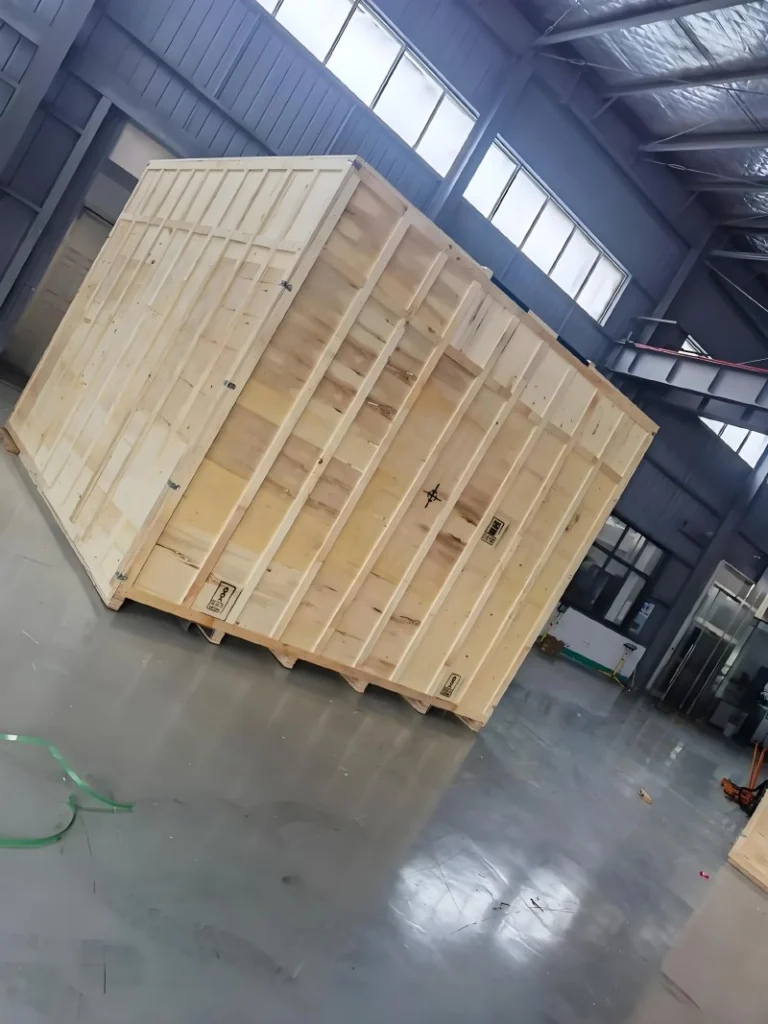
Hazardous Cargo Types That May Need Extra Protection
Each type of hazardous good has its own priority level, so packaging strategies need to be customised.
| Cargo Type | Main Risk | Packaging Priority |
| Flammable liquids | Leakage, vapor, fire risk | Approved packaging, clear labeling, compatibility |
| Corrosive goods | Container damage and reaction risk | Compatible packaging and secondary containment |
| Batteries | Short circuit, heat, labeling | Battery-specific packaging and documentation |
| Hazardous powders | Dust exposure and contamination | Sealed containers and handling control |
| Chemicals in drums | Leakage and corrosion | Drum condition, labels, and outer protection |
| Machinery with hazardous parts | Residual oils, batteries, chemicals | Preparation, isolation, and documentation |
| Temperature-sensitive hazardous cargo | Heat or cold exposure | Temperature control and route planning |
Buyer Checklist Before Requesting Vacuum Packing for Hazardous Goods
First, it’s important to provide full details in the beginning so that a highly qualified team can come up with a strategy that is both compliant and effective.
| Information to Prepare | Why It Helps |
| Product name and cargo description | Identifies cargo risk |
| Hazard classification | Determines applicable packaging rules |
| UN number if applicable | Supports dangerous goods handling |
| SDS/MSDS | Provides safety and compatibility information |
| Packing group | Indicates hazard severity |
| Current packaging type | Shows whether cargo is already properly contained |
| Cargo dimensions and weight | Helps plan outer protection and handling |
| Transport mode and route | Rules and risks vary by mode |
| Storage duration | Affects moisture-control decisions |
| Labeling requirements | Ensures labels remain visible and compliant |
| Emergency contact information | Supports response planning |
Conclusion — Vacuum Packing Must Support, Not Replace, Hazardous Cargo Compliance
For certain hazardous cargo shipments, vacuum packing may be beneficial, particularly if moisture, corrosion, contamination or exposure to the elements are issues. Correct classification, approved packaging, compatible materials, visible labels, accurate documentation and trained handling, however, are the first steps to hazardous cargo safety. Vacuum packing should enhance that system and not replace it.
With vacuum packing as a carefully considered step in an overall hazardous cargo handling procedure, exporters and project teams can minimize the environmental hazards while still meeting all regulatory requirements. When dealing with protective benefit, always work with people who have experience and knowledge in understanding the strict limitations involved.
Article URL
SEO Title
Vacuum Packing for Hazardous Cargo: Safety & Compliance Guide
Meta Description
Learn how vacuum packing supports hazardous cargo protection, moisture control, and compliance planning. Discover when it helps, key limitations, and why it must integrate with certified dangerous goods packaging for safe export shipping.
Excerpt
Hazardous cargo requires packaging decisions based on safety, classification, compatibility, labeling, and transport regulations. This guide explains when vacuum packing may support hazardous cargo protection, how it helps reduce moisture and contamination risks, what limitations buyers must understand, and why it should be integrated with certified dangerous goods packaging, documentation, and professional handling procedures.
Target Keywords / Relevant Keywords
Primary: vacuum packing for hazardous cargo
Secondary: hazardous cargo packaging, dangerous goods packaging, hazardous goods packing, vacuum packing, hazardous cargo compliance, moisture protection for hazardous cargo, hazardous cargo handling
Long-tail: vacuum packing services for hazardous goods, how to package hazardous cargo for export, vacuum packing for hazardous cargo safety, hazardous cargo vacuum packing compliance, moisture protection for hazardous goods shipping, safe packaging methods for hazardous cargo transport