
Industrial vacuum packaging is an advanced method of export cargo protection, which can effectively prevent moisture, dust, corrosion and mechanical damage, and has more protection and transport reliability than the traditional export packaging method. This method substantially decreases the dangers that are experienced when exporting goods from factories to other countries by sea, sea and land or over long storage periods.
While traditional packaging methods use wood crates, shrink wrap or pallet strapping, these can leave products exposed to environmental conditions, industrial vacuum packaging forms an airtight seal around the pallet, thereby protecting the product. It is especially important for delicate pieces of machinery, precision components, and large equipment where even minor amounts of corrosion or contamination can cost farmers a lot of money to repair or cause delays in the project.
What Is Industrial Vacuum Packaging?
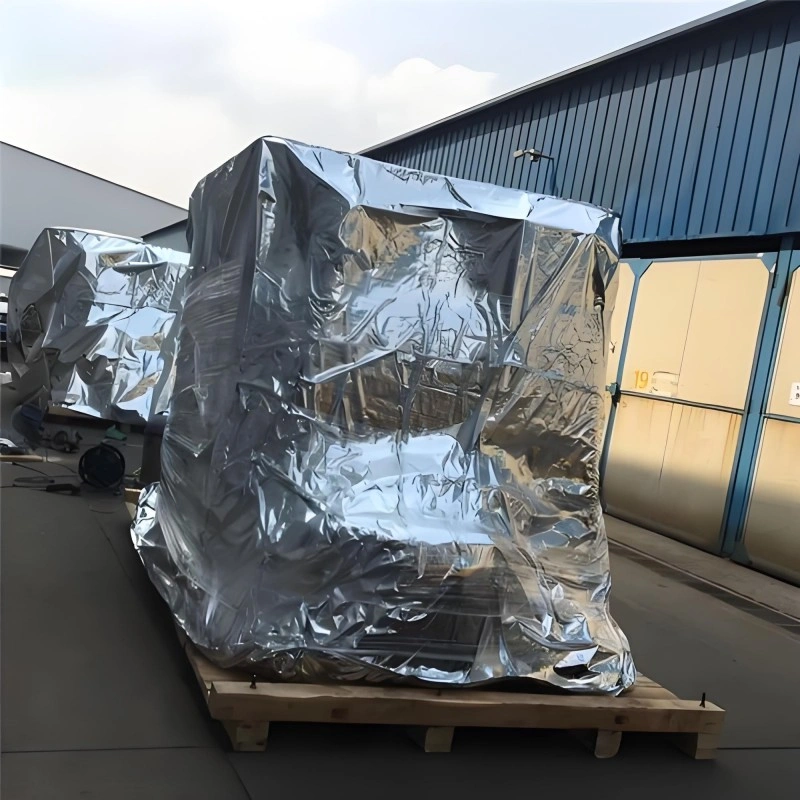
In industrial vacuum packaging, the cargo is sealed in special barrier films or vacuum-sealed bags from which the air is evacuated to create a vacuum. This helps reduce the exposure to oxygen and moisture, thus offering a strong protection against the severe environment of international shipping and storage.
The usual sequence of operation involves surface preparation of the equipment, placement of desiccants, and vacuum sealing, and sometimes an outer protective layer, such as crating or mechanical wraps with film.
| Feature | Industrial Vacuum Packaging | Traditional Export Packaging |
| Moisture Protection | High | Moderate |
| Dust Protection | High | Low |
| Corrosion Prevention | Yes | Limited |
| Shock Absorption | Moderate to High | Low |
| Suitable for Long-Term Storage | Yes | Limited |
| Typical Materials | Barrier film, vacuum bag, desiccant | Wooden crates, shrink wrap, pallet wrap |
Key Differences Between Vacuum and Traditional Packaging
industrial vacuum packaging compared to the traditional packaging methods when preparing them for export in order to make the right cost-saving decisions that will help you preserve your assets.
For decades the industry standard for packing products for export has been the traditional packaging methods: wooden crates, pallet wrapping using stretch film, or basic shrink wrapping. But these make little protection against humidity, temperature change, and airborne contaminants found in container shipping.
| Aspect | Industrial Vacuum Packaging | Traditional Packaging | Why It Matters |
| Protection Level | High | Medium | Ensures sensitive cargo arrives undamaged |
| Multi-Modal Transport | Safe for sea, rail, road | Requires extra precautions | Reduces cargo damage risk |
| Storage Life | Months to years | Limited | Prevents corrosion and mold |
| Customization | Highly flexible to shape/size | Limited | Can handle oversized equipment |
| Cost | Medium, but reduces loss/damage | Low upfront, higher risk | Lower overall total cost |
| Ease of Handling | Lightweight, compact | Bulkier, heavier | Saves space in containers and warehouses |
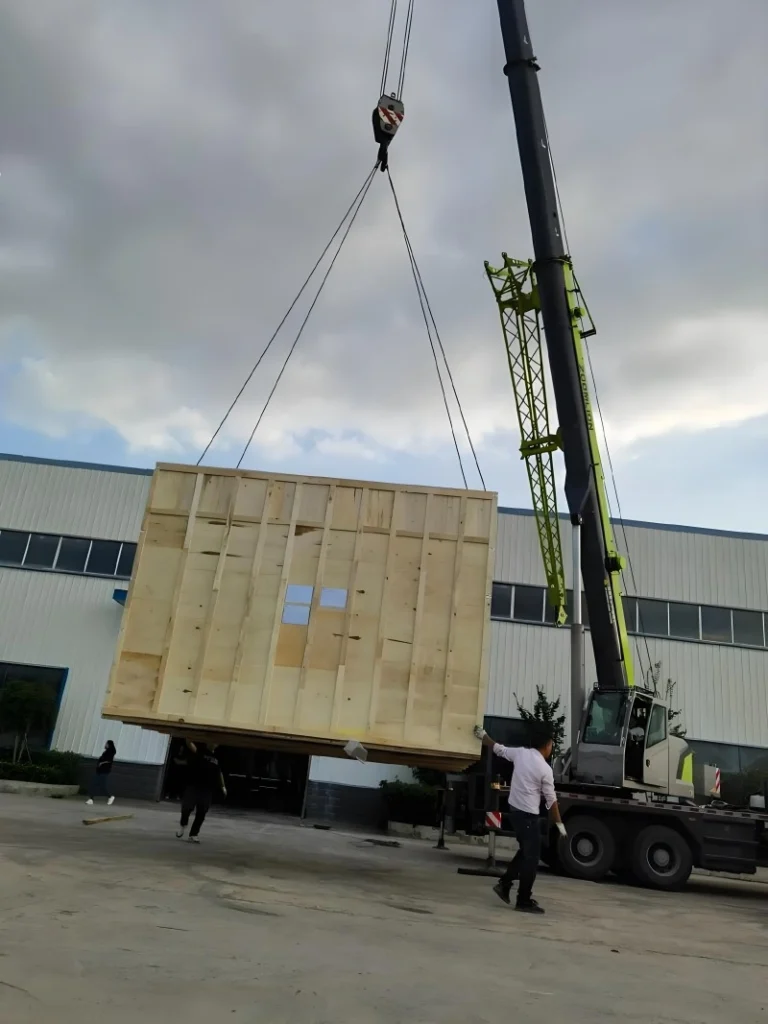
For companies exporting sensitive or oversized machinery, using professional vacuum packing services for export cargo ensures protection against moisture, dust, and transport shocks.
Benefits of Industrial Vacuum Packaging for Export Cargo
The benefits of industrial vacuum packing go beyond containment, and can make a significant impact for exporters of high value or fragile equipment.
Vacuum packaging eliminates air and seals the package, which prevents any corrosion and contamination. This is particularly critical for metal components, precision machinery and electronics that are intended to be sold in humid environments or for extended periods of time.
| Benefit | Practical Meaning for Exporters |
| Moisture & Dust Resistance | Reduces risk of corrosion and contamination |
| Long-Term Protection | Suitable for long storage or delayed shipping |
| Flexible for Oversized Equipment | Fits irregular shapes, reduces handling issues |
| Cost Efficiency | Lower damage and return rates offset initial cost |
| Multi-Modal Compatibility | Safer sea, air, and land transport |
| Enhanced Safety | Minimizes risk for high-value machinery |
The advantages of vacuum packaging directly translate into reduced insurance claims, customer satisfaction and on-time project delivery, all important components of a competitive supply chain in the global market.
How Vacuum Packaging Works
The industrial vacuum packaging process helps buyers to appreciate the reliability and results the vacuum pack ensures.
It is systematic and is customized for each shipment:
| Step | Description | Why It Matters |
| Cargo Assessment | Evaluate size, weight, and sensitivity | Ensures correct bag and film selection |
| Surface Prep | Clean and dry equipment | Prevents contamination inside vacuum bag |
| Barrier Protection | Add desiccant, inner liners | Improves long-term moisture control |
| Vacuum Sealing | Extract air and seal bag | Reduces oxidation and microbial growth |
| Outer Protection | Wooden crates or stretch film | Additional shock and UV protection |
| Label & Inspect | Apply markings, check seal | Ensures compliance and shipment traceability |
This step-by-step approach provides full export cargo protection, from the factory through to delivery.
Core Considerations for Buyers
Deciding between a vacuum package and traditional packaging methods involves considering the nature of your cargo, transport route, climate at your destination, and storage requirements. While not all products are suitable for vacuum packaging, it can often be the more cost-effective option when the product is sensitive, or has a longer lead time, and damage is not an option.
Some of the main considerations are the sensitivity of equipment to humidity, the cost of the goods, the time that the goods are likely to be in transit or in storage, and the overall logistics budget. Although the initial cost of traditional packaging is less than that of industrial vacuum packaging, the risk of damage losses is high and makes industrial vacuum packaging the better option for many industrial exporters.
Industrial vs Traditional Packaging: When to Choose Which
The right packaging method depends heavily on the type of cargo and shipping scenario.
| Cargo Type | Recommended Packaging | Notes |
| Electronics | Industrial Vacuum Packaging | Prevents moisture & dust damage |
| Precision Machinery | Vacuum + Crate | Extra shock protection required |
| Metal Parts | Vacuum or Shrink Wrap | Use desiccant for long-term storage |
| Oversized Equipment | Custom Vacuum Bags | Fits irregular shapes |
| Short-Term Domestic Shipments | Traditional Packaging | Cost-effective if storage risk low |
In real life situations, many exporters employ a variety of methods, combining vacuum packaging with the traditional outer crating for larger and heavier shipments. This hybrid approach leverages the strengths of both for optimal results.
Common Misconceptions
An often misconceived notion is that industrial vacuum packaging is only applicable to small items and food products. The truth is that today’s vacuum systems are used for all kinds of electronic components and even large industrial machines, with custom-made barrier film sizes.
The common misconception is that classic packaging is always the most cost effective. Including damage, rework and delay costs, long-term storage is often more economical stored in vacuum packaging.
Lastly, it is assumed that outer protection is not required when vacuum packing. Actually, it is best used in conjunction with strategic wooden crates, or mechanical protection for heavy duty export situations.
Conclusion — Vacuum Packaging Is a Superior Export Solution
The industrial vacuum packaging represents a major progress in export cargo protection, offering highest level of protection against moisture, dust and corrosion and meeting the demands of the modern multi-modal transport and long storage.
Whether it is an all-encompassing vacuum system or a well-planned hybrid, exporters can find the best packaging solution to best protect the goods, control costs and deliver critical equipment globally. When done by the professionals, the industrial vacuum packaging process offers peace of mind that no other packaging system can.
Knowing these differences will give you greater power in your upcoming export decision making.