
Choosing the right export crate material will depend on the nature of the cargo, its dimensions, fragility, shipping route, the means of handling and the regulations of the destination country. The weakest link in a durable export crate is the crate itself, meaning that the selection of the wood, strength of the fastenings, design of the joints, bracing and reinforcement must all be coordinated as a system.
Export crate performance is as much related to frame design and fastening, load distribution, moisture control and handling conditions as wood thickness is considered by many buyers. When they are all coordinated, the crate is more than a wooden box, it is a protective building that is vital for machinery, industrial equipment and high value products that are transported along sea, road and multimodal routes.
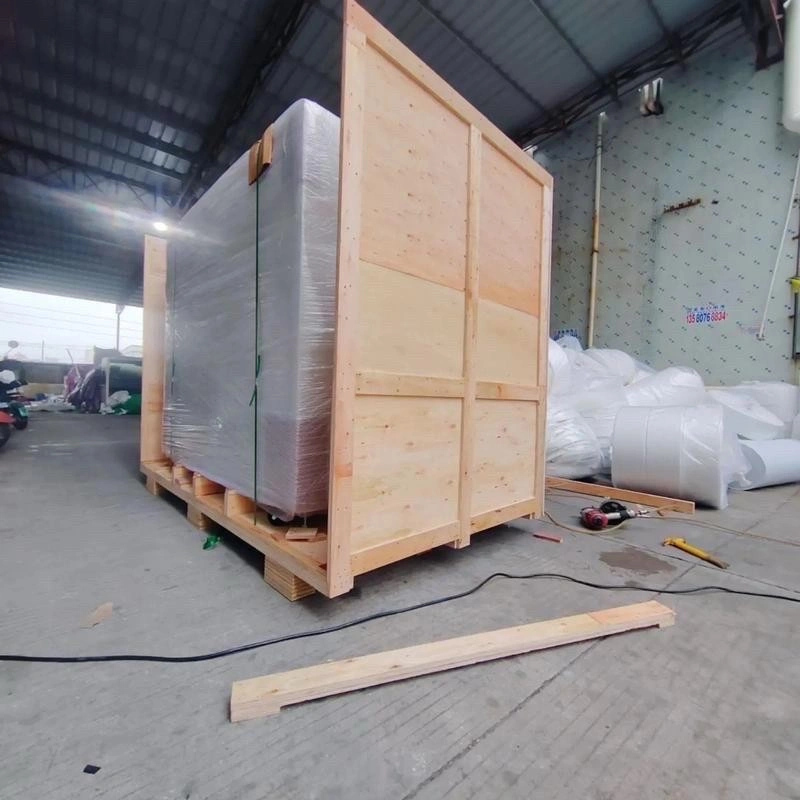
What Makes an Export Crate Durable?
Export crate packing durability indicates that the crate will effectively withstand lifting, forklift, loading and unloading, vibration, and sea freight transport, and will not be affected by humidity and customs inspection.
For machinery exporters who need a practical material strategy, Bentlee’s experience with export wooden crate materials and fasteners helps ensure the crate structure matches cargo weight, route conditions, and export requirements.
| Durability Factor | Why It Matters in Export Shipping |
| Wood strength | Supports cargo weight and prevents crate deformation |
| Fastener holding power | Keeps panels, frames, and braces securely connected |
| Frame design | Distributes load during lifting, stacking, and movement |
| Moisture resistance | Reduces risk of swelling, mold, corrosion, and cargo damage |
| Shock resistance | Helps protect machinery from impact and vibration |
| ISPM 15 compliance | Reduces customs delays and quarantine issues |
| Handling design | Supports forklift, crane, or palletized movement |
Common Wood Materials Used for Export Crates
There is no one wood type that would be suitable for all export crates. The kind of material should be related to the value, weight, fragility of the cargo and the transport environment. In actual use, the best crates will be made out of several materials such as plywood panels, solid wood parts, reinforced bases, and other metal parts.
| Wood Material | Main Advantage | Common Use | Buyer Consideration |
| Plywood | Stable, relatively lightweight, good panel strength | Side panels, covers, general machinery crates | Choose suitable thickness based on cargo weight and crate size |
| Solid wood | Strong load-bearing performance | Frames, skids, bracing, heavy-duty bases | Must meet ISPM 15 requirements for export |
| LVL / engineered wood | Consistent strength and dimensional stability | Reinforced frames and structural supports | Useful when predictable strength is required |
| OSB / structural panels | Cost-effective for some applications | Non-critical panels or temporary protection | Not ideal for all heavy or high-value cargo |
| Heat-treated wood | Export-compliant when properly marked | International wooden packaging | Marking and documentation must be verified |
How to Choose Wood Based on Cargo Type
The materials used in export crates should not be chosen on the basis of cost only and must be chosen based on cargo risk. Protection methods vary depending on the type of equipment.
| Cargo Type | Recommended Crate Material Strategy | Key Protection Goal |
| Heavy machinery | Reinforced base, solid wood frame, thick plywood panels | Prevent base failure and structural deformation |
| Precision equipment | Plywood panels, cushioning, internal blocking | Reduce vibration and movement |
| Electrical cabinets | Moisture-resistant panels, sealed cover, internal bracing | Protect against humidity and impact |
| Fragile instruments | Engineered panels, foam support, shock-absorbing mounts | Minimize shock and vibration |
| Oversized equipment | Custom frame, reinforced skids, metal straps | Improve handling stability |
| Sea freight cargo | Moisture-resistant materials, barrier protection, strong fasteners | Reduce risk from humidity and salt air |
Why Fasteners Matter as Much as Wood
Fasteners are the key to the integrity of the crate structure when under stress. The best quality wood can be damaged by loose joints during sea voyages or during rough handling.
| Fastener Type | Best Use | Practical Consideration |
| Screws | Panels and frames | Better for crates that may need disassembly |
| Nails | Fast assembly for lighter crates | May loosen under vibration if not selected properly |
| Bolts | Heavy-duty structural connections | Suitable for large machinery crates |
| Corner brackets | Reinforcing edges and corners | Helps resist impact during handling |
| Metal plates | Strengthening high-stress joints | Useful for heavy or oversized cargo |
| Steel straps | External reinforcement and load stability | Adds security during long-distance transport |
Wood Thickness, Panel Strength, and Load-Bearing Design
The thickness of wood should be determined considering the dimensions of the crates, weight of the cargo, unsupported span, stacking requirements and handling forces. Thicker wood is not necessarily better, an over specification is only unnecessary weight and cost and in some cases may even diminish overall performance if the frame design is not robust enough in its basic construction.
The thickness of the side panels is usually less important than base frame strength. Heavy loads should have reinforced skids and bottom supports, while long panels must be bracingly. Forklift pockets or crane lifting points are also taken into consideration from the outset in good design.
| Design Factor | Why It Affects Material Choice |
| Cargo weight | Determines base frame, skid, and fastener strength |
| Crate size | Larger panels may require thicker wood or bracing |
| Center of gravity | Affects base support, blocking, and handling |
| Stacking requirement | Requires stronger top frame and vertical supports |
| Forklift handling | Requires reinforced base and clear lifting points |
| Sea freight duration | Increases need for moisture-resistant construction |
Internal Bracing, Blocking, and Reinforcement
Export crates should be strong inside as well as out. Internal blocking and strategic bracing prevent cargo movement and control the cargo shifting during transit.
A plywood bottom should never be used as a sole bottom for a heavy machine. Items that are top-heavy often require custom bracing and sensitive parts should be cushioned at contact points. Forklift handling areas should be safe against localized failure.
| Reinforcement Method | Function | Typical Application |
| Base blocking | Prevents cargo movement at floor level | Heavy machinery bases |
| Side bracing | Controls lateral movement | Tall or unstable equipment |
| Cross bracing | Improves crate rigidity | Large crates and long-distance transport |
| Cushioning pads | Reduces vibration and contact damage | Precision machinery |
| Metal corner protection | Protects impact-prone edges | Heavy-duty export crates |
| Steel strapping | Adds external structural security | Oversized or high-value cargo |
ISPM 15 Requirements for Export Wooden Crates
Solid wood is utilized for international wood packaging, and may be required to comply with ISPM 15 phytosanitary requirements. Pests are destroyed by heat treatment or other acceptable means and visible markings are used to ensure compliance with customs authorities.
Unconforming crates may lead to significant delays, rejection or repacking on the port. Before finalizing designs, exporters should always verify the rules of the destination countries, as some markets may have extra requirements in addition to the ISPM 15 requirements.
| ISPM 15 Consideration | Why It Matters |
| Heat-treated wood | Helps meet phytosanitary requirements |
| Correct marking | Allows customs and port authorities to verify compliance |
| Visible stamp location | Reduces inspection confusion and delay risk |
| Destination rules | Some countries may have additional requirements |
| Documentation | Supports smoother customs and shipping coordination |
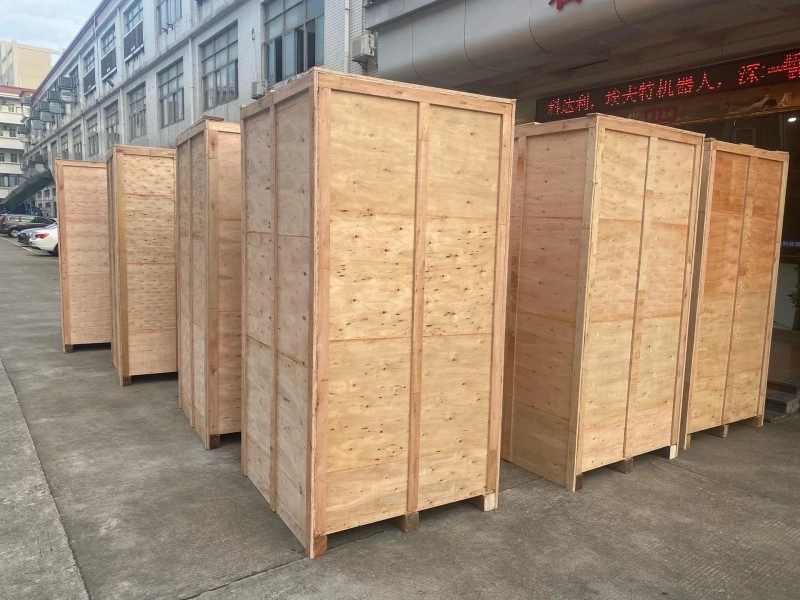
Moisture Resistance and Corrosion Protection Considerations
The material for the export crates needs to have proper consideration towards humidity, sea freight, rainfall during handling and possible long storage periods. A damp condition can easily spoil the crate and its contents.
| Risk | Material or Packing Response |
| High humidity | Moisture-resistant panels and sealed layers |
| Sea freight exposure | Barrier protection, desiccants, corrosion control |
| Long storage time | VCI materials and moisture monitoring |
| Rain during handling | External covers or water-resistant wrapping |
| Metal surface corrosion | Anti-rust oil, VCI film, or sealed packaging |
Common Mistakes When Selecting Wood and Fasteners
Even experienced teams sometimes make choices that compromise crate performance. Here are the most frequent issues we see in the field:
| Common Mistake | Possible Consequence |
| Choosing only the cheapest wood | Crate failure, cargo movement, or moisture damage |
| Ignoring fastener strength | Panels or frames may loosen during transport |
| Weak base design | Heavy cargo may break through or deform the crate |
| No internal blocking | Machinery may shift during handling or ocean movement |
| Missing ISPM 15 marking | Customs delay, rejection, or repacking cost |
| No moisture planning | Rust, mold, swelling, or electrical damage |
| One-size-fits-all design | Poor protection for high-value or irregular cargo |
How Buyers Should Specify Export Crate Requirements
Specifications provide better quotations and packing quality. Describe your goods and shipping circumstances as much as possible.
| Information to Provide | Why It Helps the Packing Team |
| Cargo dimensions | Determines crate size and panel support |
| Cargo weight | Determines base frame, skid, and fastener strength |
| Center of gravity | Helps plan blocking and lifting stability |
| Sensitive components | Guides cushioning and contact protection |
| Shipping route | Helps assess vibration, humidity, and handling risks |
| Destination country | Supports ISPM 15 and customs compliance planning |
| Storage time | Determines moisture and corrosion protection needs |
| Handling method | Ensures forklift, crane, or pallet design is suitable |
Conclusion — Durable Export Crates Depend on Material and Engineering
The selection of the most suitable wood and fastenings for export crates is not easy choice of material. The proper crate should be designed to accommodate the load’s weight, shape, fragility, shipping technique and method. The combination of wood selection, strength of the fastenings, the nature of the internal blocking, and the planning for compliance results in a transport system that is more of a crate than a box.
Taking these factors into account at the outset of a project not only helps reduce damage, customs and unforeseen cost risks, but ensures exporters and logistics teams are better prepared to handle unforeseen situations. The right export crate materials and construction methods deliver peace of mind throughout the entire journey—from factory floor to final destination.