
The engineering of custom wooden crates has a crucial role to play when it comes to protecting valuable machinery in transit. Manufactured specifically for the purpose, these crates are more than just packaging; they are designed with the shipper’s equipment in mind, ensuring careful consideration of its weight, size, fragility, and shipping route. When it comes to shipping industrial items, wood crates with correct engineering feature reduced risks of damage during transport, compliance with regulatory requirements and the protection of costly assets from the production line to the end.
From precision CNC machines to heavy turbines, to sensitive electronic assemblies, custom engineered wooden crates offer structure and environmental protection that can’t be achieved with off-the-shelf crates. They do so tackling issues such as load distribution, shock absorbs, moisture control, and export requirements like ISPM 15 to other countries.
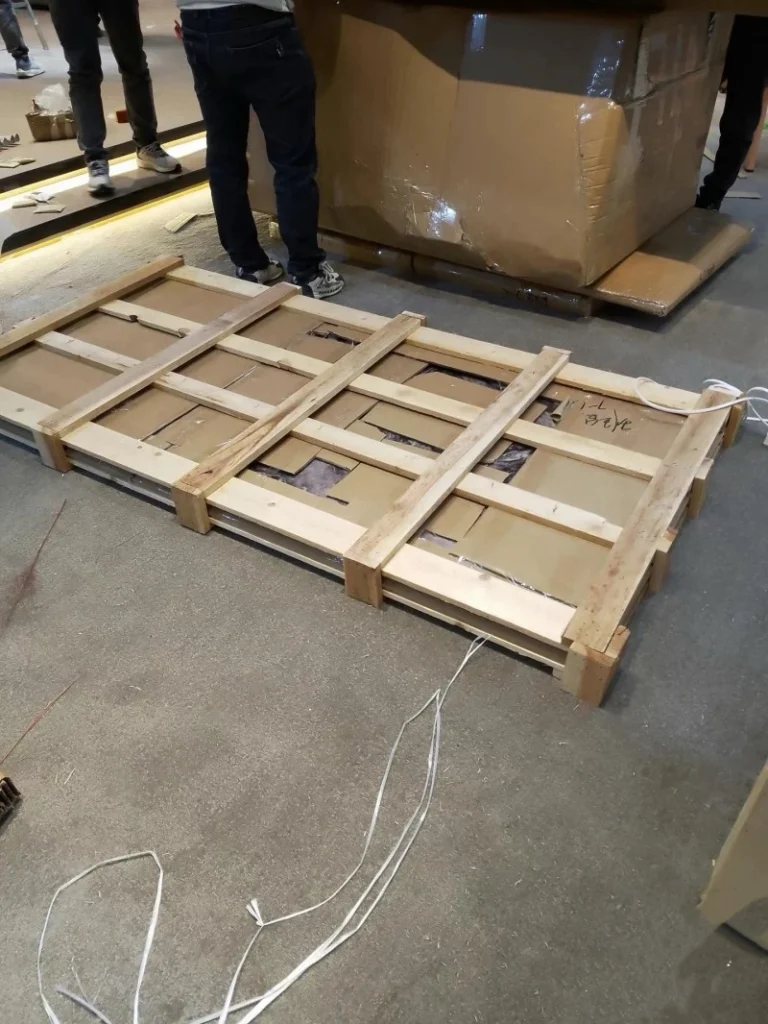
Why Custom Wooden Crates Are Critical for High-Value Equipment
Ensuring that machinery is properly protected from physical damage, environmental risks, and compliance concerns that might otherwise jeopardize projects or lead to expensive repairs is achieved by using custom wooden crates. Damage to high-value equipment is not an option because it can be a huge capital investment. Designed crates provide security in reinforced construction and custom fit that minimizes movement and resist the rigors of ocean, road or air transport.
For industrial projects requiring maximum protection, using wooden crate & case packing solutions ensures your high-value machinery is secured with expert-engineered design and compliance measures.
Key benefits include:
| Feature | Benefit |
| Structural reinforcement | Prevents deformation under weight and vibration |
| Shock absorption | Minimizes impact from handling and transport |
| Moisture and corrosion protection | Maintains equipment integrity during long-haul shipping |
| Tailored dimensions | Ensures snug fit and reduces shifting |
| Compliance markings | Meets ISPM 15 and export regulations |
All these benefits together minimize the risk of claims and delay, and provide peace of mind for procurement teams and project managers.
Core Principles of Wooden Crate Engineering
The first step in the design of a successful custom wooden crate is to understand the load and know how forces are applied to the crate and its contents during shipping. The designer should consider stacking stress, lateral forces due to vehicle motion and potential drop or jolts at transfer points.
This involves determining the correct load distribution across the base, using the correct thickness of walls for the weight of the equipment, bracing and cushioning materials being used as appropriate. Some designs are sealed to help prevent moisture in marine environments and others are provided with ventilation for equipment sensitive to condensation.
Engineers usually make detailed 3D models or drawings to see where the stresses are and to try and make the best of the structure of the crate to achieve a balance of strength and weight. This proactive engineering design avoids over design and design failure due to under design.
Material Selection for Durable Crates
The materials selected have a direct effect on cost, weight and performance of the crates. Packaging experts assess such parameters as duration of the journey, climate, equipment specifications, etc.
Common options include:
| Material | Advantage | Typical Use |
| Plywood | Lightweight, durable, consistent quality | General industrial equipment |
| Hardwood | High strength, superior impact resistance | Heavy machinery |
| Engineered boards | Dimensional stability, resistance to warping | Precision or moisture-sensitive loads |
| Metal braces/fasteners | Reinforced corners and joints | High-value or oversized loads |
For ocean voyages, fasteners such as screws, nails and metal strapping must be corrosion resistant. All wood for export shipments must be obtained from approved suppliers in order to comply with phytosanitary standards. Treated lumber or extra barrier films prevent moisture from entering in moist environments or for long-term storage.
Shock and Vibration Mitigation Strategies
A lot of vibration and sometimes impacts occur during transport, even in good quality crates, which can damage delicate components. Mitigation is a combination of external crate strength and internal protection systems.
Common approaches include:
| Mitigation Method | Purpose | Best Practice |
| Foam padding | Absorbs vibration | Select density based on equipment weight and fragility |
| Dunnage | Prevents movement | Place strategically at load contact points and secure firmly |
| Isolation mounts | Reduces resonance | Ideal for sensitive electronics or precision machinery |
| Corner protectors and edge guards | Shields vulnerable areas | Use in combination with internal bracing |
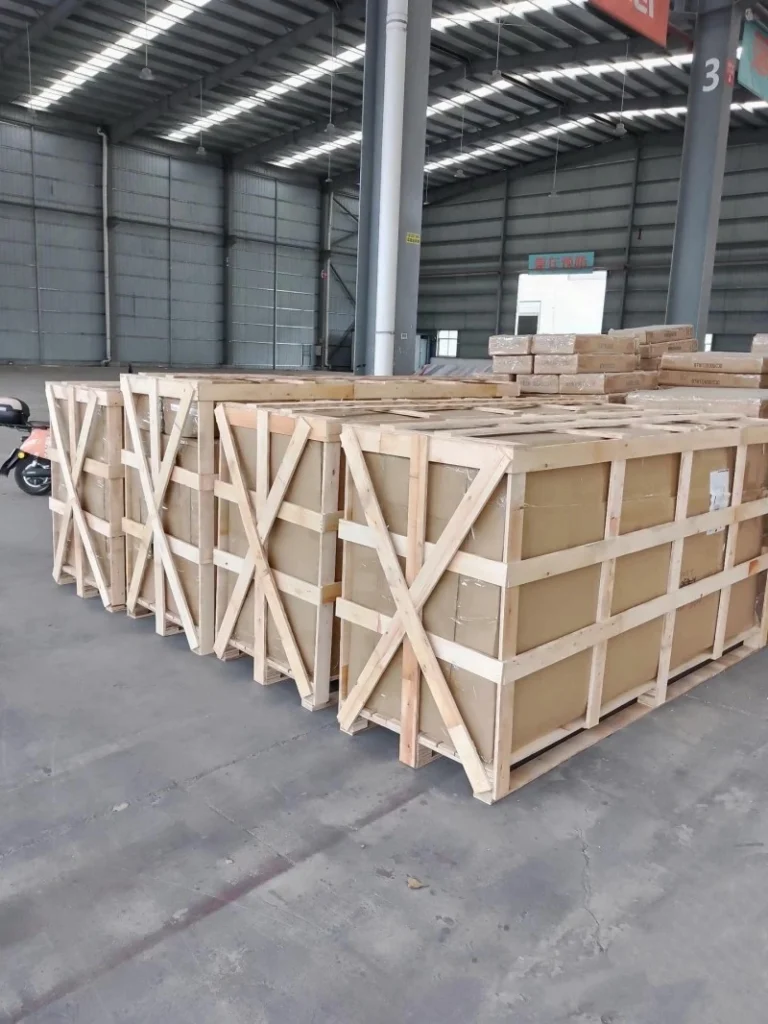
Testing procedures such as simulated drop and vibration testing have been designed to validate the design prior to production. In some cases, engineers may choose to install extra accelerometers on very sensitive machinery to collect data from actual shipments for subsequent optimizations.
Compliance and ISPM 15 Requirements
Wooden packages for international shipping have to be in accordance with ISPM 15 to limit the spread of pests. This is usually done by applying a treatment to the wood and/or fumigation, as well as applying permanent marks to the wood, which include the certifying agency, the method of treatment, and the identifier of the treatment facility.
It is always necessary for logistics organizations to confirm the particular requirements from the origin and destination country, as some countries have their own rules which differ from ISPM 15. Good documentation and markings simplify customs clearance and prevent potential delays or rejections at ports.
As a result of cooperation with experienced suppliers, all crates are delivered that have been pre-certified, which saves time and administrative overheads for the exporter.
Case Study: Shipping a Precision CNC Machine
Let’s take an example of a recent project that we did for a high precision CNC machining centre for an overseas manufacturing plant. Approximately 8 tons, sensitive electronic controls and guideways, which had to be protected.
The custom-made crate was 2.5 m (long) × 1.5 m (wide) × 2 m (high) and featured several layers of protection:
| Equipment | Crate Dimensions | Protection Features | Outcome |
| CNC Machine | 2.5×1.5×2 m | Foam padding, reinforced corners, metal braces, anti-vibration mounts, moisture barriers | Delivered without damage after 45-day sea voyage |
The engineering process encompassed in-depth load calculations, bespoke fixtures and components to hold and facilitate the movement of parts and complete ISPM 15 compliance. There were no issues identified during post delivery inspection, which confirmed the design approach and enabled the client to immediately continue their production without any issues.
Tips for OEM Buyers and Logistics Teams
The best results will come from providing your packaging partner with as much information as possible; detailed technical drawings, center of gravity information, weight distribution, sensitive components and journey environment information.
Include any special handling requirements – e.g. “do not stack” or preferred lifting points. Participation in the design phase helps the engineers to suggest the most economical solution without jeopardizing safety. Having a review of prototypes or design review meeting can help identify issues before prototyping is completed.
In the case of large or complex equipment, think of how the crate will fit into the larger equipment transportation plans, such as container loading or breakbulk equipment transport.
Conclusion — Custom Wooden Crates Protect Machinery and Reduce Transit Risk
The science and hands-on experience in industrial logistics are applied to high-value machine protection through custom wooden crate engineering. Whether it’s choosing the right material, reinforcing it, dampening shocks, or ensuring compliance with regulations, each component has a specific function that contributes to a safe and undamaged landing.
With the implementation of best practices in crate design and working with informed providers, transportation and logistics companies can mitigate transit risks, manage costs and keep project schedules on track. No matter how regular the industrial machinery or precision equipment is, a good and well engineered wooden wooden crate can be one of the most effective means of transporting machinery worldwide.
Comparing these engineering concepts and principles with your own needs will help you make sure your next shipment gets the protection it deserves, and that the contents of your shipment are equally protected.