
Heavy industrial equipment packages and secures with consideration to the equipment weight, size, shape, center of gravity, sensitivity, surface, and route of transport. Best practices are pre-move inspection, labeling of components, protective wrapping, moisture and rust control, custom crating/sliding, shock protection, proper component positioning, blocking, bracing, lashing, and final inspection prior to departure. Packaging ensures protection of equipment against environmental and handling damages, and securing ensures equipment will not move when lifted, transported by road, port handling or ocean shipping. A safe plan should be developed BEFORE loading starts, not after loading cargo.
Heavy industrial equipment packing and securing is a technical moving task that is not a simple packing job in the warehouse. Most businesses think that heavy machinery cannot be harmed due to its size and weight. In practice, vibration, moisture, improper lifting pressure, poor load distribution and poor securing can still cause hidden damage to heavy equipment. Damage can result from impact, vibration, moisture, corrosion, dust build-up, improper lifting or load shifting of heavy equipment. Packaging and securing should depend on the type of equipment, its sensitivity, the length of the transport, the number of handling points and relocation schedule. Protective wrapping, wooden crates, steel skids, vacuum sealing, desiccants, VCI materials, lashing, blocking and bracing of industrial equipment may be required. The aim is to safeguard visible surfaces and unseen machine performance, including alignment, calibration and electrical reliability.
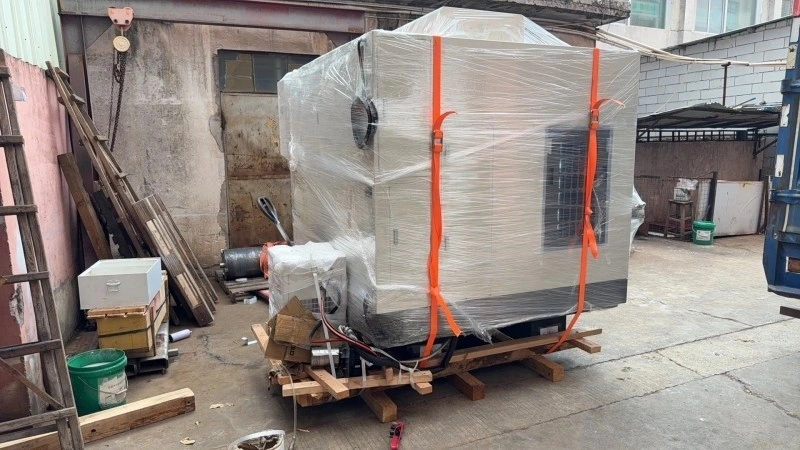
Why Packaging and Securing Matter in Factory Relocation
Effective packaging and securing directly relate to the safety, condition of the equipment on arrival, downtime, insurance, and quick production resume after factory move.
Bad practice results in expensive surprises such as out of alignment CNC spindles, corroded molds, broken control panels, or off-center loads that make unloading difficult. For high-value machinery moves, secure factory relocation solutions should combine equipment inspection, protective packaging, moisture control, load positioning, lashing, blocking, and bracing into one coordinated plan.
| Risk Area | How Packaging Helps | How Securing Helps |
| Impact Damage | Adds protective layers, crates, or frames | Prevents collision caused by movement |
| Moisture and Rust | Uses barriers, desiccants, VCI, or vacuum sealing | Keeps equipment stable and reduces exposure from shifting |
| Vibration | Uses padding and shock-absorbing materials | Reduces movement and repeated stress |
| Electrical Damage | Protects panels, sensors, and wiring | Prevents pressure or impact on sensitive areas |
| Surface Damage | Protects painted, machined, or exposed parts | Avoids strap cuts and friction damage |
| Transport Safety | Keeps cargo protected during handling | Prevents tipping, sliding, or load imbalance |
Step 1: Inspect and Classify Equipment Before Packaging
All effective packaging and securing operations begin with a proper evaluation of the equipment. The decision at this stage will impact the overall protection strategy.
| Inspection Item | What to Check | Packaging or Securing Decision |
| Equipment Size | Length, width, height, protruding parts | Determines crate, skid, container, or trailer space |
| Equipment Weight | Gross weight and component weight | Determines base support, lifting, and lashing strength |
| Center of Gravity | Balance point and stability | Guides load positioning and securing angle |
| Sensitive Components | Sensors, controls, spindles, displays | Requires cushioning, wrapping, or removal |
| Exposed Metal | Rails, shafts, molds, machined surfaces | Requires anti-rust protection |
| Electrical Systems | Cabinets, wiring, terminals, screens | Requires moisture and impact protection |
| Detachable Parts | Tools, guards, fixtures, accessories | Requires labeling and separate packing |
| Transport Conditions | Road, port, sea, storage, weather exposure | Determines moisture, shock, and corrosion controls |
Step 2: Choose the Right Packaging Method
Each packaging system must have its packaging system specifically tailored to its equipment’s risk profile – not a blanket approach for all machines.
| Packaging Method | Best Used For | Practical Benefit |
| Protective Wrapping | Durable equipment surfaces | Prevents dust, scratches, and minor abrasion |
| Moisture Barrier Film | Long-distance or humid-route transport | Reduces humidity exposure |
| Vacuum Sealing | Rust-sensitive metal machinery or molds | Helps prevent corrosion during storage or ocean transport |
| Wooden Crates | Components, spare parts, precision accessories | Provides impact and handling protection |
| Steel Skids or Frames | Heavy or irregular machinery | Supports stable lifting and handling |
| Shock-Absorbing Pads | Precision machines and sensitive components | Reduces vibration and impact stress |
| VCI Materials | Exposed metal surfaces | Provides anti-rust protection |
| Desiccants | Sealed crates or wrapped equipment | Controls internal moisture |
| Control Panel Covers | Electrical cabinets, screens, sensors | Protects against moisture, dust, and impact |
Step 3: Protect Equipment Against Moisture, Rust, and Corrosion
When shipping long distances, exporting, ocean shipping, loading outdoors, or for projects where there may be a storage delay, moisture and corrosion control becomes important.
| Moisture or Rust Risk | Protection Method | Practical Note |
| Rain During Loading | Temporary covers or weather-window planning | Avoid exposing machinery during open loading |
| High Humidity | Moisture barrier film and desiccants | Useful for sealed packages or crates |
| Ocean Transport | Vacuum sealing, VCI materials, and desiccants | Reduces corrosion risk during long transit |
| Exposed Metal Surfaces | Anti-rust oil, VCI paper, or protective coating | Apply before wrapping or crating |
| Precision Surfaces | Sealed protection and corrosion inhibitors | Protects rails, shafts, molds, and beds |
| Storage Delays | Humidity indicators and sealed packaging | Helps monitor risk before installation |
Step 4: Use Proper Blocking and Bracing
Blocking and bracing helps to stop equipment sliding, rocking, tipping or hitting other loads while they are being moved.
| Method | Main Function | Common Mistake to Avoid |
| Blocking | Stops movement at the equipment base | Leaving gaps between cargo and blocks |
| Bracing | Adds structural support against movement | Using weak supports for heavy machinery |
| Wedges | Stabilizes rounded or irregular shapes | Poorly fitted wedges that loosen in transit |
| Steel Supports | Supports heavy or high-risk cargo | Not matching support to equipment weight |
| Base Reinforcement | Spreads load on trailer or container floor | Concentrating weight on small contact points |
| Gap Checking | Confirms cargo cannot shift before lashing | Relying only on straps or chains |
Step 5: Apply Correct Lashing Methods
Equipment must be lashed to hold it in place but must be designed to accommodate the weight, direction of movement, cargo structure and method of transport.
| Lashing Factor | What to Check | Why It Matters |
| Lashing Capacity | Strength of chains, straps, or wire ropes | Must match cargo weight and movement forces |
| Lashing Point | Approved and strong attachment points | Prevents structural damage or failure |
| Lashing Angle | Direction and angle of restraint | Affects how well the load is held |
| Edge Protection | Protection under straps or chains | Prevents strap damage and surface marks |
| Tension | Correct tightness before departure | Prevents cargo movement |
| Recheck Timing | Inspect after first movement or handling stage | Detects loosening before long transport |
| Contact Surface | Avoid panels, pipes, sensors, or thin covers | Prevents crushing or deformation |
Step 6: Plan Load Positioning and Weight Distribution
Failure to distribute the weight of the equipment or positioning the load properly can result in damaged equipment even though it is well packaged.
| Load Positioning Factor | What to Confirm | Risk If Ignored |
| Center of Gravity | Equipment balance point | Tipping or unstable lifting |
| Axle Load | Weight distribution across trailer axles | Road safety or permit issues |
| Container Floor Load | Load-bearing capacity and contact points | Floor damage or cargo rejection |
| Flat Rack Placement | Position relative to deck and lashing points | Poor securing performance |
| Spacing Between Cargo | Clearance between machines or crates | Collision during transport |
| Support Surface | Skids, bases, or contact areas | Uneven stress or deformation |
Step 7: Inspect Packaging and Securing Before Departure
Many problems escape detection during the first inspection when they are passed on with the cargo.
| Final Check | What to Inspect | Why It Matters |
| Packaging Integrity | Tears, gaps, loose covers, broken crates | Prevents exposure during transport |
| Moisture Protection | Seals, desiccants, VCI, vacuum condition | Reduces rust and corrosion risk |
| Handling Marks | Lifting points, upright marks, fragile labels | Improves correct handling |
| Blocking and Bracing | Gaps, loose supports, weak contact points | Prevents cargo shifting |
| Lashing Tension | Loose or uneven restraints | Reduces movement during transport |
| Edge Protection | Strap and chain contact points | Prevents surface and strap damage |
| Photo Records | Cargo condition before departure | Supports handover and insurance documentation |
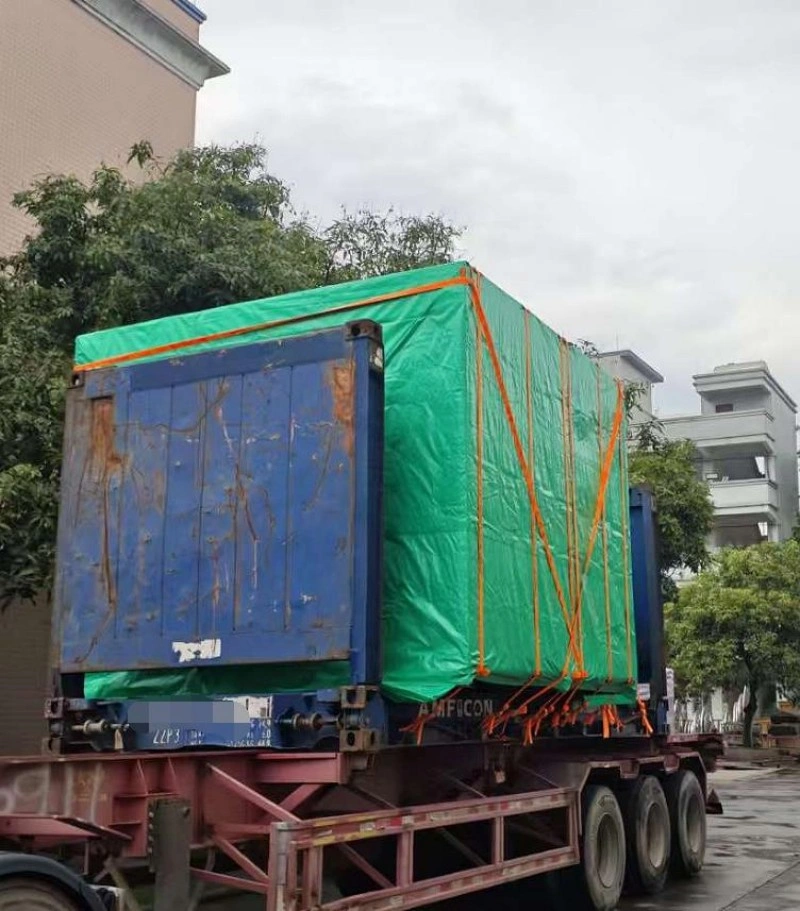
Packaging and Securing by Equipment Type
There are different types of heavy industrial equipment which require different protection and securing priorities.
| Equipment Type | Packaging Priority | Securing Priority |
| CNC Machines | Shock, moisture, and control panel protection | Stable base support and vibration control |
| Injection Molding Machines | Surface wrapping, rust prevention, component labeling | Strong lashing and balanced load positioning |
| Industrial Presses | Heavy base support and exposed-part protection | High-capacity lashing and bracing |
| Molds and Tooling | Vacuum sealing, VCI, wooden crates | Prevent movement and impact |
| Electrical Cabinets | Moisture, dust, and impact protection | Avoid pressure on panels and wiring |
| Packaging Machinery | Component labeling and fragile part protection | Prevent twisting or frame deformation |
| Assembly Line Modules | Crating, labeling, and dust protection | Keep modules stable and organized |
Common Packaging and Securing Mistakes to Avoid
Even experienced teams can miss things that cause a costly issue when they get to the bottom.
| Mistake | Why It Creates Risk | Better Practice |
| Basic Wrapping Only | Does not protect against moisture, impact, or vibration | Match packaging to cargo risk |
| No Rust Protection | Corrosion may appear after storage or ocean transport | Use VCI, desiccants, coating, or vacuum sealing |
| Poor Lashing Contact | Straps may damage panels, pipes, or covers | Use proper lashing points and edge protection |
| No Blocking or Bracing | Cargo may shift even if strapped | Use lashing with blocking and bracing |
| Wrong Load Position | Weight may become unstable | Review center of gravity and load distribution |
| No Final Inspection | Small issues leave the site unnoticed | Check packaging, securing, and records before departure |
| Poor Labeling | Parts may be lost or mishandled | Label crates, components, and handling points |
Heavy Industrial Equipment Packaging and Securing Checklist
Apply this handy checklist to keep all factory equipment moving projects consistent.
| Stage | Checklist |
| Before Packaging | Inspect equipment, record condition, confirm weight, dimensions, center of gravity, and sensitive areas |
| Packaging Design | Select wrapping, crates, skids, vacuum sealing, moisture barriers, VCI, shock pads, and control panel protection |
| Component Packing | Label detachable parts, cables, tools, fixtures, guards, and accessories |
| Rust and Moisture Control | Apply anti-rust protection, desiccants, humidity control, and sealed barriers where needed |
| Loading Preparation | Confirm lifting points, load position, floor strength, trailer/container type, and support points |
| Securing | Apply lashing, blocking, bracing, anti-skid support, edge protection, and tension checks |
| Before Departure | Inspect packaging integrity, securing condition, photos, labels, handover records, and weather protection |
| After Delivery | Check cargo condition, packaging damage, missing parts, rust signs, and equipment readiness |
Conclusion — Packaging and Securing Should Be Planned as One System
Wrapping and tie-downs are not enough to protect heavy industrial equipment when transported to a new factory location. Equipment assessment is the first step in a reliable plan, followed by the proper use of packaging, moisture control, load support, blocking and bracing, lashing, and inspection. If these steps are performed together, the companies can minimize the risk of damage and control the movement of the machines.
Plant managers and relocation teams deliver smooth projects, fewer surprises, and quicker production restarts by considering packaging and securing heavy industrial equipment as an integrated technical process instead of individual jobs. Ahead of the planning of these elements, consistent best outcomes in domestic and international factory relocations can be achieved.