
When moving machinery to a different facility, a company should have a plan to protect the machine – one that should start well before the machine is lifted and moved. This encompasses a comprehensive examination of the equipment, the recording of all details, careful removal, component marking, detailed equipment packing, rust prevention, controlled lifting, safe loading and vibration control, and comprehensive testing after move.
The protection of machinery during relocation of factories covers aspects from dismantling to lifting, loading, transport, unloading to reinstallation – it is not one packaging step, but a process of risk control. Many companies think that heavy equipment is inherently safe, but problems caused by vibration, moisture, misalignment or improper handling can result in costly repairs and extended downtime. Precision machines, CNC equipment, injection molders, presses, and electrical systems all need specific protection, which is determined by their sensitivity, weight and operating needs.
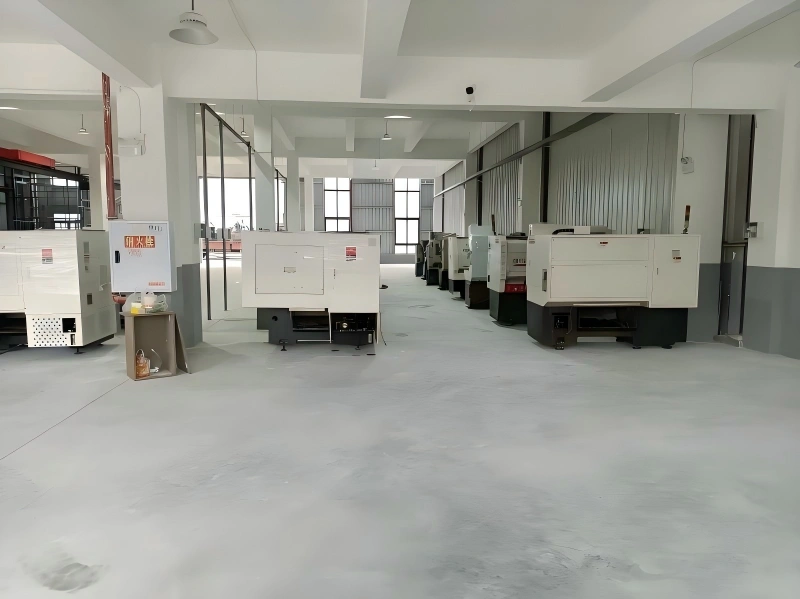
Why Machinery Gets Damaged During Factory Relocation
Damage is typically during machinery relocation when teams’ lack of awareness of the sensitivity of industrial equipment, or they are only dealing with the transport element and not the complete process. Common issues include damage from impact while being lifted, vibrations from road and/or sea transport, corrosion due to humidity, dust contamination, electrical failures, and the loss of components.
| Damage Risk | How It Happens | Possible Result |
| Impact Damage | Collision during lifting, loading, or unloading | Bent frames, cracked covers, broken guards |
| Vibration Damage | Long-distance road or ocean transport | Loose components, alignment issues, sensor damage |
| Moisture Exposure | Rain, humidity, sea air, poor packaging | Rust, electrical failure, corrosion |
| Dust Contamination | Open panels or unsealed components | Control system or mechanical contamination |
| Poor Lifting | Wrong lifting points or uneven rigging | Structural deformation or tipping risk |
| Load Shifting | Weak lashing, blocking, or bracing | Equipment movement and cargo damage |
| Missing Parts | Poor labeling or packing records | Reinstallation delays and production downtime |
Proper relocation practices safeguard equipment when relocating to a safe area, dismantling, lifting, packing, moving, unloading and inspecting after relocation.
Step 1: Inspect and Document Machinery Before Relocation
A pre-move inspection that documents a baseline record is the starting point in effective machinery protection. This will safeguard the equipment as well as all parties involved and will allow for accurate comparison post relocation.
| Inspection Item | What to Record | Why It Matters |
| Equipment Identity | Name, model, serial number, location | Prevents confusion during relocation |
| Visual Condition | Photos of all sides, panels, base, and accessories | Supports damage comparison after delivery |
| Existing Defects | Rust, cracks, leakage, loose parts, worn covers | Avoids disputes after relocation |
| Operating Status | Whether the machine runs normally before shutdown | Helps identify post-move issues |
| Sensitive Areas | Control panels, sensors, spindles, guide rails | Guides protection methods |
| Accessories | Fixtures, tools, guards, manuals, spare parts | Prevents missing components |
It’s one of the best ways to prevent damage to equipment by documenting these details before any work is done.
Step 2: Plan Dismantling, Labeling, and Component Protection
Many problems in industrial machinery transportation can be avoided by proper planning if they are caused by haste dismantling. A systematic process helps to minimise reconnections and breakage.
| Dismantling Task | Recommended Practice | Risk Reduced |
| Utility Disconnection | Isolate power, air, water, gas, and hydraulic lines safely | Electrical or leakage hazards |
| Cable Labeling | Mark both ends of cables and connectors | Reconnection errors |
| Pipe and Hose Labeling | Number hydraulic, pneumatic, and coolant lines | Installation confusion |
| Fragile Part Removal | Remove sensors, gauges, screens, or guards if needed | Breakage during handling |
| Accessory Packing | Pack tools, fixtures, and spare parts separately | Loss or mixing of parts |
| Photo Records | Photograph each stage of dismantling | Supports accurate reassembly |
Step 3: Choose the Right Packaging and Protective Materials
Packaging should be as sensitive as the machinery, be able to withstand the distance of transport and exposure to the environment. When relocating heavy machinery this frequently means using multiple materials, not all of which are the same.
| Protection Method | Best Used For | Protection Purpose |
| Protective Wrapping | General machine surfaces | Dust and scratch prevention |
| Wooden Crating | Components, accessories, and fragile parts | Impact and handling protection |
| Steel Frame or Skid Base | Heavy or irregular machinery | Structural support during handling |
| Shock-Absorbing Pads | Precision equipment | Vibration and impact reduction |
| Moisture Barrier Film | Long-distance or export transport | Humidity protection |
| Vacuum Sealing | Rust-sensitive metal machinery | Moisture and corrosion control |
| Desiccants | Crated or sealed equipment | Internal humidity reduction |
| VCI Materials | Exposed metal surfaces | Anti-rust protection |
| Edge Protection | Painted or machined edges | Prevents scratches and strap damage |
Step 4: Protect Machinery Against Rust and Moisture
When moving machinery across countries, by sea or to a humid storage area, rust prevention is an important consideration.
| Moisture or Rust Risk | Protection Method | Practical Note |
| Rain During Loading | Temporary cover or weather-window planning | Avoid exposing equipment during open loading |
| Container Condensation | Desiccants and moisture barriers | Important for long sea transport |
| Exposed Metal Surfaces | Anti-rust oil, VCI paper, or protective coating | Apply before packing |
| Precision Rails and Bearings | Sealing, grease protection, or VCI materials | Prevents functional surface corrosion |
| Long Storage Time | Vacuum sealing and humidity monitoring | Useful when installation is delayed |
| Electrical Cabinets | Moisture barrier and internal desiccants | Reduces risk of electrical failure |
Step 5: Use Correct Lifting and Handling Methods
One of the most common causes of structural damage during factory equipment moving is improper lifting. Ensure that weight, centre of gravity and approved lifting points have been checked before any movement.
| Handling Method | Suitable For | Damage Prevention Focus |
| Forklift | Smaller machines or packed components | Use correct fork length and load center |
| Crane | Heavy equipment or vertical lifting | Confirm lifting points and rigging angle |
| Gantry System | Indoor equipment with limited crane access | Maintain balanced lifting |
| Machinery Skates | Short-distance floor movement | Check floor condition and control speed |
| Hydraulic Jacking | Raising equipment for positioning | Lift evenly and avoid twisting |
| Spreader Beam | Wide or delicate loads | Reduces side pressure from slings |
Step 6: Load, Position, and Secure Machinery Properly
During loading, the safety of the machinery is an important factor that will affect the intactness of the equipment. Weight distribution, blocking, bracing and lashing are all interdependent.
| Securing Element | Function | Common Mistake to Avoid |
| Load Positioning | Keeps weight balanced | Placing heavy machinery too far off-center |
| Lashing | Prevents movement | Using weak restraints or poor angles |
| Blocking | Stops base movement | Leaving gaps around the machinery base |
| Bracing | Adds structural support | Using light bracing for heavy equipment |
| Anti-Skid Mats | Increases friction | Relying on mats without proper lashing |
| Edge Protection | Protects straps and surfaces | Allowing straps to cut into sharp edges |
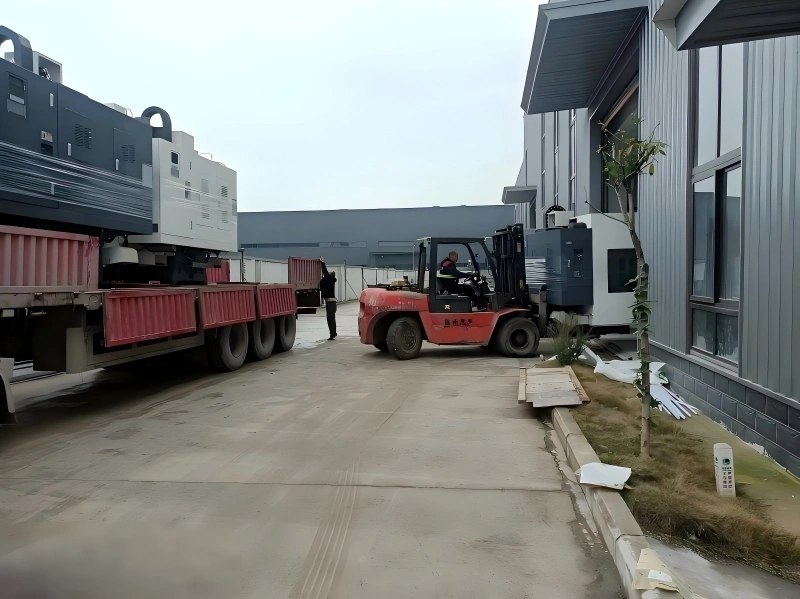
Step 7: Control Vibration, Shock, and Transport Conditions
Not every damage is evident at once. Precision machines and equipment, which are sometimes transported by road, sea or several handling points, require vibration protection.
| Transport Condition | Possible Damage | Prevention Method |
| Road Vibration | Loose bolts, alignment change | Anti-vibration pads and stable securing |
| Sudden Braking | Cargo shift or impact | Proper lashing and route planning |
| Rough Road Surface | Shock to machine frame | Select safer routes and suitable trailers |
| Ocean Movement | Repeated vibration and rolling | Strong blocking, bracing, and corrosion protection |
| Multiple Transfers | Increased handling risk | Reduce unnecessary handovers |
Step 8: Inspect, Reinstall, and Test Machinery After Relocation
The last – and frequently forgotten – step is the post-move inspection checklist for industrial machinery, which is the one that proves successful protection.
| Post-Move Check | What to Inspect | Why It Matters |
| Visual Condition | Scratches, dents, cracks, rust, leaks | Identifies visible relocation damage |
| Parts Inventory | Accessories, tools, guards, cables | Prevents reinstallation delays |
| Positioning and Leveling | Machine base, alignment, foundation | Supports stable operation |
| Utility Reconnection | Power, air, water, hydraulic lines | Ensures safe startup |
| Calibration | Precision settings | Restores production quality |
| Trial Run | Noise, vibration, heat, output | Detects hidden damage |
Common Machinery Protection Mistakes to Avoid
Even the best teams can make some expensive mistakes. Common mistakes are the lack of documentation prior to the move, inadequate moisture protection, incorrect lifting points, and entering production without sufficient testing.
| Mistake | Why It Creates Risk | Better Practice |
| No Pre-Move Documentation | Hard to identify when damage occurred | Photograph and inspect before work starts |
| Poor Labeling | Parts may be lost or reconnected incorrectly | Label systematically |
| Weak Moisture Protection | Rust or electrical issues later | Use barriers, desiccants, and VCI |
| Wrong Lifting Points | Machine frame may deform | Confirm approved points and center of gravity |
| No Post-Move Testing | Hidden damage affects production | Inspect, calibrate, and run trial operation |
Machinery Protection Checklist for Factory Relocation
Follow this practical checklist to ensure that your factory relocation equipment protection is on track:
| Stage | Protection Checklist |
| Before Dismantling | Inspect condition, take photos, identify sensitive parts, confirm weight and lifting points |
| During Dismantling | Label cables and hoses, remove fragile parts, pack accessories separately |
| Before Loading | Apply protective wrapping, rust prevention, moisture barrier, shock padding, edge protection |
| During Lifting | Use approved lifting points, control balance, protect fragile surfaces |
| During Transport | Secure with lashing, blocking, bracing, anti-skid support, route monitoring |
| After Delivery | Inspect condition, check inventory, reinstall, level, calibrate, and run trial operation |
Conclusion — Machinery Protection Requires Planning Across the Whole Relocation Process
Machine protection – not a one-off task – is an ongoing process during factory relocation. Documenting equipment condition, protecting sensitive components, minimizing moisture and vibration, applying proper lifting techniques, securing loads properly, and conducting machinery tests after installation can help to mitigate the risk of damage in the factory and ensure that production can resume with greater confidence.
Precautions taken with machinery care during the entire relocation process ensures the accuracy of equipment, unexpected repair costs are reduced and production downtime is minimized. A disciplined approach offers the reliability that your operations need, for moving a single CNC center, or an entire production line.