
In engineering logistics, early risk analysis addresses technical, operational, compliance and site-specific uncertainties before cargo moves. Understanding what has been verified on the cargo side, route restrictions, permit timelines, equipment requirements, packing needs, port procedures, customs readiness and final-mile conditions before the project is even underway provide an alternative to wishful thinking and allow for more realistic cost allowances. It means no more shocks and no more contingency overspending, budgets that stay on track during implementation.
A lot of project owners are still considering a freight quotation as the final budget number. In reality, engineering logistics budgets are not accurate if dimensions are not confirmed and equipment changes are required, if permits are not issued on time, and there is no consideration given to port requirements causing storage and demurrage. With a proactive early risk analysis procedure, these problems can be identified and plans and prices can be adjusted.
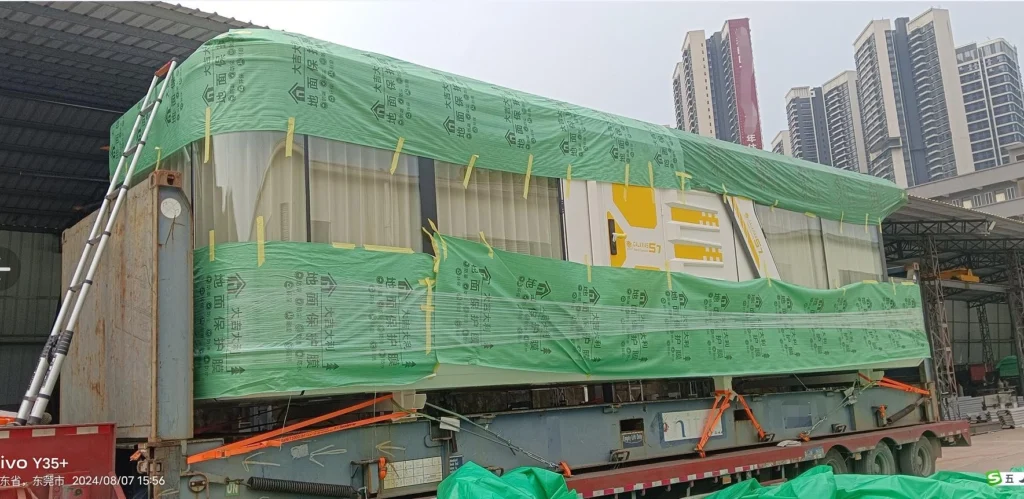
Why Engineering Logistics Budgets Often Become Inaccurate
Engineering logistics budgets are off-kilter when teams only focus on the cost of transporting the obvious thing and not the dozens of factors that affect total landed cost. Simple rate-based estimates can’t capture complexities introduced by oversized machinery, transformers, pressure vessels, production lines, and steel structures.
Some typical causes are estimated cargo data, unknown centre of gravity, missing lifting/tie-down points, and restrictions found after booking, permit delays, selecting the incorrect trailer/container, last minute packing changes, port handling surprises, mismatching customs documents, and unprepared last mile sites. All of these can add up to a much larger bill than the initial quote.
| Budget Accuracy Risk | Why It Creates Unexpected Cost |
| Estimated Cargo Data | Trailer, permit, port, or freight cost may change after actual measurement |
| Packing Size Changes | Final cargo may exceed route, container, or terminal limits |
| Unknown Center of Gravity | Lifting, load positioning, and securing plans may need revision |
| Route Restrictions | Detours, escorts, or route redesign may add cost |
| Late Permits | Truck waiting time or urgent permit processing may occur |
| Wrong Equipment Selection | Trailer, crane, or container changes may increase cost |
| Port Requirements Missed | Terminal rework, storage fees, or missed cut-off may occur |
| Customs Document Errors | Clearance delays may create demurrage or storage charges |
| Site Access Problems | Final-mile delivery may require extra equipment or temporary storage |
What Early Risk Analysis Means in Engineering Logistics
Early risk analysis in engineering logistics is an engineering practice that is a cross functional analysis of all phases of the move before committing to significant investments. It’s not just paperwork… it’s a process to manage costs that breaks down potential issues into line item costs and mitigation strategies.
Engineering logistics projects involve many factors, such as route, permit, port, customs, cargo protection and the final mile of movement. In the case of oversized machinery, factory equipment, transformers, pressure vessels and other project cargo with high value, customs, cargo protection, and final-mile risks before they become budget surprises.
| Risk Analysis Area | What to Review | Budget Benefit |
| Cargo Data | Dimensions, weight, COG, lifting points, tie-down points | Reduces quotation and equipment changes |
| Route Feasibility | Bridges, clearance, road width, turning radius, permits | Reduces detours and permit-related costs |
| Equipment Selection | Trailer, crane, flat rack, open top, breakbulk options | Avoids over-specification or unsafe under-specification |
| Cargo Securing | Lashing, blocking, bracing, anti-slip materials | Prevents rework and damage risk |
| Packaging | Crating, waterproofing, anti-rust, vacuum sealing | Balances protection cost and damage prevention |
| Port Handling | OOG approval, terminal entry, lifting, storage | Reduces port fees and vessel rollover risk |
| Customs Documents | Invoice, packing list, HS code, permits, certificates | Reduces clearance delays and demurrage |
| Final-Mile Delivery | Site access, unloading equipment, receiving team | Prevents failed delivery and temporary storage |
Early Cargo Data Verification and Budget Accuracy
One of the most common causes of project cargo budgets to go over budget is the route problem. Detours, escorts and redesigns can be caused by bridge load limits, overhead clearance, road width, turning radius and local regulations.
Early in the process, doing a route survey and permit feasibility check will help the teams price realistic alternatives rather than reacting to the situation later.
| Cargo Data to Verify | Budget Impact If Missing or Wrong |
| Length, Width, Height | May change trailer type, route permit, shipping method, or port approval cost |
| Gross Weight | May affect crane, trailer, bridge review, and heavy lift cost |
| Packing Dimensions | Final transport size may exceed original planning limits |
| Center of Gravity | May require special lifting, load positioning, or support planning |
| Lifting Points | May affect rigging method and crane operation cost |
| Tie-Down Points | May affect lashing material, labor, and securing design |
| Support Points | May require custom saddles, frames, or reinforced blocking |
| Sensitive Components | May require shock protection, moisture control, or special handling |
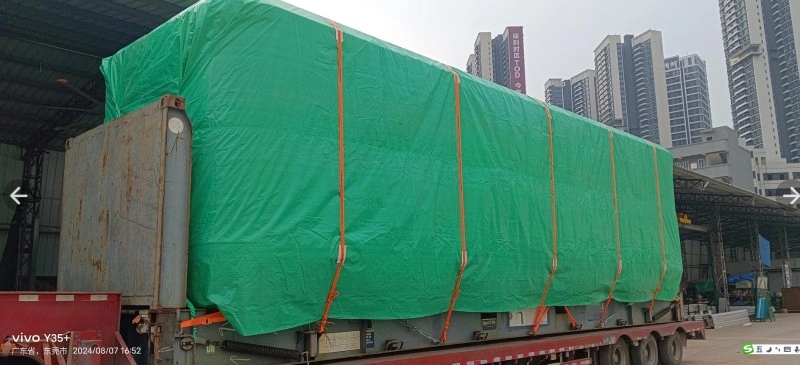
Route, Permit, and Infrastructure Risks That Affect Budget
The right transport equipment selection from the outset avoids over-specification, and the avoidance of equipment that may be inadequate. The differences among lowbed trailers, ultra-low flatbeds, modular trailers, flat rack containers, open top containers, and breakbulk trailers are in costs and risks.
| Route / Permit Risk | Possible Budget Impact | Early Control Method |
| Bridge Load Limit | Detour, engineering review, or alternate route cost | Conduct route survey before final quotation |
| Overhead Clearance | Cargo height reduction, repacking, or route change | Measure critical clearance points |
| Turning Radius | Special trailer or route modification cost | Simulate or inspect turning points |
| Permit Requirement | Waiting time or urgent application fee | Start permit planning after cargo data confirmation |
| Site Access Road | Final-mile transport changes or temporary storage | Survey destination access before dispatch |
Transport Equipment Selection and Budget Risk
The right transport equipment selection from the outset avoids over-specification, and the avoidance of equipment that may be inadequate. The differences among lowbed trailers, ultra-low flatbeds, modular trailers, flat rack containers, open top containers, and breakbulk trailers are in costs and risks.
| Equipment Decision | Budget Risk If Poorly Planned |
| Lowbed Trailer | May not meet height, weight, or route requirements |
| Modular Trailer | Expensive if over-specified, risky if needed but not planned |
| Flat Rack Container | Requires lashing, weather protection, and OOG approval |
| Heavy Lift Vessel | Requires early booking and port capability review |
| Custom Support Frame | Adds cost but may prevent cargo deformation or damage |
Packaging and Cargo Protection Risks in Budget Planning
Protection is not just an optional touch; it’s a calculated investment that safeguards the cargo and the budget. If there is under protection, it results in damage claims and rework. Excessive protection leads to exaggeration of size and freight charges.
Depending on the length of the transit, weather exposure and sensitivity of the cargo, wooden crating, vacuum sealing, anti-rust treatment, VCI materials, desiccants and custom saddles are all to be specified.
Port, Customs, and Storage Risks That Change the Budget
Indirect costs (storage, demurrage, detention, rework) for port and customs are often much higher than the original ocean freight and can be significantly higher. This ensures that these costs are controlled and are not delayed by late submission of the dimensions, lifting plans, lashing drawings, accurate HS codes and complete documentation.
Schedule and Contractor Coordination Risks
However, even the best of technical planning is achieved if you have unrealistic timelines or unclear responsibilities. Waiting time and additional charges occur due to cargo readiness delays, packing slippage, permit delay and site unreadiness. A responsibility matrix and milestone tracking minimize these coordination risks.
Building a Risk-Based Engineering Logistics Budget
A professional budget includes the base carriage and hire charge, plus expenses for surveys, permits, special equipment, packing, port charges, customs, final mile and delivery, insurance, and contingencies. Budget assumptions and exclusions provide transparency and clarity into the budget when changes happen.
Early Risk Analysis Workflow for Budget Accuracy
Establish a repeatable process to convert risk analysis to a useful budgeting process:
- Determine the scope of the cargo and gather technical information.
- Check dimensions, weight, COG and handling points.
- Check the feasibility and the permit needed for the route.
- Choose and cost modes of transport
- Evaluate handling, packaging and securing requirements
- Ensure that port, customs and documentation are prepared
- Keep schedule and allocate tasks
- Include realistic contingencies and record assumptions
Common Mistakes That Reduce Budget Accuracy
Project teams often make budgets based on the cost of freight only, make forecasts for cargo, ignore the increase in packing dimension, fail to review the route, fail to include permits, fail to account for port and storage costs, or fail to plan customs until the very end. Most of these are addressed by switching to verified data and risk-based allowances.
How to Choose a Logistics Partner for Budget-Accurate Engineering Logistics
Seek out a company that has previous experience in engineering logistics, in-house cargo survey experience, risk analysis procedures, route and permit planning experience, an excellent understanding of specialized equipment, cargo packaging and securing, port coordination networks, and clear cost breakdowns. The best partners make their assumptions explicit and assist in breaking down risks into budget items.
Conclusion — Accurate Budgets Start with Early Risk Analysis
A review and quantification of risks before goods are moved makes engineering logistics budgets more reliable. The reduction in changes and improved cost control is achieved through verified cargo data, route and permit checking, equipment and protection planning, port and customs preparation and confirmation at the final mile. Project teams that consider early risk analysis an essential budgeting process as opposed to an afterthought, are better able to lessen uncertainty and realise more predictable outcomes on complex high-value moves.