
Coordinating the transfer of equipment from one mode to another requires close cooperation at each step. The success of multiple industrial equipment units travelling at the same time by road, sea, port operations, customs and final mile delivery relies less on the individual modes of transport and more on the successful coordination of cargo data, responsibilities, documents and schedules as one integrated project. This anonymized case study details how engineering logistics teams were able to overcome the challenges of overlapping timelines, cargo batches and avoid delays, over-storing at port and installation disruptions.
Too many project teams simply add up road and sea freight to get to multi-modal transport and thus fail to appreciate the complexity. In fact, the coordination of simultaneous multi-modal equipment transfers involves synchronizing sequences, handing over, planning storage and preparing sites for all parties. This case study highlights the importance of coordinating the following key elements in multi-modal engineering logistics: cargo profiling, transport sequencing, port coordination, customs document control and final-mile planning, when several batches of equipment are moving simultaneously.
Case Background: What Was Being Moved?
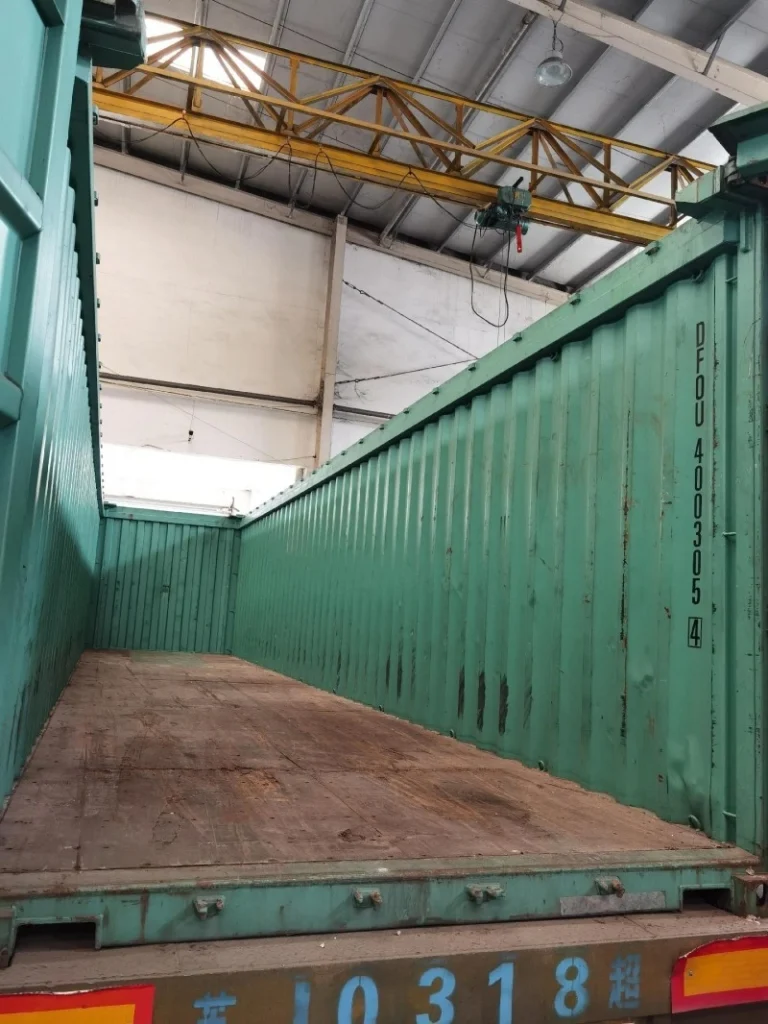
A manufacturing firm had to move a number of manufacturing facilities from several manufacturing locations in Asia to an overseas expansion location. Products shipped consisted of skid mounted equipment, electrical control cabinets, prefabricated pipe assemblies, structural steel frames and several over-sized process units which needed special lowbed trailers and port clearance.
| Case Element | Project Details |
| Cargo Type | Skid-mounted machinery, control cabinets, steel frames, pipe assemblies, and oversized units |
| Transport Modes | Inland road transport, port handling, ocean freight, customs clearance, final-mile delivery |
| Cargo Complexity | Mixed sizes, weights, packaging needs, lifting points, and delivery priorities |
| Main Challenge | Multiple cargo batches had to move simultaneously without disrupting installation sequence |
| Key Risk | Delay in one batch could affect port storage, customs clearance, and site installation schedule |
| Coordination Goal | Keep cargo data, documents, contractors, and milestones aligned across all stages |
The project timeline was short as site installation required to be carried out in a sequence. If the parts are not received in order, additional handling or temporary storage would be necessary onsite.
Why Simultaneous Multi-Modal Transfers Are Difficult
The main challenge with simultaneous multi-modal equipment transfers is the overlapping timelines, multiple contractors and cargo specific requirements that do not naturally fit together in one. Various units of equipment were available on different dates and road permits, vessel schedules and port appointments were on separate calendars.
| Coordination Challenge | Why It Creates Risk |
| Different Cargo Readiness Dates | Some equipment may arrive too early or too late for the planned sequence |
| Multiple Transport Modes | Each mode has different booking, handling, and documentation requirements |
| Permit Timing | Oversized road permits may not align with vessel cut-off dates |
| Port Appointment Windows | Late arrival can cause missed loading or storage charges |
| Mixed Cargo Types | Fragile cabinets, steel frames, and heavy machinery need different handling methods |
| Customs Documentation | Batch-level documents must match invoices, packing lists, and cargo labels |
| Storage Constraints | Cargo may occupy yard or site space before installation |
| Contractor Coordination | Trucking, crane, port, customs, and destination teams must follow one schedule |
When it’s not managed by a centralized system, these elements can quickly add up to expensive delays or broken equipment.
Initial Planning: Building One Shared Cargo Profile
One verified master cargo profile for all units/batches is the first step in making the necessary simultaneous multimodal equipment transfers a success. Because we gathered detailed information (and not piecemeal supplier information), this work could be completed early in the project.
| Cargo Profile Item | Why It Was Needed |
| Dimensions | Confirmed trailer type, route feasibility, and port approval requirements |
| Gross Weight | Supported crane, trailer, and lifting equipment selection |
| Lifting Points | Reduced risk during loading, port handling, and unloading |
| Tie-Down Points | Helped prepare lashing and securing methods |
| Packaging Type | Identified cargo protection and storage requirements |
| Cargo Photos | Helped contractors understand shape, base, and handling limits |
| Batch Number | Connected cargo movement with delivery and installation sequence |
| Installation Priority | Helped decide which cargo should arrive first at the destination |
| Customs Description | Supported invoice, packing list, and declaration consistency |
This information was used as one source of truth, which meant that contractors were not working with conflicting data.
Transport Mode Coordination: Road, Port, Sea, and Final Mile
Transportation planning was done in reverse, from the installation sequence rather than from the installation sequence. Factory pick up dates were established to align with port delivery dates, road permits, and lowbed/flatbed availability. Only after ensuring port and carrier acceptance of the oversized units was ocean freight options (flat rack, open top, or breakbulk) decided upon.
| Transport Stage | Coordination Requirement | Risk If Not Aligned |
| Factory Pickup | Cargo readiness, loading resources, and truck scheduling | Truck waiting time or missed departure |
| Inland Road Transport | Trailer assignment, permits, escorts, and route timing | Road delay or failed port delivery |
| Port Entry | Terminal appointment, cargo data, and document readiness | Gate rejection or storage cost |
| Ocean Freight | Vessel booking, cargo acceptance, and cut-off control | Vessel rollover |
| Customs Clearance | Invoice, packing list, HS codes, and batch documents | Clearance delay |
| Destination Transport | Local permits, truck availability, and route review | Port storage or final-mile delay |
| Site Delivery | Crane, unloading space, and receiving team readiness | Failed handover or installation delay |
Managing Port and Customs Timing Across Multiple Cargo Batches
When multiple batches are moving simultaneously the port and customs processes are the biggest obstacle. Created batch level packing lists and maintained the consistency of commercial invoices with the HS codes and specified descriptions of the cargo. OOG approvals and cargo photos were submitted a long time before they arrived.
| Port / Customs Task | Why It Was Important |
| Batch-Level Packing List | Helped match each cargo batch with documents and site delivery sequence |
| HS Code Review | Reduced customs classification issues |
| OOG Approval | Confirmed whether oversized units could be accepted by port and carrier |
| Cargo Photo Submission | Helped terminal and carrier understand handling requirements |
| Terminal Appointment | Prevented cargo congestion and missed cut-off |
| Document Version Control | Avoided inconsistencies between invoice, packing list, and BL details |
| Customs Broker Coordination | Identified document issues before cargo arrival |
| Destination Release Planning | Helped move cargo out of port according to site readiness |
Lifting, Lashing, and Cargo Protection Decisions
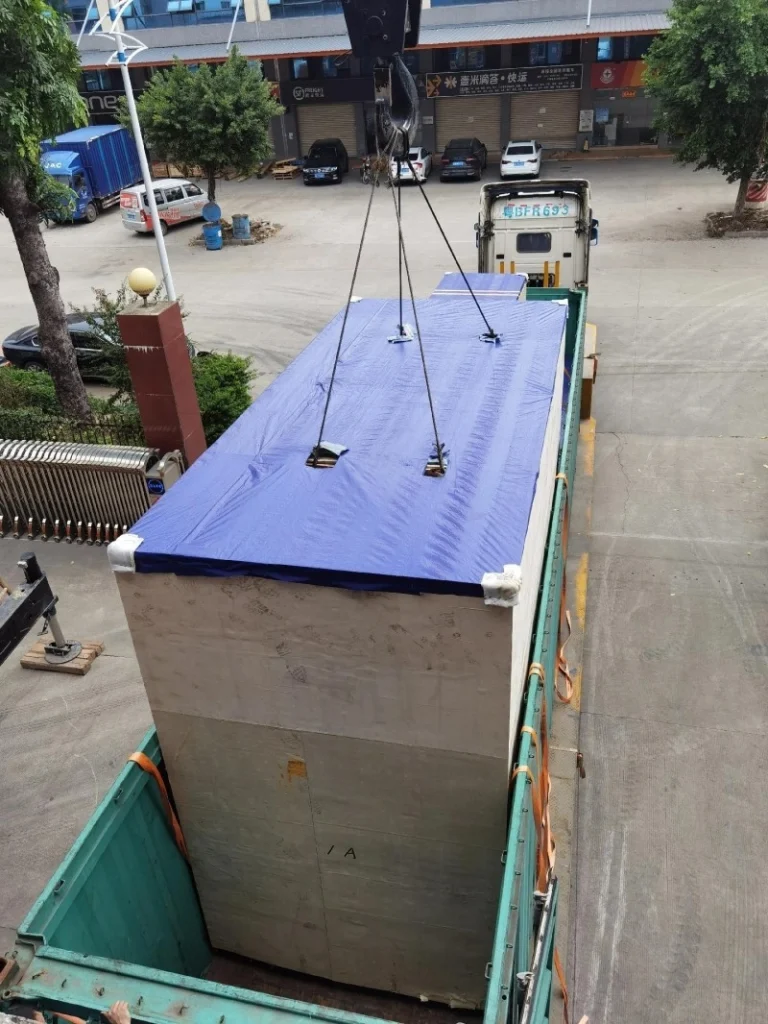
Various types of cargo demanded custom protection and securing solutions. Skid-mounted units were crated with approved lashing points and blocking and control cabinets were completely wood crated, desiccated.
| Cargo Type | Protection / Securing Method | Purpose |
| Skid-Mounted Machinery | Lashing at approved points, blocking, anti-slip mats | Prevents shifting and frame stress |
| Control Cabinets | Wooden crating, waterproof wrapping, desiccants | Protects electrical components from moisture and impact |
| Steel Frames | Bundling, edge protection, anti-rust treatment | Reduces corrosion and surface damage |
| Pipe Assemblies | Grouping, marking, bracing, and support frames | Prevents bending and missing components |
| Oversized Units | Lowbed trailer, lifting plan, custom supports, final inspection | Controls lifting, load distribution, and transport stability |
Milestone Control and Responsibility Assignment
The responsibility matrix was transparent ensuring accountability for all. Key milestones from cargo readiness to final handover were tracked.
| Milestone | Responsible Party | Why It Had to Be Controlled |
| Cargo Readiness | Factory / cargo owner | Determined whether pickup could start on schedule |
| Packing Completion | Packing team | Prevented cargo from missing loading window |
| Permit Approval | Logistics team / permit agent | Allowed oversized units to move legally |
| Truck Arrival | Trucking provider | Kept pickup and port schedule aligned |
| Port Appointment | Port agent / logistics coordinator | Prevented terminal waiting and missed cut-off |
| Vessel Cut-Off | Freight forwarder / shipping line | Controlled sailing schedule |
| Customs Declaration | Customs broker | Reduced clearance delay |
| Destination Release | Destination broker / consignee | Allowed final-mile delivery to proceed |
| Site Unloading | Crane and site team | Prevented delivery failure |
| Handover Inspection | Logistics coordinator / cargo owner | Confirmed cargo condition and completion |
Risk Controls Used During the Case
Practical controls were the daily status reports, pre-shipment lashing checks, weather protection plans and written backup time for the critical operations.
| Risk | Control Used |
| Cargo Batch Confusion | Batch numbers and matching packing lists |
| Permit Delay | Early permit tracking and route confirmation |
| Port Cut-Off Risk | Terminal appointment and vessel schedule monitoring |
| Customs Document Error | Broker pre-check and document version control |
| Cargo Damage | Lashing inspection, photos, and protective packaging |
| Weather Exposure | Waterproof covering and anti-rust protection |
| Site Congestion | Delivery sequencing and storage planning |
What Went Well and What Needed Adjustment
Cargo profiling and precoordination with ports was very successful, minimizing cut-off and confusion. One batch had to be delivered within a different window because site readiness, however, some weather protection had to be reinforced that was in the process of temporary storage. These changes underscored the importance of ongoing communication.
| Area | Result / Adjustment | Lesson Learned |
| Cargo Profiling | Reduced confusion between cargo batches | Verified data should be centralized early |
| Port Coordination | Improved cut-off control | Terminal communication should start before cargo pickup |
| Weather Protection | Some protection required reinforcement | Storage conditions must be considered in advance |
| Site Delivery | Delivery sequence needed minor adjustment | Destination readiness must be checked continuously |
Lessons Learned for Future Multi-Modal Equipment Transfers
The most important lesson learned is that simultaneous multi-modal equipment transfers are a successful concept when viewed as a single engineering logistics package, not multiple shipments.
| Lesson | Practical Application |
| Use One Cargo Data Source | Prevents contractors from working with different information |
| Plan by Batch | Keeps cargo movement aligned with installation sequence |
| Coordinate Transport Modes | Reduces waiting time at transfer points |
| Pre-Check Documents | Reduces customs and port delays |
| Track Milestones | Helps identify delay risks before they affect the project |
| Prepare Contingencies | Limits disruption from weather, permits, or site changes |
Common Mistakes in Simultaneous Multi-Modal Equipment Transfers
Project teams tend to think of batches as separate shipments or do not correlate the delivery order with the installation order. Other common problems are not planning the final mile and not getting authorization to send cargo to port.
| Mistake | Better Practice |
| Managing each batch separately | Build one integrated project schedule |
| Ignoring installation sequence | Link delivery order with site installation plan |
| Late customs preparation | Pre-check documents before cargo reaches port |
| No storage planning | Reserve port or site storage when needed |
| No single coordinator | Assign one project control point |
How to Choose a Logistics Partner for Simultaneous Multi-Modal Transfers
Assess partners for their coordination of several batches, contractors, and stages — not just freight booking. Look for proven multi-modal project experience, cargo survey capabilities, port coordination support, and transparent milestone tracking.
| Logistics Capability | Why It Matters |
| Multi-Modal Project Experience | Helps coordinate road, port, sea, customs, and final-mile stages |
| Cargo Survey Capability | Provides verified data for each equipment unit |
| Port Coordination | Prevents terminal rejection, storage issues, and missed cut-offs |
| Final-Mile Planning | Ensures cargo can be received and unloaded at the destination site |
Conclusion — Simultaneous Transfers Require One Integrated Control Plan
Multi-modal equipment transfers need to be coordinated as a multi-modal whole, not just an aggregate of individual trucks and vessels. Each cargo consignment needs to be linked to the project’s overall time frame, port needs and handling plans, and destination preparedness. Combining cargo information, paperwork, contractors, and milestones makes complicated industrial equipment transfers more secure, dependable, and less disruptive to installation schedules.
With these structured approaches, engineering logistics, EPC and factory relocation teams can minimise risks and ensure projects stay on track.