
Oil & gas infrastructure projects often require the transport of large, heavy, irregular, high-value equipment, and sometimes equipment with compliance requirements that can’t be safely and timely transported by conventional freight. Engineering logistics for oil and gas infrastructure projects integrates accurate cargo assessment, route feasibility studies, specialized transport equipment, lifting coordination, cargo securing, documentation control, compliance planning and final site delivery of cargo into one coordinated project cargo plan.
Many project teams still view oil & gas equipment transport as “just find a heavy trailer and book space.” In reality, safe and timely delivery depends on verified technical data, detailed route engineering, permits, lifting plans, and site readiness. For pressure vessels, process skids, compressors, tanks, pipe racks, and refinery modules, professional project cargo logistics solutions help turn potential risks into controlled, predictable outcomes.
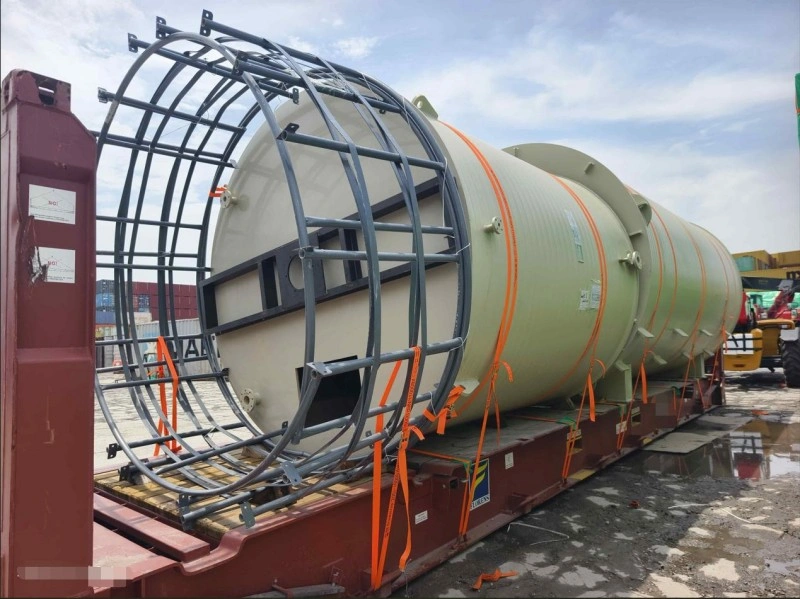
Why Oil & Gas Infrastructure Projects Need Engineering Logistics
The typical oil & gas project cargo involves a combination of high weight, large size, complex shape, delicate internal contents, remote installation location, environmental regulations, and strict installation schedules. These are all reasons why generic heavy haul services are not sufficient.
Engineering logistics is a project control process of transportation, not just moving. Prevention of downtime, protection of high value assets, maintenance of compliance and continuity of downstream installation.
| Oil & Gas Logistics Challenge | Why It Matters |
| Heavy and Oversized Cargo | Equipment may exceed standard truck, container, or road transport limits |
| Irregular Structures | Skids, modules, and vessels may require custom support and securing |
| High Cargo Value | Damage can affect project budget, schedule, and installation readiness |
| Remote Site Delivery | Access roads, unloading areas, and crane positions may be limited |
| Heavy Lifting Needs | Cranes, rigging, and ground conditions must be planned before arrival |
| Compliance Requirements | Permits, customs, HS codes, hazardous components, and safety documents must be controlled |
| Multi-Party Coordination | EPC teams, contractors, carriers, ports, and site teams must work from one plan |
| Schedule Dependency | Late cargo may delay installation, commissioning, or project milestones |
Common Cargo Types in Oil & Gas Infrastructure Logistics
Oil & gas equipment comes in a variety of types, each with its own set of transport, lift, secure and protection issues. To ensure logistics teams choose appropriate methods and equipment, understanding these differences from the beginning is crucial.
| Cargo Type | Logistics Consideration |
| Pressure Vessels | Cylindrical shape, rolling risk, lifting points, support saddles, and permits |
| Storage Tanks | Large volume, site access, bracing, and weather protection |
| Process Skids | Heavy base frame, center of gravity, tie-down points, and vibration control |
| Compressor Units | Heavy weight, sensitive internal components, and moisture protection |
| Pump Systems | Base support, lifting method, and alignment protection |
| Heat Exchangers | Heavy weight, tube protection, and support point planning |
| Pipe Racks / Pipe Spools | Bundling, labeling, deformation prevention, and installation sequence |
| Drilling Equipment | Heavy-duty handling, route planning, and cargo securing |
| Refinery Modules | Oversized dimensions, multi-point lifting, and route feasibility |
| Electrical Control Cabinets | Moisture protection, electrical safety, and careful handling |
| Valves and Manifolds | Surface protection, packaging, and labeling control |
| Steel Structures and Platforms | Corrosion protection, bundling, and load optimization |
Cargo Survey and Technical Data Preparation
The correct information regarding cargo is the base of each successful oil & gas engineering logistics operation. Bad or incomplete information can lead to bad or bad enough choices of trays, rejection of permits, overloading the cranes, or damage to structures.
The very good planner is always careful to take a full survey and manufacturer’s documentation before any movement.
| Data to Confirm | Why It Matters |
| Dimensions | Determines route clearance, container option, and permit requirements |
| Gross Weight | Affects trailer selection, crane capacity, bridge load limits, and lifting safety |
| Center of Gravity | Supports safe lifting, load positioning, and transport stability |
| Lifting Points | Prevents structural damage during crane operations |
| Tie-Down Points | Helps design safe lashing and securing methods |
| Support Points | Prevents deformation during loading, transport, or storage |
| Cargo Drawings | Helps logistics teams understand structure and handling limits |
| Hazardous Components | May require special documentation, labeling, or compliance control |
| Cargo Photos | Provides visual reference for planning and condition records |
| Installation Sequence Requirements | Supports correct delivery order and site staging |
Route Planning, Permits, and Infrastructure Feasibility
When planning routes for oil & gas equipment, it’s important to consider all factors throughout the route, from road and bridge clearance to port clearance and site access.
| Route or Infrastructure Factor | Risk If Ignored | Control Measure |
| Bridge Load Limit | Heavy cargo may exceed legal or structural limits | Verify route capacity and select approved route |
| Overhead Clearance | Cargo may collide with wires, bridges, signs, or gates | Conduct route survey and measure critical clearance points |
| Road Width | Cargo may block traffic or become unstable | Plan escort vehicles and permitted transport windows |
| Turning Radius | Long trailers or wide cargo may not pass safely | Simulate key turns or select an alternative route |
| Road Surface | Vibration, shock, or instability may increase | Use suitable trailers and adjust speed |
| Port Entry Rules | Cargo may be delayed or refused at terminal | Confirm terminal requirements before arrival |
| Site Access Road | Cargo may reach the area but not the installation site | Survey final road, gate, and unloading zone |
| Permit Approval | Legal movement may be delayed | Start applications early and track approval status |
Choosing Suitable Transport Equipment for Oil & Gas Cargo
Purchase transport equipment based on the cargo size and volume, weight, route requirements, lifting requirements, and site conditions, and not just the cost.
| Transport Option | Best For | Key Consideration |
| Lowbed Trailer | Heavy or tall equipment on inland routes | Reduces overall transport height |
| Ultra-Low Flatbed | Extra-tall cargo with clearance limitations | Useful for height-sensitive routes |
| Modular Trailer | Extremely heavy or wide equipment | Requires detailed load distribution and route planning |
| Flat Rack Container | Heavy equipment exceeding standard container limits | Requires strong lashing and weather protection |
| Open Top Container | Tall equipment loaded by crane from above | Needs lifting plan and rain protection |
| Breakbulk Shipping | Large modules unsuitable for container shipping | Requires port handling and securing coordination |
| Heavy Lift Vessel | Very large or heavy project cargo | Requires early booking and port capability review |
| Custom Saddles / Supports | Pressure vessels, tanks, and cylindrical equipment | Prevents rolling and structural deformation |
Lifting, Loading, and Rigging Planning
Damage to equipment in Oil & Gas projects is mainly during lift and load. The proper crane lift planning is crucial, including the capacity of the crane, rigging, ground conditions, and lifting points.
| Lifting / Loading Area | What to Check | Why It Matters |
| Crane Capacity | Rated load, working radius, and lifting height | Prevents overload and unsafe lifting |
| Ground Condition | Surface strength and stability under crane outriggers | Reduces tipping, settlement, or instability risk |
| Lifting Points | Approved points and load-bearing capacity | Prevents equipment deformation |
| Center of Gravity | Load balance and lifting angle | Supports safe and stable lifting |
| Rigging Method | Slings, shackles, spreader beams, and lifting sequence | Prevents stress concentration and impact |
| Trailer Positioning | Alignment with lifting path and unloading requirements | Reduces unnecessary handling |
| Loading Inspection | Photos, checklist, and supervisor approval | Confirms readiness before movement |
Cargo Securing, Blocking, and Bracing for Oil & Gas Equipment
The security of each transport item should be designed to fit its unique geometry, weight distribution and transport conditions.
| Securing Method | Application | Purpose |
| Lashing | Skids, compressors, pumps, and heavy machinery | Prevents movement during road or sea transport |
| Blocking | Tanks, pressure vessels, and base frames | Stops sliding or rolling |
| Bracing | Tall, irregular, or module cargo | Adds stability and prevents shifting |
| Custom Saddles | Cylindrical cargo such as vessels and tanks | Supports curved surfaces and prevents deformation |
| Anti-Slip Mats | Machinery bases and skid-mounted equipment | Reduces movement caused by vibration or braking |
| Steel / Timber Supports | Heavy modules and structural cargo | Improves load distribution |
| Final Inspection | All secured cargo | Confirms securing quality before departure or vessel loading |
Compliance, Documentation, and Hazardous Component Control
With oil & gas cargo, there can be a lot of documentation to deal with, particularly if pressure systems, chemicals or electrical components are involved.
| Document or Compliance Item | Why It Matters |
| Commercial Invoice | Supports customs valuation and declaration |
| Packing List | Helps identify cargo and package details |
| HS Code | Affects customs classification and clearance |
| Cargo Drawings | Supports handling, lifting, and route planning |
| Transport Permit | Confirms legal road movement for oversized cargo |
| MSDS | Required when hazardous materials or residues are involved |
| DG Declaration | Needed if cargo qualifies as dangerous goods |
| Inspection Report | Confirms cargo condition and handling records |
| Lifting Plan | Supports safe crane operations |
| Lashing Plan | Supports cargo securing approval and inspection |
| Insurance Documents | Supports risk coverage and claim handling |
Environmental Protection for Oil & Gas Project Cargo
Transports overseas and from remote locations wet them, moistens them, exposes them to salty air, blurs them with dust, and freezes them.They get rained on, moistened, exposed to salt water, dusted and frozen by transportation overseas or from remote locations. Preventing corrosion and contamination is pro-active protection and saves money.
| Environmental Risk | Possible Damage | Preventive Measure |
| Rain Exposure | Surface corrosion or electrical damage | Waterproof covering and sealed packaging |
| Humidity | Rust, condensation, or internal moisture damage | Desiccants, vapor barrier, or vacuum sealing |
| Salt Air | Accelerated corrosion during ocean shipping | Anti-rust treatment and marine-grade protection |
| Dust | Contamination of sensitive surfaces or equipment | Dust-proof wrapping or covered storage |
| Long Storage | Surface degradation before installation | Scheduled inspection and protective maintenance |
| Vibration | Loosening, misalignment, or fatigue | Stable bracing and shock-absorbing supports |
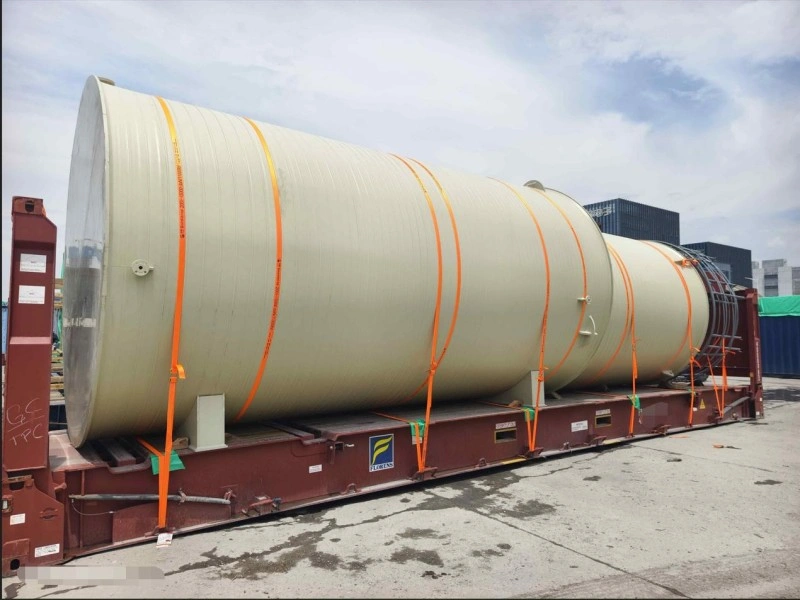
Site Delivery and Installation Sequence Planning
The success of logistics is measured in the last installation point. Delivery must be coordinated with site access and crane availability and construction sequence.
| Site Delivery Factor | Why It Matters |
| Access Road Condition | Confirms heavy trailers can reach the installation area |
| Gate and Turning Space | Prevents final-mile access failure |
| Crane Positioning | Ensures unloading can be performed safely |
| Ground Bearing Capacity | Prevents crane or trailer instability |
| Site Storage Space | Avoids congestion and cargo damage |
| Installation Sequence | Ensures equipment arrives in the correct order |
| Receiving Team Readiness | Supports immediate inspection and handover |
| Temporary Protection | Protects cargo if installation is delayed |
| Handover Records | Confirms cargo condition and delivery completion |
Common Mistakes in Oil & Gas Engineering Logistics
Even the best teams can sometimes get into a rut – one that causes them to take a risk or delay that they do not need to take.
| Mistake | Better Practice |
| Treating project cargo as standard freight | Plan around cargo size, weight, risk, compliance, and site conditions |
| Using estimated cargo data | Verify dimensions, gross weight, lifting points, and center of gravity |
| Late route survey | Confirm route feasibility before setting transport dates |
| Ignoring hazardous components | Review MSDS, residues, labels, and compliance documents early |
| Generic lashing method | Design securing based on cargo shape, weight, and transport mode |
| Weak corrosion protection | Use anti-rust treatment, sealed packaging, or desiccants where needed |
| No final site check | Survey access roads, unloading zone, crane position, and ground condition |
| Poor contractor coordination | Use a shared schedule, responsibility matrix, and communication plan |
| No contingency plan | Prepare alternatives for permit delays, weather, port congestion, or equipment changes |
How to Choose a Logistics Partner for Oil & Gas Infrastructure Projects
Logistics providers should be evaluated by project owner and EPC contractor for technical capability and proven oil & gas experience, and not just price.
| Logistics Capability | Why It Matters for Oil & Gas Projects |
| Project Cargo Experience | Supports complex, oversized, heavy, and high-value equipment moves |
| Cargo Survey Capability | Ensures planning is based on verified technical data |
| Route and Permit Support | Reduces legal movement and access risks |
| Specialized Equipment Access | Matches cargo with suitable trailers, containers, cranes, and support frames |
| Lashing and Securing Knowledge | Prevents shifting, rolling, deformation, and vibration-related damage |
| Compliance Awareness | Supports hazardous components, permits, customs, and documentation control |
| Protective Packaging Options | Helps control rust, moisture, dust, and impact exposure |
| Port and Customs Coordination | Reduces terminal and clearance delays |
| Site Delivery Planning | Ensures cargo can be unloaded and received safely |
| Contingency Planning | Prepares for weather, route, permit, and schedule disruptions |
Conclusion — Oil & Gas Logistics Requires Early Engineering Control
Goods data, route considerations, lifting methods, securing needs, documents, environmental protection and site preparation are most successful when these elements are considered during the earliest stages of an oil and gas infrastructure project. It can be used to move any pressure vessel, process skid, compressor, tank, pipe rack or refinery module, minimizing unnecessary downtime, asset protection, compliance, and realistic installation schedules.
Make logistics a function of risk and schedule control, not just a cost of transportation – consistently yields better project results. One of the best ways to ensure complicated oil & gas infrastructure projects stay on track is through collaboration at the outset between EPCs, equipment manufacturers, and seasoned logistics planners.