
Eco-friendly hazardous cargo transport is about minimizing the impact on the environment while assuring safety and regulatory adherence for transporting hazardous materials. It calls for practical measures like selecting packages that are compatible with the equipment, using strong spill containment arrangements, route planning and load optimisation to boost efficiency, where possible, using packages that have a lower environmental impact, waste control, packaging documentation and more.
Eco-friendly hazardous goods transport is not a matter of sacrificing safety for green transport methods, but rather of reducing the environmental impact by using compliant packaging, preventing spills, optimising routes, loading efficiently, selecting lower-emission transport modes, controlling waste and handling the goods responsibly. The practice of environmental responsibility for hazardous cargo starts with risk prevention and not marketing claims. While opting for a lower emission mode of transportation is a key aspect of “green shipping” for most shippers, for hazardous materials, many of these are also key environmental controls: spill prevention, packaging integrity, proper documentation, route planning and emergency preparedness.
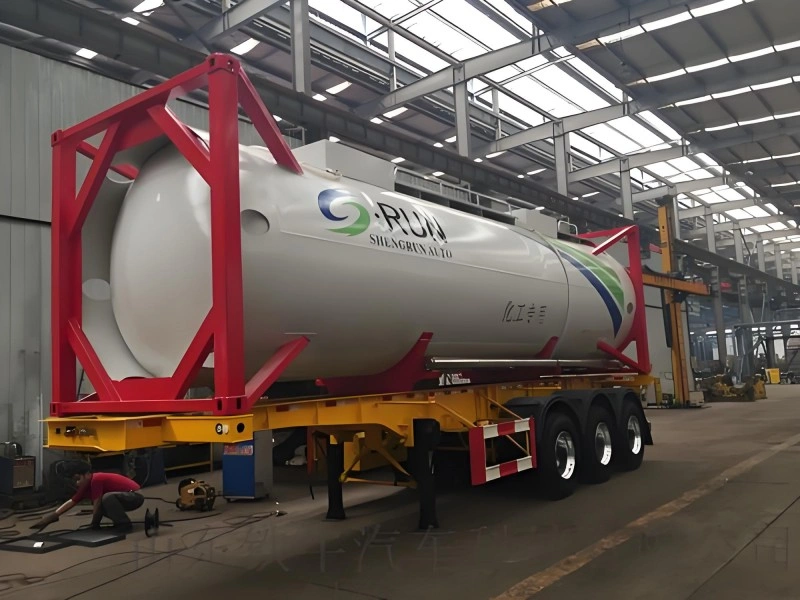
What Does Eco-Friendly Hazardous Cargo Transport Mean?
Eco-friendly hazardous cargo transport uses sustainable principles to all aspects of the delivery of hazardous materials without compromising safety or compliance. Unlike general green logistics, it tackles specific hazards and hazard classes, chemical compatibility, and regulatory aspects, preventing contamination and waste, while avoiding unnecessary emissions, from the outset.
For shippers trying to reduce environmental impact without increasing transport risk, sustainable hazardous cargo handling practices should be built around compliant packaging, spill prevention, route planning, and emergency preparedness.
| Sustainability Area | Practical Meaning in Hazardous Cargo Transport |
| Spill Prevention | Reduces risk of soil, water, and workplace contamination |
| Packaging Selection | Uses compliant, durable, and suitable materials to prevent failure |
| Route Optimization | Reduces fuel use, delays, unnecessary transfers, and exposure risk |
| Load Efficiency | Improves space use while maintaining segregation and safety |
| Waste Reduction | Minimizes damaged packaging, rejected cargo, and unnecessary repacking |
| Documentation Accuracy | Prevents delays, holds, and repeated handling caused by errors |
| Emergency Preparedness | Limits environmental impact if an incident occurs |
Why Sustainability Must Not Compromise Safety or Compliance
Any hazardous cargo transportation improvements that want to be sustainable should enhance—not weaken—the existing controls for protecting people, property and the environment. Before deciding on any “green” option, it is important to consider hazard class requirements, UN approved packaging standards, compatibility of the packaging to the chemicals, labelling requirements, segregation requirements, carrier acceptance and emergency response requirements.
| Sustainability Decision | What Must Be Checked First |
| Reducing Packaging Material | Does it still meet containment and transport requirements? |
| Reusing Containers | Are they clean, undamaged, compatible, and approved for the cargo? |
| Choosing Lower-Emission Transport | Can the carrier safely accept and handle the hazardous cargo? |
| Consolidating Shipments | Are the materials compatible and properly segregated? |
| Using Recycled Materials | Are they strong and compliant enough for hazardous cargo? |
| Shortening Routes | Does the route meet hazardous cargo restrictions and emergency access needs? |
Use Packaging That Is Safe, Durable, and Waste-Conscious
Packaging is among the most critical sustainability choices in the shipment of hazardous goods and takes precedence in ensuring absolute protection and compliance with regulations. The correct selection will minimize leaks, rejection rates and replacement wastes.
UN approved packaging may be required and durable drums, IBCs, tanks, cylinders, crates and overpacks should be consistent with the properties of the cargo specified in the SDS/MSDS. Taking a different approach to the use of material can reduce consumption when using a reusable option and the right-sized designs can reduce waste while not sacrificing safety. Secondary liquid containment and moisture resistant labels contribute to both environmental and operational objectives.
| Packaging Approach | Environmental Benefit | Safety Requirement |
| Compatible Packaging | Reduces leakage and contamination risk | Must match cargo properties and SDS/MSDS guidance |
| Durable Containers | Reduces package failure and replacement waste | Must be inspected before use |
| Reusable Packaging | Reduces single-use material where allowed | Must remain approved, clean, and undamaged |
| Right-Sized Packaging | Reduces excess material and unused space | Must still provide adequate protection |
| Secondary Containment | Limits environmental impact of leakage | Must be compatible with the cargo |
| Moisture-Resistant Labels | Reduces relabeling and handling errors | Must stay readable throughout transport |
Prevent Spills and Leaks as the First Environmental Control
The best measure to take in preventing dangerous goods spills and leakage is taking prevention measures. The effects of one spill can be damaging to the environment more than years of gradual improvements in other areas.
Wipe down containers, check closures, ensure correct headspace for liquid, ensure secondary containment, ensure appropriate absorbent materials, ensure supervised loading and ensure detailed emergency response plans. These steps directly reduce the likelihood of soils, water or air pollution from hazardous substances.
| Spill Prevention Measure | Environmental Value |
| Container Inspection | Prevents leakage from damaged packaging |
| Closure Verification | Reduces seepage, vapor release, and drips |
| Secondary Containment | Limits spread if primary packaging fails |
| Compatible Absorbents | Helps control minor spills safely |
| Proper Headspace | Reduces expansion-related leakage |
| Loading Supervision | Prevents impact damage and unsafe handling |
| Emergency Response Plan | Reduces response time and environmental harm |
Optimize Routes to Reduce Emissions and Exposure Risk
Route optimization in hazardous cargo transport cuts down handling points, idle time, and exposure to adverse conditions which in turn can minimize fuel usage and the probability of cargo being mishandled or exposed to hazardous conditions.
Fewer transfer points, schedules that are reliable, approved hazardous cargo routes, early customs preparation, planning for the weather, and carrier capability reviews are key factors. These decisions help to reduce emissions, but also contribute to the safety and reliability of the shipments.
| Route Planning Factor | Sustainability Benefit | Safety Benefit |
| Fewer Transfer Points | Less handling and lower fuel use | Reduces damage and leakage risk |
| Reliable Transit Schedule | Reduces waiting and idle time | Limits exposure to heat, rain, or delays |
| Approved Hazardous Cargo Route | Avoids rejected routes or detours | Supports legal and safer movement |
| Early Customs Preparation | Reduces port dwell time | Limits uncontrolled storage exposure |
| Weather-Aware Planning | Reduces disruption and rerouting | Protects cargo from extreme conditions |
| Carrier Capability Review | Avoids inefficient rebooking | Ensures proper hazardous cargo handling |
Improve Load Planning Without Ignoring Segregation Rules
Improved load planning can make containers or trailers more efficient and result in fewer trips but compatibility and segregation of hazardous materials should always be considered.
Balanced weight distribution, secure palletization and comprehensive pre-loading reviews minimize shifting, damage and concealed labels as well as maximizing the utilization of the safe space. This reduces unnecessary transport and associated emissions, but at no additional risk.
| Load Planning Practice | Benefit | Risk to Avoid |
| Better Space Utilization | Reduces wasted transport capacity | Do not mix incompatible hazardous materials |
| Weight Distribution | Improves transport stability | Avoid overloading one side or axle |
| Segregation Planning | Supports safe consolidation | Do not prioritize space over compatibility |
| Secure Palletization | Reduces cargo movement and damage | Avoid hiding labels or blocking access |
| Pre-Loading Review | Reduces rework and delays | Do not wait until loading day to plan layout |
Choose Lower-Emission Transport Options When Feasible
If they do meet dangerous goods acceptance criteria and meet operational safety standards, then lower emission transport options can be used to support the sustainability agenda in the context of the transport of hazardous materials.
Sea transport is frequently a more low-emission option for long-distance transport than air transport, and the rail option can be efficient for land transport. It is helpful when a trucking company and a modern fleet are compatible, and with planning, expedited movements are avoided.
| Transport Option | Potential Environmental Benefit | Hazardous Cargo Consideration |
| Sea Freight | Lower emissions than air for many long-distance shipments | Must meet maritime dangerous goods requirements |
| Rail Transport | Efficient for some inland routes | Requires route and dangerous goods acceptance |
| Consolidated Trucking | Reduces underutilized transport capacity | Only suitable when cargo compatibility allows |
| Direct Routing | Reduces unnecessary transfers and mileage | Must comply with hazardous cargo route restrictions |
| Modern Truck Fleet | Better fuel efficiency and emissions performance | Driver training and cargo acceptance still matter |
| Planned Scheduling | Reduces urgent rebooking and idle time | Requires early documentation and booking preparation |
Reduce Waste from Repacking, Rejection, and Documentation Errors
Document mistakes, wrong labels, wrong packages, and poor packaging securing result in extra handling, storage and transport, which is a huge operational and environmental waste.
Documentation reviews, accurate labeling, pre-lashing checks, and correct marking of package requirements all contribute to avoiding lost sailings, rebookings and unused miles.
| Preventable Problem | Environmental Impact | Prevention Method |
| Document Error | Extra handling, storage, and delay | Review documents before cargo release |
| Incorrect Labeling | Relabeling waste and shipment delay | Match labels to cargo and documents |
| Packaging Rejection | Repacking material waste | Confirm packaging requirements early |
| Poor Securing | Cargo damage and disposal risk | Use proper lashing, blocking, and bracing |
| Missed Booking | Extra storage and repeated transport effort | Submit DG documents before cutoff |
| Route Change | Extra mileage and emissions | Confirm route and carrier acceptance early |
Responsible Handling of Waste, Damaged Packaging, and Spill Materials
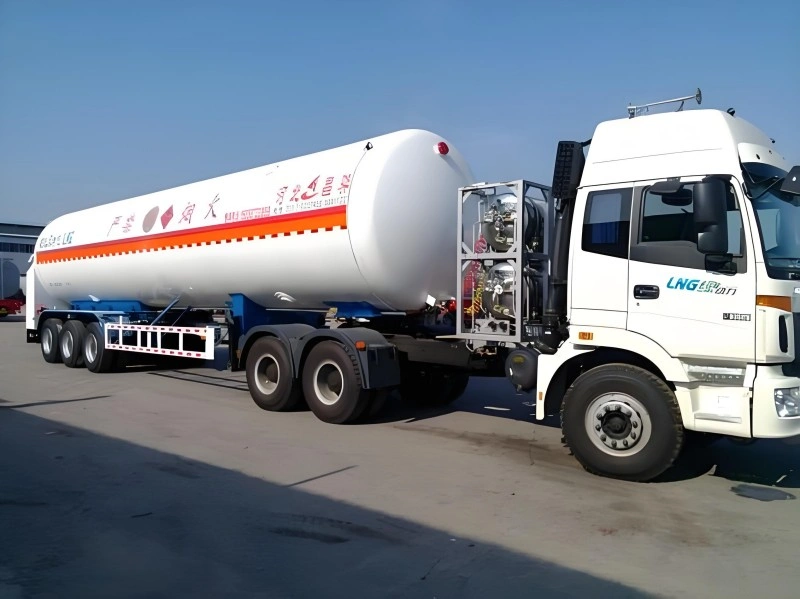
Proper waste management during packing, loading, transportation or response are also an important component of eco-friendly hazardous cargo transportation. Damaged units or other absorbent products, cleanup materials, PPE, residue containers and other items that are broken or contaminated should not be thrown away in the trash, but disposed of as hazardous waste.
| Waste Type | Handling Consideration |
| Damaged Chemical Packaging | Inspect, isolate, and dispose or process according to rules |
| Used Absorbents | Treat as contaminated material where applicable |
| Contaminated PPE | Separate from general waste and handle safely |
| Residue Containers | Confirm whether residue creates hazardous waste concerns |
| Broken Pallets / Liners | Check contamination before reuse or disposal |
| Spill Cleanup Materials | Follow emergency and disposal procedures |
| Outdated Labels / Documents | Dispose responsibly while maintaining compliance records |
Digital Tools That Support Greener Hazardous Cargo Logistics
Where regulations allow, digital tools increase the visibility, reduce errors and streamline decision-making and reduce the use of paper in hazardous cargo transport.
The use of digital documentation, GPS tracking, condition sensors, load planning software and electronic records will help to reduce errors, ensure efficient operations and enhance environmental performance.
| Digital Tool | Sustainability Benefit | Operational Benefit |
| Digital Documentation | Reduces paper and correction cycles | Improves document consistency |
| GPS Tracking | Reduces uncertainty and response delays | Helps monitor route progress |
| Temperature / Humidity Sensors | Prevents cargo loss from exposure | Supports condition visibility |
| Load Planning Tools | Improves space utilization | Reduces loading errors |
| Route Planning Software | Reduces unnecessary mileage | Helps avoid restricted or delayed routes |
| Electronic Records | Reduces paperwork | Supports traceability and review |
Common Green Logistics Mistakes in Hazardous Cargo Transport
In hazardous cargo transport, good intentions towards sustainability can lead to serious risk if not paying attention to basic compliance issues.
Some errors that are common are not enough packing, reuse of containers without inspection, incompatibility in consolidation, routing based on emissions goals without approvals, failure to conduct carrier inspections, or failing to adhere to proper waste management practices. Exaggerated statements without accompanying actions also have a negative impact on credibility.
| Mistake | Possible Consequence |
| Underpacking Cargo | Leakage, rejection, or cargo damage |
| Unchecked Reused Packaging | Contamination or container failure |
| Incompatible Consolidation | Reaction, fire, or spill risk |
| Route Chosen Only for Emissions | Legal restrictions or unsafe handling gaps |
| No Carrier Capability Check | Rebooking, delay, or rejection |
| Ignoring Waste Handling | Environmental and compliance risk |
| Overstated Green Claims | Loss of trust and unsupported marketing |
Eco-Friendly Hazardous Cargo Transport Checklist
Clear Checklist assists shippers to balance sustainability, safety, and compliance prior to the movement of hazardous cargo.
| Sustainability and Safety Check | Confirmed |
| Cargo classification verified | Yes / No |
| SDS/MSDS reviewed for environmental and safety risks | Yes / No |
| Packaging is compliant and compatible | Yes / No |
| Reusable packaging inspected where used | Yes / No |
| Secondary containment planned where needed | Yes / No |
| Spill prevention measures prepared | Yes / No |
| Route optimized for safety and efficiency | Yes / No |
| Carrier acceptance confirmed | Yes / No |
| Load plan reviewed for utilization and segregation | Yes / No |
| Documentation checked to avoid rework and delays | Yes / No |
| Waste handling plan prepared | Yes / No |
| Emergency response information included | Yes / No |
| Monitoring tools selected where needed | Yes / No |
How Logistics Providers Support Sustainable Hazardous Cargo Transport
By coordinating SDS reviews, offering guidance on compliant packaging and containment, implementing efficient yet regulation-compliant routes, supporting load planning and securing with specialized equipment, and offering tracking and monitoring, experienced logistics providers aid in the safe transport of hazardous materials while ensuring the seamless integration of sustainable measures into the transportation process.
Conclusion — Sustainable Hazardous Cargo Transport Starts with Risk Prevention
When it comes to transporting dangerous goods, sustainability starts with avoiding unnecessary damage, leakage, contamination, waste and inefficient transportation. By integrating these elements of safety controls, packaging, route planning, documentation, and responsible waste handling, shippers can effectively minimize environmental harm while ensuring compliance and risk management for all dangerous goods transportation activities. If the lower emission options do not meet all hazardous cargo requirements, then there is no value added. Think in terms of tangible, quantifiable change, not greenwashing, and it makes a difference for business and the environment.