
Performing a hazardous cargo evaluation prior to shipping is an important measure in the safety and compliance of shipping dangerous goods. A hazardous cargo risk assessment is a systematic process of evaluating before shipment, all of the following elements: cargo hazards, packaging suitability, transport conditions, route exposure, documentation accuracy, loading safety and emergency response readiness. This process can be useful for identifying and mitigating risks like leakages, chemical reactions, fire, contamination, cargo rejection and delays at the initial stage.
Hazardous cargo risk assessment should not be an afterthought before shipment, but a decision that is taken in the operation of the vessel. Many shippers believe this only applies to shipments of high risk items, however, a shortage or improper packaging, documents, routing, temperature, shifting of cargo or other mishandling can cause problems even with ordinary regulated cargo. For shippers moving regulated chemicals, flammable liquids, corrosive substances, or industrial hazardous materials, risk-focused hazardous cargo handling helps identify packaging, routing, documentation, and emergency response risks before shipment begins.
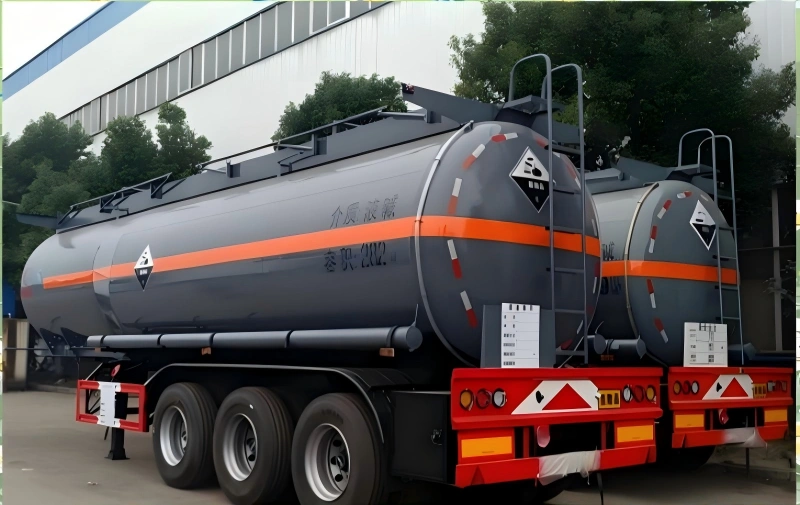
What Is a Hazardous Cargo Risk Assessment?
A hazardous cargo risk assessment is not just a logistics plan, it is a type of plan that takes into account the special hazards involved in transporting hazardous materials that could endanger people, property or the environment. It is finished prior to booking, packing and loading so that corrective actions can be carried out in time. It is unique in that it incorporates aspects of cargo classification, packaging suitability, handling, route considerations, documentation and preparedness for emergencies in its overall assessment rather than having each assessed separately as in general transport planning. The result should be used to decide to continue, change, or stop the shipment.
| Assessment Area | What It Reviews | Why It Matters |
| Cargo Hazard | UN number, hazard class, packing group, chemical behavior | Defines handling, packaging, and compliance needs |
| Packaging | Container compatibility, closure quality, secondary containment | Reduces leakage and damage risk |
| Handling | Loading, unloading, forklift use, lifting points | Reduces impact, tipping, and exposure risks |
| Route | Weather, port dwell time, road restrictions, transfer points | Helps avoid avoidable delays and exposure |
| Documentation | SDS/MSDS, DG declaration, permits, labels | Prevents compliance and acceptance issues |
| Emergency Response | Spill plan, contacts, PPE, response instructions | Supports faster action if an incident occurs |
Step 1: Review Cargo Classification and SDS/MSDS
Classification and safety data of the cargo should always be the starting point for the assessment.
Start by verifying the UN number, proper shipping name, hazard class or division, and packing group. Take into account the physical form of the substance, gas, powder, liquid, solid, or paste, and its properties, such as flammability, corrosivity, toxicity, reactivity, oxidizing capability, temperature sensitivity and stability.
| SDS/MSDS Information | How It Supports Risk Assessment |
| Hazard Identification | Shows the primary and secondary dangers |
| Composition / Ingredients | Helps understand chemical behavior where relevant |
| Handling and Storage | Guides safe warehouse and loading practices |
| Physical and Chemical Properties | Helps assess vapor pressure, flash point, viscosity, or expansion risk |
| Stability and Reactivity | Identifies incompatible materials or conditions |
| Transport Information | Provides UN number, hazard class, and packing group where applicable |
| Accidental Release Measures | Supports spill response planning |
| Exposure Controls / PPE | Helps prepare handling and emergency protection |
Step 2: Assess Packaging and Container Suitability
Choosing the right package and verifying it is the right one is critical since even if the cargo is properly identified, the container itself can become dangerous if it is not the right one.
Make sure that the packaging has been approved by the UN and is suitable for the goods being transported and its chemical characteristics. Inspect drums, IBCs, tanks, cylinder, closures, seals, gaskets, liquid headspace and secondary containment. Inspect for any damage, corrosion, or residue.
| Packaging Risk | What to Check | Control Measure |
| Chemical Incompatibility | Cargo may react with container material | Select compatible packaging based on SDS/MSDS |
| Weak Closure | Caps, bungs, valves, or seals may loosen | Verify closure type, torque, gasket, and seal condition |
| Overfilling | Liquid expansion may cause leakage | Leave proper headspace where needed |
| Damaged Container | Cracks, dents, corrosion, swelling, or residue | Inspect and reject unsuitable packaging |
| Poor Secondary Containment | Leakage may spread beyond package | Use trays, liners, or bunded pallets where appropriate |
| Weak Pallet / Base | Cargo may collapse or tip | Use suitable pallets, crates, or support frames |
Step 3: Evaluate Loading, Securing, and Handling Risks
Unless hazardous cargo is handled and loaded properly, it can shift, or be damaged in the process.
Pay attention to forklift and crane operation, pallet stability, blocking, bracing, lashing, distribution of load, pallet stacking limits, separation from incompatible loads and label visibility.
| Handling / Loading Risk | Possible Consequence | Prevention Method |
| Rough Forklift Handling | Package puncture or leakage | Use trained handlers and clear handling instructions |
| Poor Weight Distribution | Cargo shifting or pallet collapse | Plan load layout before loading |
| Inadequate Lashing | Movement during braking, vibration, or sea motion | Use suitable blocking, bracing, and fastening |
| Excessive Stacking | Container or carton damage | Follow packaging strength and stacking limits |
| Hidden Labels | Incorrect handling or delayed response | Keep hazard labels visible where possible |
| Mixed Incompatible Cargo | Reaction, contamination, or unsafe exposure | Use segregation and separation planning |
Step 4: Analyze Route, Transit, and Environmental Exposure
Route and environmental conditions are important factors in overall risk as there might be long exposure to hazardous cargo or unexpected conditions occurring during the transit.
Take into account the limitations of the road, possible delays at ports, climatic conditions, temperature changes, air humidity, several handling locations, and the ability of the carriers for each type of cargo.
| Route Risk | Potential Impact | Risk Control |
| Extreme Weather | Heat, freezing, humidity, or storm exposure | Select suitable route, packaging, or temperature control |
| Long Port Dwell Time | Extended exposure and delay risk | Prepare documents early and check terminal rules |
| Road Restrictions | Detours or legal transport issues | Confirm hazardous cargo road requirements |
| Multiple Transfers | More handling and damage risk | Reduce unnecessary transfer points |
| Customs Delay | Longer storage exposure | Review documentation before shipment |
| Carrier Limitation | Shipment rejection or unsafe handling | Confirm acceptance and capability before booking |
Step 5: Check Documentation, Labels, and Compliance Requirements
Being able to document and communicate accurately and consistently is a must or shipments will stop.
Ensure all SDS/MSDS, dangerous goods declarations, labels, placards, packing lists, invoices, permits, and emergency contacts are perfectly aligned with the cargo and packaging, and with each other. Ensure timely submission.
Compliance Item
| Compliance Item | What to Verify |
| SDS/MSDS | Current, complete, and matching the cargo |
| Dangerous Goods Declaration | UN number, proper shipping name, class, quantity, packaging |
| Labels and Placards | Correct hazard class and visible placement |
| Packing List | Matches package count, weight, and dimensions |
| Permits / Approvals | Required documents prepared before shipment |
| Emergency Contact | Valid and accessible during transport |
| Carrier Acceptance | Confirmed before cargo delivery |
| Document Consistency | Cargo, labels, and documents all match |
Step 6: Prepare Emergency Response and Contingency Measures
In addition to assessing risk, one should plan for potential incidents, even if they are not prevented by other risk measures.
Create and/or update spill response plans, PPE requirements, emergency contact lists, fire response plans, communications and contingency plans such as alternate routes or storage.
| Emergency Scenario | Preparation Needed |
| Spill or Leak | SDS/MSDS, spill kit, containment method, emergency contact |
| Fire Exposure | Hazard class information and firefighting precautions |
| Cargo Damage | Inspection procedure and isolation plan |
| Temperature Excursion | Monitoring data and response decision process |
| Route Delay | Alternative storage or route coordination |
| Missing Documents | Rapid document correction and communication process |
| Carrier Rejection | Backup transport plan where possible |
Hazardous Cargo Risk Assessment Checklist
A structured checklist serves to make sure everything is in place before sending.
| Risk Assessment Item | Confirmed |
| Cargo classification verified | Yes / No |
| SDS/MSDS reviewed and current | Yes / No |
| Hazard class and packing group confirmed | Yes / No |
| Packaging compatible with cargo | Yes / No |
| Containers inspected for damage | Yes / No |
| Closures, seals, valves, and gaskets checked | Yes / No |
| Secondary containment planned where needed | Yes / No |
| Loading and securing plan reviewed | Yes / No |
| Incompatible cargo separated | Yes / No |
| Route and environmental exposure assessed | Yes / No |
| Carrier acceptance confirmed | Yes / No |
| Labels and placards match documents | Yes / No |
| Required permits prepared | Yes / No |
| Emergency response plan prepared | Yes / No |
| Documents submitted before cutoff | Yes / No |
Common Mistakes in Hazardous Cargo Risk Assessment
The problem with risk assessments is that they are often undertaken in isolation, like a box-ticking exercise rather than a considered approach to running a business.
Common mistakes are beginning too late, failing to review the detailed SDS, failing to consider compatibility, inadequate securing plans, failing to get carrier confirmation, and relying on the same approach for all shipments.
| Mistake | Possible Consequence |
| Late Risk Assessment | Repacking, delay, or cargo rejection |
| No SDS/MSDS Review | Wrong packaging or emergency preparation |
| Ignoring Compatibility | Leakage, reaction, or contamination |
| Weak Loading Plan | Cargo shifting, tipping, or package damage |
| Missing Carrier Approval | Booking cancellation or terminal rejection |
| Document Mismatch | Customs, port, or carrier delay |
| No Emergency Plan | Slower response if an incident occurs |
| Generic Checklist Only | Important shipment-specific risks may be missed |
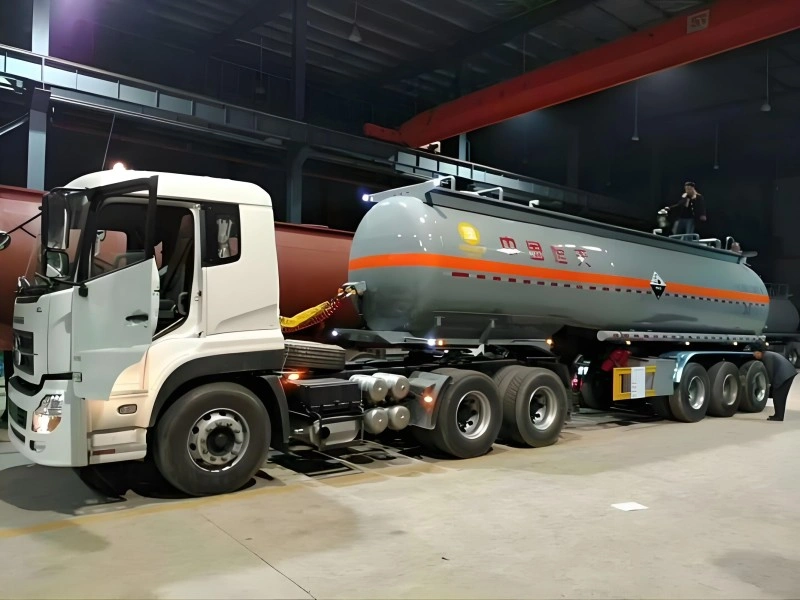
How Logistics Providers Support Hazardous Cargo Risk Assessment
Risk assessment can benefit from the experience of the logistics provider, who is at the service of the shipper for the declaration and information, but the shipper is ultimately responsible for it.
They may help review SDS/MSDS, suggest appropriate packaging and loading procedures, review route factors, ensure carrier acceptance, verify document consistency, and provide emergency information and/or on-site supervision as needed. This collaboration helps minimize delays and enhances overall shipment reliability.
Conclusion — Risk Assessment Should Happen Before the Cargo Moves
A hazardous cargo risk assessment will be useful only if it can be put to practical use to make decisions and implement controls. Cargo classification, SDS/MSDS information, packaging compatibility, loading safety, route exposure, documentation, carrier acceptance, and emergency response readiness are all reviewed; each is a potential preventable risk that shippers can help minimize by systematically reviewing these risks before booking, packing, loading or dispatching.
The structured approach provides enhanced safety, regulatory compliance, and transport efficiency for chemical exporters, manufacturers and logistics parties that transport flammable, corrosive, toxic or other regulated chemicals. Comprehensive pre-shipment checks can help to make journeys safer for dangerous goods and more reliable supply chains.