
International hazardous cargo compliance helps to make sure hazardous materials are transported safely and legally interstate. All aspects of cargo classification, packaging, labelling, documentation, carrier acceptance, route planning and emergency preparedness are part of a complete transport control process, ensuring protection of people, property and the environment, and preventing costly disruptions.
Hazardous cargo compliance should be considered a shipment planning system, not a “paperwork at the end” requirement. Many shippers think that hazardous materials that are packed and labeled are fit for international shipping. In fact, compliance needs to be assessed on classification, packaging, documents, acceptance by carrier, port rules, route restrictions and emergency response criteria. Other modes of transport might take other sets of rules, for example maritime, road, rail and air dangerous goods rules. All labels and documents containing cargo information must have identical UN numbers, proper shipping names, hazard classes, packing groups, quantities and packing type. Compliance should not only be ascertained prior to customs clearance, but prior to booking and packing.
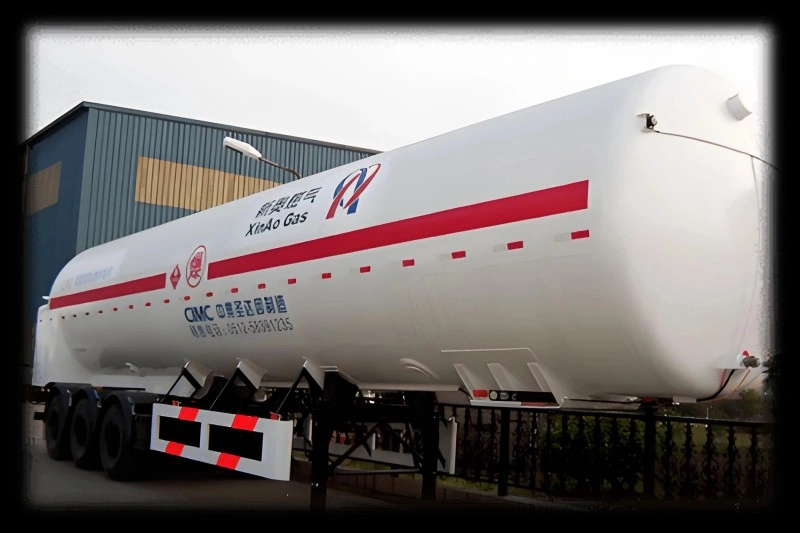
What Does International Hazardous Cargo Compliance Mean?
International hazardous cargo compliance involves ensuring that every element of your shipment is in line with the safety, legal, and operational requirements to ensure that dangerous goods are transported safely and in compliance with laws. It is used all along the chain of shipment, since if there is a failure somewhere, the whole movement will be halted.
Conditions differ according to the transport method, country, port and individual carrier policies, amongst other factors. Shippers must make sure that the physical cargo, packaging, labels, markings and all associated documentation are completely consistent. Shippers should be knowledgeable about hazardous cargo handling requirements prior to choosing a transport route or carrier to check packaging, labels, documents and acceptance conditions. This approach sees compliance as not only a key element of the safety agenda, but also a very real and essential operational requirement to ensure that delays, rejections and incidents are avoided.
| Compliance Area | What It Controls | Why It Matters |
| Cargo Classification | UN number, hazard class, packing group | Determines packaging, labels, documents, and acceptance |
| Packaging | Approved containers, closures, inner and outer packaging | Reduces leakage, reaction, and damage risks |
| Labeling and Marking | Hazard labels, UN numbers, placards, handling marks | Communicates risk to handlers and responders |
| Documentation | SDS/MSDS, dangerous goods declaration, permits | Supports legal movement and operational handling |
| Carrier Acceptance | Whether the carrier can transport the cargo | Prevents shipment rejection or delay |
| Route and Port Rules | Transit restrictions, port storage, local requirements | Reduces compliance and handling problems |
Key International Regulations and Frameworks to Know
The regulations for hazardous cargo vary from transport mode to transport mode and from place to place, so it is important that shippers are familiar with the key regulations that are most frequently applicable.
The IMDG Code applies to dangerous goods by sea and the ADR applies to international road transport in relevant areas. RID is relevant for rail transport, while IATA DGR has the rigid requirements for air transport. The basis for hazard communication is GHS, standardized SDS and labels. There are additional layers of local customs, port and country dangerous goods requirements and individual carriers may have rules more stringent than the general rules. Regulations are subject to change and shippers are advised to always check the most up to date official restrictions prior to shipment.
| Regulation / Framework | Commonly Applies To | Practical Relevance for Shippers |
| IMDG Code | Dangerous goods by sea | Guides classification, packaging, marking, labeling, stowage, and documentation |
| ADR | International road transport in applicable regions | Affects trucking, driver requirements, vehicle marking, and road movement |
| RID | International rail transport in applicable regions | Applies to dangerous goods moved by rail |
| IATA DGR | Dangerous goods by air | Sets strict requirements for air cargo acceptance and packaging |
| GHS | Hazard communication and SDS/labels | Helps communicate hazards through standardized information |
| Local Regulations | Export, import, transit, or domestic movement | May add permits, restrictions, or special handling rules |
| Carrier Rules | Specific carrier acceptance policies | May be stricter than general regulations |
Cargo Classification: The Starting Point of Compliance
All international hazardous cargo compliance is based on the cargo classification.
The first thing you do is find the UN number that uniquely identifies the substance or article, and then the correct shipping name which gives the official description for transport. The hazard class or division is the primary risk category, and the packing group is the degree of risk if there is one. Limited quantity and excepted quantity issues also need to be identified, as do any other risks associated with the shipment, such as marine pollutant status. The wrong classification can lead to the selection of wrong packing, the wrong labelling, missing documentation, and even rejection by the carrier. Classify always based on current product data and SDS/MSDS.
| Classification Item | Why It Matters |
| UN Number | Identifies the dangerous substance or article |
| Proper Shipping Name | Provides the official transport description |
| Hazard Class / Division | Defines the primary risk category |
| Packing Group | Indicates the level of danger where applicable |
| Subsidiary Risk | Identifies additional hazards beyond the main class |
| Marine Pollutant Status | Affects sea transport marking and handling |
| Quantity Limits | May affect packaging, labeling, and transport options |
Packaging Compliance for International Hazardous Cargo
International hazardous cargo packaging compliance requires choosing and loading packages that are appropriate for the type of hazard, mode of transport, volume and regulations.
Often times the packaging must be approved by the UN, and the inner and outer layers, drums, IBCs, cylinders, tanks, crates, or overpacks must be carefully considered. Closures need to be tight, materials need to be compatible with the cargo and secondary containment is required when it comes to liquids. Pressure, vapor and temperature are important factors and will be significant when crossing the seas for long periods or when temperatures fluctuate. Packaging for domestic storage may not be suitable for international shipment and a fresh inspection for any dents, damage, corrosion or seal defects is always needed.
| Packaging Requirement | Practical Purpose |
| Approved Packaging | Confirms packaging is suitable for regulated transport |
| Chemical Compatibility | Prevents corrosion, reaction, or packaging failure |
| Proper Closures | Reduces leakage and vapor release |
| Inner / Outer Packaging | Adds protection for smaller containers |
| Secondary Containment | Limits spill impact for liquid cargo |
| Overpack Marking | Keeps hazard information visible after consolidation |
| Packaging Inspection | Helps identify dents, damage, corrosion, or seal problems |
Labels, Markings, and Placards
Every person handling the cargo, from warehouse personnel to emergency responders, knows the risk profile of the cargo due to labels, markings and placards.
Hazard class labels will indicate the primary hazard classification, and UN number will indicate which substance or article is present. Placards are placed on containers, trailers or tank units for larger shipments. Orientation arrows keep liquid packages upright and overpack marks show when more than one package has been combined. If applicable, marine pollutant marks are applied and all labels are required to be durable and legible for sea transport. The physical labels need to be exactly in line with the information given in the documentation, otherwise it will be in hold or reject state.
| Label / Marking | What It Communicates |
| Hazard Class Label | Main danger category |
| UN Number | Specific dangerous substance or article |
| Placard | Container or vehicle-level hazard communication |
| Orientation Arrows | Required upright position for liquid packages |
| Overpack Mark | Indicates consolidated packages contain regulated goods |
| Marine Pollutant Mark | Environmental hazard for sea transport where applicable |
| Handling Mark | Special instructions such as keep dry or temperature control |
Documentation Required for International Hazardous Cargo
The documentation for international hazardous cargo should clearly reflect the classification, packaging, labelling and mode of transport, in order to facilitate legal shipment and handling.
SDS/MSDS provides comprehensive hazard, handling, storage and emergency information. A dangerous goods declaration will provide information about the regulated transport to the carriers and authorities. Commercial invoices and packing lists accompany customs and trade declarations, and the bill of lading or transport document documents the movement of cargo and the responsibility of the carrier. Some substances require permits or approvals and emergency contact information assists responding agencies during an incident. This is complemented by carrier-specific forms and customs forms. Any and all documents should be consistent with one another and with the physical shipment.
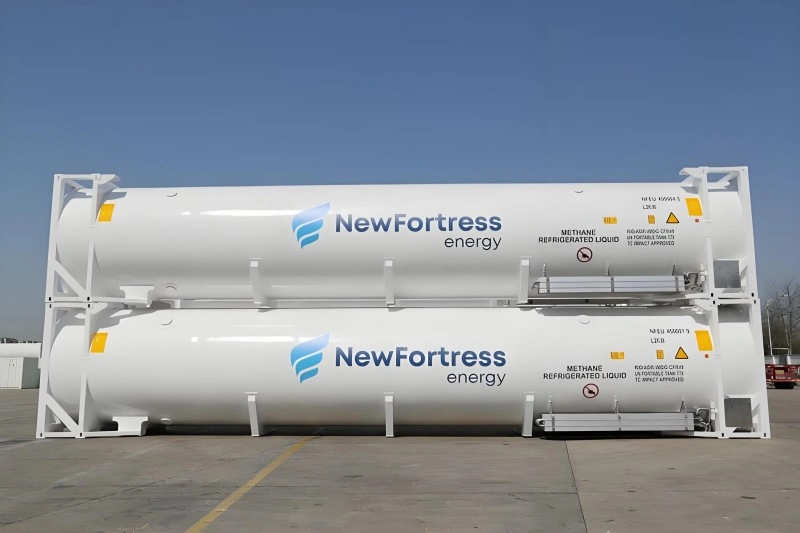
| Document | Why It Is Important |
| SDS / MSDS | Provides hazard, handling, storage, and emergency information |
| Dangerous Goods Declaration | Communicates regulated transport details |
| Commercial Invoice | Supports customs and trade declaration |
| Packing List | Confirms package count, weight, dimensions, and cargo breakdown |
| Bill of Lading / Transport Document | Records cargo movement and carrier responsibility |
| Permits / Approvals | Supports legal movement where special authorization is needed |
| Emergency Contact Information | Helps response teams during incidents |
| Carrier Forms | Meets specific booking and acceptance requirements |
Transport Mode Differences: Sea, Road, Rail, and Air
The same hazardous cargo could be subject to different compliance requirements depending on the mode of transport, which is why it is important to know the differences in the beginning so you aren’t caught off-guard.
Sea transport usually refers to the IMDG Code, including particular attention to classification, packaging, placards and handling on board ships and containers, and on road transport special attention is paid to vehicle markings, driver instructions and local permits. All rail movements are conducted according to RID rules and care must be taken at transfer points. Air freight has the most rigorous packaging, quantity and declaration regulations and numerous hazardous goods are prohibited. Documents need to be consistent throughout all legs in the multimodal transport. A shipper should never presume that a shipment that is approved for one mode is automatically approved for the other mode.
| Transport Mode | Compliance Focus | Common Challenge |
| Sea Freight | IMDG classification, packaging, placards, container handling | Port acceptance and stowage restrictions |
| Road Transport | Vehicle marking, driver instructions, permits where required | Local route restrictions and safety controls |
| Rail Transport | Dangerous goods rail rules and routing | Transfer point coordination |
| Air Freight | Strict packaging, quantity, and declaration controls | Many hazardous goods face restrictions or limitations |
| Multimodal Transport | Consistent documents across transport legs | Information mismatch between carriers |
Carrier, Port, and Customs Acceptance
Even if they are compliant with regulations, smooth movement depends on whether extra checks and/or restrictions are applied by the carriers, ports or customs authorities.
Cargo bookings are accepted after carriers have considered the class, quantity, packaging, documents and suitability of routes. Ports and terminals confirm hazard class, storage rules, placards and emergency information. Customs inspect declarations, permits, invoices and product descriptions, and the transit countries might have their own local procedures and/or have to issue additional permits. Also, conditions of warehousing and segregation are considered. It’s best to ensure that all conditions of acceptance are agreed to before the cargo arrives at the terminal.
| Acceptance Point | What May Be Checked |
| Carrier | Cargo class, quantity, packaging, documents, route suitability |
| Port / Terminal | Hazard class, storage rules, placards, emergency information |
| Customs | Cargo declaration, permits, invoice, product description |
| Transit Country | Local rules, restricted substances, road permits |
| Warehouse | Storage conditions, segregation, handling requirements |
Common Compliance Mistakes in International Hazardous Cargo Shipping
Many compliance problems in international hazardous cargo shipping are related to minor mismatches that will become major problems downstream.
Common errors are either inputting a wrong UN number, entering the wrong proper shipping name, entering an outdated SDS/MSDS, missing the dangerous goods declaration or packaging that is not approved for shipping. Common problem areas include label-document mismatch, missing placards, failing to have the transit country pre-approved, late submission of documents, and violations of transit country requirements. There are also some shippers who consider domestic packaging to be export ready or choose a transport mode before addressing restrictions. All of these errors can result in rejection, delay or safety concerns.
| Compliance Mistake | Possible Consequence |
| Incorrect UN Number | Shipment rejection or unsafe handling |
| Wrong Proper Shipping Name | Customs or carrier delay |
| Missing DG Declaration | Cargo may not be accepted |
| Unapproved Packaging | Leakage risk or regulatory non-compliance |
| Label-Document Mismatch | Terminal hold or inspection delay |
| Missing Carrier Approval | Booking cancellation or cargo rejection |
| Late Document Submission | Missed vessel, flight, or delivery schedule |
| Ignoring Local Rules | Border delay, permit issue, or penalty |
Pre-Shipment Compliance Checklist
A pre-shipment compliance checklist is a structured checklist that will be used to identify gaps, before cargo is booked, packed, or sent to the carrier.
Refer to this checklist to make sure all critical elements are checked and recorded. A review at each step with a simple yes/no decreases the risk of mistakes and provides confidence in the process.
| Compliance Item | Confirmed |
| SDS/MSDS reviewed and current | Yes / No |
| UN number confirmed | Yes / No |
| Proper shipping name verified | Yes / No |
| Hazard class and packing group confirmed | Yes / No |
| Packaging meets transport requirements | Yes / No |
| Labels and markings match documents | Yes / No |
| Dangerous goods declaration prepared | Yes / No |
| Permits or approvals checked | Yes / No |
| Carrier acceptance confirmed | Yes / No |
| Port or terminal restrictions reviewed | Yes / No |
| Transit country requirements checked | Yes / No |
| Emergency contact information included | Yes / No |
How Logistics Providers Support Hazardous Cargo Compliance
By coordinating the operational pieces that shippers are responsible for overseeing and approving, experienced logistics providers help ensure hazardous cargo compliance.
They preview cargo prior to booking, assist in coordinating carrier and port acceptance and verify that documentation is consistent among parties. Providers can advise on packaging, placing and labelling issues (visibility), and suitable route and transport mode options, as well as with customs brokers and transport partners to ensure the process remains aligned. They also help with loading and segregation planning along with organizing emergency response communication. It’s the shipper’s responsibility to have accurate cargo information and to provide proper classification, but a partner with knowledge can minimize unnecessary delays due to lack of preparation.
Conclusion — Compliance Begins Before the Shipment Moves
International hazardous cargo compliance begins with proper classification, extends to packaging and labeling, documentation, carrier acceptance, routing and emergency planning. When shippers are aware of key regulations for the major transport modes and confirm route and carrier specific requirements, they increase the safety and reliability of the path through which cargo travels.Compliance issues may lead to safety hazards, delays in shipment, rejected loads and penalties. A carefully planned pre-shipment review can minimise these preventable issues. With compliance to hazardous cargo as an integrated planning system – not a last-minute task – exporters, manufacturers and logistics teams keep their operations safe, and protect the people who carry their cargo.