
Hazardous cargo documentation is the necessary package of documents that carries important safety, classification and handling details for regulated loads that include chemicals, batteries, flammable liquids, corrosives and gases. It enables carriers, customs, port operators, warehouses and emergency responders to easily detect risks, perform appropriate actions to ensure compliance and safety, and continue to do so along the entire trip.
Packing and loading hazardous materials should not be viewed as a last-minute administrative procedure but as a risk-control measure. These documents are often thought of as essential for customs clearance, but they actually influence how the carrier accepts the shipment, how the goods are stored in the warehouse, how they are arranged on the vessel, how they are handled at the port, how they are responded to in the event of an incident, claims, and compliance with regulations. Preparing them early – before they are booked, packed or loaded – helps to prevent them from being rejected, delayed, fined or causing a safety incident.

Why Hazardous Cargo Documentation Matters
Accurate hazardous cargo documentation serves as a common language of safety and compliance that accompanies the shipment on its journey, from one handoff to the next.
Hazardous cargo frequently has to travel from one party to another and one jurisdiction to another, so having clear documentation helps to avoid misunderstandings that could make it unsafe to handle or that could cause regulatory issues. It directly facilitates the operations from acceptance to delivery without causing a costly interruption.
| Why It Matters | Practical Impact During Transport |
| Carrier Acceptance | Helps carriers confirm whether the cargo can be transported |
| Customs Clearance | Supports accurate declaration and legal movement |
| Port Handling | Helps terminals manage storage, segregation, and safety rules |
| Warehouse Safety | Guides storage conditions and handling procedures |
| Emergency Response | Provides critical information during spills, leaks, fire, or exposure |
| Insurance Support | Helps verify cargo details if a claim occurs |
| Compliance Traceability | Creates a documented record for regulated cargo movement |
For shippers moving chemicals, batteries, flammable goods, or other regulated materials, hazardous cargo compliance and handling should be reviewed before documents are finalized and cargo is released for transport.
Core Documents Every Hazardous Cargo Shipper Should Prepare
Although the specific documents required vary by cargo, route, and mode of transport, there are a core set of documents that are expected for almost all shipments of hazardous materials.
The purpose of these documents is to give a full picture of the identity, hazards, packaging and instructions for moving the shipment. Inconsistent or missing papers can prevent a shipment from reaching the first checkpoint.
| Document | What It Shows | Why It Matters |
| SDS / MSDS | Hazard properties, handling, storage, and emergency information | Supports classification, packaging, and response planning |
| Dangerous Goods Declaration | Official hazardous cargo transport details | Required for regulated dangerous goods transport |
| Commercial Invoice | Product value, seller, buyer, and trade details | Supports customs declaration |
| Packing List | Package count, weight, dimensions, and cargo breakdown | Helps verify shipment contents |
| Bill of Lading / Transport Document | Transport contract and cargo movement record | Supports carrier and consignee handling |
| UN Number | Identifies the dangerous substance or article | Helps carriers and responders understand the cargo risk |
| Proper Shipping Name | Official transport name | Prevents unclear or informal product descriptions |
| Emergency Contact Details | Contact point during transport incidents | Supports faster response and communication |
| Permits / Approvals | Legal authorization where required | Helps avoid shipment rejection or regulatory delay |
SDS / MSDS: The Foundation of Hazardous Cargo Documentation
Safety Data Sheet (SDS), also known as Material Safety Data Sheet (MSDS), is typically the first document that is examined when assessing a hazardous shipment.
It’s full of technical detail which helps to inform all decisions made downstream, from packaging choice all the way down to emergency planning. An old or incomplete SDS is likely to be rejected immediately because it is not up to date to fit the existing regulations or the actual product composition.
| SDS / MSDS Section | Why It Matters for Shipping |
| Product Identification | Confirms what is being shipped |
| Hazard Identification | Shows primary safety risks |
| Composition Information | Supports classification review |
| Handling and Storage | Guides warehouse and transport precautions |
| Stability and Reactivity | Helps identify incompatible materials |
| Spill Response | Supports emergency planning |
| Transport Information | Provides UN number, hazard class, and packing group where applicable |
| Regulatory Information | Supports compliance review |
In practice we always recommend that you check that the SDS is correctly reflecting the specific batch or formulation being shipped, as well as having the most up to date section on transport information.
Dangerous Goods Declaration: What It Should Include
The dangerous goods declaration is a translation of the technical details in the SDS to the language that carriers and regulators need.
It is crucial that it is done correctly and signed by a trained and certified individual as a wrong number on this form can lead to carrier rejection, or customs penalties.
| Declaration Item | Purpose |
| UN Number | Identifies the dangerous substance or article |
| Proper Shipping Name | Provides the official transport description |
| Hazard Class / Division | Shows the main risk category |
| Packing Group | Indicates danger level where applicable |
| Quantity | Shows how much hazardous cargo is being moved |
| Package Type | Confirms how the cargo is packed |
| Emergency Information | Supports response during incidents |
| Shipper Certification | Confirms responsibility for accurate declaration |
Labels, Markings, and Placards Must Match the Documents
Documentation is not sufficient, it needs to match exactly the physical markings found on every package, overpack and transport unit.
Paper discrepancies and visible discrepancies at ports, terminals and inspections leads to hold/rework.
| Documented Information | Physical Marking / Label to Check |
| UN Number | UN number printed on package or label |
| Hazard Class | Correct hazard label or placard |
| Proper Shipping Name | Official name matches documentation |
| Liquid Cargo | Orientation arrows where required |
| Overpacked Cargo | Overpack marking visible |
| Marine Pollutant | Environmental hazard mark where required |
| Package Count | Matches packing list and declaration |
Permits, Approvals, and Route-Specific Requirements
Some hazardous cargoes besides the basic documentation may need extra permits or pre-approvals.
These additional requirements are activated by the nature of the substance, the country of destination, transport methods and/or carrier policy and should be obtained well in advance of any cargo movement.
| Requirement Type | When It May Be Needed | Why It Matters |
| Export / Import Permit | Regulated chemicals or controlled goods | Supports legal cross-border movement |
| Carrier Approval | High-risk or restricted hazardous cargo | Confirms shipment acceptance |
| Port Acceptance | Hazardous cargo entering terminals | Prevents port rejection or storage issues |
| Road Permit | Inland transport of certain dangerous goods | Supports legal and safe trucking |
| Transit Approval | Cargo moving through multiple countries | Avoids border delays |
| Special Handling Approval | Temperature-sensitive, reactive, or high-risk cargo | Ensures proper operational planning |
Documentation for Different Transport Modes
The documentation requirements for hazardous cargo vary based on the mode of transport—the shipment is subject to—whether it is sea, road, rail, air or a combination.
There is a different regulatory framework for each mode and when transferring cargo between the modes, documents must be consistent.
| Transport Mode | Documentation Focus |
| Ocean Freight | Dangerous goods declaration, container packing certificate where applicable, IMDG-related information |
| Road Transport | Road dangerous goods documents, driver instructions, permits where required |
| Rail Transport | Hazardous cargo declaration and routing requirements where applicable |
| Air Freight | Strict dangerous goods declaration, packaging compliance, carrier restrictions |
| Multimodal Transport | Consistent cargo information across each transport leg |
Common Documentation Mistakes That Cause Delays
There can be a mismatch between documents, labels, and the cargo itself which can prevent a hazardous shipment.
These are some of the most common errors found in practice and will almost always cause a request for correction, further inspection or rejection.
| Documentation Mistake | Possible Consequence |
| Missing SDS/MSDS | Classification review delay |
| Incorrect UN Number | Carrier rejection or compliance issue |
| Wrong Proper Shipping Name | Customs or terminal confusion |
| Quantity Mismatch | Documentation correction and delay |
| Missing Permit | Shipment hold or rejection |
| Label-Document Mismatch | Port, carrier, or warehouse delay |
| Outdated Document | Additional verification required |
| Late Submission | Missed sailing or transport schedule |
How to Review Hazardous Cargo Documents Before Shipment
One of the best ways to detect errors is to have a structured final review before the cargo leaves the warehouse or factory.
Following this checklist in order makes sure that all parts are correct and provides assurance that the shipment will be received at each step.
| Review Item | Confirmed |
| SDS/MSDS is current and complete | Yes / No |
| UN number is verified | Yes / No |
| Proper shipping name matches declaration | Yes / No |
| Hazard class and packing group are correct | Yes / No |
| Packaging type matches declaration | Yes / No |
| Quantity and package count are consistent | Yes / No |
| Labels and placards match documents | Yes / No |
| Required permits are prepared | Yes / No |
| Emergency contact information is included | Yes / No |
| Carrier acceptance is confirmed | Yes / No |
| Documents submitted before cargo cutoff | Yes / No |
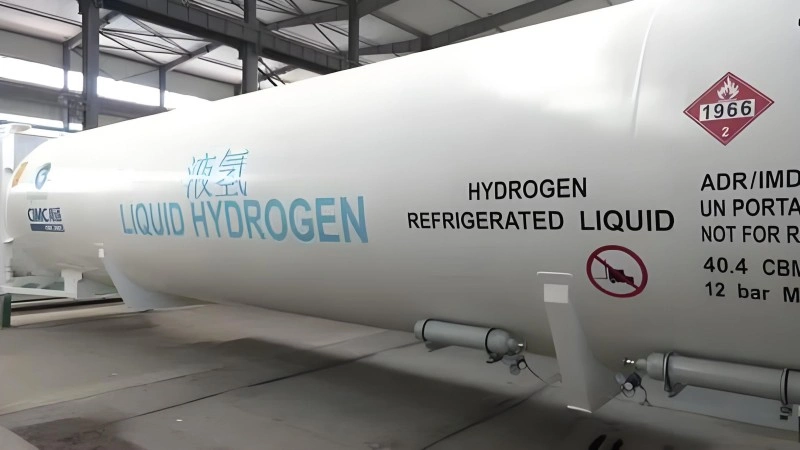
How Logistics Providers Support Hazardous Cargo Documentation
While professional logistics companies can help coordinate and check documents and provide timeliness recommendations, the shipper is ultimately responsible for the proper classification and true declaration.
They assist with checking cargo data early, document-to-marking compatibility, matching documentation and markings, coordinating with carriers and terminals and meeting cut-off times. This support helps to minimise unnecessary delays whilst maintaining safety and compliance.
Conclusion — Documentation Is Part of Hazardous Cargo Safety
Although the pictures of hazardous goods documents may seem like everyday paperwork, they can have a significant impact on the reception, handling, storage, transport and management of hazardous goods in the event of an emergency. If SDS/MSDS records, dangerous goods declarations, UN numbers, proper shipping names, packing lists, labels, and emergency information are accurate, complete, and all in sync with the actual physical shipment, everyone involved in the shipment chain will have the information they need to operate safely and efficiently.
Checking these documents early, verifying them against the actual cargo and packaging, and verifying all required permits and carrier approvals before movement begins is the best way to safeguard cargo and those who are moving it. Good planning and careful consideration transform the risk that can be represented by documentation into an effective means for safer transport of hazardous goods.