
OOG logistics for high-value power plant equipment must be formulated according to steps, which include cargo survey, engineering review, route feasibility, transport equipment selection, lifting method, cargo protection and protection plan, document, customs clearance, insurance and the final delivery coordination. This is especially important since this type of cargo is often oversized, overweight, fragile, high-value and schedule critical, making it a project logistics challenge.
Transformers, turbines, generators, boilers, pressure vessels, control cabinets, heat exchangers, and power modules are just a few examples of power plant equipment. Every piece requires specific handling to avoid damage, corrosion, vibration problems, route restrictions, differences in crane size, delays, port issues, customs holds and theft or project disruption. The most savvy shippers begin the planning process much before the goods leave the manufacturing floor. A dependable transport plan is crucial for safeguarding the project schedule and also the equipment.
Moving expensive power plant equipment is not just about heavy loads and long-distance transportation; it’s about securing essential project assets, managing the risk of transport, and maintaining installation schedules. While it may seem like any other heavy equipment, in the practicalities of project logistics, there are several factors that make shipping power plant equipment much more complicated, such as electrical sensitivity, corrosion, lifting restrictions, route feasibility, insurance requirements and installation deadlines.
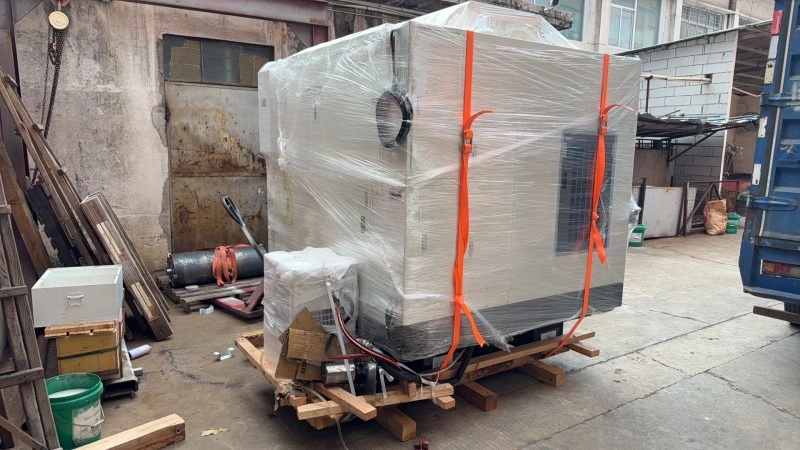
Why Power Plant Equipment Requires Specialized Shipping Planning
The logistics of power plant equipment is more complex due to it being of a high value, technical sensitivity, heavy weight, large size and firm project schedule.
| Planning Factor | Why It Matters for Power Plant Equipment |
| High Cargo Value | Damage can create major financial and project impact |
| Long Replacement Lead Time | A damaged unit may delay installation or commissioning |
| Oversized Dimensions | May require OOG route permits, flat rack, breakbulk, or heavy lift transport |
| Heavy Weight | Affects trailer selection, crane capacity, axle load, and port handling |
| Technical Sensitivity | Electrical, rotating, or precision components may need special protection |
| Moisture Risk | Transformers, generators, and control cabinets may be sensitive to humidity |
| Lifting Requirements | Incorrect lifting points may damage structure or internal systems |
| Project Timeline | Delays can affect construction, installation, and commissioning schedules |
With these elements in place, even the smallest mistake can turn into weeks of downtime or millions of dollars in costs. This is why good companies look at each shipment as a full project and not regular freight.
Common Types of Power Plant Equipment Shipped as OOG Cargo
There are various types of power plant equipment and their transport and protection strategies vary accordingly.
| Equipment Type | Common Shipping Concern |
| Power Transformers | Heavy weight, moisture protection, shock control, center of gravity |
| Turbines | Precision components, vibration protection, lifting control |
| Generators | Electrical system protection, heavy lifting, corrosion prevention |
| Boilers | Large dimensions, heavy structure, route and port handling limits |
| Pressure Vessels | Length, support saddles, coating protection, lifting method |
| Heat Exchangers | Fragile tubes, long structure, moisture and impact protection |
| Control Cabinets | Electrical sensitivity, moisture protection, secure packaging |
| Power Modules | Large footprint, multiple lifting points, project schedule coordination |
| Steel Structures | Over-length or over-width dimensions, securing and deformation prevention |
Knowing these details in advance allows logistics teams to choose the appropriate equipment, packaging and securing techniques for each individual load.
Best Practice 1: Start with a Detailed Cargo Survey
Accurate cargo data is the foundation of safe and cost-controlled power plant equipment shipping. For high-value transformers, turbines, generators, and other power plant equipment, premium OOG logistics services should begin with verified cargo data, route feasibility review and protection planning before shipment execution.
| Cargo Survey Item | Why It Matters |
| Verified Dimensions | Determines transport method, route clearance, and carrier acceptance |
| Final Packed Size | Prevents mismatch between cargo data and booking details |
| Gross Weight | Affects crane, trailer, vessel, and permit requirements |
| Center of Gravity | Supports safe lifting, load positioning, and stability review |
| Lifting Points | Helps plan crane loading and unloading safely |
| Support Points | Prevents deformation during storage and transport |
| Sensitive Components | Identifies areas needing shock, moisture, or security protection |
| Technical Drawings | Supports engineering review and load planning |
| Cargo Photos | Helps identify protrusions, access points, and protection needs |
Guesswork is eliminated thanks to on-site measurements and detailed documentation. Those teams that take the time to invest in this aspect of the project are consistently able to see smoother bookings, fewer change orders, and less overall risk.
Best Practice 2: Choose the Right Transport Method
Shipping method should not just be determined by the cost, but should also be considered based on the characteristics of cargo and project conditions.
| Transport Method | Best Used For | Planning Consideration |
| Lowbed Trailer | Tall or heavy equipment for inland movement | Route clearance, axle load, loading site access |
| Modular Trailer | Extremely heavy transformers, modules, or vessels | Axle configuration, route survey, ground bearing capacity |
| Flat Rack Container | OOG cargo within containerized shipping limits | Lashing, weather protection, carrier approval |
| Open Top Container | Over-height cargo that fits within container walls | Top loading, wall clearance, tarpaulin protection |
| Breakbulk Shipping | Cargo too large or complex for containerized transport | Port capability, lifting method, stowage planning |
| RoRo Shipping | Wheeled or rollable cargo | Ramp access, cargo condition, port availability |
| Heavy Lift Vessel | Extremely heavy or oversized project cargo | Heavy lift planning, vessel schedule, engineering review |
The proper selection is the balance of safety, cost and schedule. Early cooperation with the logistics partner is essential as what is good for the generator might not be good for the long heat exchanger.
Best Practice 3: Plan Route Feasibility Before Cargo Pickup
Due to oversized, overweight and difficult to maneuver equipment units in most power plant applications, the importance of route planning should not be underestimated.
| Route Planning Factor | Why It Matters |
| Bridge Clearance | Prevents over-height cargo from being blocked during transit |
| Road Width | Determines whether wide cargo can pass safely |
| Turning Radius | Critical for long equipment or modular transport systems |
| Axle Load Limits | Affects permit approval and route legality |
| Overhead Obstacles | Cables, signs, and gates may require adjustment or rerouting |
| Escort Requirements | Supports safe road movement and regulatory compliance |
| Port Access | Confirms cargo can enter terminal areas |
| Site Access | Ensures final delivery location can receive and unload cargo |
| Movement Time Windows | Helps avoid restricted travel periods or delays |
A thorough survey is often the key to discovering that a permit, escort or minor route change is needed; things that are much easier to manage weeks ahead of a transport date than on the date of the transport.
Best Practice 4: Match Lifting Equipment to the Real Loading Condition
The selection of cranes should not be limited to lifting weight but also depend on the actual lifting conditions.
| Lifting Factor | Why It Matters |
| Gross Weight | Defines minimum crane capacity requirement |
| Rigging Weight | Must be included in total lifting load |
| Working Radius | Crane capacity decreases as radius increases |
| Center of Gravity | Affects balance and lifting stability |
| Lifting Points | Prevents structural damage during handling |
| Sling Angle | Affects force on cargo and rigging equipment |
| Ground Bearing Capacity | Ensures crane setup remains stable |
| Weather Conditions | Wind and rain may delay or restrict lifting |
| Final Placement | Crane must place cargo accurately on trailer, container, or support |
No tipping loads, bent frames or dropped components – costly and dangerous problems are avoided because of on-site supervision and accurate calculations.
Best Practice 5: Use Proper Lashing, Blocking, and Bracing
It is important to secure power plant equipment as cargo can be subject to significant damage in the event of power plant equipment being moved on the road or ocean.
| Securing Method | Purpose | Key Consideration |
| Lashing | Restrains cargo against movement | Must match cargo weight and transport forces |
| Blocking | Prevents sliding during braking, turning, or vessel motion | Should align with support points |
| Bracing | Adds structural restraint for irregular or unstable cargo | Must not damage sensitive components |
| Anti-Slip Material | Increases friction between cargo and support surface | Helps reduce movement under vibration |
| Timber / Steel Supports | Distributes weight and protects cargo surfaces | Must match cargo structure and point loads |
| Edge Protection | Protects straps, chains, and painted surfaces | Important for high-value equipment |
| Post-Securing Inspection | Confirms restraint system is properly installed | Should be documented with photos |
A professional lashing plan is created to withstand sea and road forces, and everyone gets to know that the load won’t arrive damaged. .
Best Practice 6: Protect Against Moisture, Corrosion, and Vibration
High-value power plant equipment may need greater protection than standard heavy cargo.
| Protection Need | Recommended Control |
| Moisture Protection | Moisture barrier bags, vacuum sealing, desiccants, sealed covers |
| Corrosion Prevention | Anti-rust oil, VCI film, VCI paper, surface protection |
| Sea Exposure | Heavy-duty tarpaulin, drainage design, salt-spray protection |
| Electrical Sensitivity | Seal control cabinets, connectors, and wiring areas |
| Vibration Risk | Use shock-absorbing supports and stable load positioning |
| Surface Damage | Edge protection, padding, and non-abrasive covers |
| Long Storage | Periodic inspection, humidity indicators, and secure storage |
| Claim Support | Pre-shipment photos and protection records |
Such measures are particularly important for components such as electrical components and precision components that cannot withstand the humidity or salt spray for any period of time.
Best Practice 7: Prepare Export Documents and Customs Information Early
Specific documents for customs, carrier clearance and destination delivery might be required for power plant equipment.
| Document | Why It Matters |
| Commercial Invoice | Supports customs value and transaction details |
| Packing List | Confirms dimensions, weight, package count, and packing method |
| Bill of Lading | Acts as transport document and cargo receipt |
| HS Code | Determines classification, duties, and regulatory requirements |
| Certificate of Origin | Supports origin verification or trade preference claims |
| Technical Specifications | Helps customs understand equipment function and components |
| Drawings / Photos | Supports carrier, port, and customs review |
| Insurance Certificate | Documents cargo risk coverage |
| DG Documents | Required if batteries, oil, gas, or other regulated components apply |
| Import Permit | May be required for destination-country clearance |
Last minute holds are avoided by being properly prepared in advance, which can cost a lot of money in the use of an expensive crane or delay a whole project.
Best Practice 8: Arrange Insurance and Condition Records
Insurance should complement preventive logistics controls and not supplant them.
| Insurance / Record Item | Why It Helps |
| Declared Cargo Value | Supports correct insurance amount |
| Insurance Certificate | Confirms coverage details and insured route |
| Pre-Shipment Photos | Documents cargo condition before movement |
| Packing Photos | Shows protection method and cargo readiness |
| Loading Photos | Confirms handling and placement condition |
| Lashing Photos | Documents securing method before departure |
| Handover Records | Tracks responsibility between parties |
| Survey Report | Provides independent condition assessment if needed |
| Incident Report Process | Helps respond quickly if damage or loss occurs |
Keeping extensive documentation makes an unexpected situation an easy claim.
Best Practice 9: Coordinate Port Handling and Final Site Delivery
While cargo arrives at the port, the delivery of power plant equipment is not complete; often final delivery is a critical stage.
| Coordination Area | Why It Matters |
| Origin Port Handling | Confirms crane, storage, and terminal acceptance |
| Destination Port Capability | Ensures cargo can be discharged safely |
| Customs Clearance | Prevents cargo hold and storage charges |
| Final Delivery Permits | Allows oversized cargo to move legally from port to site |
| Site Access | Confirms roads, gates, and unloading space are suitable |
| Unloading Equipment | Ensures crane or lifting gear is ready on arrival |
| Installation Schedule | Aligns delivery with project work sequence |
| Temporary Storage | Provides backup if site is not ready |
The last leg of the journey is as smooth as the first, when all parties are well informed.
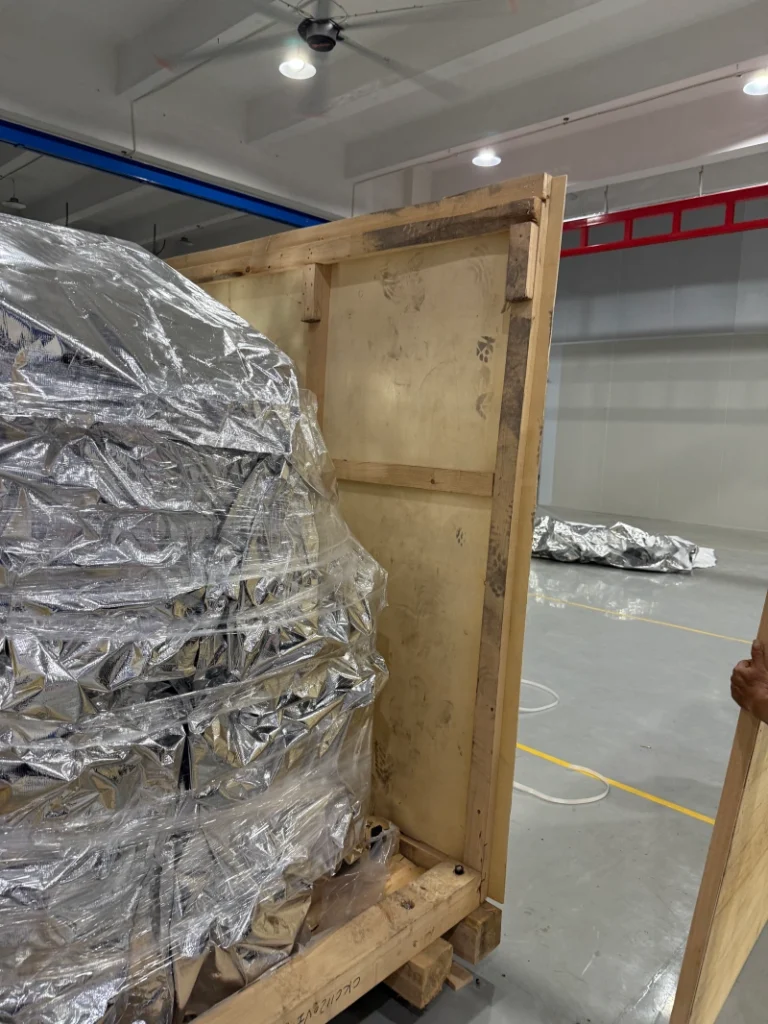
Common Mistakes When Shipping Power Plant Equipment
Even experienced teams can fall into traps that create unnecessary problems.
| Mistake | Possible Consequence |
| Late Planning | Limited equipment options, higher cost, or schedule delay |
| Estimated Cargo Data | Wrong trailer, container, crane, or route selection |
| No Center-of-Gravity Review | Lifting and transport stability risks |
| Choosing by Price Only | Higher risk of damage, delay, or re-handling |
| Weak Packaging | Moisture, corrosion, or vibration damage |
| No Route Survey | Bridge, road, or port access problems |
| Poor Documentation | Customs hold or carrier approval delay |
| No Insurance Records | Difficult claim support if damage occurs |
| Ignoring Site Access | Final delivery may fail after cargo arrives |
| No Contingency Plan | Weather, port, or permit issues may disrupt the project |
Avoiding these pitfalls comes down to discipline and early involvement of specialists.
What Shippers Should Prepare Before Requesting a Transport Plan
Complete information helps logistics teams design a safer, more accurate, and more cost-controlled plan.
| Information to Prepare | Why It Helps |
| Verified Dimensions | Supports trailer, container, route, and carrier planning |
| Gross Weight | Determines crane, trailer, vessel, and permit requirements |
| Center of Gravity | Supports lifting, load positioning, and stability review |
| Lifting Points | Helps plan safe crane loading and unloading |
| Support Points | Prevents deformation during storage and transport |
| Technical Drawings | Helps understand structure, handling limits, and cargo layout |
| Cargo Photos | Reveals protrusions, fragile areas, and protection needs |
| Packaging Requirements | Supports moisture, shock, and corrosion protection |
| Origin / Destination | Enables route, port, and final delivery planning |
| Delivery Deadline | Helps align transport schedule with project milestones |
| Insurance Needs | Supports risk planning and condition documentation |
Providing this data early allows for accurate quotations and realistic timelines.
Common Misunderstandings About Shipping Power Plant Equipment
There are still some myths out there on project teams:
- The equipment at a power plant does not have to be “heavy cargo” and can also be technically sensitive and schedule-critical.
- Transport plan should commence prior to packaging and booking.
- Often the lowest cost shipping method is not the lowest risk.
- Cargo protection is equally critical as freight routing.
- Insurance is no substitute for correct packaging, inspection and securing.
- Delivery and site unloading may be more complex than ocean shipping.
- Route survey, crane planning and lashing design should not be done at the last minute.
- The condition record is essential for quality management, insurance and claims control.
It will make for improved decision making from the outset.
Conclusion — Power Plant Equipment Shipping Requires Full-Chain Risk Control
Logistics planning should begin early and go through a full-chain risk-control process, and high-value power plant equipment can be shipped more safely. Shippers can prevent unnecessary project disruption, delays and cargo damage by confirming cargo information, choosing the appropriate transport solutions, safeguarding sensitive cargo, arranging lifting and securing, completing documents and planning for final delivery. The thing is that you need to recognize each shipment as the critical project milestone that it is.