
How Seasonal Weather Impacts Oversized Cargo Shipping Costs
Many shippers are not fully aware of the effects seasonal weather has on over-sized cargo shipping costs. Weather events can cause a series of otherwise avoidable extra costs beyond delays, particularly for OOG cargo, which is typically transported on flat racks, lowbed trailers, and other kinds of open-deck vessels, that must be specially permitted and shipped at specific times of day and often involve the use of escorts, cranes and other special facilities to load and unload cargo. Route planning, cargo protection, port operations, project timelines are all impacted by rain, storms, high wind, flooding, extreme temperatures, rough seas, higher trucking standby and storage fees, better packaging, crane downtime and even insurance adjustments.
In addition to impacting oversized cargo delivery dates seasonal weather conditions can alter the overall logistics cost due to the impact on route planning, cargo protection, equipment availability, port operations, storage time and contingency response. When comparing the costs of oversized cargo shipping, a lot of shippers do so based on the freight rate, but in the context of the actual OOG logistics, seasonal weather can be an indirect cost that could be more significant than the base freight rate. If this can be understood early then it can benefit project cargo managers and equipment exporters to create more accurate budgets.

Why Oversized Cargo Costs Are More Sensitive to Weather
Oversized goods are much more susceptible to seasonal weather conditions than regular containerized goods because of their exposure and specialized resources for the safe movement of the goods. The OOG shipments are based on open shipments, multi-party coordination and the handling of the shipment which is dependent on weather occurrences and can easily escalate to high costs when the weather is challenging.
For oversized shipments moving through rainy seasons, coastal ports, winter routes, or storm-prone areas, reliable OOG transport solutions should include weather-aware route planning, cargo protection, and contingency cost control.
| Weather-Sensitive Factor | Cost Impact |
| Open-Deck Transport | Requires stronger covers, anti-rust protection, and inspection |
| Specialized Trailers | Waiting or rescheduling can increase equipment costs |
| Oversize Permits | Weather may affect approved movement windows or route timing |
| Escort Vehicles | Delays may require rebooking escorts or traffic control |
| Crane Operations | Wind, rain, or lightning may create standby charges |
| Port Handling | Weather can delay gate entry, lifting, storage, or vessel loading |
| Cargo Protection | Extra packaging may be needed for rain, humidity, salt spray, or heat |
| Final Delivery Site | Weather may affect road access, unloading space, or crane setup |
Major Seasonal Weather Conditions That Affect Shipping Costs
Weather fluctuations put varying pressures on the OOG supply chain during different seasons. It’s good in dry conditions, but costly when it rains or when a typhoon attacks at the wrong time.
| Seasonal Weather Condition | Possible Cost Impact |
| Heavy Rain | Slower road movement, protective covering, drainage checks, loading delays |
| Typhoon / Hurricane | Port closure, vessel delay, route change, storage charges |
| Snow and Ice | Road restrictions, slower delivery, special handling, schedule buffers |
| Flooding | Route detours, permit changes, emergency storage, delayed pickup |
| High Wind | Crane standby, suspended lifting, tarpaulin damage, port handling delays |
| Extreme Heat | Worker safety limits, component protection, packaging degradation |
| High Humidity | Anti-rust packaging, desiccants, moisture barriers, inspection cost |
| Rough Sea Conditions | Vessel schedule disruption and higher cargo securing attention |
How Weather Affects Inland Transport Costs
The first place seasonal weather conditions affect oversized cargo shipping costs is on the public roads with lowbed trailers and heavy equipment traveling under strict permit conditions.
| Inland Transport Issue | How It Increases Cost |
| Road Closure | Requires detour, new route review, or permit amendment |
| Flooding | May delay movement or require emergency storage |
| Snow / Ice | Slows transport and may require safer movement windows |
| Heavy Rain | Increases travel time and cargo protection checks |
| Route Detour | Adds distance, fuel, escort time, and labor cost |
| Trailer Standby | Specialized equipment may charge for waiting time |
| Escort Rescheduling | Pilot cars or traffic support may need new arrangements |
| Emergency Parking | Secure waiting areas may create storage or security costs |
How Weather Impacts Crane Loading and Unloading Costs
Weather conditions are one of the most critical factors affecting Crane operations in the OOG transport, with potential standby charges to equipment and crew that can escalate quickly for short delays.
| Weather Condition | Crane Operation Impact | Possible Cost Increase |
| High Wind | Lifting may be suspended for safety | Crane standby and schedule delay |
| Heavy Rain | Slippery surfaces and reduced visibility | Crew waiting time and site preparation |
| Lightning | Outdoor lifting may stop immediately | Rescheduling and equipment standby |
| Soft Ground | Outrigger support may become unsafe | Ground mats or reinforcement cost |
| Extreme Heat | Work hours may need adjustment | Longer operation time or labor cost |
| Poor Visibility | Positioning becomes slower or unsafe | Extended lifting time |
Port Delays, Storage Charges, and Vessel Schedule Changes
Port operations can compound weather-related expenses for oversized loads, even when the loads successfully make it through to their destination, because of a lack of space for oversized loads and tight vessel schedules.
| Port / Vessel Weather Issue | Cost Impact |
| Port Closure | Cargo may wait at terminal or nearby storage yard |
| Gate Entry Delay | Trailer and driver waiting charges may increase |
| Crane Suspension | Loading or unloading may be postponed |
| Vessel Delay | Storage time and cargo protection period may extend |
| Vessel Roll-Over | Rebooking, documentation changes, and storage cost may occur |
| Yard Congestion | Oversized cargo may require special storage space |
| Re-Handling | Cargo may need to be moved again if schedule changes |
| Destination Weather Delay | Final delivery and unloading costs may increase |
How Weather Increases Cargo Protection and Packaging Costs
The weather frequently calls for enhanced protection for OOG cargo, such as the metal parts that can rust or delicate equipment that may be harmed by moisture and temperature variations. A wise roundtable understands that it is far more economical to choose the right tarpaulins, coatings or vacuum sealing early, than to incur these far more costly repairs later.
| Protection Method | Weather Risk Addressed | Cost Consideration |
| Tarpaulin Cover | Rain, dust, sunlight | Material quality and securing labor |
| Anti-Rust Coating | Humidity, salt spray, rain exposure | Surface preparation and coating application |
| VCI Materials | Corrosion risk for metal parts | Best for enclosed or semi-enclosed packaging |
| Moisture Barrier | Humidity and condensation | Requires sealing and desiccant planning |
| Vacuum Sealing | Long-term sea exposure and moisture | Higher cost but useful for sensitive cargo |
| Desiccants | Internal humidity control | Quantity depends on package volume and duration |
| Wooden Crate | Physical and weather protection | May require treatment and stronger structure |
| UV-Resistant Cover | Heat and sunlight exposure | Useful for hot or long outdoor routes |
Seasonal Weather and Insurance Cost Considerations
In oversized cargo shipping, weather risk affects insurance premiums, coverage terms and any potential claims that may arise in the future, as well as the documents required to support these claims.
| Insurance-Related Factor | Why Weather Matters |
| Cargo Value | High-value cargo may need stronger coverage and evidence |
| Transport Mode | Flat rack, breakbulk, and open transport increase exposure |
| Packaging Quality | Poor packaging may complicate weather damage claims |
| Rust Prevention | Corrosion claims may need proof of protection measures |
| Pre-Shipment Photos | Help show cargo condition before weather exposure |
| Inspection Records | Support claim evidence if damage occurs |
| Policy Terms | Weather and water damage coverage should be reviewed carefully |
| High-Risk Season | May require more detailed risk-control planning |
How Weather Delays Affect Total Project Cost
OOG or weather-related shipping delays can affect more than just shipping costs, impacting installation schedules, labor expenses and the entire project timeline.
| Downstream Cost Area | How Weather-Related Shipping Delays Affect It |
| Installation Schedule | Equipment may arrive after planned installation window |
| Construction Project | Delayed machinery can affect site progress |
| Factory Commissioning | Production start-up may be postponed |
| Destination Crane Rental | Crane may need to be rescheduled or kept on standby |
| Site Labor | Workers may wait or be reassigned |
| Contractor Coordination | Multiple teams may need schedule changes |
| Storage at Destination | Cargo may need secure temporary storage before installation |
| Project Penalties | Some contracts may include delay-related cost exposure |
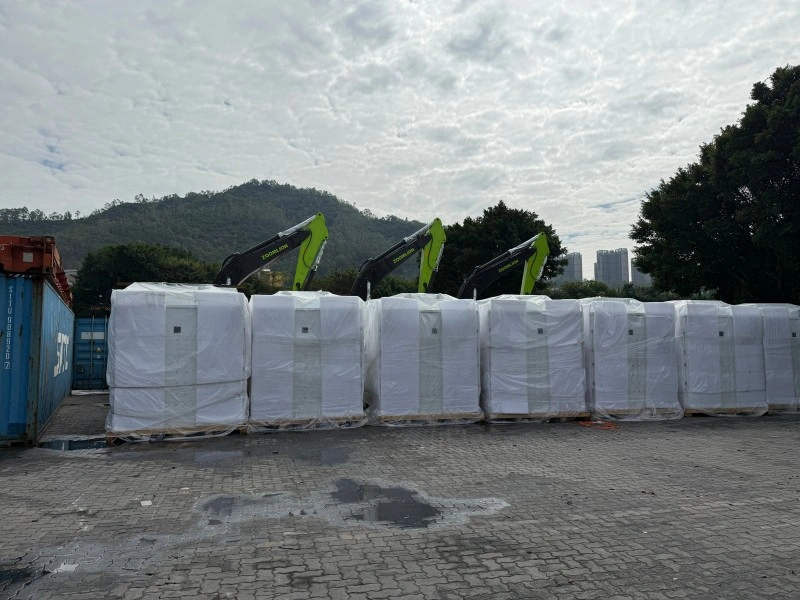
Cost Impact by Shipping Method: Flat Rack, Open Top, Breakbulk, and Heavy Lift
If you need to ship a large item, the cost of the shipment will depend on how you do it, since each method will have varying degrees of exposure and handling.
| Shipping Method | Weather Exposure | Possible Cost Impact |
| Flat Rack | High exposure to rain, wind, sea spray, and sunlight | Stronger covering, lashing checks, anti-rust protection, storage risk |
| Open Top Container | Top exposure if cover is damaged or removed | Tarpaulin quality, water drainage, moisture control |
| Lowbed Trailer | Road rain, mud, heat, snow, and wind | Route delay, secure parking, cover inspection, standby charges |
| Breakbulk | Direct weather exposure during handling and stowage | Heavy-duty packaging, port handling delay, re-inspection |
| RoRo | Port waiting, ramp exposure, destination delay | Storage and access control costs |
| Heavy Lift Vessel | Weather-sensitive loading and specialized stowage | Crane standby, schedule adjustment, heavy lift planning cost |
How to Reduce Weather-Related Oversized Cargo Shipping Costs
Seasonal weather cannot be managed, but smart preparation and flexibility can help shippers manage their oversized cargo shipping costs during the season.
| Cost-Control Strategy | Practical Benefit |
| Seasonal Route Planning | Avoids known high-risk weather corridors where possible |
| Schedule Buffer | Reduces urgency and expensive last-minute changes |
| Early Permit Review | Helps avoid resubmission when weather changes route plans |
| Proper Packaging | Reduces weather damage and repair costs |
| Port Weather Monitoring | Helps avoid unexpected handling delays |
| Backup Storage Plan | Prevents unsafe waiting or uncontrolled yard costs |
| Crane Schedule Flexibility | Reduces standby and rescheduling cost |
| GPS Tracking | Improves ETA visibility and stakeholder coordination |
| Contingency Planning | Provides faster response when disruption occurs |
What Shippers Should Provide for Weather-Aware Cost Planning
Complete cargo and project information are important in the early stages of a project and can help logistics teams plan for the costs of OOG transport with greater weather accuracy.
| Information to Provide | Why It Helps |
| Cargo Dimensions | Determines exposure, route, and transport method |
| Gross Weight | Affects crane, trailer, permit, and port handling planning |
| Cargo Sensitivity | Helps decide protection level against heat, rain, or humidity |
| Packaging Method | Shows whether additional weather protection is needed |
| Origin and Destination | Supports climate and seasonal risk review |
| Preferred Shipping Time | Helps assess rainy, winter, typhoon, or high-heat season risks |
| Delivery Deadline | Determines how much schedule buffer is available |
| Storage Tolerance | Helps plan safe waiting options if weather causes delay |
| Insurance Needs | Supports weather-related risk documentation |
| Port Preference | Helps evaluate port weather and congestion risks |
Common Mistakes That Increase Weather-Related Shipping Costs
Many of the same things that can cause manageable weather events to become large budget busters can be seen by the experienced OOG planner.
| Mistake | Possible Cost Consequence |
| Focusing Only on Freight Rate | Hidden costs may appear through delays or protection needs |
| No Weather Buffer | Urgent rescheduling may increase cost |
| Weak Cargo Protection | Rust, water damage, or repair costs may occur |
| No Port Storage Plan | Unexpected yard charges may increase total cost |
| No Route Weather Review | Detours, permit changes, or delays may occur |
| No Crane Flexibility | Standby or cancellation charges may apply |
| Ignoring Destination Climate | Cargo may need extra protection after arrival |
| No Inspection Records | Damage claims may become harder to support |
Common Misunderstandings About Weather and OOG Shipping Costs
There are several common fallacies that can cause the costs of over-sized cargo shipping risks to be underestimated:
- Weather can affect not only travel delays, but it can also affect packaging, storage, handling, and insurance requirements.
- OOG freight does not follow standard freight rules.
- If the weather risk is not in the freight rate it may not be cheaper for the lower freight rate.
- For long sea exposure or high humidity, additional protection may be necessary aside from tarpaulin.
- The cost of crane and port delays can be more costly than inland transport delays.
- The planning of the weather must begin prior to the quotation and not after the cargo has been packed.
- The weather at the destination site is as important as the weather at the origin site.
- Contingency planning cannot be considered an emergency response plan, rather, it is a cost control tool.
Conclusion — Weather-Aware Planning Helps Control OOG Shipping Costs
For cargo that is exposed, heavy, time-sensitive, or difficult to handle, seasonal weather is a true cost factor in oversized cargo shipping. Shippers can mitigate unexpected transport costs and enhance transport certainty for their OOG projects by planning for the weather, having the correct protection in place, knowing their routes, ports, and understanding how to build realistic contingency buffers. Under stress conditions, assessing the overall logistics price, not just the freight component, yields better results.