
Oversized cargo transport works with all types of containers – open top, flat rack and heavy lift shipping vessels – however they are used for different cargo profiles. Over-height cargo that does not exceed the width or length of containers is normally carried in open top containers, flat racks are used for cargo that is over width or over height, heavy or irregular (OOG) and heavy lift vessels are used for cargo too large, too heavy or too complex to be containerized OOG.
The decision on which method to take is more of a cargo-engineering and logistics process than a freight rate comparison. Open top containers offer protection from the side, but may have width and wall clearance restrictions. Flat racks are more flexible for over-wide and oddly shaped loads, but need to be more tightly lashed, protected from the weather, and approved by the carrier. Heavy lift vessels provide breakbulk and project cargo capability for very large or heavy loads, but typically require greater advance planning, port capability review and lifting coordination. The safest way to ship OOG cargo does not necessarily equal the least expensive or most convenient way, it is the way that is best suited for the cargo’s size, weight, handling characteristics, port availability, route accessibility, and risk level. Many shippers think that a cargo is too tall for standard container, but in reality, if the cargo is wide, heavy, has difficult lifting access, not enough room on the side of the container, not practical, and not approved by the carrier, a flat rack or heavy lift vessel may be more appropriate for OOG logistics.
What Is an Open Top Container?
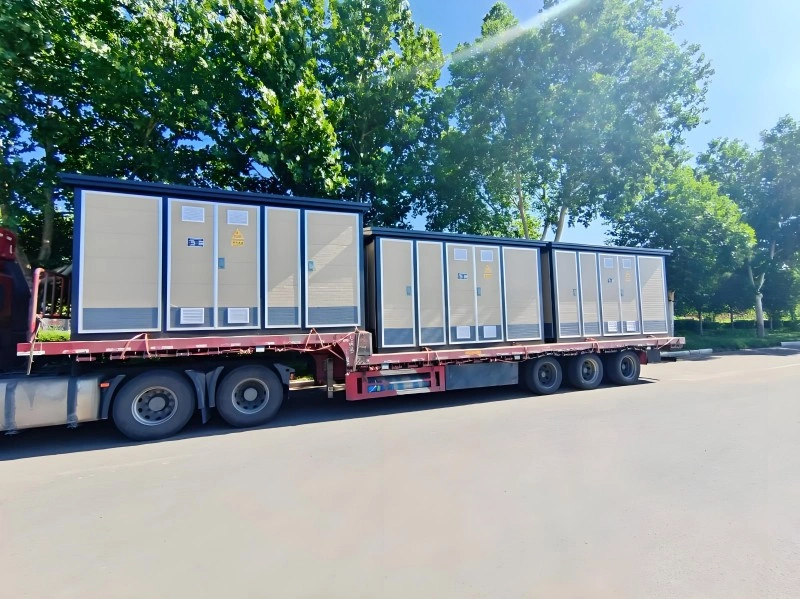
An open top container is also a particular shipping solution that is used for oversized items that fit into the side walls but are too tall to fit in the container. It preserves the side and end walls and provides crane loading with the roof removed, providing improved wall protection over a completely open platform.
In practice, these containers are filled from the top using a crane, then a removable tarpaulin or cloth cover is placed over the top to provide simple protection from the weather. They are suitable for parts for industrial use or for machinery parts that has to be partially contained while in the ocean but not larger than the container inside width or length. They are not, however, the solution for all large deliveries—ones that extend past the side walls or that must be accessed from the side—because they soon fall short of the job.
| Feature | What It Means for OOG Cargo |
| Open Roof | Allows crane loading from above |
| Side Walls | Provides better side protection than flat rack shipping |
| Container Base | Supports cargo within container weight limits |
| Tarpaulin Cover | Offers limited weather protection when properly secured |
| Best Cargo Fit | Over-height cargo that still fits within container walls |
| Main Limitation | Not suitable for over-width cargo or cargo exceeding container wall clearance |
What Is a Flat Rack Container?
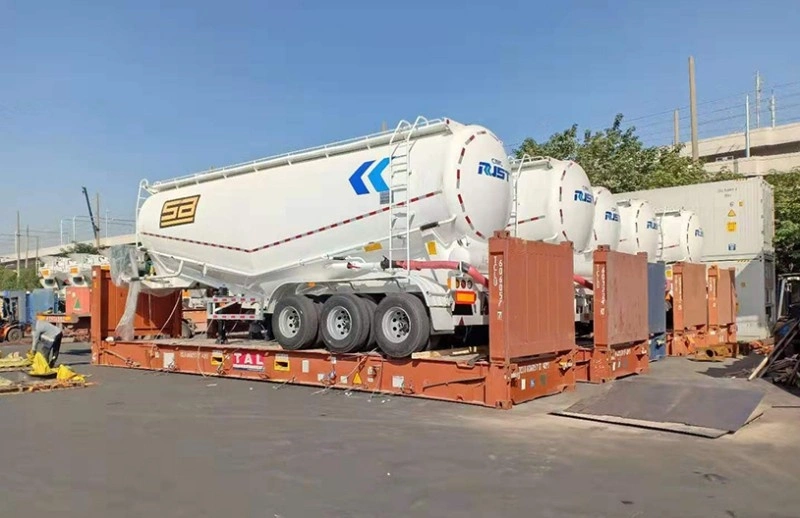
When cargo cannot be accommodated in a conventional container (or open top container) due to width, height, weight or irregular shape, a flat rack container is the obvious solution. It is usually reinforced and has strong end walls but lacks side walls and roof, and allows the shippers to have complete access for loading from above and from the sides.
The flat racks, with their design, are suited for heavy machinery, vehicles, steel structures, and project cargo which require multiple securing methods. After being loaded, the cargo is lashed, blocked and braced directly onto the base and end frames and then covered with tarpaulins or shrink wrap to protect against the weather. The open arrangement gives the maximum flexibility but it requires good load distribution and robust securing arrangements to withstand ocean transport.
| Feature | What It Means for OOG Cargo |
| Open Sides | Allows over-width cargo and side loading |
| No Fixed Roof | Supports over-height cargo and crane loading |
| Strong Base | Supports heavy cargo within flat rack limits |
| Flexible Loading | Suitable for irregular machinery and equipment |
| High Exposure | Requires weather, corrosion, and cargo protection planning |
| Securing Requirement | Needs strong lashing, blocking, and bracing |
What Are Heavy Lift Shipping Vessels?
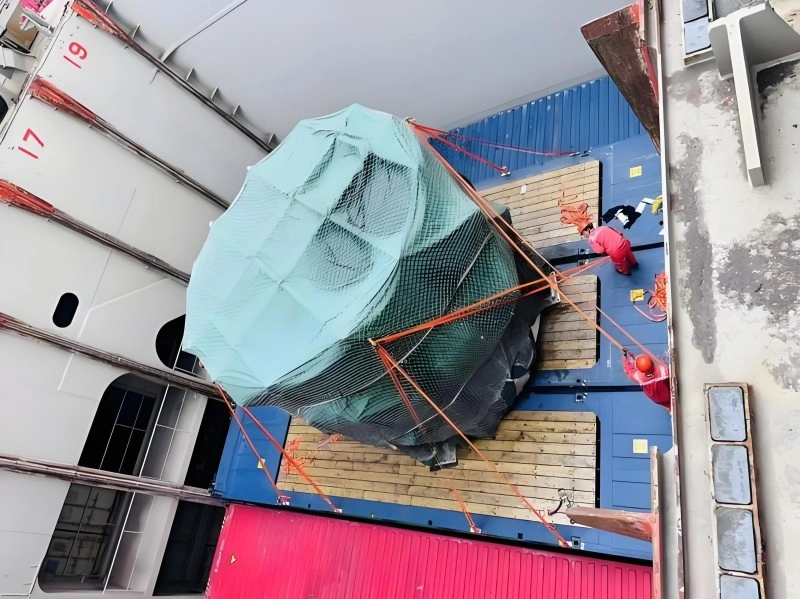
When goods can’t be practically shipped in a containerised OOG method, the heavy lift shipping vessel is the only choice. They are designed for breakbulk and project cargo transportation, and are fitted with cranes on board, or they can be fitted for use with the shore crane for direct loading and unloading to the deck or hold.
They are capable of handling extremely heavy, long, wide, or high value industrial shipments such as large transformers, pressure vessels or modular engineering which is not covered by flat rack limits or requires special engineering for safe stowage. Heavy lift ships are not so rigidly attached to the vessel as container vessels, and they are sometimes used on dedicated routes with preplanned lifting sequence, but they do need coordination between shipper, port, and lifting teams in advance.
| Feature | What It Means for Oversized Cargo |
| Heavy Lift Capability | Can handle cargo beyond containerized OOG limits |
| Breakbulk Handling | Cargo is loaded as individual project cargo rather than containerized freight |
| Specialized Lifting | May use ship cranes, shore cranes, or engineered lifting plans |
| Flexible Stowage | Cargo may be placed on deck or in hold depending on project needs |
| Project Cargo Focus | Suitable for modules, turbines, transformers, vessels, and large structures |
| Planning Requirement | Needs early coordination with vessel, port, lifting team, and cargo owner |
Open Top vs Flat Rack vs Heavy Lift: Quick Comparison
If you’re transporting out-of-gauge and larger items, a side-by-side comparison of the 3 options is helpful to see which one makes the most sense. When transporting a cargo that might necessitate open top, flat rack, or heavy lift shipping, the initial step in OOG shipping solutions is to verify the cargo dimensions and weight, load planning, and review for acceptance by the carrier.
It is a comparison that can prevent industrial exporters and project managers from committing to the common mistakes that could be made at their initial planning phase.
| Factor | Open Top Container | Flat Rack Container | Heavy Lift Vessel |
| Best For | Over-height cargo within container walls | Over-width, over-height, heavy, or irregular cargo | Extremely large, heavy, or complex project cargo |
| Loading Method | Mainly crane loading from top | Top or side loading by crane or equipment | Heavy lift crane, shore crane, or engineered loading |
| Side Protection | Better side protection | Minimal side protection | Depends on stowage and packaging |
| Weather Exposure | Moderate, top cover required | Higher exposure | Depends on deck/hold stowage |
| Securing Complexity | Moderate | High | High and project-specific |
| Carrier Approval | Required for over-height cargo | Required for OOG dimensions and load plan | Required through project/breakbulk planning |
| Cost Level | Often lower than flat rack or heavy lift if suitable | Higher than standard/open top in many cases | Usually higher and more project-specific |
| Planning Complexity | Moderate | High | Very high |
When to Choose an Open Top Container
Open top containers are suitable for transporting cargo that is too high for a standard container, but doesn’t require complete top protection and can be supported and sheltered from side to side during transit.
They light up over-height industrial parts or equipment which can be lowered by crane and fastened to the inside of the container structure. The side walls will prevent shifting and a properly installed tarpaulin will offer a good degree of weather protection, as opposed to a flat-rack solution.
| Open Top Is Suitable When | Why It Works |
| Cargo Is Over-Height Only | The open roof allows extra vertical clearance |
| Cargo Fits Within Side Walls | Side walls provide containment and protection |
| Top Crane Loading Is Available | Cargo can be lowered into the container safely |
| Weather Covering Is Possible | Tarpaulin can help reduce rain exposure |
| Cargo Weight Is Within Limits | Container base and carrier rules can accept the load |
| Securing Points Are Accessible | Cargo can be lashed inside the container |
When to Choose a Flat Rack Container
Where goods are too wide, too high, heavy or awkward to fit into an open top container, but can still be transported by container vessel by applying for OOG (Out of Gauge) approval, flat racks are the practical solution.
Side loading is possible and they provide a solid foundation for large equipment, steel beams or odd pieces of material that would not fit in in-walled areas. The open design will make it easy to use custom lashing arrangements, with shippers needing to ensure additional weather protection and bracing is provided at sea to keep everything steady.
When it comes to flat rack, the following is valid:
| Flat Rack Is Suitable When | Why It Works |
| Cargo Is Over-Width | Open sides allow cargo to exceed normal container width |
| Cargo Is Over-Height | No roof restriction allows tall cargo |
| Cargo Is Irregularly Shaped | Open structure supports flexible loading and securing |
| Side Loading Is Needed | Cargo can be loaded from side or top |
| Cargo Requires Strong Lashing | Flat rack base and securing points support engineered restraint |
| Containerized OOG Shipping Is Still Feasible | Cargo can move on a container vessel with carrier approval |
When Heavy Lift Shipping Vessels Are the Better Option
Heavy lift shipping vessels are the preferred choice when it comes time to transport an OOG shipment, whether open top or flat rack, when it is no longer practical or safe to do so.
These ships are valuable for carrying oversized or oversized flat racked parcels, heavy-lift loads or combinations of large project modules that can be handled through a coordinated breakbulk operation. They are particularly useful for transformers, generators, pressure vessels and large steel structures, where custom stowage and engineering reviews are a must.
| Heavy Lift Vessel Is Suitable When | Why It Works |
| Cargo Exceeds Containerized OOG Limits | Heavy lift vessels offer project cargo capability |
| Cargo Is Extremely Heavy | Specialized lifting and stowage can handle higher loads |
| Cargo Is Too Long or Wide | Breakbulk stowage may offer more flexibility |
| Cargo Requires Direct Vessel Loading | Cargo can be loaded by ship or shore crane |
| Flat Rack Securing Is Not Practical | Custom stowage and lashing can be engineered |
| Multiple Project Cargo Units Are Shipped Together | Vessel planning can support coordinated project movement |
Cargo Factors That Determine the Best Shipping Method
Always begin the process of method selection with accurate cargo data, not freight quotes. All dimensions and details have something to do with whether the shipment is within containerized OOG limits or if it requires heavy lift handling.
When a final packed dimension is measured, lifts are identified and center of gravity is mapped, you won’t get surprises when you arrive at the port or during carrier review.
| Cargo Factor | Why It Affects Method Selection |
| Length | Determines container fit, flat rack footprint, or breakbulk need |
| Width | Helps decide between open top, flat rack, or heavy lift vessel |
| Height | Affects open top feasibility and flat rack over-height approval |
| Gross Weight | Determines container base, lifting, stowage, and vessel requirements |
| Center of Gravity | Affects stability, lashing design, and lifting safety |
| Cargo Shape | Irregular shapes may need flat rack or heavy lift handling |
| Lifting Points | Determines crane loading method and handling feasibility |
| Support Points | Helps plan load distribution and stowage |
| Weather Sensitivity | Affects packaging, cover, and stowage choice |
| Port Capability | Determines whether cargo can be handled at origin and destination |
Cost Considerations: Which Option Is More Economical?
The cost is much more related to the suitability, rather than only freight rates. This may look cheap on paper, but can incur re-work and cost more due to carrier rejection, additional handling or weather damage.
When the goods fit in a “free standing” capacity, often the lowest surcharge is applied to open top containers, and additional costs are applied to flat racks for lashing and protection for OOG cargoes. Heavy lift vessels will charge a project-specific fee but can be budget-friendly for extremely large or complex projects due to the ability to not move multiple containers.
| Cost Factor | Open Top | Flat Rack | Heavy Lift Vessel |
| Base Freight | Often moderate if cargo fits | Usually higher due to OOG status | Project-specific and often higher |
| Handling Cost | Crane loading may be needed | Crane and special securing often needed | Heavy lift handling required |
| Securing Cost | Moderate | Higher due to exposed cargo | Project-specific |
| Weather Protection | Moderate | Often higher | Depends on stowage and packaging |
| Carrier Approval | Required | More detailed review required | Project cargo review required |
| Delay Risk | Lower if cargo fits well | Higher if load plan is incomplete | Higher if planning is late |
| Best Cost Scenario | Over-height cargo within walls | Over-width or irregular cargo within limits | Cargo too large or heavy for containerized transport |
Safety and Risk Comparison
Every form of shipment comes with its own ‘risks’ and the selection of the proper form of shipment will help to minimize unnecessary handling and transport issues.
Lashing, weather protection and port capacity are carefully managed to ensure cargo security and on-time delivery. Identifying these differences allows project teams to avoid shifting, corrosion or rejection issues.
| Risk Area | Open Top | Flat Rack | Heavy Lift Vessel |
| Cargo Shifting | Moderate if secured inside walls | Higher if lashing is poorly designed | Depends on project stowage plan |
| Weather Exposure | Top exposure if cover fails | High exposure without protection | Depends on deck or hold stowage |
| Loading Risk | Top crane loading required | Top or side loading, often complex | Heavy lift operation required |
| Lashing Complexity | Moderate | High | High and project-specific |
| Port Handling Risk | Requires crane and terminal readiness | Requires OOG terminal handling review | Requires heavy lift capability |
| Carrier Rejection | Possible if dimensions exceed limits | Possible if load plan is not approved | Possible if vessel/port cannot handle cargo |
| Corrosion Risk | Moderate | Higher | Depends on packaging and stowage |
Port and Carrier Approval Requirements
All three methods need carrier and port approval, but, as with all things else, the level of scrutiny will increase depending on the level of complexity: from basic dimension checks for open tops, to full engineering packages for heavy lift vessels.
Full documentation early will prevent last minute cut-off problems and ensure an on-schedule schedule.
| Approval Item | Open Top | Flat Rack | Heavy Lift Vessel |
| Cargo Dimensions | Required | Required in more detail | Required with engineering review |
| Gross Weight | Required | Required | Required |
| Load Plan | Sometimes required | Usually required | Required |
| Lashing Plan | May be required | Usually required | Required |
| Lifting Points | Important for crane loading | Important for crane/side loading | Critical for heavy lift |
| Port Capability | Crane and gate review | OOG terminal handling review | Heavy lift handling review |
| Vessel Stowage | Standard with OOG review | Special OOG stowage approval | Project cargo stowage planning |
| Documentation Cut-Off | Must be met | Must be met | Often earlier and more detailed |
Common Mistakes When Choosing Between Open Top, Flat Rack, and Heavy Lift
Sometimes, even seasoned shippers miss out on the details that can cause troubles downstream in OOG logistics. The most common mistakes are due to incomplete information or decision-making at the last minute.
The benefit of avoiding these pitfalls is that you will save time, money, and cargo integrity.
| Mistake | Possible Consequence |
| Choosing by Price Only | Higher risk of rejection, re-handling, or cargo damage |
| Assuming Open Top Fits All Tall Cargo | Width, weight, and wall clearance may still be problems |
| Ignoring Over-Width | Cargo may need flat rack or heavy lift instead |
| Using Estimated Dimensions | Booking and carrier approval may be wrong |
| No Load Plan | Carrier may reject the shipment |
| Weak Lashing Plan | Cargo shifting or damage risk increases |
| No Port Capability Check | Cargo may fail at loading or discharge |
| Late Heavy Lift Review | Vessel space or equipment may not be available |
| No Weather Protection | Exposed cargo may suffer corrosion or water damage |
What Shippers Should Prepare Before Choosing a Shipping Method
Having the right cargo and project data ensures logistics teams can suggest the best shipping solution, preventing costly changes afterward.
A detailed drawing, photos and handling requirements is given before the job is done making it an engineering exercise not a complex decision.
| Information to Provide | Why It Helps |
| Cargo Dimensions | Determines open top, flat rack, or heavy lift feasibility |
| Final Packed Size | Prevents mismatch between booking and actual cargo |
| Gross Weight | Supports container base, lifting, and vessel stowage review |
| Center of Gravity | Affects stability, lifting, and lashing design |
| Lifting Points | Helps plan crane loading and unloading |
| Support Points | Helps design load distribution and cargo support |
| Photos / Drawings | Shows cargo shape, protrusions, and handling needs |
| Packaging Method | Helps evaluate weather protection and handling risk |
| Origin / Destination Ports | Determines port capability and route feasibility |
| Schedule Requirement | Helps compare container vessel vs heavy lift vessel timing |
| Special Handling Needs | Supports safe transport planning and cost evaluation |
Common Misunderstandings About OOG Shipping Method Selection
This can result in shippers going down the wrong path when it comes to the planning of oversized cargo transport if there are a few persistent myths involved.
- Not all tall cargoes can be safely stored in an open top container, as width and securing can cause the shipment to be pushed towards flat racks.
- Flexibility is the key word with flat racks, but they need more weather protection and cargo securing than they are given credit for.
- Heavy lift vessels are not just for carrying very heavy goods – they also might be necessary to transport a wide, long or complex cargo that cannot be loaded on container ships.
- The lowest cost shipping option can turn out to be quite expensive if goods are returned or checked off at the port.
- Carrier booking is not sufficient for smooth handling in port.
- Packed dimensions are significant than machine-only dimensions.
Conclusion — The Right OOG Shipping Method Depends on Cargo Fit, Risk, and Feasibility
These are oversized cargo and each one is used for a specific purpose, such as: Open top containers; Flat rack containers; Heavy lift vessels. Over-height cargo, which fits within container walls, can be used in open top containers. For cargo exceeding the standard container width and height or for heavy and/or irregular loads, flat racks are suitable for OOG loads. Heavy lift vessels are needed for cargo that is too large for containerized OOG or to handle project cargo.
The right choice is based on cargo size, weight, lifting points, center of gravity, port capacity, carrier acceptance, lashing plans, weather protection, schedules, and overall risk. It is a practical risk management decision to choose between open top, flat rack and heavy lift shipping. If shippers supply the logistics team with accurate cargo dimensions, weight, lifting details, drawings, and schedule requirements early, logistics teams can compare the various options that might be available, determine which ones are feasible, and choose the one that is safe, cost-effective, approved by the carrier, and reliable.