
In international transport, cargo insurance for oversized goods is used to handle the financial risks in the event of loss, damage, theft, handling incident, weather exposure or transport accident. But insurance cannot replace the proper OOG logistics planning, cargo protection, documentation, inspection and professional handling.
Cargo that is oversized, whether high, wide, heavy or just high value, presents a higher risk than regular container goods. It passes through several phases: factory loading, inland transport, port storage, crane operations, ocean transport, port unloading, customs clearance and delivery. While insurance is a financial cushion for covered events, accurate valuation of goods, thorough documentation, condition documentation, and evidence of proper handling are essential for success. Financial planning for OOG cargo involves insurance, however the best insurance is effective transport planning, cargo protection, documentation and inspection control. While a majority of shippers may think that if something is damaged, it will be covered, it depends on the wording in the policy, the value listed, the proof that it was damaged, and the time that it was reported.
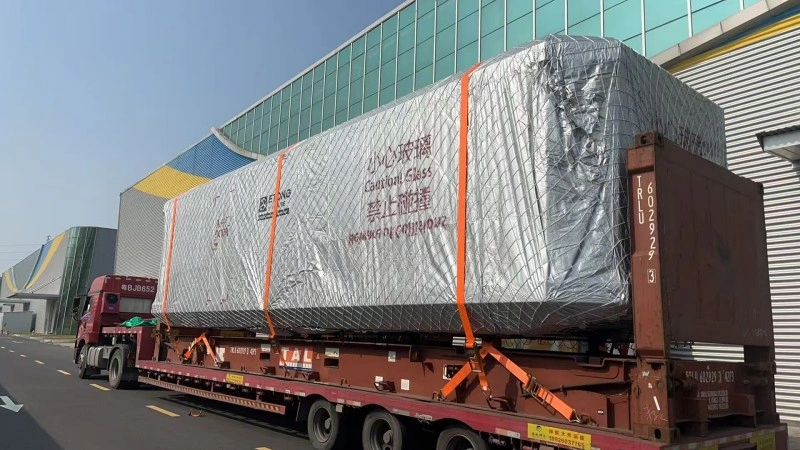
Why Oversized Cargo Needs Insurance During International Transport
When transporting oversized cargo, there are additional factors to consider when planning insurance coverage, such as the size, weight and value of the cargo, all of which increase the risk and cost of incidents.
Heavy machinery or industrial modules are valued items that may cost millions of dollars to replace, and special handling equipment, permits, or custom securing adds to the complexity of operations. The lengthy chain of pallets transferred from loading barge to flat rack or low-bed trailer to barge at destination allows time for cargo to become subject to weather conditions and for responsibility to be passed through multiple points, all of which must be clearly documented. Other indirect losses, such as delays or damage, can also impact project schedules, and with proper insurance arrangements, it can help to mitigate those losses.
| Risk Factor | Why Insurance Matters |
| High Cargo Value | Loss or damage may create significant financial exposure |
| Special Handling | Crane lifting, rigging, and re-handling increase operational risk |
| Open-Deck Transport | Flat rack, breakbulk, and lowbed movement may expose cargo to weather |
| Multiple Handovers | More transfer points increase the need for documented responsibility |
| Port Storage | Cargo may wait outdoors or in terminal yards before loading or release |
| Long Transit Time | Extended exposure increases risk of delay, corrosion, or incident |
| Theft Risk | High-value equipment or removable components may be targeted |
| Project Schedule Impact | Damage or loss may delay installation, production, or construction plans |
What Risks Can Cargo Insurance Help Manage?
Coverage for a variety of events can be included in cargo insurance, but it is important to check in with your insurance agent or broker before you send out any items to determine the extent of coverage in each event.
For OOG movements, the most common concerns are physical loss or damage in the lifting process, in the road transit or in the sea voyage. However, if there is evidence, theft of components and general average declarations in ocean shipping are also covered perils. But all events are not necessarily covered—exclusions are common for poor packaging, reporting late or approved routes.
| Risk Type | Practical Example |
| Physical Damage | Machinery frame damaged during handling or transport |
| Cargo Loss | Cargo lost during covered transport events |
| Theft | High-value components or cargo stolen during transit |
| Handling Incident | Damage during crane lifting, loading, unloading, or re-handling |
| Transport Accident | Road accident involving lowbed trailer or escort movement |
| Weather Exposure | Rain, sea spray, or storm damage if covered under policy terms |
| Fire or Collision | Damage caused by covered accident events |
| General Average | Ocean shipping cost-sharing event declared by the carrier |
| Water Damage | May depend on packaging, policy wording, and evidence |
Insurance Is Not a Substitute for Proper OOG Cargo Protection
OOG logistics planning is about doing the right thing before an incident, while insurance is about doing the right thing after it.
Accurate cargo measurement, correct packing, anti-rust treatments, secure lashing, correct lifting points, load plan and route survey minimise damage risk and bolster claims in the event. With OOG logistics services for high-value industrial cargo, which needs cargo protection, route planning, inspection record and risk coordination, logistics service should be integrated with preventive transport controls from the start. Safety and recoverability is further enhanced by on-site supervision, GPS tracking and documented handovers.
| Preventive Control | Why It Still Matters Even with Insurance |
| Accurate Cargo Measurement | Supports correct planning, permits, and carrier acceptance |
| Proper Packaging | Reduces damage risk and supports claim credibility |
| Anti-Rust Protection | Helps prevent corrosion during sea freight and storage |
| Lashing and Securing | Prevents cargo shifting during road and ocean movement |
| Lifting Point Verification | Reduces crane handling and rigging risk |
| Route Planning | Avoids road restrictions, unsafe turns, and route delays |
| Secure Storage | Reduces theft, tampering, and unauthorized access |
| GPS Tracking | Provides movement visibility and incident timeline support |
| Inspection Photos | Documents cargo condition before and after transport |
| On-Site Supervision | Helps ensure loading and securing are executed correctly |
Types of Oversized Cargo That Often Need Careful Insurance Planning
Not all “big items” are equivalent when it comes to insurance considerations, and the value, sensitivity, repair difficulty, and exposure level of the cargo should determine how the insurance is structured.
For example, transformers and generators are moisture resistant, tight tolerances for electrical considerations, and high replacement costs. Construction and mining equipment take hard riding on roads and are at risk from accessory theft, steel structures and power plant modules are at risk from deformation and tight project deadlines. A specific policy that fits the individual type is best suited to each type.
| Cargo Type | Insurance Planning Concern |
| Transformers | High value, moisture sensitivity, handling risk, long replacement lead time |
| Generators | Mechanical and electrical system protection, lifting risk |
| Industrial Machinery | Precision surfaces, control systems, and installation schedule impact |
| Construction Equipment | Road transport, theft, and accessory loss risk |
| Mining Equipment | Heavy weight, remote delivery, and repair difficulty |
| Pressure Vessels | Handling, certification, and surface protection concerns |
| Steel Structures | Large dimensions, weather exposure, and deformation risk |
| Power Plant Modules | High project value and strict delivery schedule |
| Large Injection Molds | Precision surfaces, rust prevention, and shock protection |
| Oil and Gas Equipment | High value, compliance needs, and specialized handling |
Key Insurance Terms Shippers Should Understand
Shippers do not have to be insurance experts, but a basic understanding of the insurance terminology can make it more likely that the correct insurance is covered and expectations are realistic.
Prevention of underinsurance, such as understanding difference between insured value and declared value. Understanding what “warehouse-to-warehouse” really entails—or what a deductible means in reality—will help prevent surprises if there’s any kind of claim. In ocean OOG moves, special attention must be paid to the general average and claim notice periods.
| Insurance Term | Practical Meaning for OOG Shippers |
| Insured Value | The value used to calculate coverage and premium |
| Declared Value | Cargo value stated in commercial and shipping documents |
| Coverage Scope | What types of risks are included under the policy |
| Exclusions | Events or conditions not covered by the policy |
| Deductible | Amount the insured party may pay before coverage applies |
| Transit Period | The period during which cargo is covered |
| Warehouse-to-Warehouse | Coverage from origin storage to destination storage if included |
| General Average | Shared maritime loss contribution in certain ocean incidents |
| Claim Notice Period | Time limit for reporting damage or loss |
| Survey Requirement | Whether an independent inspection is needed after damage |
Documents Needed for Oversized Cargo Insurance
The reliability of insurance cover relies on the correctness of documents and evidence gathered before, in the middle of and after the transport.
When a complete file is present it will provide the full story of the cargo’s travel and show that reasonable care has been taken. Incomplete or lost records may result in delayed and/or decreased claim payments, even if the policy is otherwise strong.
| Document | Why It Helps |
| Commercial Invoice | Supports declared cargo value |
| Packing List | Confirms cargo quantity, dimensions, weight, and packaging details |
| Insurance Certificate | Shows coverage details and insured party information |
| Bill of Lading | Confirms transport route, carrier, and cargo receipt |
| Cargo Photos | Documents pre-shipment condition |
| Packing Photos | Shows whether protection was properly applied |
| Inspection Report | Supports condition verification before shipment |
| Load Plan | Shows how cargo was positioned for transport |
| Lashing Plan | Supports evidence of securing method |
| Damage Report | Records damage details if an incident occurs |
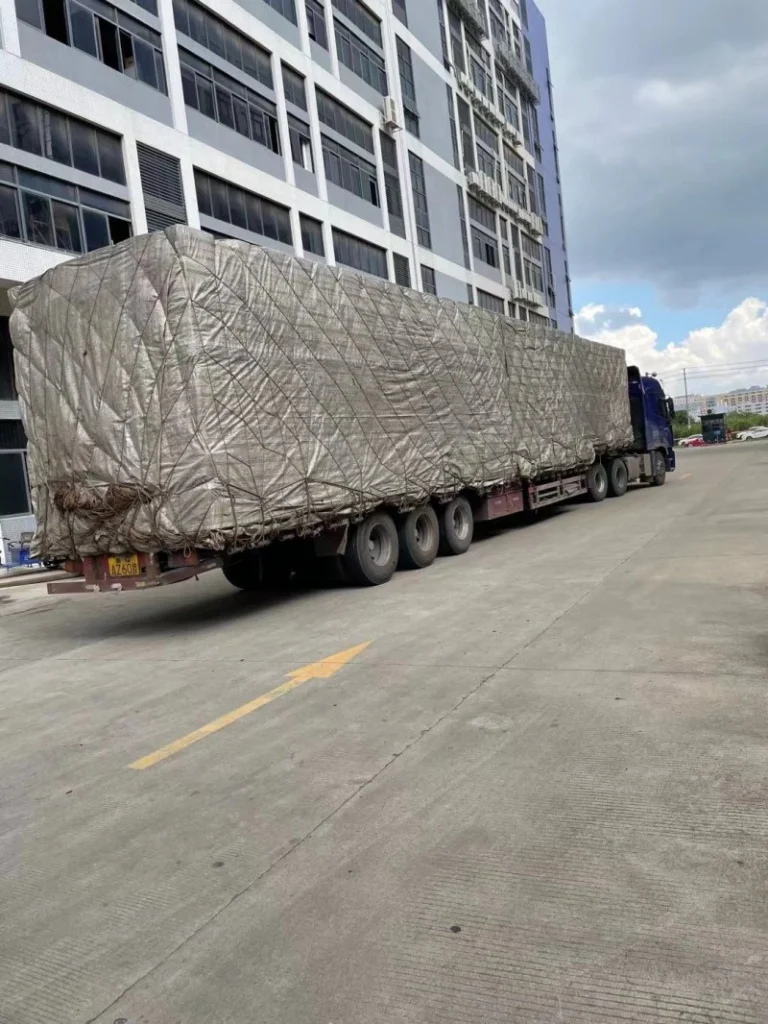
How Packaging and Inspection Affect Insurance Claims
However, when it comes to preventing damage, proper packaging and inspection are not enough; they’re also the key to an efficient claim process for insurers.
Pre-shipment pictures, detailed lashing records and verified condition reports provide a clear picture before and after. Damage cases will be assisted with the help of this documentation to prove that the cargo was properly protected and that the loss was due to an unprotected phase of transit and not to inadequate preparation.
| Claim Support Factor | Why It Matters |
| Suitable Packaging | Shows reasonable steps were taken to protect cargo |
| Anti-Rust Measures | Helps address corrosion risk during sea freight or storage |
| Pre-Shipment Photos | Proves cargo condition before transport |
| Packing Photos | Shows protection method before cargo leaves factory |
| Loading Inspection | Confirms cargo condition after loading and securing |
| Lashing Records | Demonstrates how cargo was restrained |
| Handover Documents | Clarifies responsibility at each transfer stage |
| Damage Discovery Record | Helps identify when damage may have occurred |
Insurance Considerations by Transport Mode
The exposure of insurance depends on the type of cargo, whether it is transported by flat rack, open top, lowbed trailer, breakbulk, RoRo or heavy lift.
Each mode has its own risk profile, which should be relevant to the choice of policy and the supporting documents.
| Transport Mode | Main Risk Exposure | Insurance Planning Focus |
| Flat Rack | Weather exposure, lashing risk, port handling | Packaging, securing records, and condition photos |
| Open Top Container | Top exposure, crane loading, water ingress | Cover condition, moisture control, and loading records |
| Lowbed Trailer | Road accident, theft, route restrictions | Route planning, GPS tracking, and handover records |
| Breakbulk | Multiple handling points and open-deck exposure | Lifting records, packaging, and cargo survey |
| RoRo | Ramp loading, vehicle condition, port waiting | Access control, condition report, and storage exposure |
| Heavy Lift | Specialized lifting and high cargo value | Engineering plan, survey report, and crane operation records |
Common Insurance Mistakes in Oversized Cargo Transport
The exposure of insurance depends on the type of cargo, whether it is transported by flat rack, open top, lowbed trailer, breakbulk, RoRo or heavy lift.
Each mode has its own risk profile, which should be relevant to the choice of policy and the supporting documents.
| Mistake | Possible Consequence |
| Relying Only on Carrier Liability | Compensation may be limited and not reflect full cargo value |
| Under-Declaring Value | Insurance recovery may be insufficient |
| Ignoring Exclusions | Some damage types may not be covered |
| Poor Packaging Evidence | Claim review may question whether cargo was properly protected |
| No Pre-Shipment Photos | Harder to prove cargo condition before transport |
| Late Damage Notice | Claim may be delayed or rejected depending on policy terms |
| No Survey Report | Damage assessment may lack independent evidence |
| No Incoterms Review | Buyer and seller may disagree on insurance responsibility |
What Shippers Should Prepare Before Arranging Insurance
Sometimes, even experienced exporters make decisions that adversely affect their insurance position.
Typical mistakes include only including carriers’ liability limits, quoting too low a value to reduce costs, and not taking the time to include pre-ship photos. Others forget to include coverage in their policy or do not match coverage with Incoterms responsibilities. Every error may transform a recoverable loss into a non-insurable expense.
| Information to Prepare | Why It Helps |
| Cargo Value | Determines insured amount and premium basis |
| Cargo Description | Helps insurer understand cargo type and risk |
| Dimensions and Weight | Supports OOG risk review and transport planning |
| Packing Method | Shows how cargo will be protected |
| Transport Mode | Identifies exposure during flat rack, open top, breakbulk, or road transport |
| Origin and Destination | Defines the insured route and transit scope |
| Storage Conditions | Helps evaluate exposure before, during, and after transport |
| Cargo Photos | Supports condition evidence and risk assessment |
| Protection Measures | Shows anti-rust, moisture, shock, and weather protection |
| Incoterms | Clarifies who is responsible for arranging insurance |
How to Support an Insurance Claim if Damage Occurs
When claims are required, there will be smoother claims and more accurate coverage with better preparation.
To collect key information at the outset to ensure accurate risk assessment and quote. Use this checklist to prevent any gaps and ensure that the policy reflects the movement.
| Claim Support Step | Why It Matters |
| Take Photos and Videos | Provides visual evidence of cargo and packaging condition |
| Preserve Packaging | Helps show whether damage came from handling, water, or impact |
| Notify Relevant Parties | Meets reporting requirements and starts claim process |
| Request Survey | Provides independent damage assessment if required |
| Collect Transport Documents | Confirms shipment route, parties, and cargo details |
| Provide Pre-Shipment Records | Shows condition before cargo moved |
| Record Damage Discovery Time | Helps determine when damage may have occurred |
| Avoid Immediate Disposal | Prevents loss of evidence before review |
Common Misunderstandings About Insurance for Oversized Cargo
There are a number of myths that can leave shippers vulnerable even when they think they are covered.
- Damage does not “prevent” by insurance – it is only financial risk “managed” after covered events.
- Carrier liability is typically significantly less than the value of the cargo and is not the same as dedicated insurance.
- Coverage is not based on assumptions but on policy wordings and exclusions.
- Either inadequate packaging or the lack of documentation may be an issue in the claim’s approval regardless of the incident.
- Proper protection is typically required to be demonstrated against rust, moisture or weather damage.
- It is very important that buyer and seller agree on who will arrange the insurance as the insurance is governed by Incoterms.
- High value OOG cargo should be insured according to the available replacement value and the actual transportation exposure and not the minimum legal value.
Conclusion — Insurance Should Work Together with OOG Risk Control
Insurance plays a crucial role in oversized cargos, but in order to perform, it must be backed by a solid logistics discipline. Cargo verification, proper packaging, secure handling, inspection records, and documentation can all help shippers minimize the risk of damage and loss of property should a covered incident occur. The best way to use insurance is to view it as part of a larger risk-control program and not as a stand-alone solution. Ahead of time, it’s beneficial to get coverage that matches the actual situation of OOG movement, which will reward with easier projects and more peace of mind.