
Oversized cargo port restrictions decide whether or not your shipment can enter the terminal, be safely handled, stored, inspected, secured and loaded onto the ship. These constraints are not just size-related and can affect the ability to access the gate, operate the cranes, have yard space, meet documentation requirements, and gain carrier approvals. When shipping OOG goods, whether by flat rack, open top or breakbulk, it is important to be aware of how these port restrictions can impact on the entire shipment, otherwise, there could be costly delays or rejections.
Many shippers presume the port is automatically cleared when booked by a carrier. In practice, it is necessary to check each individual terminal regarding the handling, lifting and storage rules. The process of port restriction review is not the final approval before sailing – it is an early planning step that will directly influence the route design, selection of equipment, booking approval, cargo handling and shipment reliability. By coordinating all parties at the beginning, risks such as terminal rejection, missed cut-offs, and any unforeseen charges are reduced.
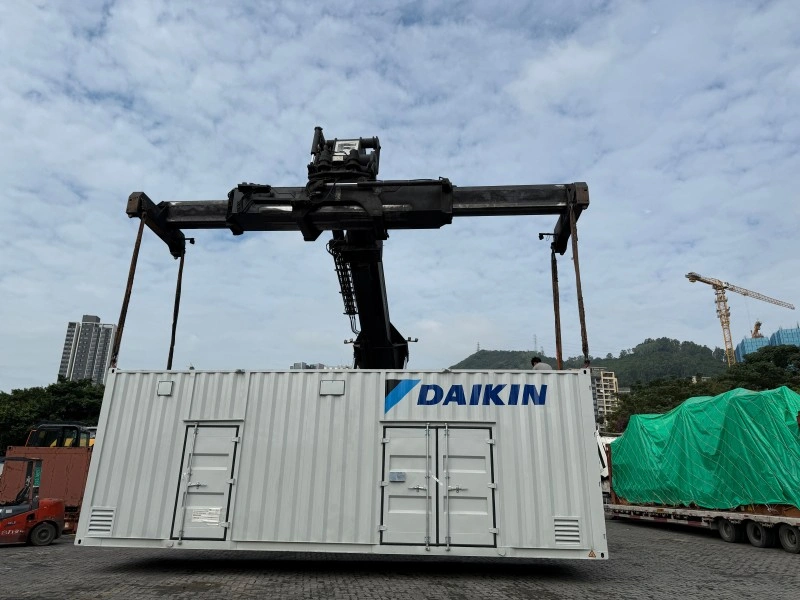
What Are Port Restrictions for Oversized Cargo?
Port restrictions on oversized cargoes are limits on the operation, safety, documentation and equipment that are applicable to out-of-gauge shipment passing through a port. The rules are applicable in all situations, including at gates, on the internal roads and in the yard when being stored, inspected, lifted, lashed and loaded onto the vessel. They differ greatly depending upon the port, the terminal, the carrier, the vessel type, cargo type and the mode of transport, and are particularly applicable to flat rack, open top, breakbulk, RoRo and heavy lift cargo.
| Port Restriction Type | What It Means |
| Gate Access Limit | Whether cargo can physically enter the terminal gate |
| Terminal Road Limit | Whether cargo can move safely inside port roads |
| Crane Capacity | Whether port equipment can lift the cargo safely |
| Yard Storage Limit | Whether the terminal has space for oversized cargo |
| Handling Method | Whether cargo needs flat rack, open top, breakbulk, RoRo, or heavy lift handling |
| Documentation Cut-Off | Whether required documents are submitted before terminal deadlines |
| Safety Rules | Whether cargo needs special inspection, escort, or handling procedure |
| Weather Restrictions | Whether wind, rain, or storms affect lifting and loading operations |
Why Oversized Cargo Faces More Port Restrictions Than Standard Freight
Cargo that exceeds the size limits imposed by containers gives rise to extra handling, logistics and safety issues that are not found in smaller, traditional containers, and is thus more closely monitored at ports around the globe. The larger, heavier, or oddly shaped cargo requires extra space, special rigging and extra preparation time. This increases the potentially hazardous situations when lifting, when moving or moving to another vessel.
With a trusted OOG logistics partner, you can help prevent needless delays at the port with oversized shipments, which must be reviewed for access, and carrier approval, working with a trusted OOG logistics partner helps reduce avoidable port-related delays.
| Oversized Cargo Feature | Port Restriction Impact |
| Over-Height Cargo | May exceed gate, crane, or vessel loading clearance |
| Over-Width Cargo | May require special terminal routing and storage space |
| Heavy Weight | Requires crane capacity review and lifting plan approval |
| Irregular Shape | May need customized lifting, support, and securing methods |
| High Center of Gravity | Increases stability concerns during handling |
| Special Lifting Points | Requires rigging review and crane access planning |
| Large Footprint | Occupies more yard space and may affect storage approval |
| Exposed Cargo | May need weather protection and additional inspection |
Gate Access and Terminal Entry Restrictions
The initial challenge for oversized cargo is gate access, and limitations in this area can prevent a shipment from even making it to the terminal yard. Terminals will need to verify that cargo will not pose an undue hazard or disrupt operations when it passes through entry points.
Gate size, road widths inside the building, and scheduling are some important factors, especially in the case of heavy equipment or project cargo.
| Gate / Entry Factor | Why It Matters |
| Gate Width | Over-width cargo may not pass standard terminal lanes |
| Gate Height | Over-height cargo may need special access points |
| Terminal Road Width | Wide cargo may require controlled movement inside the terminal |
| Turning Radius | Long cargo may have difficulty at corners or internal roads |
| Weighbridge Capacity | Heavy cargo may need alternative weight verification |
| Entry Appointment | Some terminals require pre-arranged arrival windows |
| Security Inspection | Oversized cargo may need special inspection arrangements |
| Port Escort | Large cargo may require internal traffic control or escort support |
Crane Capacity and Lifting Restrictions
One of the most important feasibility tests for oversized cargo port handling is capacity and lifting restrictions of cranes. It’s crucial for terminals to confirm that they have the appropriate gear and circumstances to safely lift the cargo without compromising the safety of their staff, cargo, or infrastructure.
Specifications for lifting plans, center of gravity and rigging may be required for approval.
| Lifting Factor | What Needs Confirmation |
| Cargo Gross Weight | Determines required crane capacity |
| Lifting Points | Confirms where the cargo can be safely lifted |
| Center of Gravity | Affects balance and lifting safety |
| Sling Angle | Influences lifting force and rigging design |
| Crane Availability | Confirms whether proper equipment is available at the terminal |
| Lifting Space | Ensures enough room for crane setup and operation |
| Wind Limit | High wind may stop lifting operations |
| Lifting Plan | Supports approval from terminal, carrier, or safety team |
Storage Yard and Terminal Space Restrictions
There may be storage yard restrictions that cause larger cargoes to become a problem; often, these are unable to be stacked or handled as standard containers. The weight of the terminal must be supported by an adequate amount of space, and the conditions of the ground must be good.
Dwell time and protection from weather may also be a restriction on exposed or valuable cargo.
| Storage Restriction | Practical Impact |
| Yard Space Availability | Terminal must reserve enough area for oversized cargo |
| Ground Strength | Heavy cargo may require suitable support surface |
| No-Stack Cargo | Some machinery cannot be stacked or moved frequently |
| Support Points | Timber, steel beams, or pads may be needed |
| Weather Exposure | Open-deck cargo may need tarpaulin, sealing, or anti-rust protection |
| Dwell Time Limit | Cargo may not be allowed to arrive too early |
| Security Requirement | High-value equipment may need controlled storage |
| Storage Charges | Delays may increase terminal costs |
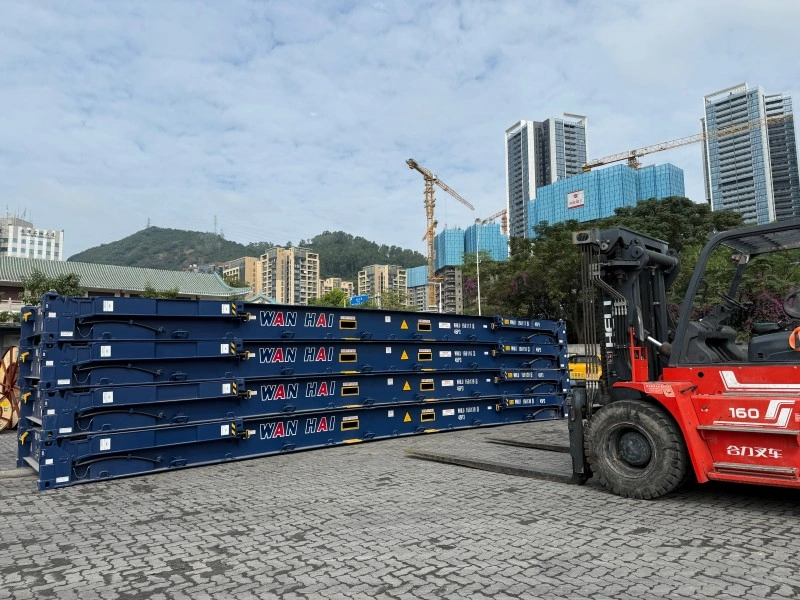
Carrier and Vessel Stowage Restrictions
Stowage requirements for carriers and vessels are closely linked to port operations for OOG cargo. The terminal may be able to accept the cargo but the vessel should have an adequate space and stability for the safe transport of the cargo.
This involves availability of OOG slots on deck or in hold, lashing requirements and vessel stability considerations in general.
| Carrier / Vessel Restriction | Why It Matters |
| OOG Slot Availability | Oversized cargo may require special vessel space |
| Vessel Crane or Shore Crane Use | Determines loading method and feasibility |
| Flat Rack Stowage | Requires approval for over-width or over-height cargo |
| Open Top Stowage | Requires height and covering review |
| Breakbulk Stowage | Requires handling, lifting, and securing coordination |
| Weight Limit | Affects vessel loading and terminal handling |
| Lashing Review | Confirms cargo can be secured safely on board |
| Load Plan Approval | Supports carrier and terminal acceptance |
Documentation and Cut-Off Time Restrictions
The barriers of oversized cargo port handling are not physical barriers, but rather documentation and cut-off time limitations. Despite being ready to ship, late or incomplete work may lead to cargo being lost.
OOG cargo is usually not documented as quickly as normal freight, which means precise dimensions, load plans and lashing diagrams are essential.
| Required Document / Deadline | Why It Matters |
| Cargo Dimensions and Weight | Needed for terminal, carrier, and stowage review |
| Load Plan | Shows how cargo will be positioned and handled |
| Lashing Plan | Confirms securing method before acceptance |
| Booking Confirmation | Verifies space and transport arrangement |
| Customs Documents | Required before export or import release |
| Port Entry Documents | Needed for terminal gate access |
| DG Documents | Required if cargo has hazardous components |
| Cut-Off Time | Missing deadlines may delay cargo to the next vessel |
Weather and Safety Restrictions at Port
All components can be in place, but weather and safety restrictions can still prevent operations from happening. Ports have very strong rules to ensure the safety of cargo, equipment and personnel, especially when lifting heavy or oversized loads with a crane.
Crane operations are often suspended due to high winds and rain or storms may necessitate extra protection for equipment that is exposed.
| Weather / Safety Factor | How It May Affect Port Handling |
| High Wind | May stop crane lifting or open-deck loading |
| Heavy Rain | May require covering, drainage, or delayed handling |
| Lightning | Can suspend outdoor crane operations |
| Poor Visibility | May slow or stop movement inside the terminal |
| Humidity / Sea Spray | Increases corrosion risk for exposed machinery |
| Extreme Heat | May affect sensitive equipment or worker safety |
| Safety Inspection | Cargo may require additional checks before handling |
Port Restrictions for Flat Rack, Open Top, and Breakbulk Cargo
The shipping methods used for OOG vary by each, and each has its own port restriction profile, which must be planned from the beginning.
| Shipping Method | Port Restriction Focus | Common Planning Concern |
| Flat Rack | Over-width, over-height, lashing, deck footprint | Requires carrier approval and careful securing |
| Open Top | Over-height, crane loading, tarpaulin protection | Cargo must fit within side walls and lifting access |
| Breakbulk | Lifting, storage, stowage, handling method | Requires terminal capability and vessel coordination |
| RoRo | Ramp access, rolling condition, vehicle height/width | Cargo must be movable or loaded on suitable platform |
| Heavy Lift | Crane capacity, vessel schedule, engineering review | Requires specialized equipment and early planning |
How to Check Port Feasibility Before Shipping Oversized Cargo
One of the initial considerations when planning any oversized cargo shipment should be checking port feasibility, before the cargo even leaves the factory or warehouse. This step incorporates validated cargo data and terminal/carrier capabilities.
| Port Feasibility Check | Why It Helps |
| Verify Cargo Dimensions | Confirms whether cargo can enter and move through the terminal |
| Confirm Gross Weight | Supports crane, yard, and vessel loading review |
| Review Packing Method | Helps plan handling and protection |
| Check Gate Access | Prevents cargo rejection at terminal entry |
| Confirm Crane Capacity | Ensures cargo can be lifted safely |
| Reserve Yard Space | Reduces storage and handling uncertainty |
| Submit Load Plan | Supports carrier and terminal approval |
| Check Cut-Off Time | Prevents missed vessel schedules |
| Review DG Restrictions | Avoids compliance issues for hazardous components |
| Confirm Destination Port | Prevents problems after arrival |
Common Mistakes When Dealing with Port Restrictions
The challenge and complexity of port operations for oversized cargo often leads to common issues in managing oversized loads, especially compared to regular freight.
Even an experienced team will sometimes estimate dimensions or assume that the acceptance of the carriers is equal to terminal acceptance.
| Mistake | Possible Consequence |
| Late Port Feasibility Review | Cargo may be rejected or delayed at terminal |
| Estimated Cargo Data | Wrong booking, surcharge, or handling problem |
| No Gate Access Check | Cargo may fail to enter the terminal |
| No Crane Capacity Review | Cargo cannot be safely lifted |
| Missing Load Plan Approval | Carrier or terminal may refuse handling |
| Ignoring Yard Space Limits | Storage delay or extra charges |
| Missing Cut-Off Time | Vessel schedule may be missed |
| No Destination Port Check | Cargo may face discharge or delivery problems after arrival |
What Shippers Should Prepare Before Contacting the Port or Carrier
Having comprehensive cargo information enables terminals and carriers to make speedy and accurate decisions on OOG cargo.
The review process is smoother and back-and-forth is minimised if the details of the final packed size, center of gravity and lifting points are accurate.
| Information to Prepare | Why It Helps |
| Cargo Dimensions | Supports gate, yard, vessel, and transport feasibility review |
| Gross Weight | Determines crane, trailer, and vessel handling requirements |
| Final Packed Size | Prevents mismatch between actual cargo and booking data |
| Center of Gravity | Supports lifting, stability, and securing review |
| Lifting Points | Helps plan crane and rigging method |
| Drawings / Photos | Helps terminal and carrier understand cargo shape |
| Packaging Method | Supports protection and handling planning |
| Hazardous Components | Helps confirm DG restrictions and document needs |
| Origin / Destination Ports | Allows both export and import port restrictions to be checked |
| Required Schedule | Helps align cut-off, yard space, and vessel loading |
Common Misunderstandings About Port Restrictions for Oversized Cargo
There are a number of misconceptions that often result in unpleasant surprises when handling cargo operations for OOG (Other than Containers).
- Not all ports or terminals have the same port restrictions.
- You cannot assume that anything that is being carried will be accepted at the terminals.
- OOG cargo is usually submitted ahead of time to the documents compared with standard freight.
- Oversized cargo frequently cannot be too early at the terminal as a result of the limits on dwell time.
- Unfortunately, the lifting capacity of the crane is not the only factor affecting whether you can lift the item; there are other factors such as space, rigging, wind and safety protocols.
- It’s important to pay as much attention to the destination port restrictions as to the origin port restrictions.
- Inland transport should not commence until the planning of ports is complete.
Conclusion — Port Restriction Review Should Start Before Cargo Moves
Oversized cargo restrictions for the port can impact every factor of shipping, including entry to the initial gate, yard storage, lifting, lashing, and loading the vessel. Because these items can also be reviewed with accuracy, cargo measurements, load plans, crane capacity checks and documentation deadlines, shippers can minimize risk of delays and extra expenses when shipping OOG cargo.
From the export of heavy machinery and transformers to steel structures and other project cargo, a proactive approach towards terminal and carrier coordination proves to be beneficial in smoother operations and increased reliability. Ensuring that oversized packages are transported efficiently throughout the supply chain means checking the port capacity in both the current and final destinations.