
Specialized heavy vehicle trailers are designed to transport a load that regular trailers are not capable of handling. Built to overcome the challenges of overweight, oversized and awkward loads these solutions offer reduced deck heights, enhanced load carrying capability, weight optimisation and flexible loading options that ensure compliance with road rules and routing restrictions.
Heavy equipment transport requires specialized trailers as oversized and overweight loads usually require lower deck heights, higher load capacities, improved weight distribution, superior structural strength, greater loading access safety and axle configurations that meet route requirements when compared to standard trailers. Standard trailers may not be suitable for the safe transportation of heavy equipment like excavators, cranes, bulldozers, transformers, generators, pressure vessels, mining machinery, or industrial modules. The unique features of specialized trailers address important problems in freight transport such as height clearance, heavy load distribution, loading angle, ground clearance, cargo stability, compliance with axle loads and road restrictions. The decision of which trailer to use should never be based solely on what is available and/or the price, but should be based on the geometry of the cargo, route conditions, loading method and permit requirements.
Although many shippers believe that any heavy-duty trailer will transport oversized equipment, in the real world application of OOG, using the wrong trailer can lead to problems with height clearance, axle overload, unstable loading, permit rejection, damage to the cargo or to the end-user site. Specialized trailers are not just a means of transporting equipment, they are also engineering solutions that contribute to safer, more stable and road, route and cargo-handling compliant heavy equipment movement.
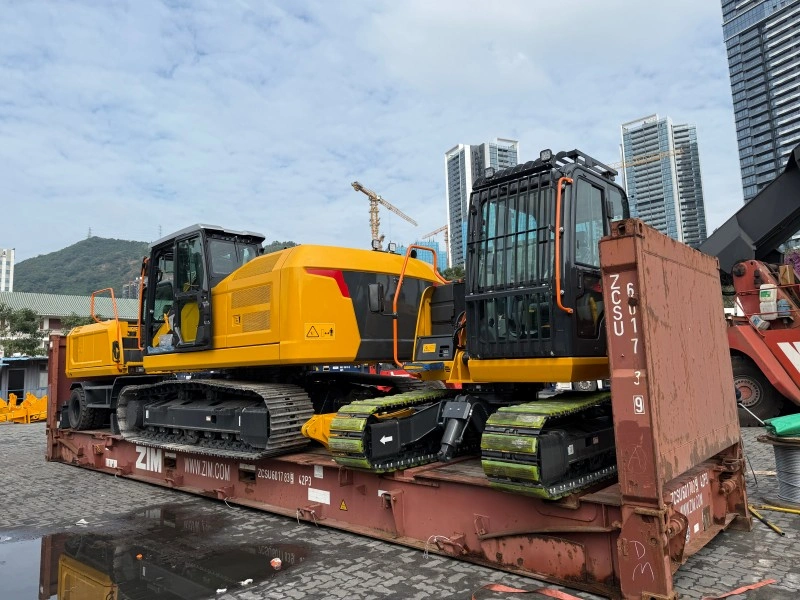
What Are Specialized Trailers for Heavy Equipment?
Heavy equipment trailers are specially-designed platforms that are designed to safely carry heavy, oversized, over-height, over-width, long, irregular, and high-value loads. They offer enhanced load capacity, deck height control, axle layout, loading flexibility and hydraulic adjustments after careful cargo surveys and route feasibility studies as compared to standard flatbed trailers designed for standard freight loads.
| Trailer Feature | What It Means for Heavy Equipment Transport |
| Low Deck Height | Helps reduce overall transport height and improve bridge clearance |
| High Load Capacity | Supports very heavy machinery and industrial equipment |
| Multi-Axle Design | Distributes weight more safely across the road surface |
| Extendable Platform | Supports long cargo such as steel structures or machinery frames |
| Removable Gooseneck | Allows wheeled or tracked machinery to be loaded more easily |
| Hydraulic Suspension | Helps adjust height, balance, and stability during movement |
| Modular Configuration | Allows trailers to be configured for extremely heavy or wide cargo |
Why Standard Trailers Are Not Enough for Heavy Equipment
Regular freight trailers are engineered for normal freight usage and simply do not provide the sturdiness required for heavy equipment transportation. OOG heavy equipment transport should start with accurate cargo information, OOG heavy equipment transport should begin with verified cargo data, route assessment, and the right specialized trailer selection.
Heavy equipment frequently presents challenges that standard trailers cannot accommodate, leading to safety risks, regulatory issues, or operational failures.
| Heavy Equipment Challenge | Why Standard Trailers May Not Work |
| Heavy Gross Weight | Standard trailers may exceed legal or structural load limits |
| Over-Height Cargo | Higher deck height may create bridge or tunnel clearance problems |
| Over-Width Cargo | Standard trailers may not provide enough deck space or stability |
| Long Cargo | Standard trailer length may not support the full footprint |
| High Center of Gravity | Increases rollover and stability concerns |
| Low Ground Clearance | Equipment may be difficult to load without ramps or low deck design |
| Irregular Shape | Requires customized support, blocking, or securing points |
| Route Restrictions | Trailer configuration affects permit approval and road feasibility |
Common Types of Specialized Trailers for Heavy Equipment
There are various types of trailers to suit various cargo profiles and transport conditions; this enables matching of the different heavy equipment shipments with the specific trailer type.
| Trailer Type | Best Used For | Key Advantage |
| Lowbed Trailer | Tall and heavy machinery | Reduces overall transport height |
| Lowboy Trailer | Construction equipment and industrial machines | Provides low deck height and stable loading |
| Extendable Trailer | Long cargo, steel structures, beams, machinery frames | Adjusts platform length to cargo size |
| Step Deck Trailer | Medium-height equipment and machinery | Offers lower rear deck than standard flatbed |
| Multi-Axle Trailer | Heavy cargo requiring weight distribution | Helps meet axle load and road regulations |
| Hydraulic Modular Trailer | Extremely heavy or complex cargo | Allows flexible axle and platform configuration |
| Removable Gooseneck Trailer | Wheeled or tracked equipment | Allows drive-on or easier front loading |
| Ultra-Low Flatbed | Over-height cargo with clearance restrictions | Minimizes total transport height |
Key Trailer Features That Improve Heavy Equipment Transport Safety
The safety of the loading units used in heavy equipment transportation hinges on the structural design, load distribution, stability and complete compatibility with the goods’ nature.
| Trailer Feature | Safety Benefit |
| Low Deck Height | Reduces over-height risk and improves route clearance |
| High Load Capacity | Supports heavy equipment without structural overload |
| Multi-Axle Layout | Distributes weight and reduces road pressure |
| Strong Lashing Points | Provides secure restraint during movement |
| Hydraulic Suspension | Helps balance uneven load and adjust deck height |
| Extendable Platform | Provides proper support for long cargo |
| Removable Gooseneck | Improves loading safety for wheeled or tracked machines |
| Wide Platform | Improves stability for wide machinery where permitted |
| Advanced Braking System | Supports safer movement under heavy load conditions |
| Reinforced Structure | Helps carry concentrated loads and irregular cargo footprints |
How Specialized Trailers Help Manage Weight Distribution
The use of specialized trailers in heavy equipment transport is essential, and it is due to one of the most important reasons that it affects road legality, stability, and overall safety.
| Weight Planning Factor | Why It Matters |
| Gross Weight | Determines trailer capacity, crane needs, and permit requirements |
| Axle Load | Affects road legality and bridge approval |
| Point Load | Prevents excessive pressure on a small deck area |
| Center of Gravity | Helps maintain stability during road movement |
| Load Center | Determines where cargo should sit on the trailer |
| Support Points | Helps distribute load through beams, timber, or supports |
| Deck Strength | Ensures trailer structure can handle the cargo footprint |
| Permit Review | Weight distribution affects approval for oversized transport routes |
Route Clearance and Permit Benefits of Specialized Trailers
The choice of trailer may impact the feasibility of the route for heavy equipment transport and be a legal requirement.
| Route / Permit Factor | How Specialized Trailers Help |
| Overall Height | Low deck trailers reduce clearance problems |
| Bridge Restrictions | Multi-axle design helps distribute weight for route approval |
| Turning Radius | Steering or modular trailers improve maneuverability |
| Road Width | Trailer configuration helps plan lane occupation and escorts |
| Axle Load Limits | More axles reduce pressure per axle |
| Port Access | Suitable trailer height and turning ability support terminal entry |
| Movement Permits | Correct trailer data supports faster approval |
| Escort Planning | Trailer width and route risk help determine escort needs |
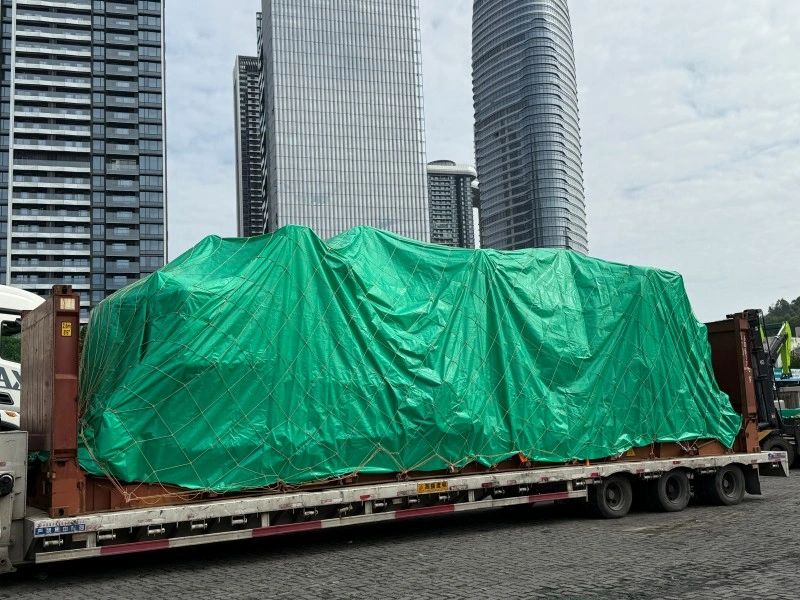
Loading and Unloading Benefits of Specialized Trailers
The loading phase is one of the most critical times during heavy equipment transportation and it can be made easier and more safe to load with specialized trailers.
| Loading Requirement | Trailer Feature That Helps |
| Drive-On Equipment | Removable gooseneck or ramp system |
| Tall Machinery | Lowbed or ultra-low flatbed trailer |
| Heavy Static Cargo | Reinforced deck and multi-axle support |
| Long Cargo | Extendable trailer platform |
| Crane Loading | Open deck and accessible lifting points |
| Uneven Ground | Hydraulic suspension and height adjustment |
| Limited Loading Space | Maneuverable trailer configuration |
| Stable Loading | Proper deck height, support points, and blocking |
Specialized Trailers for Different Heavy Equipment Types
Different types of trailers are designed for different types of cargo; trailer selection should be based on the type of cargo to be carried.
| Equipment Type | Common Trailer Choice | Planning Focus |
| Excavators | Lowbed or removable gooseneck trailer | Deck height, track width, loading angle |
| Bulldozers | Lowboy or lowbed trailer | Weight, blade width, securement points |
| Cranes | Multi-axle or modular trailer | Length, boom components, axle load |
| Transformers | Multi-axle or hydraulic modular trailer | Weight distribution, center of gravity, shock control |
| Mining Equipment | Lowbed, modular, or extendable trailer | Heavy weight, remote route, road conditions |
| Generators | Lowbed or flatbed with supports | Vibration control, weather protection |
| Pressure Vessels | Extendable or modular trailer | Length, support saddles, stability |
| Industrial Machinery | Lowbed or customized trailer | Fragile parts, lifting points, securing design |
| Steel Structures | Extendable trailer | Length, overhang, support points |
How to Choose the Right Trailer for Heavy Equipment
The selection of trailers should be based on a systematic review process, not visual analysis of the trailer alone.
| Selection Factor | Why It Matters |
| Cargo Dimensions | Determines trailer deck size and route clearance |
| Gross Weight | Defines trailer capacity and axle configuration |
| Center of Gravity | Affects stability, load position, and securing plan |
| Loading Method | Determines whether ramps, removable gooseneck, or crane loading is needed |
| Route Conditions | Affects trailer height, turning radius, and axle load planning |
| Permit Requirements | Trailer configuration influences legal approval |
| Site Access | Confirms whether the trailer can enter factory and delivery locations |
| Cargo Sensitivity | Determines need for vibration control or special support |
| Delivery Schedule | Helps plan trailer availability and backup options |
How Specialized Trailers Work with Lashing and Securing Plans
When choosing a trailer, it must be selected so that its cargo will be most stable for the trip.
| Securing Element | Trailer-Related Consideration |
| Lashing Points | Trailer must provide suitable anchor positions and strength |
| Chain / Strap Capacity | Securing equipment must match cargo weight and movement forces |
| Blocking | Prevents cargo from sliding during braking, turning, or vibration |
| Timber / Steel Supports | Distributes weight and protects trailer deck and cargo |
| Anti-Slip Material | Increases friction between cargo and trailer surface |
| Contact Protection | Prevents damage to painted or precision surfaces |
| Load Direction | Securing must account for forward, backward, and side forces |
| Post-Loading Check | Lashing and supports should be inspected before departure |
Cost Benefits and Trade-Offs of Specialized Trailers
Specialized trailers are more expensive initially but can minimize risks, delays, damage, and compliance issues when transporting heavy equipment.
| Benefit | Possible Trade-Off |
| Better Safety for Heavy Cargo | Higher trailer rental or transport cost |
| Lower Overall Transport Height | Trailer availability may be limited |
| Improved Weight Distribution | Permit planning may be more detailed |
| Better Loading Flexibility | Requires experienced operators |
| Reduced Cargo Damage Risk | May need additional route survey or planning time |
| Better Compliance with Road Limits | Documentation and trailer data must be accurate |
| Improved Schedule Reliability | Advance booking is often required |
Common Mistakes When Selecting Trailers for Heavy Equipment
Sometimes, even the most experienced shippers miss things that cause issues downstream.
| Mistake | Possible Consequence |
| Choosing by Price Only | Higher risk of damage, delay, or permit failure |
| Estimated Dimensions | Wrong trailer selection or route clearance issue |
| No Center-of-Gravity Review | Instability during movement or loading |
| Ignoring Axle Load | Permit rejection or road safety problem |
| No Loading Site Check | Trailer may not be able to enter or position properly |
| Weak Lashing Points | Cargo may not be secured safely |
| No Route Survey | Bridge, turning, or clearance problems may occur |
| No Backup Plan | Equipment failure may cause major schedule delay |
What Shippers Should Provide Before Trailer Selection
Information regarding cargo and site is critical for logistics teams to choose the appropriate trailer for transporting heavy equipment.
| Information to Provide | Why It Helps |
| Cargo Dimensions | Determines trailer size, deck height, and route clearance |
| Gross Weight | Defines trailer capacity and axle configuration |
| Final Packed Size | Prevents mismatch between actual cargo and selected trailer |
| Center of Gravity | Supports safe load positioning and securing |
| Lifting Points | Helps plan crane loading or unloading |
| Loading Method | Determines ramp, drive-on, or crane loading requirements |
| Cargo Drawings | Supports trailer layout and route planning |
| Photos / Videos | Reveals protrusions, fragile areas, and access issues |
| Site Access Details | Confirms whether the trailer can enter and maneuver |
| Delivery Schedule | Helps reserve suitable trailer and backup resources |
| Protection Needs | Supports packaging, covering, and vibration-control planning |
Common Misunderstandings About Specialized Trailers
There are a few misconceptions that can cause poor decision making when planning heavy equipment transportation.There are a number of misconceptions that can result in poor decisions when planning heavy equipment transportation.
- The term heavy duty” trailer does not always apply to OOG cargo.
- Lower deck height can be more important than trailer strength for over-height cargo.
- Not only are more axles for heavier loads, but they also have an impact on road access and load distribution.
- Route, permits and loading site conditions must be taken into account when selecting a trailer.
- Availability of trailers should be ascertained early for oversized and time sensitive shipments.
- Trailer safety does not cover cargo safety; there must be ways to secure and plan routes, and supervise.
- The “cheap” trailer choice might end up being more expensive in the long run if there are delays, rejections, and/or damage issues.
Conclusion — Specialized Trailers Are Central to Safe Heavy Equipment Transport
A crucial component to any successful heavy equipment transportation is the specialized trailer, but it must be chosen within the framework of a comprehensive logistics plan. This matching process allows shippers to identify potential transport risks and reliability risks that could be avoided by matching the trailer to the cargo, the vehicle’s size and loading requirements, the route restrictions, and the permit requirements. The uses of lowbed, extendable, multi-axle, modular and removable gooseneck trailers are each distinct but complement route planning, lashing, permitting, on-site cargo protection, and supervision.