
On open top containers, the roof is not determined by steel, and thus cargo remains directly exposed to the elements during transit; stacking of cargo on a port, or even during the ocean transits. Water infiltration can be caused by even minor amounts of rain or water: even an average amount of rain can cause severe damage on metal pieces, electrical malfunctions of the sensitive equipment, appearance of mold on the uncover surfaces, and instability due to the presence of water. Most shippers believe that a generic tarpaulin thrown over the cargo will be just enough to cover it. Practically this is most times insufficient- edges can be blown off, water gathered in low places, and cracks enable an entry, and long exposure will convert the trivial into the gigantic.
Rain protection of an open top cargo cannot be achieved by the use of temporary covering, which has to be underpinned with structural reinforcement, engineered sealing, and weather exposure planning. Based on the experience of dealing with weather-sensitive oversized shipments over the years, the emphasis should be put on proactive multi-layered approaches that would respond to the actual circumstances in the transportation.
For more on overall planning, see our guide to weather-protected open top cargo transport.
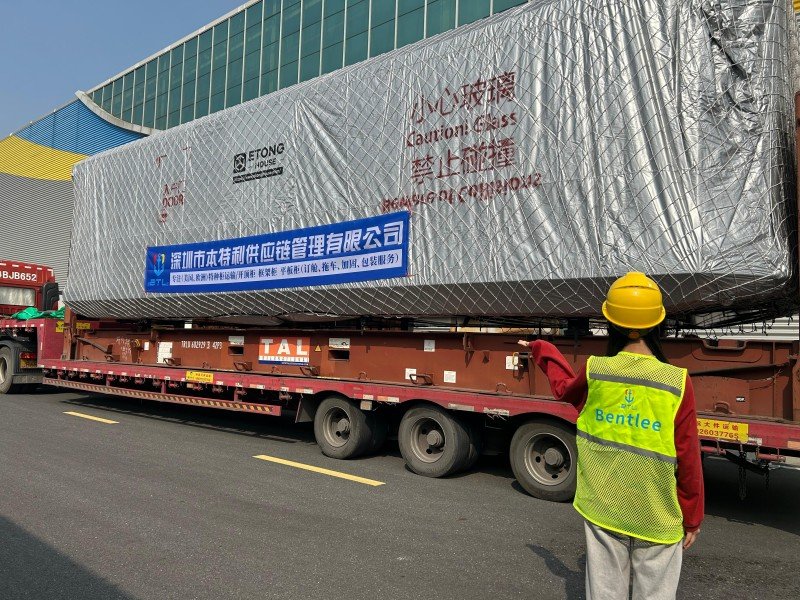
Why Rain Exposure Is a Major Risk in Open Top Shipping.
In open top shipments and in OOGs, the rain exposure is one of the leading causes of cargo claims, and it is often due to the risks which accumulate in various points of the trip.
The highest rainfalls occur during the port storage as containers are exposed over days before they are loaded on vessels. The rain occurs by the effect of wind and pushes water through even small holes and so into the water deeper than what occurs through vertical rain. Transits Over time, particularly over equatorial or monsoon routes, repeated exposure to tropical winds or relentless drizzle, and additional turnover time in transshipment ports in erratic weather causes unnecessary handling. Ocean waves cause salt water, which enhances corrosion at an extremely rapid rate than the rain in fresh water.
| Risk Factor | Potential Damage |
| Direct rainfall | Surface corrosion, paint degradation |
| Wind-driven rain | Internal water penetration, hidden leaks |
| Standing water | Structural stress, cover tearing |
| Salt exposure | Accelerated oxidation, pitting on metals |
These are increased in the process of transshipment, where delays may create a wide range of exposure in hours and weeks.
Standard Tarpaulin Cover: Capabilities and Limitations
Basic weather protection is provided by standard tarpaulins which are provided with open top containers, but they have very obvious engineering limits which begin to manifest themselves on longer or harsher journeys.
factory tarpaulins are normally of waterproofing material, the PVC or polyethylene, which has a good hydrostatic head rating and is fastened by means of perimeter ropes using grommets or D-rings. They can be effortlessly installed and maintain a low weight so that they can be easily handled.
However, our shortcomings come at the fringes, angles, and knotting points which easily flutter in the strong winds and open holes that allow the intrusion of the water. When tension is poor, it causes sagging and this results in weight and strainful pooling.
| Feature | Advantage | Limitation |
| Waterproof fabric | Basic rain protection | Limited wind resistance |
| Edge rope system | Quick installation | Gap formation possible under movement |
| Lightweight design | Easy handling | Prone to uplift and tearing in storms |
Cargo that is delicate or valuable such as electrical equipment or delicate machinery depends hardly at all on the standard tarpaulin when covering a long distance.
Reinforced Tarpaulin and Secondary Cover Systems
In the transitions across the oceans or even the high rainfall areas, it is critical to have the reinforced systems to maintain the integrity.
The setups here are double layered where the main tarpaulin is combined with the secondary waterproof layer with a heavy weight material beneath the main one, and usually this second waterproof layer is UV-stabilized to allow the tarpaulin to endure a long period under the sun. Over the cover- Cross-lashing can be made to cut tension and counter wind uplift across the cover by use of ratchet straps or extra webbing. Certain projects use perimeter battens or edge bars as a way of fixing overlaps.
Reinforcement is essential in:
- Multi-week sea routes.
- Climates of tropics or monsoon climate.
- Sensitive electrical or electronic equipment that can be affected by moisture of any kind but even traces.
The upgrades make a simple cover more effective in retarding the direct rain and driven spray.
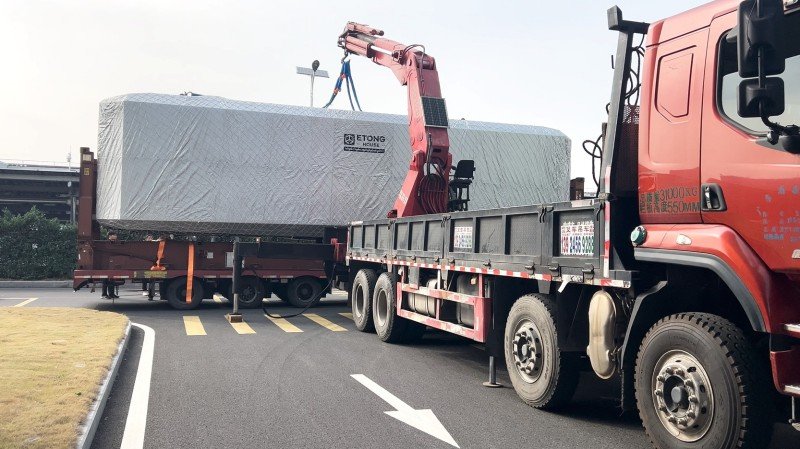
Sealing Techniques to Prevent Water Ingress
The most effective barrier of hidden ingress that brings about the most destructive internal damages is the sealing.
Begin by closing overlaps at the corners and at the seams of seams using waterproof tape that is available in marine grade butyl or acrylic. Ensure the extensions of edge overlaps are generous (at least 3050 cm) than the footprint of the cargo and then tighten edge overlaps by cross-tensioning them to remove billowing. Purposely add a drainage ROP by modifying the height of the load or provisional ridges such that the water flows and not becomes pooled.
| Sealing Method | Purpose |
| Waterproof tape | Close edge gaps and seams |
| Overlap extension | Prevent wind entry at sides |
| Cross tensioning | Reduce uplift and flapping |
| Drainage slope | Avoid pooling water on surface |
The worst problems are usually the ones that occur as a result of improper sealing: the sneak-thief water gets in without leaving any trace, gets into protective wraps, and corrodes or goes short way before anyone can notice the signs of it.
Structural Support to Prevent Water Pooling
There is not even the finest tarpaulin that functions when water gathers-pooling causes unhealthy, pressing-down stress, strains fabric, and can cause tears.
Put in place temporary support beams or arch framing that are below the cover to ensure the slope is consistent. They should be placed in the strategic position with no flat running. Load-bearing capacity taken into consideration to ensure that cargo and container remain stable.
This measure deters the ponding effect encountered in most of the ineffective plaint as the covering would sink where the rain would accumulate.
Corrosion Prevention for Metal Cargo
Metal parts that are used in heavy equipment and industry machines may require a specific type of protection that is not obvious through physical covers.
Rub anti-rust earth or grease on an exposed surface prior to wrapping. Apply vapor corrosion inhibitor (VCI)6 -papers or movies that give off protective molecules to couple off rust-creating conditions within enclosed spaces. Install desiccants in strategic locations in order to manage remaining humidity.
- Anti-rust oil -Steel structures and machined surfaces.
- VCI wrapping —Machinery components, electric enclosures.
- Desiccants -Sealed regions or spaces.
- Shrink wrapping Long-term exposure scenarios.
These with outer closures can be combined to provide multiple barriers to intrusion as well as internal condensation.
Port Storage and Transit Considerations
Rain exposure is not restricted to the vessel, but on land there is high exposure to risk.
Cargo is exposed to long waiting times particularly in wet season ports. The problem is further compounded by transshipment delays, and the seasonal nature of the routes (monsoons, typhoons), which require route-specific planning. Inland trucking following discharge can even strike sudden storms.
Establish buffers in schedules and demand weather check standards between the place of origin all the way to the final delivery point.
Common Mistakes in Rain Protection Planning
It is practice which proves that the same mistakes reoccur on project after project, and may easily cause unnecessary harm.
It is omitting the aspects of wind and time by covering the long trips with a single layer tarp. Passing over drains will be welcoming to pooling. Weak edge reinforcement: The gaps may open under motion. Ignoring the aspect of corrosion protection exposes internal surfaces of metal. Leaving covers inspection and re-tension without checking before sailing lacks an early warning.
The results are rust pitting which costs a lot to fix, electrical failures that stop commissioning, legal battles over insurance over the exposure that could easily have been avoided and delays in shipments which cascade on to project schedules.
Conclusion — Rain Protection Requires Engineered Planning
Open top cargo needs to have protection against rain, which requires organized engineering, strengthened cover designs and corrosion control measures. In the international transport of OOG, weather damage can be identified by close sealing, structural support, drainage planning, and environmental assessment, which can seriously mitigate the risk of such damage.
The trick is in the fact that the idea of protection should be viewed as a part of the logistics chain, at every point the exposure needs to be evaluated, more extensive softening ways should be applied, and verification by departure is necessary. When not, they convert a known vulnerability into a managable and low-risk component of oversized cargo transportation.