blog

blog

The Role of 3D Load Planning in Heavy Equipment Transportation

3D load planning plays a critical role in heavy equipment transportation by simulating weight distribution, center of gravity, and securing strategies before loading begins. This guide explains how engineering-based load modeling reduces transport risks, improves compliance, and enhances operational efficiency for oversized and high-value machinery.

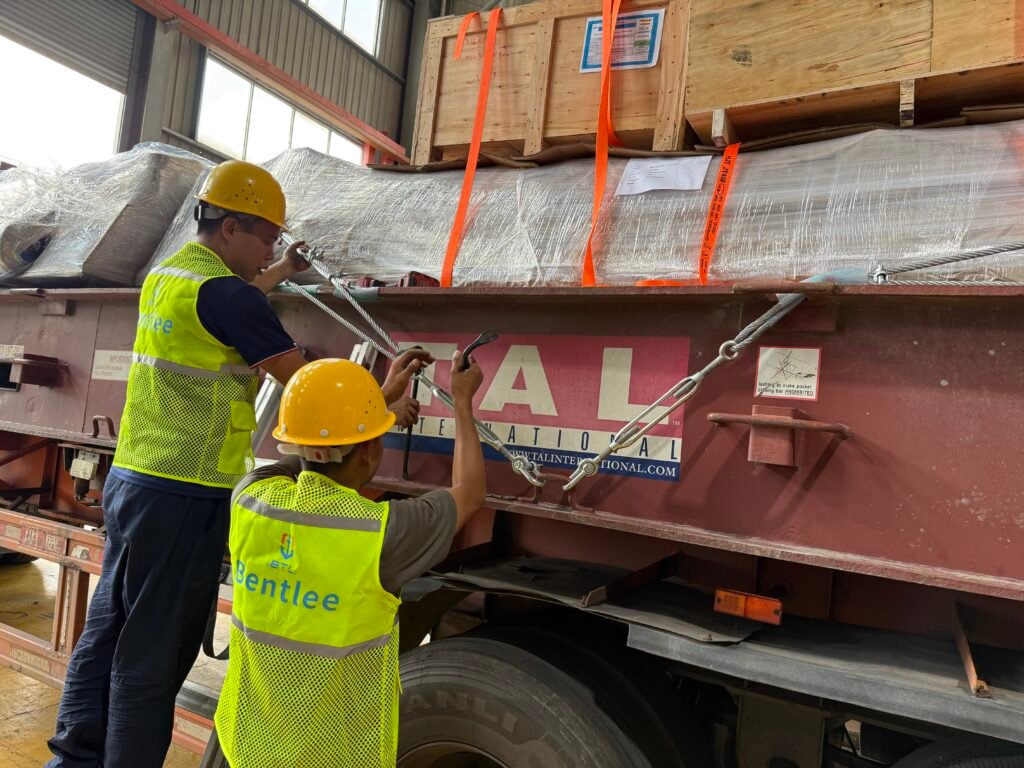
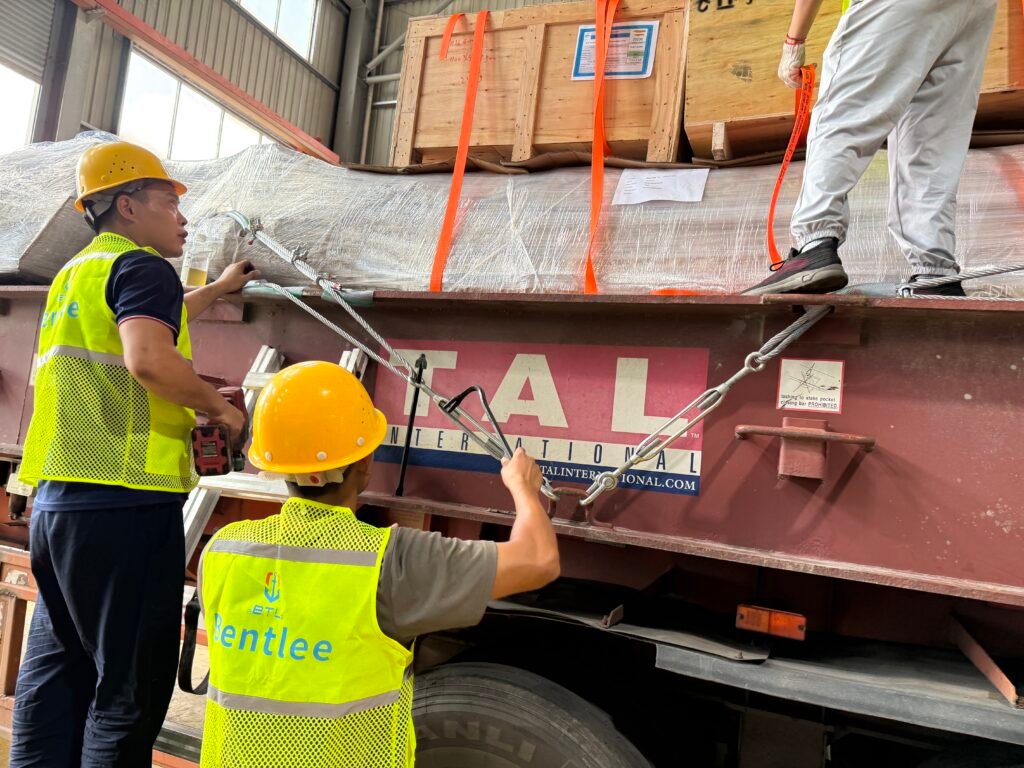
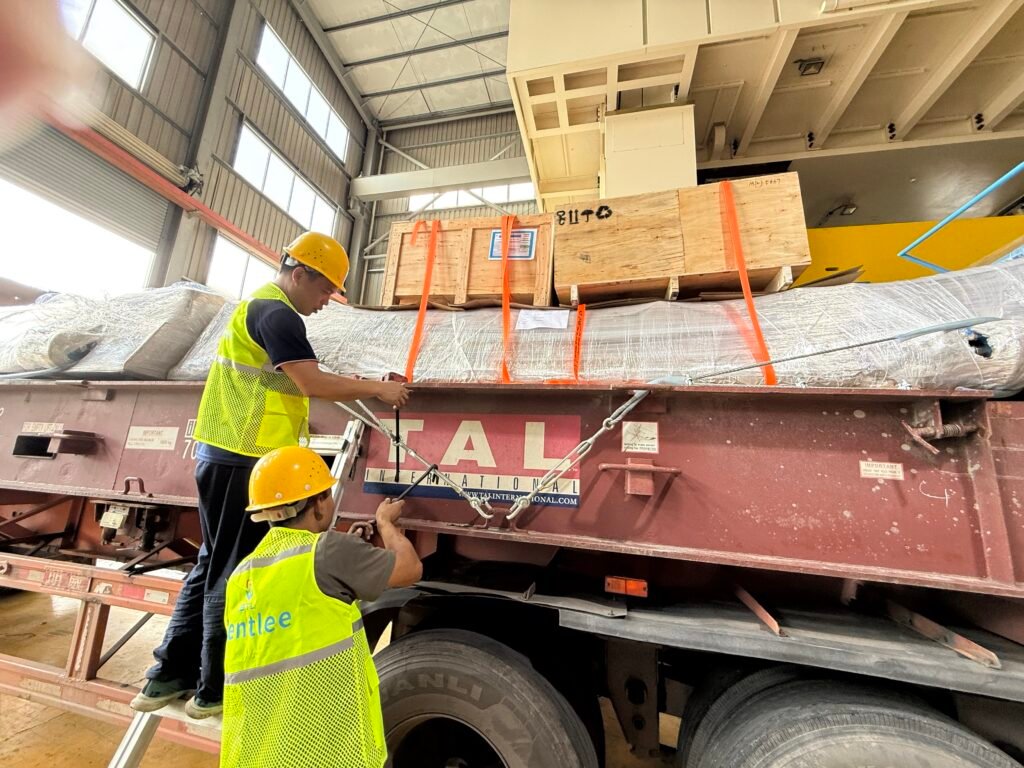
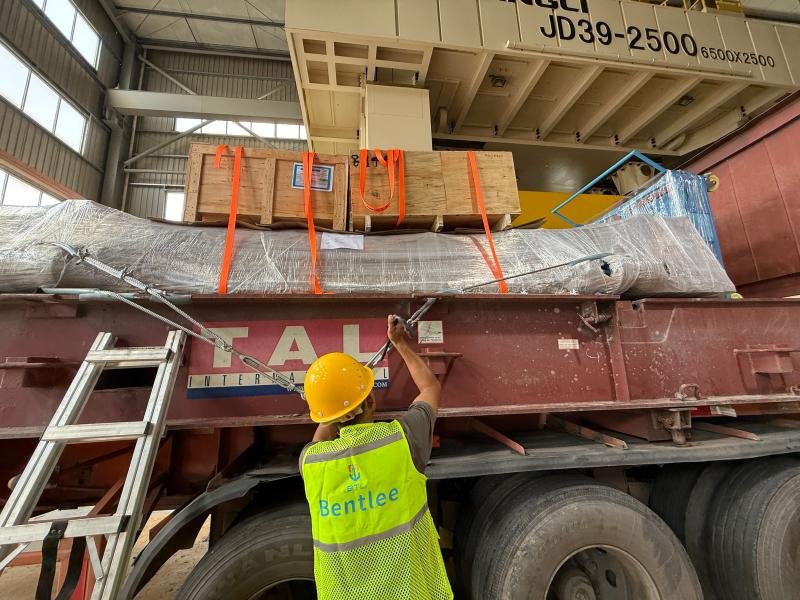
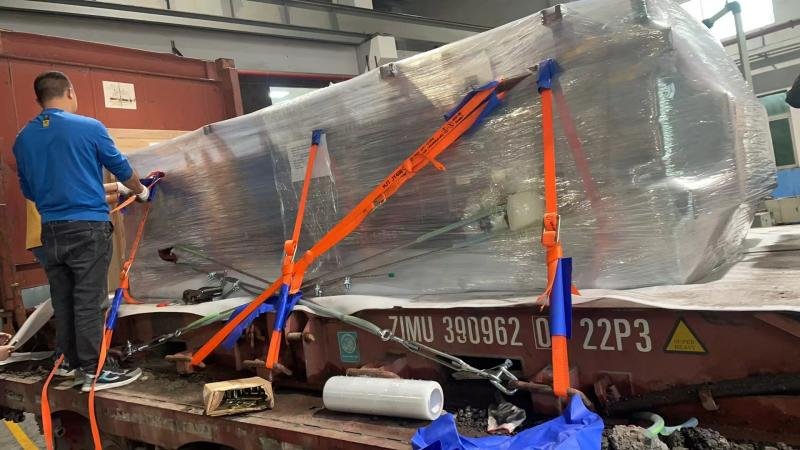
Workers tightening wire ropes and chain fittings on a flat rack container before shipment
blog

How to Prevent Cargo Shifting During Ocean Transport

Cargo shifting during ocean transport is a common cause of damage and delay, yet most incidents are preventable. This article explains why cargo moves at sea, how securing failures occur, and what planning and execution steps can effectively reduce shifting risk through better load restraint, friction control, and system-level design.

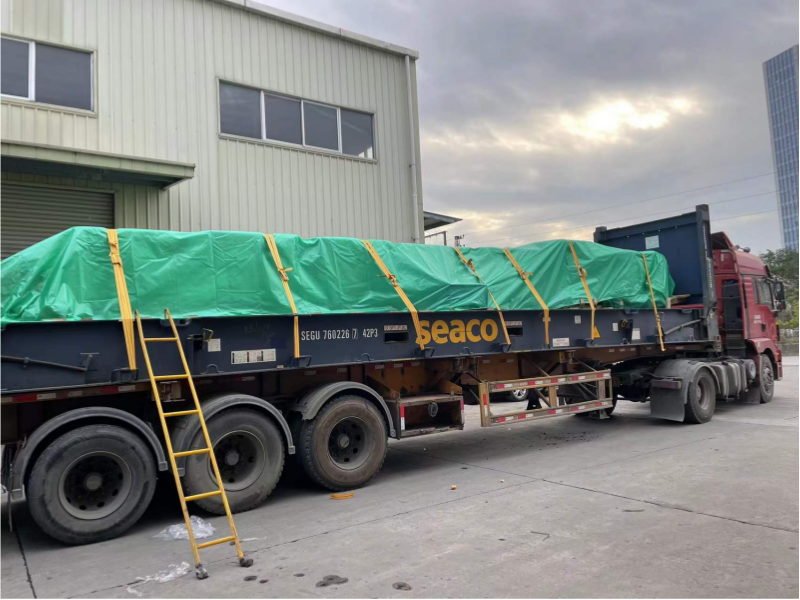
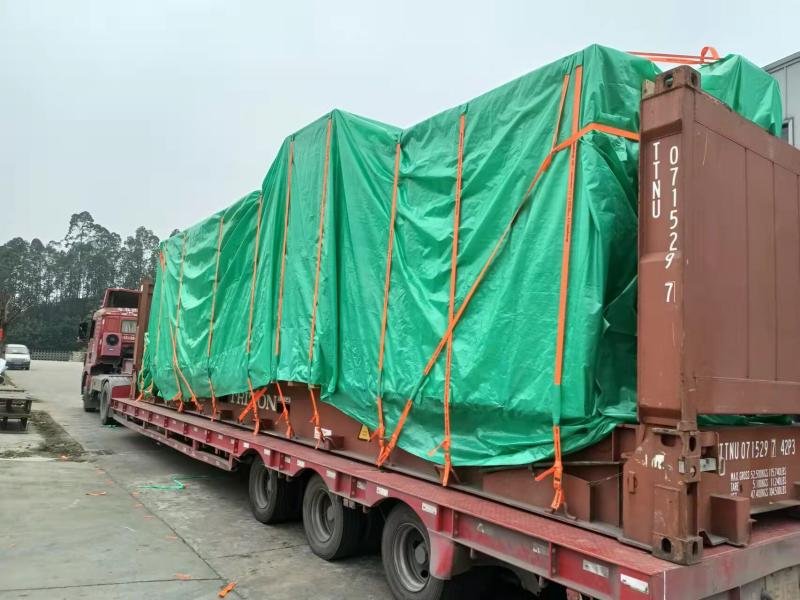
Lowboy trailer with green tarp and yellow straps parked outside a factory, labeled SEGU 760226, ready for long-haul mold shipping.
blog

Why Center-of-Gravity Analysis Matters in Large Mold Transport

Center-of-gravity analysis plays a critical role in transporting large industrial molds safely. This article explains why visual balance assumptions often fail, how uneven load distribution creates hidden structural risk, and why engineering-based center-of-gravity analysis is essential to preventing deformation, alignment issues, and transport-related mold damage.

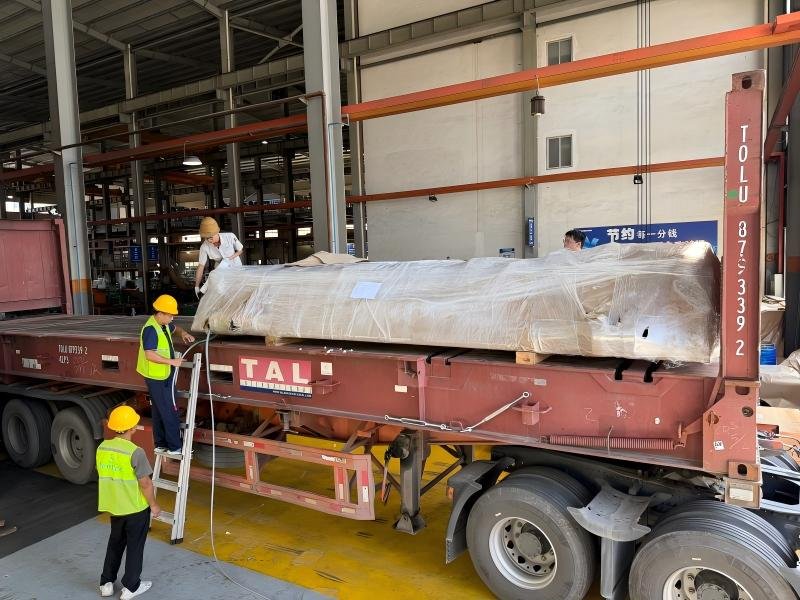
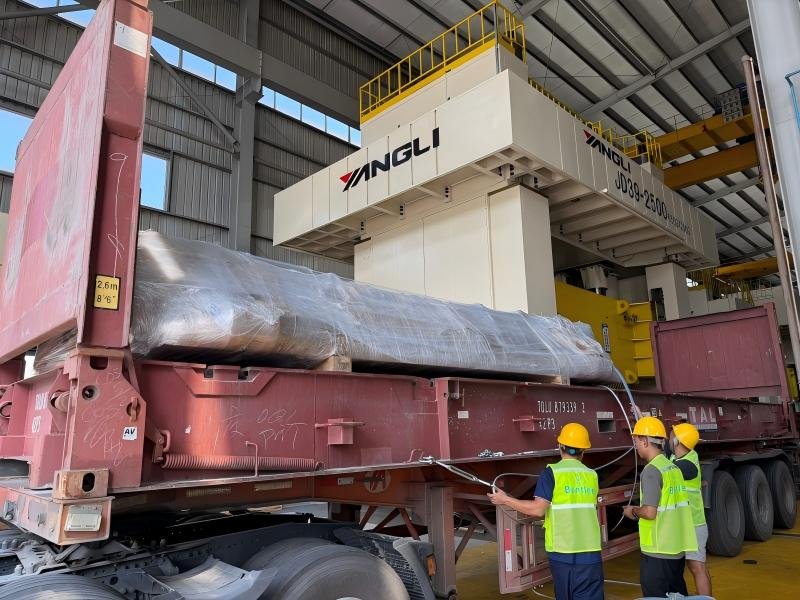
Three workers in high-visibility vests and yellow hard hats are securing a large industrial mold wrapped in protective plastic onto a red flatbed trailer inside a warehouse. One worker stands on a ladder adjusting the load, while two others monitor the process. The scene highlights proper handling procedures during mold transportation to prevent damage.
blog

Common Risks in Large Mold Transportation (And How to Prevent Them)

Large industrial molds face predictable risks during transportation, including structural stress, vibration damage, moisture exposure, and compliance failures. This article outlines the most common risks in large mold transportation and explains how engineering-led planning and execution discipline can significantly reduce mold damage and production disruption.

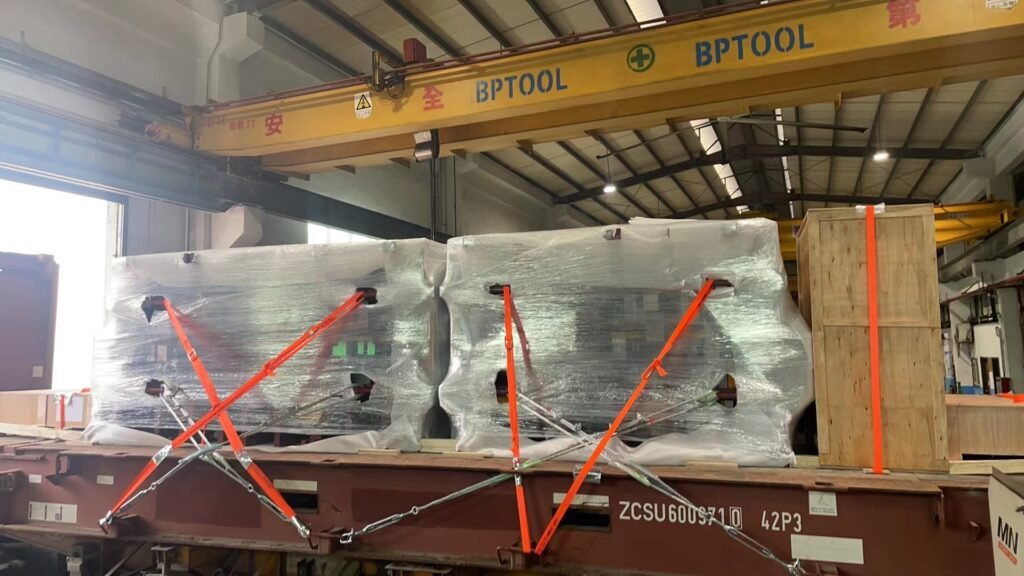
A large injection mold securely suspended by custom-fabricated lifting beams and slings aligned with its engineered lift points, mounted on a lowboy trailer.
blog

How to Transport Large Injection Molds Safely and Without Damage

Transporting large injection molds requires more than heavy equipment—it demands precision planning, risk control, and protective handling. This article explains how improper transport leads to damage and downtime, and outlines the technical, procedural, and protective measures required to move large injection molds safely and without production risk.

滚动至顶部