
The relocation of factories is not only dependent on the distance of transportation. It involves site survey, dismantling, lifting, packaging, equipment protection, transport mode, permits, labor coordination, insurance, installation and control of production downtime etc. depending on the scope of the full relocation. An effective budget should be developed based on the entire project process instead of thinking of the move as simply a freight shipment.
Many businesses will shop around for the factory relocation quote as they would for regular trucking. In fact, two quotes can encompass completely different amounts of services—from detailed site surveys, through proper dismantling, to specialized packaging, lashing, permits and insurance, to destination handling and post-move support. We have seen projects where these were not considered and a seemingly economic quote ended up in a much higher total cost once the hidden costs were discovered at Bentlee.
Why Factory Relocation Costs Vary So Much
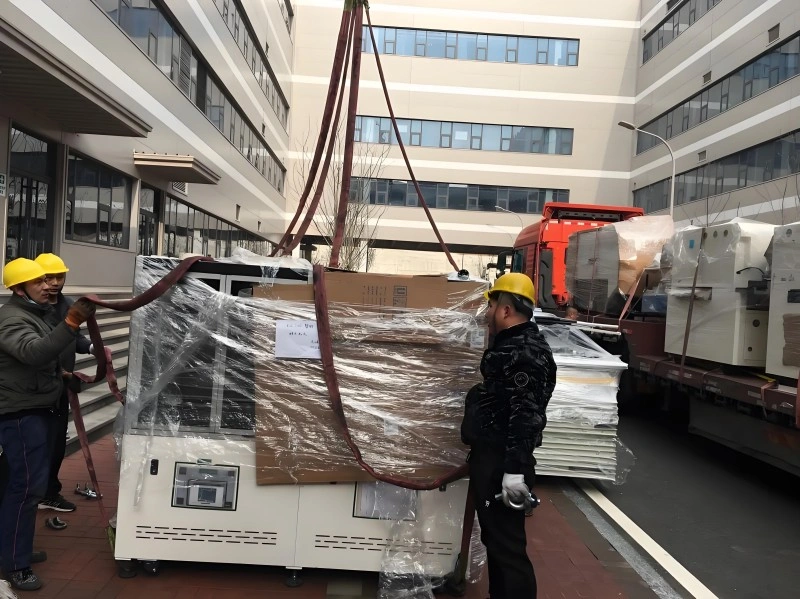
Factory relocation costs vary widely because every project involves unique equipment, site conditions, production schedules, risk profiles, and destination requirements.
Accurate budget planning for factory relocation should begin with a detailed site survey, complete equipment list, route review, packaging plan, and clear definition of responsibilities. Factors such as the number of machines, their size and weight, dismantling needs, origin and destination site access, required lifting equipment, transport distance and mode, packaging standards, permits, and downtime expectations all drive the final number.
Here is an overview of the main cost drivers:
| Cost Driver | Why It Changes the Budget | Example |
| Equipment Quantity | More machines require more labor, packing, and transport capacity | Moving one CNC machine vs an entire production line |
| Equipment Size and Weight | Larger equipment needs cranes, lowbed trailers, or OOG transport | Heavy presses, injection molding machines, large molds |
| Site Access | Narrow doors, weak floors, or limited loading space increase complexity | Extra dismantling or special rigging |
| Dismantling Needs | More disassembly requires technical labor and labeling | Removing panels, pipes, cables, or foundations |
| Transport Mode | Road, container, flat rack, breakbulk, or multi-modal transport vary in cost | Domestic move vs overseas relocation |
| Packaging Level | Export or anti-rust packaging adds material and labor cost | Vacuum sealing or wooden crating |
| Downtime Control | Faster or phased moves may require more coordination | Weekend work or temporary production plans |
Cost Factor 1: Pre-Move Site Survey and Project Assessment
Site surveys can seem like an up-front cost, but they prevent so much more costly error along the way.
Our team dimensions and weights equipment, checks centers of gravity, verifies access points at the origin and destination, assesses loading areas, evaluates access to the route, checks lifting requirements and potential hazards during the survey. This is directly beneficial to offer prompt and accurate quotations and minimize final changes that increase prices.
| Survey Item | How It Affects Cost | Budget Value |
| Equipment Measurement | Determines trailer, container, and handling method | Prevents wrong transport selection |
| Weight Verification | Affects crane, forklift, trailer, and permits | Reduces overload or safety risk |
| Site Access Check | Identifies access restrictions | Avoids last-minute dismantling or construction work |
| Destination Readiness | Confirms whether installation can happen on arrival | Reduces waiting and storage costs |
| Route Review | Identifies permit, escort, or clearance needs | Prevents route changes and delays |
| Risk Assessment | Highlights packaging, insurance, or supervision needs | Improves budget accuracy |
Cost Factor 2: Equipment Size, Weight, and Complexity
The characteristics of the equipment are still one of the most significant factors determining the cost of factory relocations. Standard machines may be able to be transported in a conventional way while oversized, heavy and precision equipment requires special handling which can greatly increase the cost.
| Equipment Characteristic | Cost Impact | Why It Matters |
| Heavy Weight | Requires higher-capacity lifting and transport equipment | Increases crane, forklift, trailer, and labor needs |
| Oversized Dimensions | May require permits, special routes, or OOG shipping | Adds planning and compliance cost |
| Precision Structure | Needs shock control and careful handling | Reduces risk of hidden damage |
| Irregular Shape | Complicates loading and securing | May require custom blocking or bracing |
| High Equipment Value | Requires stronger protection and insurance | Reduces financial exposure |
| Sensitive Components | Requires special wrapping or removal | Protects controls, sensors, and electrical systems |
Cost Factor 3: Dismantling, Labeling, and Preparation Work
The cost of relocation and the time for the production restart are directly affected by the preparation.
Skilled technicians and time are needed for safe shutdown, utility disconnection, component labelling, packaging accessories and condition documentation. Failing to take these steps can result in damage, missing components or prolonged downtime.
| Preparation Task | Cost Impact | Risk If Skipped |
| Utility Disconnection | Requires technical labor and safety procedures | Electrical, leakage, or equipment damage risks |
| Component Labeling | Adds labor time but improves reinstallation | Confusion and longer restart time |
| Accessory Packing | Requires packing materials and inventory control | Lost tools, fixtures, or parts |
| Partial Dismantling | Requires skilled technicians and time | Equipment may not fit through access routes |
| Condition Documentation | Adds inspection and photo record time | Harder to prove damage responsibility |
| Technical Supervision | Adds expert labor cost | Reduces costly handling mistakes |
Cost Factor 4: Lifting, Rigging, and Handling Equipment
Lifting and handling cost will vary according to machine weight, centre of gravity, site size and safety considerations.
Each type of forklift equipment—whether it’s for smaller loads, mobile cranes for heavy loads, gantry systems for indoors use, or short-distance equipment skates for short distances—has associated rental, labour and set-up costs.
| Handling Requirement | When It Is Needed | Cost Consideration |
| Forklift Handling | Smaller equipment or packed components | Capacity, fork length, operator skill |
| Crane Lifting | Heavy or large machinery | Crane size, lifting radius, rental time |
| Gantry System | Indoor areas with limited crane access | Setup time and specialized labor |
| Machinery Skates | Short-distance movement inside factories | Floor condition and load capacity |
| Hydraulic Jacking | Raising or positioning heavy equipment | Synchronized lifting and safety control |
| Rigging Gear | All heavy lifts | Must match load and lifting points |
Cost Factor 5: Packaging, Protection, and Damage Prevention
Proper packaging and protection are investments which are almost always a wise investment; they prevent damage, rust or delay production.
The question of how much protection you need depends on the sensitivity of the equipment being transported, length of time and the environment encountered, from basic wrapping to full wooden crating, vacuum sealing, VCI materials, desiccants and shock pads.
| Protection Method | Typical Use | Cost Reason |
| Basic Wrapping | Dust and scratch protection | Low material cost, basic protection |
| Wooden Crating | Components and fragile accessories | Material, labor, and crate design |
| Steel Frame or Skid Base | Heavy or irregular machinery | Structural support and fabrication cost |
| Vacuum Sealing | Rust-sensitive equipment | Specialized material and sealing process |
| Desiccants | Long-distance or ocean transport | Humidity control inside packaging |
| VCI Materials | Exposed metal surfaces | Anti-rust protection for long transit |
| Shock Pads | Precision machinery | Reduces vibration and impact risk |
| Control Panel Protection | Screens, sensors, electrical cabinets | Prevents costly electrical damage |
Cost Factor 6: Transport Method and Distance
The cost of transportation varies with the nature of the goods, the route, the size of the equipment, the mode of transport and the speed with which it is required.
Bentlee has a dedicated fleet of specialty trailers and ultra-low flatbeds that we use specifically for these difficult moves and are able to choose the best and safest option for each job.
| Transport Method | Suitable For | Cost Factors |
| Standard Trucking | Normal-sized packed equipment | Distance, vehicle type, labor, schedule |
| Lowbed Trailer | Tall or heavy machinery | Trailer type, permits, route restrictions |
| Ultra-Low Flatbed | Oversized equipment with height limits | Specialized vehicle availability and route planning |
| Standard Container | Equipment within container limits | Packing, loading, freight, destination handling |
| Open Top Container | Tall machinery loaded by crane | OOG charges, crane loading, rain protection |
| Flat Rack Container | Wide, heavy, or irregular machinery | Lashing, blocking, port approval, ocean freight |
| Breakbulk Shipping | Cargo unsuitable for containers | Port handling, vessel schedule, lifting plan |
| Multi-Modal Transport | Long-distance domestic or international moves | Coordination across road, port, sea, and destination delivery |
Cost Factor 7: Permits, Compliance, Customs, and Documentation
This is particularly relevant for oversized goods, cross-border shipments, hazardous items or used equipment.
The costs and timings of the road permits, oversized cargo approvals, escort vehicles, port clearances and relevant customs documents are all additional costs and considerations.
Cost Factor 8: Labor, Contractor Coordination, and Project Management
One of the biggest, but least obvious, expenses in a factory move is downtime. Production loss, order delays, idle workers and urgent actions can very easily surpass the budget of the logistics department.
Cost Factor 9: Production Downtime and Business Interruption
Downtime often represents one of the largest yet least visible costs in any factory relocation. Lost production, delayed orders, idle labor, and expedited measures can quickly exceed the logistics budget itself.
Hidden Costs Companies Often Overlook
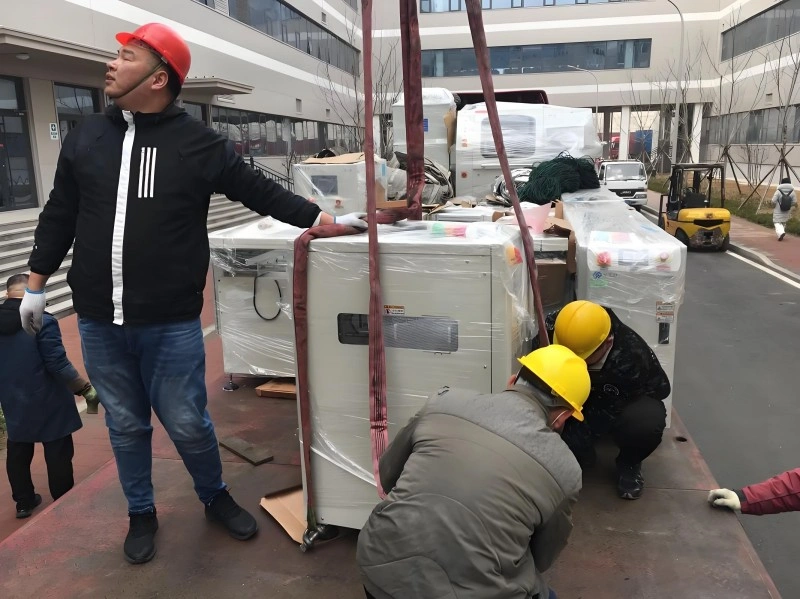
Many so-called low quotes will fail to include all of the components that will only be seen as additional costs and losses once the job has been completed.
How to Compare Factory Relocation Quotes Fairly
Narrow down quotations by scope of work, risk coverage as well as assigned responsibilities, not by just the price. Discuss what is covered and what is not covered, coverage survey, packaging standards, insurance limits, and post-move support.
Practical Tips to Control Factory Relocation Costs Without Increasing Risk
The best methods for cost control involve eliminating uncertainty and rework, rather than reducing necessary safety or protection measures.
- Start planning early
- Carry out comprehensive site evaluations
- Make full and accurate equipment information.
- If applicable, think about phased relocation.
- Label each component correctly
- Take the appropriate packaging and transport solution
- Plan the target area thoroughly ahead of time
- Create reasonable schedule buffers.Develop realistic buffers in the program.
- Analyse offers and alternatives in detail
Conclusion — Factory Relocation Cost Planning Should Focus on Total Project Risk
With a clear project scope from the outset, relocation cost becomes much more manageable for the factory. Companies invest time in documentation, surveys, appropriate dismantling and lifting plans, suitable packaging and transport and destination readiness, which will protect the machinery, reduce surprises and enable the production to be restarted faster and more safely.
It’s important to consider the full picture when planning factory relocation costs, as you will get better value from a considered, comprehensive approach than from the ‘lowest quote wins’ mentality.