
Hazardous goods handling requirements must be addressed and along with that, the shipment needs to be temperature safe during its storage, loading, transit, transfer, and delivery process. Shippers must evaluate the cargo’s temperature requirements before any movement, review the stability data from the SDS/MSDS, check for compatibility of cargo and packaging, and plan for monitoring and emergency response. Exposure to inappropriate heat, cold, humidity, vibration or prolonged periods can cause pressure to build up, chemical breakdown, leakage, vaporizing, and even fire hazards, all of which are more than just product spoilage problems.
Safe handling of temperature sensitive hazardous goods is a risk-control process that is started prior to packing and until the goods are received at the destination. While this is true for cold chain pharmaceuticals or perishables, some dangerous goods require temperature control to prevent damage from heat, freezing, sunlight, temperature fluctuations, and extended transit times at ports or warehouses. It’s a correct approach to protect people, assets and compliance from the beginning.
What Is Temperature-Sensitive Hazardous Cargo?
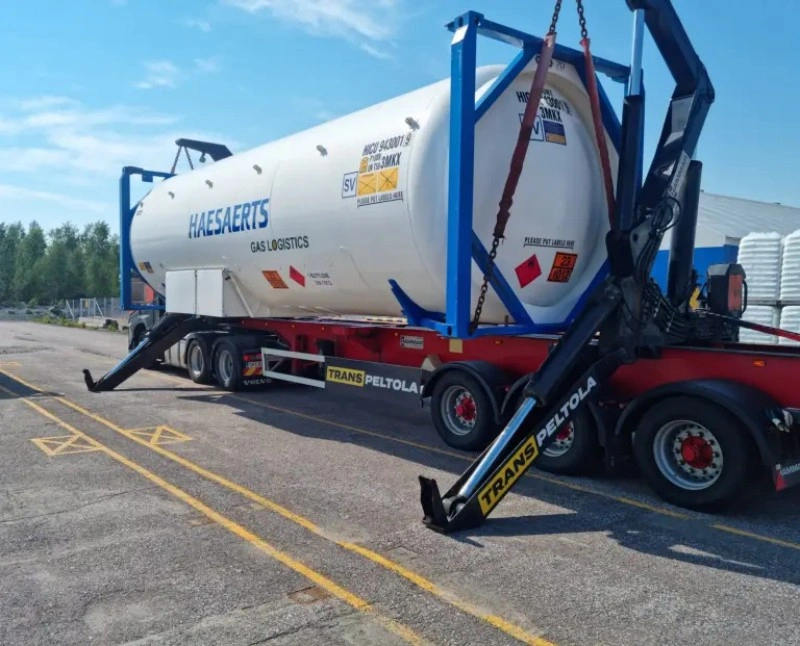
Temperature-sensitive hazardous cargo are dangerous goods that can be affected by changes in temperature, relative humidity, or environment in which they are transported, due to their chemical stability, packaging or safety profile. Not all hazardous materials qualify for being in this category, but those that do have regulatory hazard-class requirements as well as a very strict temperature tolerance requirement that will need to be adhered to from point of origin to destination.
The difference is significant because general refrigerated cargo places its main emphasis on the product quality, while temperature-sensitive dangerous goods bring their own level of safety requirements, containment and emergency responsibilities. Always refer to the SDS/MSDS of the cargo, stability data, hazard class, packaging group, and manufacturer’s instructions of handling the cargo. These documents indicate if the material has a tendency to increase vapor pressure when heated, expand when frozen or if it initiates a reaction upon being frozen.
| Cargo Type | Temperature Concern | Possible Risk |
| Flammable Liquids | Heat exposure and vapor pressure | Leakage, vapor release, fire risk |
| Organic Peroxides | Temperature instability | Decomposition or reaction risk |
| Aerosols / Pressurized Goods | High temperature | Pressure build-up or rupture |
| Certain Pharmaceuticals | Heat or freezing | Loss of stability or usability |
| Reactive Chemicals | Temperature fluctuation | Unwanted reaction or degradation |
| Corrosive Liquids | Freezing or overheating | Container stress or leakage |
In reality, examining these factors early can avoid unexpected events downstream, and ensure that all parties along the supply chain consider both hazard and temperature management when handling the shipment.
Why Temperature Control Matters in Hazardous Cargo Transport
Temperature control is not just a quality concern for temperature sensitive hazardous products, it actually has a direct impact on safety, packaging performance, regulatory compliance and the entire shipment success. If the conditions start to get out of the safe range, the chemical reactions can speed up, the vapor pressure can increase, and containment systems can malfunction, and it’s no longer a routine move.
When chemical hazards are combined with stringent temperature restrictions, professional hazardous cargo handling starts by helping shippers assess packaging, route exposure, monitoring requirements and emergency response before shipment. Chemical stability in heat or cold, vapor pressure variation causing stress to drums or IBCs, risk of leakage causing environmental and/or fire hazards and decreased handling safety for terminal/warehouse personnel are important concerns. These shipments are also subjected to closer examination by the carriers and authorities, sometimes with the help of documentation of temperature control measures before they can be accepted.
| Temperature Risk | Possible Impact During Transport |
| Excessive Heat | Increased vapor pressure, fire risk, packaging stress |
| Freezing | Expansion, container damage, separation, or quality loss |
| Temperature Fluctuation | Condensation, instability, or material degradation |
| Direct Sunlight | Localized overheating and packaging weakening |
| Long Port Dwell Time | Extended exposure to uncontrolled conditions |
| High Humidity | Label damage, packaging deterioration, corrosion risk |
These are all known to be factors that can cause rejected bookings, expensive delays or, in the extreme, problems for crews, cargo and the environment.
Pre-Shipment Temperature Risk Assessment
Properly shipped temperature sensitive hazardous cargo begins with a comprehensive pre-shipment temperature risk assessment which matches the limits of the cargo with the conditions of the planned shipment route and handling chain. This step detects vulnerabilities before loading starts and provides time to change packaging, routing, or monitoring.
First check the safe minimum and maximum temperature range from the SDS/MSDS and product data. Then consider heat sensitivity, freeze sensitivity, humidity sensitivity, expected transit time, and any dwell times on warehouses, port, terminals, or customs. All of this is to be documented in advance, including packaging compatibility, acceptance criteria of the carriers, weather conditions that may occur on the route, and a realistic emergency response plan.
| Assessment Item | Why It Matters |
| Safe Temperature Range | Defines acceptable transport conditions |
| SDS/MSDS Review | Identifies hazards, stability risks, and emergency guidance |
| Packaging Compatibility | Confirms whether containers can tolerate expected conditions |
| Route Exposure | Helps evaluate heat, cold, sunlight, and delay risks |
| Transit Duration | Longer trips increase exposure risk |
| Transfer Points | Ports, terminals, and warehouses may create temperature gaps |
| Carrier Requirements | Ensures acceptance before shipment booking |
| Emergency Plan | Prepares response if temperature excursions occur |
Filling this assessment will provide a clear roadmap and minimize the risk of any changes at the last minute that could impact schedules or safety requirements.
Packaging Options for Temperature-Sensitive Hazardous Cargo
If the product is hazardous, the packaging for the temperature-sensitive product should also meet the UN regulations for the dangerous goods, and should also provide the thermal protection required to maintain the product within its safe range. The combination selected is correct, so that there is no containment failure or temperature excursion.
Regulated liquids and solids are based on UN approved drums or IBCs with insulated packaging or thermal blankets providing further passive protection for moderate sensitivities. If there is a requirement for exact temperature control in a long sea shipment then reefer or refrigerated trucks are necessary. Labels and structural integrity are protected by secondary containment for liquids and by outer packaging that is resistant to moisture.
| Packaging / Equipment Option | Best Used For | Practical Benefit |
| UN-Approved Drums | Regulated liquid or solid hazardous goods | Supports compliant containment |
| Insulated Packaging | Moderate temperature-sensitive materials | Reduces heat or cold exposure |
| Reefer Container | Cargo requiring active temperature control | Maintains set temperature during long transit |
| Refrigerated Truck | Domestic or regional controlled transport | Supports stable inland movement |
| Thermal Blanket | Temporary exposure protection | Helps reduce short-term temperature spikes |
| Secondary Containment | Hazardous liquids | Limits spill impact if leakage occurs |
| Moisture-Resistant Outer Packaging | Humidity-sensitive cargo | Protects labels and package strength |
The right packaging option will not only ensure regulatory compliance, but also offer thermal properties and cost that matches the application and retain the risks associated with the product.
Choosing the Right Temperature Control Method
The selection of the right temperature control system for handling temperature-sensitive hazardous materials will be dependent on the risk classification of the cargo, the temperature desired, the travel time involved, the mode of transport, and the cost–safety tradeoff. Passive solutions are suitable for short or medium risk transfers, and active systems are required for longer, riskier moves.
For shorter legs, whether ocean or land, passive insulation or thermal blankets work, while for longer legs, reefer containers or temperature controlled trailers provide active temperature controls. Data loggers can be used for verification even if active control is not possible. Validation testing should always be considered in making the decision and not assumptions.
| Control Method | Best For | Limitation |
| Passive Insulation | Short exposure or moderate sensitivity | Limited protection duration |
| Thermal Blankets | Temporary heat or cold exposure | Not suitable for strict long-term control |
| Reefer Container | Long-distance ocean transport with setpoint needs | Requires power and operational checks |
| Temperature-Controlled Trailer | Inland transport with active control | May require route and refueling planning |
| Data Logger Monitoring | Verifying condition history | Does not prevent excursions by itself |
| Controlled Warehouse Storage | Pre-shipment or transit holding | Only protects cargo while in facility |
The actual profile of the shipment journey is matched with the method, which helps in maintaining the stability of the shipment without much expense.
Route Planning and Transit Exposure Control
The best packaging and thermal management system can only be defeated if a route is selected exposing temperature-sensitive hazardous goods to excessive exposure to heat, cold, sunlight, and/or uncontrolled dwell times. Route planning is thus an important risk mitigating element.
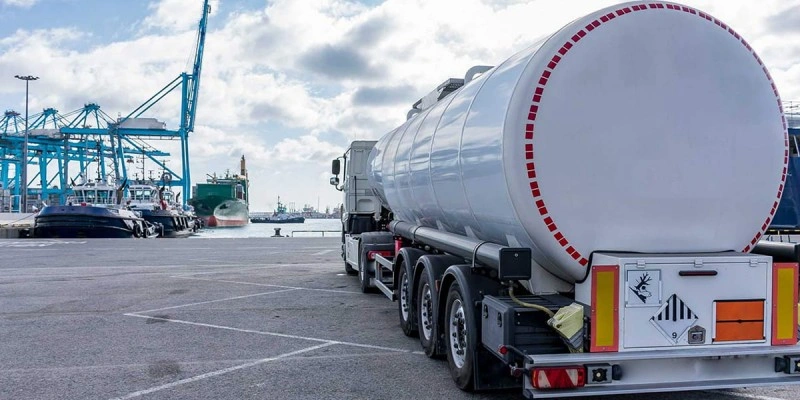
Look for routes that have less changeovers, shorter port times and no outside storage. Take into account seasonal weather conditions, agree on customs documents ahead of time to prevent delays, and ensure all terminals and carriers are accommodating for both hazard class and temperature. While the activity control might be necessary for the inland legs, ocean voyages may require careful booking windows to minimise exposure at hubs.
| Route Planning Factor | Temperature-Safety Consideration |
| Seasonal Weather | Hot summers, freezing winters, or storm seasons may increase risk |
| Port Dwell Time | Long waiting periods can expose cargo to uncontrolled temperatures |
| Transfer Points | More handling points increase risk of exposure and delays |
| Customs Clearance | Documentation errors can extend temperature exposure |
| Inland Distance | Long trucking legs may require active control |
| Storage Conditions | Cargo may need controlled warehouse space before departure |
| Carrier Capability | Not all carriers can manage hazardous and temperature-sensitive cargo |
A well planned route can transform a potential weak spot into a controlled and predictable journey.
Monitoring Tools for Temperature-Sensitive Hazardous Shipments
Temperature visibility during transport, both inside and out, gives full shipment and post-shipment transparency and alertness of any excursion, especially for temperature-sensitive hazardous materials. Monitoring is not enough to correct problems, it needs to be accompanied by clear response procedures.
History verification is provided by temperature data loggers and real-time sensors and alerts provide a means for quicker intervention. Route deviations and deviations caused by GPS tracking can impact conditions, while physical stress can be provided by shock or humidity sensors. The data is then available for root cause analysis and improvement following delivery.
| Monitoring Tool | What It Tracks | Practical Use |
| Temperature Data Logger | Temperature history | Verifies whether cargo stayed within range |
| Real-Time Temperature Sensor | Live temperature condition | Allows faster response to excursions |
| GPS Tracker | Location and route progress | Helps identify delay or route deviation |
| Humidity Sensor | Moisture exposure | Useful for humidity-sensitive packaging or cargo |
| Shock Sensor | Impact or rough handling | Helps assess potential package damage |
| Alert System | Threshold breach | Supports timely intervention |
These tools can be used with pre-defined alarm thresholds and response procedures to maintain a proactive operation, rather than reactive.
Documentation and Labeling Requirements
Correct documentation and permanent marking guarantees that all stakeholders on the road, be they loaders, customs officials or others, have a clear understanding of the cargo and its hazards, as well as the required temperature conditions. One of the most frequent causes of delays or denial is because of incomplete or mismatching documents.
The SDS/MSDS, dangerous goods declaration, UN number, proper shipping name, hazard labels and specific temperature directions all must match. If necessary, the monitoring records are included as an additional layer of transparency and regulatory evidence.
| Document / Marking | Purpose |
| SDS / MSDS | Provides hazard, storage, handling, and emergency information |
| Dangerous Goods Declaration | Confirms regulated transport details |
| UN Number | Identifies the hazardous substance or article |
| Hazard Label / Placard | Communicates danger class |
| Temperature Instruction | Shows required safe condition range |
| Emergency Contact | Supports response during incidents |
| Monitoring Record | Provides evidence of temperature history where needed |
Documentation is important for clarity and consistency, and also helps to show due diligence to all involved.
Common Mistakes in Temperature-Sensitive Hazardous Cargo Transport
Most problems involving hazardous cargo that are temperature sensitive stem from the failure to take a holistic approach to both hazard compliance and temperature control; rather, they are viewed as two checklists. These common mistakes can be expensive, time consuming and dangerous to avoid.
Common errors are: assuming ambient conditions are always acceptable; using passive packaging for long-distance movements without testing; not taking seasonal weather or port dwell times into account; booking carriers which are not tested for dual capability; not specifying temperature on documentation; not protecting labels from moisture; and not having a response protocol when using monitoring devices.
| Mistake | Possible Consequence |
| No temperature risk assessment | Unsafe exposure during transit |
| Wrong packaging choice | Leakage, degradation, or package failure |
| Ignoring seasonal weather | Heat or freeze damage |
| Long uncontrolled dwell time | Temperature excursion and safety risk |
| Missing handling instructions | Incorrect storage or loading |
| Monitoring without response plan | Problems are recorded but not controlled |
| Poor carrier selection | Shipment rejection, delay, or unsafe handling |
These gaps get identified with a disciplined review process before they occur as incidents.
Practical Pre-Shipment Checklist
A pre-shipment structured checklist verifies that all critical aspects of hazardous classification, temperature control, packaging, routing and documentation have been confirmed for hazardous materials that are temperature sensitive. Its application systematically minimizes overlook and enhances confidence of the entire stakeholders.
| Checklist Item | Confirmed |
| Hazard classification verified | Yes / No |
| SDS/MSDS reviewed for temperature limits | Yes / No |
| Safe temperature range confirmed | Yes / No |
| Packaging selected for hazard and temperature needs | Yes / No |
| Secondary containment added where needed | Yes / No |
| Route exposure reviewed | Yes / No |
| Carrier capability confirmed | Yes / No |
| Labels and temperature instructions applied | Yes / No |
| Documentation matches cargo requirements | Yes / No |
| Monitoring device selected if needed | Yes / No |
| Emergency response plan prepared | Yes / No |
Running through this list just before loading provides a final safety net.
How Logistics Providers Help Maintain Safe Conditions
Seasoned logistics firms make their contribution in a practical way with coordination that helps to keep the temperature-sensitive hazardous cargo safe. They review the SDS/MSDS information, match equipment and packaging to hazard and thermal requirements, choose appropriate route and carrier, accept terminals, and schedule loading times to reduce unanticipated exposure.
They also arrange for suitable monitoring solutions and ensure emergency-response planning is done, which helps to minimize unnecessary delays and non-conformance due to inadequate preparation or documentation. They provide operational assistance, working alongside the shipper’s risk management.
Conclusion — Temperature Control Is Part of Hazardous Cargo Safety
Hazardous goods shipped items should be handled not only as a dangerous goods shipment, but also as a condition controlled shipment for temperature sensitive items. Investing in temperature control, route planning, monitoring and documentation, when all these elements are connected, can help shippers minimize risk and ensure safer transportation throughout the shipment.
Temperature control is a way to ensure cargo usability, but it can also mitigate potential leakage, fire hazards, pressure events, chemical instability and response complications. If these requirements are looked upon as a single process and not as individual tasks, then the chemical exporters, manufacturers, and compliance teams can get more reliable results in all the legs of the trip.