
Heat, humidity, salt spray, condensation, UV exposure, wind and long periods of exposure to the outdoors can impact the condition of the cargo, packaging integrity, corrosion risk, electrical systems, surface finishes, and delivery reliability. Cargo shipped in oversized containers on oversized flat racks, open top containers, lowbed trailers, breakbulk, or heavy lift operations can be subjected to a much higher degree of exposure than standard sized containers and are not always fully protected inside the sealed container.
Environmental protection in OOG transport is not only a packaging problem, but a comprehensive risk management chain that links to the weather conditions, sensitivity of the transported cargo, shipping package, storage duration, handling process, and inspection control process. However, for industrial equipment being shipped long distances in varying climate and sea conditions, condensation, drainage, ventilation and multiple handling are additional protection challenges that can result in unexpected expenses when the goods arrive at their destination.
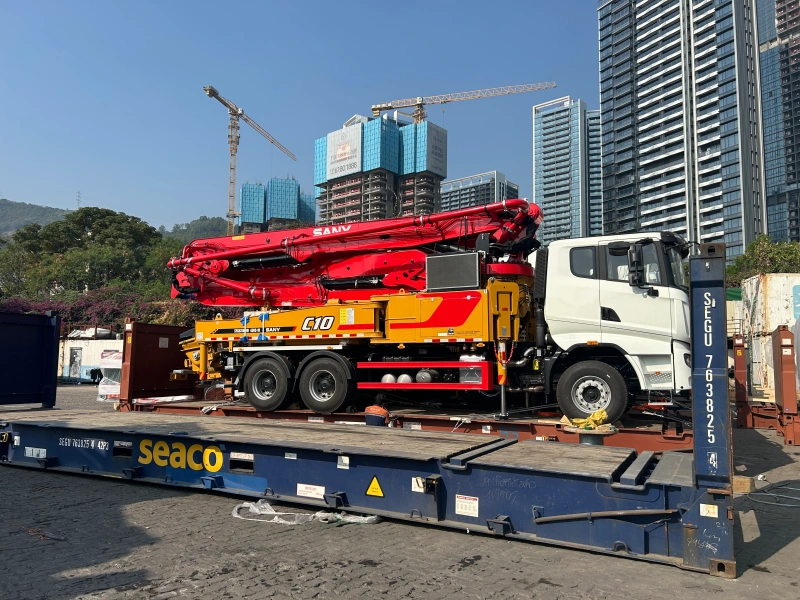
Why OOG Cargo Is More Exposed to Environmental Risks
There are several reasons why OOG cargo is at greater risk of environmental damage: 1) It is too large and too heavy to fit inside a standard, enclosed container, 2) It is too large and too heavy to be moved via fully enclosed standard containers, 3) It is transported in an open or semi-open container, and 4) It is transported in a fully enclosed container but not the standard size.
These loads have multiple exposure points along multi-modal journeys, from factory yard to final delivery. Factors like open deck ships, port yard waiting time, road transport etc. can quickly add up, particularly on trans-oceanic routes servicing hot, humid and coastal areas.
| Exposure Factor | Why It Increases Environmental Risk |
| Oversized Dimensions | Cargo may not fit inside a sealed standard container |
| Flat Rack Transport | Cargo is exposed to wind, rain, sea spray, and sunlight |
| Open Top Container | Top exposure may occur if covering is damaged or removed |
| Breakbulk Shipping | Cargo may face direct exposure during handling and stowage |
| Lowbed Trailer Transport | Road rain, dust, heat, and mud can affect exposed cargo |
| Port Yard Storage | Cargo may wait outdoors near humid or salty coastal air |
| Long Ocean Transit | Extended time at sea increases corrosion and moisture risk |
| Multiple Handling Stages | Covers, packaging, and coatings may be damaged during transfers |
Main Environmental Risks in OOG Transport
Damage to cargo can be experienced under different environmental conditions. Transport over extended periods can also expose the vessel to various combinations of weather and marine risk factors that can combine to create a more severe cargo damage. When transporting oversized goods that will be exposed to heat, rain, humidity, salt spray, and long-term storage outdoors, packaging design, planning of inspections, review of routes, and port coordination should be part of the OOG transport risk management process before the goods can be picked up.
In practice these risks seldom tend to happen in isolation. High temperatures and humidity promote corrosion and wind may blow off any cover, no matter how secure it is. Logistics teams with decades of project cargo experience know how these factors can be translated into positive results throughout the process and make good use of them.
| Environmental Risk | Possible Impact on OOG Cargo |
| Heat | May affect rubber seals, coatings, lubricants, electronics, and packaging materials |
| Rain | Can cause water ingress, rust, staining, and packaging failure |
| Humidity | Increases corrosion risk and may damage electrical components |
| Salt Spray | Accelerates rust and surface deterioration during sea freight |
| Condensation | Forms inside sealed packaging when temperature changes |
| UV Exposure | Can degrade plastics, rubber, paint, and protective covers |
| Wind | May damage tarpaulins and restrict lifting operations |
| Dust / Sand | Can contaminate moving parts, filters, bearings, and surface finishes |
| Long Outdoor Storage | Extends exposure time and increases cumulative damage risk |
How Heat Affects Heavy Equipment During Transport
Heavy equipment may suffer damages during an OOG transport, both directly and indirectly, especially if it is shipped over long distances or if OOG transport takes place during the summer shipping season when temperatures on the vessels or in the ports can significantly increase.
In addition to the immediate material softening, heat may also cause secondary problems such as lubricant changes and condensation problems caused by warm and cool conditions in the day-night cycle. These effects can have an impact on performance before the cargo arrives at the destination.
| Heat-Related Risk | Practical Concern |
| Rubber Seal Aging | Seals may harden, crack, or lose performance |
| Electrical Component Stress | Control panels or wiring may be affected by high temperatures |
| Lubricant Changes | Grease or oil may change viscosity or leak under heat |
| Coating Sensitivity | Paint or surface coating may soften, discolor, or degrade |
| Battery Risk | Batteries may require temperature-aware handling and documentation |
| Plastic Deformation | Plastic guards, covers, or accessories may warp |
| Packaging Aging | Shrink wrap, tape, or tarpaulin may weaken under UV and heat |
| Day-Night Temperature Change | Increases condensation risk inside enclosed packaging |
How Rain and Humidity Damage Oversized Cargo
Water, particularly in the packaging, or in unprotected metal and electrical surfaces is particularly harmful in OOG transport in rainy conditions and wet weather.
Moisture intrusion is a common phenomenon that causes the consequence of hidden corrosion, which only appears when the load is off the vehicle and can be presented as a claim situation. From the outset, drainage, sealing and material compatibility must be taken into account in effective management.
| Rain / Humidity Risk | Possible Damage |
| Water Ingress | Moisture may enter electrical cabinets, motors, or control systems |
| Surface Rust | Exposed steel, fasteners, and machined surfaces may corrode |
| Wet Wooden Packaging | Moisture can transfer from crate materials to cargo |
| Trapped Moisture | Plastic covering may hold water or condensation against metal |
| Mold / Mildew | Packaging materials may deteriorate during long storage |
| Surface Staining | Paint, coating, or exposed metal may show visible marks |
| Damaged Labels | Shipping marks or handling labels may become unreadable |
| Slippery Surfaces | Rain can increase handling and lifting safety risks |
Sea Exposure and Salt Spray: Why Ocean Shipping Raises Corrosion Risk
Sea exposure is one of the most intense environmental threats in the international ocean transport of OOG cargo.
Tarpaulins won’t prevent salt air and spray from reaching cargo, and will accelerate the rusting of fasteners, machined surfaces, and frames much quicker than they would be in an inland location. During pre-loading and post-discharge storage at coastal ports, there is additional exposure.
| Sea Exposure Factor | Why It Matters |
| Salt Spray | Accelerates corrosion on exposed metal surfaces |
| Coastal Humidity | Keeps moisture on cargo surfaces for longer periods |
| Open-Deck Transport | Cargo may be exposed to marine conditions during voyage |
| Port Yard Storage | Cargo may sit near salt air before loading or after discharge |
| Metal Fasteners | Bolts, fittings, and joints may rust faster than painted surfaces |
| Machined Surfaces | Precision contact areas may be affected by corrosion |
| Bearings and Moving Parts | Rust may affect performance after arrival |
| Packaging Damage | Covers may loosen or tear under wind and marine exposure |
Condensation: The Hidden Environmental Risk in OOG Shipping
The potential for condensation is an environmental risk in OOG shipping that can occur where the outer packagings may not show any damage.
Humidity develops on cooler surfaces during temperature changes on ocean voyages, often without any visible indicators, causing damage to electronics, hydraulics and precision parts.
| Condensation Cause | Prevention Method |
| Day-Night Temperature Change | Use moisture barriers and desiccants inside sealed packaging |
| Humid Air Trapped During Packing | Pack cargo in a dry environment when possible |
| Wet Cargo Surface | Clean and dry equipment before wrapping or sealing |
| Wet Wooden Crate Materials | Use properly dried or treated packaging materials |
| Sealed Plastic Without Moisture Control | Add desiccants or VCI materials when appropriate |
| Long Ocean Transit | Use humidity indicators and stronger moisture protection |
| Electrical Cabinet Exposure | Seal openings and protect sensitive electronic parts |
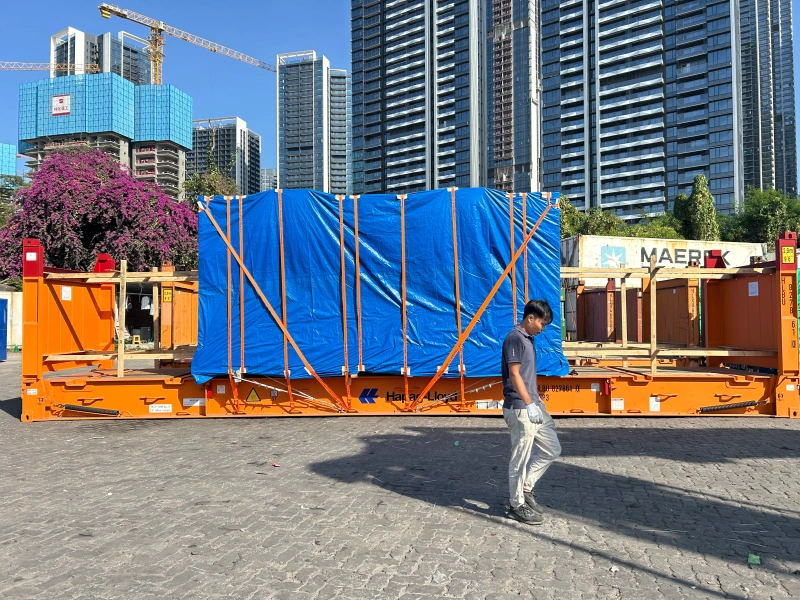
Environmental Risk by Shipping Method: Flat Rack, Open Top, Breakbulk, and Lowbed
Protection strategies need to be tailored for the particular modes of OOG transport to accommodate the different environmental conditions that the cargo will face.
There are cases in which all containers are flat racked for example, as they have excellent securing access, but are exposed to the elements when not in use. There are other cases where you may prefer an open top container for protecting the sides, but weather will get to the top. Acknowledging these differences will assist in adopting proper measures.
| Shipping Method | Main Environmental Exposure | Protection Focus |
| Flat Rack | Rain, wind, sea spray, sunlight, salt air | Anti-rust coating, tarpaulin, moisture barrier, secure lashing access |
| Open Top Container | Top rain exposure, humidity, condensation | Strong top covering, drainage, desiccants, internal protection |
| Breakbulk | Direct handling exposure, sea air, weather | Heavy-duty packaging, lifting-area protection, corrosion control |
| Lowbed Trailer | Road rain, mud, dust, heat, wind | Secure covering, drainage, surface protection, route weather review |
| RoRo Cargo | Port waiting, ramp exposure, humidity | Component sealing, weather cover, corrosion checks |
| Heavy Lift Cargo | Long exposure and special lifting conditions | Engineered packaging, inspection, lifting-point protection |
Protection Methods for Heat, Rain, and Sea Exposure
The protection to be provided for heat, rain and sea exposure in OOG transport must be decided based on the sensitivity of the cargo, the climate of the route, the season and the duration of exposure.
Multiple layers, like anti-rust coatings, moisture barriers and secure tarpaulins, have the greatest effect. The objective is to provide effective, economical protection without impeding loading, lashing or inspection.
| Protection Method | Best Used For | Key Consideration |
| Anti-Rust Oil / Coating | Exposed metal and machined surfaces | Must be compatible with later use and cleaning |
| VCI Film / Paper | Metal parts in enclosed packaging | Needs a reasonably sealed environment |
| Moisture Barrier Bag | Long-distance sea freight or humid routes | Requires proper sealing and desiccants |
| Vacuum Sealing | High-value or moisture-sensitive equipment | Must protect sharp edges and allow inspection planning |
| Desiccants | Sealed crates or moisture barrier packaging | Quantity should match volume and transit duration |
| Tarpaulin Cover | Flat rack, lowbed, and outdoor storage | Must be secured against wind and water pooling |
| Wooden Crate | Equipment needing physical and weather protection | Wood treatment and moisture control must be considered |
| UV-Resistant Cover | Hot or sunny routes | Helps reduce cover aging and surface exposure |
| Drainage Design | Open-deck or outdoor storage cargo | Prevents water from collecting on cargo or packaging |
How Storage Conditions Affect Environmental Risk
Environmental risk can be caused by storage conditions and often begins in the factory yard or port terminal before the vessel even departs for the ocean leg.
Any other risk factor is increased by extended dwell time in coastal or open areas. With simple actions such as raised supports and routine checking, a significant amount of moisture damage can be avoided.
| Storage Situation | Environmental Risk | Control Measure |
| Factory Outdoor Storage | Rain, dust, heat, and temperature changes | Raised supports, covers, inspection, shorter storage time |
| Port Yard Storage | Salt air, humidity, and handling exposure | Anti-rust protection, secure covers, dwell time control |
| Destination Port Waiting | Moisture exposure after long transit | Re-inspection before final delivery |
| Coastal Storage | High humidity and salt exposure | Strong moisture control and corrosion inhibitors |
| Open Ground Storage | Ground moisture and water splash | Use pallets, blocks, or steel supports |
| Long-Term Covered Storage | Condensation if ventilation is poor | Humidity monitoring and desiccants |
Inspection Checklist for Environmental Protection
Where practicable, environmental protection related checklist procedures should be conducted at several stages: before pick up, after loading, during storage and before the final delivery.
Detailed documentation provides a clear record that helps prevent disputes and allows issues to be resolved at an early stage before being caught up in legal proceedings.
| Inspection Item | What to Confirm |
| Surface Condition | Cargo is clean, dry, and free from standing water |
| Anti-Rust Treatment | Exposed metal and machined surfaces are protected |
| Electrical Protection | Cabinets, connectors, and control systems are sealed or covered |
| Moisture Barrier | Film, bags, or sealing layers are intact |
| Desiccants | Quantity and placement match packaging needs |
| Tarpaulin Cover | Cover is tight, secured, and resistant to wind movement |
| Drainage | Packaging does not allow water to pool |
| Lashing Access | Securing points remain accessible without damaging covers |
| Photos and Records | Cargo condition and protection are documented |
| Re-Inspection Plan | Protection can be checked after handling or storage |
Common Mistakes That Increase Environmental Damage Risk
Typical pitfalls that can lead to higher environmental impacts during OOG transport frequently involve misconceptions that standard covers are sufficient or come from ad hoc decisions at loading time.
These errors often lead to unnecessary corrosion, electrical issues or packaging problems that could have been addressed through earlier planning and checking.
| Mistake | Possible Consequence |
| Sealing Wet Cargo | Moisture becomes trapped and causes corrosion |
| Cover Only, No Moisture Control | Condensation may still damage internal parts |
| Poor Tarpaulin Securing | Wind may loosen or tear the cover |
| No Drainage Planning | Water may pool and enter packaging |
| Long Outdoor Storage | Exposure time increases damage risk |
| Ignoring Salt Spray | Sea exposure may accelerate rust |
| No Post-Loading Check | Packaging damage may go unnoticed |
| No Inspection Photos | Condition disputes become harder to resolve |
| Blocking Lashing Points | Packaging may be cut or removed during securing |
What Shippers Should Provide for Environmental Risk Planning
Shippers should share with the environment risk planner all relevant information about the goods and their route to enable logistics teams to create truly effective protection.
Correct specifications for sensitive components, climatic conditions and lashing points provide for correct recommendations which are simultaneously safe, cost-efficient and practicable.
| Information to Provide | Why It Helps |
| Cargo Type | Determines likely environmental sensitivity |
| Material and Finish | Helps select anti-rust and surface protection methods |
| Sensitive Components | Identifies electronics, hydraulics, bearings, seals, or precision parts |
| Cargo Dimensions | Supports packaging and cover design |
| Transport Mode | Determines exposure level during flat rack, open top, or breakbulk transport |
| Storage Duration | Helps decide moisture control strength |
| Route and Climate | Supports planning for heat, rain, humidity, and salt exposure |
| Photos and Drawings | Show vulnerable areas and protection needs |
| Existing Condition | Helps document pre-shipment marks or rust |
| Lashing Points | Ensures protection does not block securing requirements |
Common Misunderstandings About Environmental Risk in OOG Transport
Sometimes a lack of understanding of the environmental risks associated with OOG transport results in inadequate protection and unexpected damage.
- Rain protection does not guarantee corrosion protection, extra corrosion protection measures are necessary.
- If moisture is left in sealed packaging during the packing process, it can cause cargo corrosion.
- Sea exposure is the term used for the effects of exposure to the sea on port storage periods as well as the ocean voyage itself.
- Seals, coatings and electrical components can be damaged by heat even though they are not visibly damaged.
- Despite the open top cargo, there is still a need for excellent internal moisture control.
- For flat rack cargo, there is a need for both weather protection and unobstructed access for securing.
- It is crucial that the protection of the environment is planned before damage occurs, not once it is observed.
- Inspection records are crucial for insurance claims and for the smooth delivery acceptance.
Conclusion — Environmental Protection Should Be Built Into OOG Transport Planning
Don’t think of environmental protection as an add-on; incorporate it from the beginning in OOG transport planning. The assessment of cargo sensitivity, route climate, storage time, exposure to sea, and handling methods, etc., at the early stage of cargo shipping and logistics enable shippers and logistics teams to make the appropriate choice of anti-rust treatments, moisture barriers, weather covers, drainage solutions, and inspection procedures that can minimize unnecessary destruction and delivery issues.
The important message is that environmental risks in OOG transport can be controlled if they are tackled systematically. By carefully preparing every stage of the supply chain, including at the factory storage and from the sea, all the way to delivery, it is possible to ensure that oversized industrial equipment arrives in the condition it is expected to be in, helping to maintain reliable project timelines and enhanced business relationships.