
The clearance of oversized industrial equipment is a more than a typical customs clearance due to the nature of the goods. Customs will be more closely looking at items that are large in size, heavy, expensive and technical. Delays can be avoided by having accurate documents, correct HS codes, detailed technical descriptions and early planning.
In case of oversized industrial items, customs clearance is not only a procedure at the port; it is a procedure of the entire OOG logistics chain, which needs to be properly prepared in advance, including correct cargo description, HS code, commercial documents, packing details, technical information and import requirements in the destination country. While many shippers think of clearance as something that happens after the goods have reached the port, good export documentation and descriptions should be prepared correctly in advance to match the mode of travel, port handling and delivery schedule.
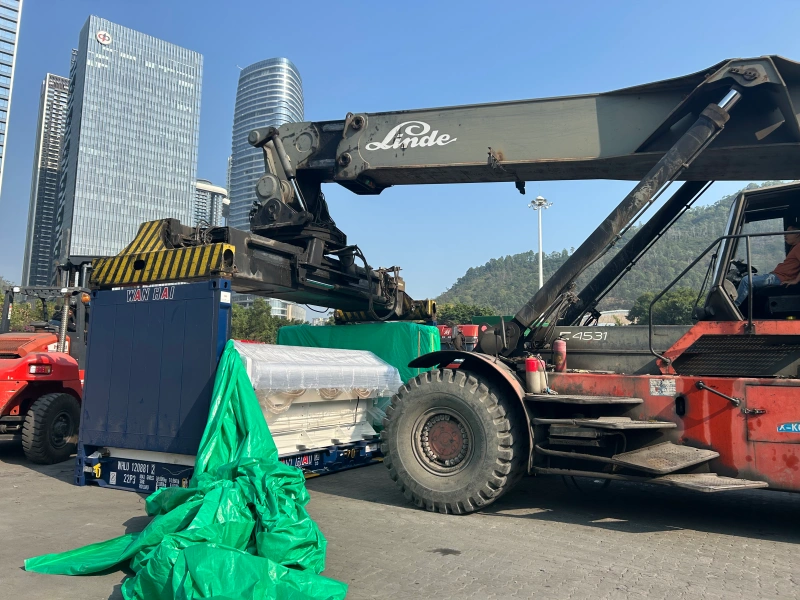
Why Customs Clearance Is More Complex for Oversized Industrial Equipment
When ships are coming in, oversized industry equipment tends to attract attention more than regular-sized containerized items as it is so different. Physical size, specialized function and project critical timelines create layers of complexity which demand proactive preparation.
| Complexity Factor | Why It Matters for Customs Clearance |
| Oversized Dimensions | May require special handling, inspection, and port coordination |
| Heavy Weight | Can affect unloading, inspection access, and delivery timing |
| High Cargo Value | May receive closer review for valuation and duty calculation |
| Technical Function | Customs may require a clear machine description and usage explanation |
| Used vs New Equipment | May trigger additional inspection, certification, or import restrictions |
| Regulated Components | Batteries, oils, pressure systems, or electronics may need declaration |
| Special Transport Mode | Flat rack, open top, or breakbulk cargo may need additional coordination |
| Project Schedule Impact | Customs delays can affect installation or production timelines |
These factors make it important for the customs officer to have all the information they need to make an accurate assessment of the shipment, including safety, compliance, and valuation.
Key Documents Needed for Customs Clearance
When it comes to the oversized industrial equipment, it’s important to have a consistent, accurate and complete set of documents that matches the actual goods being moved. All documents should be consistent.
Special customs clearance services are required for oversized cargoes that require special transportation methods, technical documents and import compliance review, OOG customs clearance services should be coordinated early with transport planning and port handling arrangements.
| Document | Why It Matters |
| Commercial Invoice | Shows seller, buyer, cargo value, currency, and transaction details |
| Packing List | Confirms dimensions, gross weight, net weight, package count, and packaging details |
| Bill of Lading | Acts as transport document and cargo receipt |
| HS Code | Determines customs classification, duty rate, and regulatory requirements |
| Certificate of Origin | Supports origin verification and possible trade preference claims |
| Import Permit | May be required for certain machinery or controlled equipment |
| Insurance Certificate | Supports cargo risk documentation and claims handling |
| Technical Specification Sheet | Helps customs understand machine function and technical characteristics |
| Cargo Photos | Helps clarify cargo condition, structure, and packaging |
| Dangerous Goods Documents | Required if equipment contains regulated hazardous components |
To our experience, one of the most frequent cause of delay in coordinating OOG projects is the mismatch between these documents.
HS Code Classification for Oversized Machinery
One of the most important parts of the customs clearance process for oversized industrial equipment is the HS code classification, which can affect duties, taxes and any other regulations that might apply.
| HS Code Issue | Possible Impact |
| Incorrect Machine Classification | May cause duty reassessment or customs hold |
| Vague Cargo Description | Customs may request technical clarification |
| Mixed Equipment and Spare Parts | Some items may require separate classification |
| Used Equipment Misclassification | May trigger additional review or restrictions |
| Missing Technical Information | Clearance may be delayed while documents are corrected |
| Destination-Country Differences | Import authorities may interpret classification differently |
HS coding should be finalized well in advance of shipment with the exporter, importer and classification specialist, relying on detailed technical information to make the declaration.
How to Write Clear Cargo Descriptions for Customs
Accurate and concise cargo descriptions allow the Customs officials to easily determine the goods being shipped and lower the amount of requests for further documentation or inspection.
| Description Element | Example of Useful Detail |
| Equipment Name | CNC machining center, injection molding machine, industrial transformer |
| Function and Application | Used for metal processing, plastic molding, power distribution, or production line operation |
| Model / Serial Number | Helps identify the exact machine being imported |
| Condition | New, used, refurbished, or disassembled |
| Main Components | Control cabinet, motor, hydraulic system, tooling, spare parts |
| Power Source | Electric, hydraulic, pneumatic, diesel, or hybrid system |
| Accessories | Separate crates, tools, spare parts, or installation kits |
| Regulated Items | Batteries, oil, pressure vessel, refrigerant, or chemical residue |
The description should be the same on the commercial invoice, packing list, bill of lading and any customs declaration.
Common Customs Risks for Oversized Equipment Shipments
By knowing what to expect, project teams can be better prepared to handle potential issues as they arise.
| Customs Risk | Possible Consequence |
| Invoice and Packing List Mismatch | Customs questions or document correction delay |
| Incorrect HS Code | Duty reassessment, penalties, or cargo hold |
| Vague Cargo Description | Request for technical documents or inspection |
| Missing Import Permit | Cargo cannot be released until permit is provided |
| Undeclared Hazardous Components | Carrier, port, or customs compliance issue |
| Used Equipment Without Proper Documents | Additional inspection or import restriction |
| Value Declaration Issue | Customs valuation review and clearance delay |
| Importer Not Prepared | Cargo storage charges and delayed delivery |
Customs Clearance for Used Industrial Equipment
Proper declaration and supporting documentation is even more critical for the used industrial equipment than for the new equipment, particularly in many countries where the equipment may be subjected to higher scrutiny.
| Used Equipment Issue | Why It Matters |
| Equipment Age | Some countries may restrict older machinery imports |
| Condition Declaration | Customs may need to know whether the machine is used or refurbished |
| Cleaning Status | Soil, oil leakage, or contamination may trigger inspection |
| Safety Compliance | Certain machines may require safety certification |
| Environmental Rules | Engines, oils, refrigerants, or emissions-related parts may be reviewed |
| Photos and Inspection Records | Help support customs review and reduce uncertainty |
| Spare Parts Included | May require separate declaration or classification |
Please check the requirements of the country of destination before deciding on the shipment plan for used equipment.
Hazardous or Regulated Components Inside Industrial Equipment
For large equipment that is not regulated as dangerous goods, internal components can lead to additional compliance requirements in customs clearance.
| Component | Clearance or Compliance Consideration |
| Lithium Batteries | May require battery declaration and carrier approval |
| Hydraulic Oil | Check leakage prevention and possible DG classification |
| Fuel Residue | Equipment may need cleaning, draining, or declaration |
| Refrigerant | May be controlled by environmental import rules |
| Compressed Gas | Pressure systems may require special documents or handling |
| Pressure Vessel | Technical certificates or safety documents may be needed |
| Electrical Controls | May require product information or compliance documentation |
| Chemicals | Safety data sheet and declaration may be required |
Good drainage and cleaning and documentation control of these elements is essential for smooth processing.
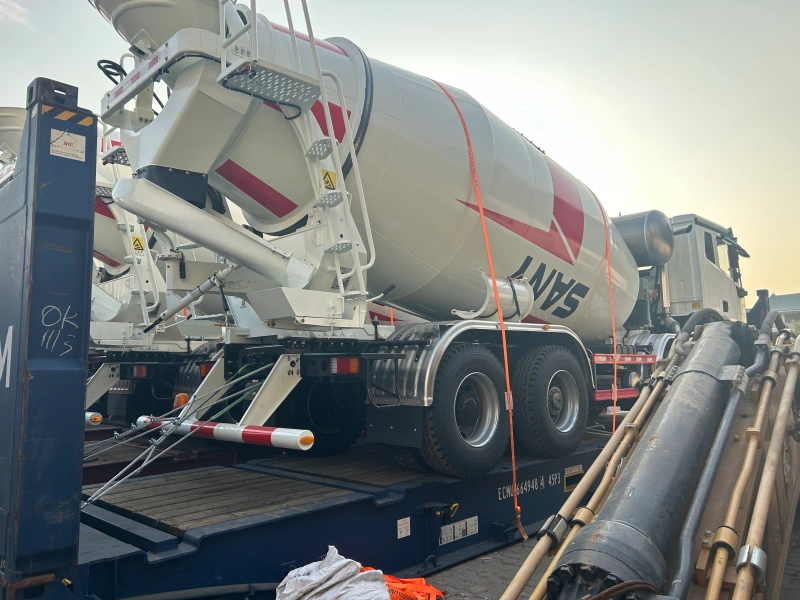
How Customs Inspections Affect OOG Cargo
Access and handling oversized cargo can be more complex due to the equipment being transported on flat racks, open tops or breakbulk.
| Inspection Challenge | Practical Impact |
| Large Cargo Size | May require special handling area or equipment |
| Heavy Weight | Inspection access may depend on cranes or forklifts |
| Wooden Crates | Opening and resealing may create extra cost and time |
| Open-Deck Cargo | Exposure protection must be maintained during inspection |
| Technical Complexity | Customs may request manuals, drawings, or specifications |
| Port Handling Charges | Inspection may create additional movement or storage fees |
| Schedule Delay | Inspection may affect port cut-off or final delivery timing |
Complete photos and technical paperwork can sometimes help to reduce large-scale inspections.
Tips to Reduce Customs Clearance Delays
To avoid delays in customs clearance of heavy machinery and oversized industrial equipment, the most effective practice is to prepare them practically.
| Clearance Tip | Why It Helps |
| Confirm HS Code Early | Reduces classification disputes and duty uncertainty |
| Keep Documents Consistent | Prevents customs questions caused by mismatched details |
| Use Verified Dimensions and Weight | Supports transport, port, and customs accuracy |
| Provide Technical Details | Helps customs understand what the equipment is |
| Declare New or Used Condition Clearly | Avoids confusion during inspection or valuation review |
| Check Import Permits | Prevents cargo hold after arrival |
| Review Hazardous Components | Reduces compliance problems with batteries, oils, or pressure systems |
| Share Photos and Drawings | Helps explain oversized or complex machinery |
| Coordinate Before Arrival | Allows brokers to identify missing information earlier |
What Importers Should Prepare Before Cargo Arrival
Ensuring a smooth flow of OOG cargo after clearance is crucial and hinges on importer readiness.
| Importer Preparation | Why It Matters |
| Appoint Customs Broker | Ensures local clearance process is managed before arrival |
| Confirm Import Permit | Prevents cargo hold due to missing approval |
| Prepare Duty and Tax Payment | Avoids release delay after customs assessment |
| Verify Product Compliance | Helps meet destination-country requirements |
| Arrange Delivery Permits | Supports movement from port to final site |
| Prepare Unloading Equipment | Prevents delay after customs release |
| Confirm Site Access | Ensures oversized cargo can reach the destination |
| Share Contact Information | Speeds up communication during customs questions |
Common Misunderstandings About Customs Clearance for OOG Cargo
There are a few common misconceptions that can make customs clearance for oversized industrial equipment more complicated:
- The importer is not alone in the issue of customs clearance—exporters need to have accurate and sound foundation documents.
- Over-sized cargo requires more accurate packing and dimension data than regular goods.
- Never guess HS code, you need to confirm with technical specification.
- Other documentation may be needed for used equipment, as well as new machinery.
- Normally a bill of lading is not enough for customs clearance.
- Any parts in a machine that could cause harm must always be identified and recorded.
- Once the Customs are cleared, the cargo does not necessarily mean it is ready for immediate delivery to the consignee.
- Inspection risk is not removed but the clear and comprehensive documents will minimize unnecessary delays.
Conclusion — Customs Clearance Should Be Planned Before Shipment
Oversized industrial equipment customs clearance becomes much smoother when it’s seen as part of the overall OOG logistics plan, and not as an afterthought. Many typical delays, holds, and additional costs can be avoided if shippers work on the accuracy of their HS codes, commercial documents, detailed technical descriptions, component declarations and coordination early with importers and customs brokers.
When the preparation of customs clearance is synchronized with the measurement of the cargo, arrangements for transport, handling at the port, and delivery to the final site, the project timelines are held to. If you’re involved in international equipment transport, you’ll find that putting the effort into detailed paperwork now will reward you with more reliable and efficient transport.