
With GPS tracking for OOG shipments, logistics teams can have real-time visibility to identify potential delays early on and ensure that oversized, overweight and project cargo continues on schedule. Continuous reporting of location, speed, and condition in out-of-gauge operations enables firefighting to become proactive instead of reactive, as every move requires permits, escorts, specialized trailers, and tight port windows.
GPS and real-time tracking minimise delays with OOG shipments by providing logistics teams with real-time visibility over their cargo, its route, traffic, weather disruption, port arrival times and unexpected risks to movement. But it is best used as part of a well planned OOG transport process rather than as a solution to route planning, permit preparation or operational coordination. Despite many shippers’ views of tracking as a mere dot on a map, it is actually providing the actionable intelligence that is the key to managing the unique complexity of oversized cargo transport.
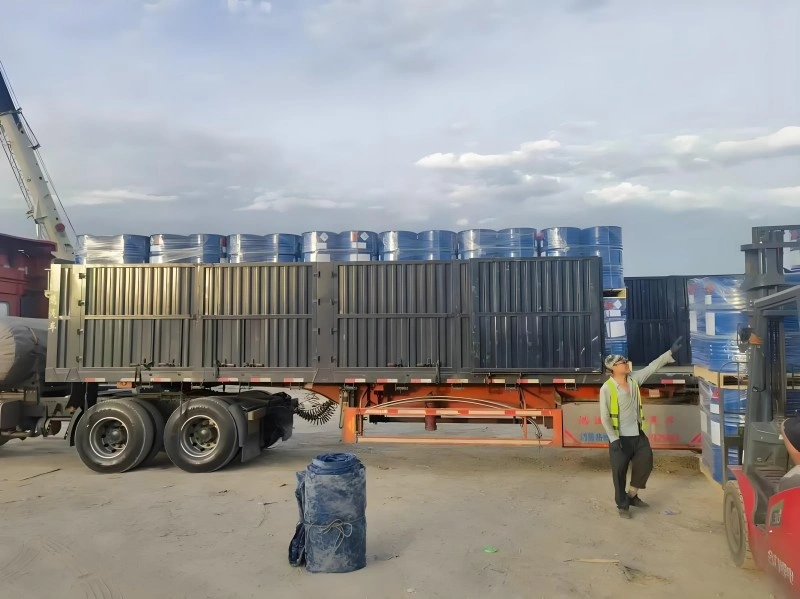
Why OOG Shipments Are More Delay-Sensitive Than Standard Cargo
One OOG shipment can be delayed for a significantly longer period of time than a conventional container freight and relies on a longer, more complex sequence of operational tasks that can have a domino effect throughout the shipment.
When it comes to oversized shipments with permits, escorts, specialized trailers, and port coordination, the key to reliable OOG cargo management is real-time visibility and disciplined transport planning.
| Delay Factor | Why It Matters in OOG Shipments |
| Route Permits | Cargo may not move legally without approved routes and time windows |
| Escort Vehicles | Oversized cargo may require pilot cars or traffic control support |
| Specialized Trailers | Lowbed, modular, or extendable trailers must be available on schedule |
| Crane Scheduling | Loading or unloading delays can affect the full transport timeline |
| Port Acceptance | Terminals may require advance confirmation for oversized cargo |
| Vessel Cut-Off Time | Late arrival may cause missed sailing schedules |
| Weather Conditions | Wind, rain, snow, or storms may affect road safety and lifting operations |
| Multi-Party Coordination | Factory, carrier, port, customs, and consignee must work from the same timeline |
Usually, these are not met in isolation, and we have seen these elements in scenarios involving the transport of heavy equipment and project cargo. While a standard 40′ container may route around or wait a day for the least impact, an open-top flat top carrying a 50 ton generator will not have such flexibility. Not being able to move during a window of time when movement is allowed, or coming later than a crane team is ready to go down, can extend the time by days and significant standby charges.
What GPS and Real-Time Tracking Mean in OOG Logistics
OOG logistical real-time tracking is not just about pings; it’s about providing a multi-layered data stream that enables operations teams to stay on top of the approved plan in real time.
| Tracking Function | Meaning in OOG Logistics |
| GPS Location | Shows where the cargo or transport vehicle is in real time |
| Route Monitoring | Confirms whether the shipment follows the approved route |
| ETA Updates | Provides estimated arrival time for ports, loading sites, or delivery points |
| Stop Detection | Identifies unexpected waiting, breakdowns, or inspection delays |
| Route Deviation Alerts | Warns when the vehicle moves away from the planned corridor |
| Status Reporting | Helps logistics teams update customers and partners more accurately |
| Sensor Integration | Can combine GPS with vibration, tilt, temperature, or humidity data |
Combined with the GPS location and enabling sensor feeds, this provides a common operating picture to have everyone in the factory from dispatchers to site receivers operating on the same facts, not on assumptions.
How GPS Tracking Helps Detect Delays Earlier
One of the easiest wins for GPS tracking as it relates to OOG shipments is early detection – the sooner a problem is spotted the more avenues are available to mitigate it.
| Delay Signal | What It May Indicate | Possible Response |
| Long Unplanned Stop | Inspection, breakdown, road obstruction, or driver issue | Contact driver, carrier, or local team immediately |
| Slow Movement | Traffic, road condition, escort restrictions, or heavy-load speed limits | Update ETA and adjust downstream schedule |
| Route Deviation | Wrong turn, blocked route, or permit issue | Redirect vehicle and verify route compliance |
| Port Waiting | Terminal congestion or gate issue | Coordinate with port and carrier |
| Factory Loading Delay | Crane, packaging, documentation, or site access problem | Adjust departure and delivery plan |
| Weather Slowdown | Rain, wind, snow, or poor visibility | Review safety and revised schedule |
These early indicators are typically not received well in time in an actual out-of-gauge cargo transport, as they would be hours before the typical status report. This is the time period that can make the difference between rescheduling a crane crew, or watching an entire vessel sailing away.
Real-Time Tracking for Route Control and Permit Compliance
Use of GPS tracking for out-of-gauge cargo logistics adds a layer of confidence when using approved route monitoring, as they are able to see at a moment’s notice that the cargo is being transported within legal and safe limits.
| Compliance Need | How Tracking Helps |
| Approved Route Control | Confirms the shipment stays on the permitted route |
| Movement Time Windows | Helps verify whether cargo moves within authorized hours |
| Escort Coordination | Allows pilot cars and support teams to track movement progress |
| Restricted Road Avoidance | Reduces the risk of entering unsuitable roads |
| Checkpoint Reporting | Provides location-based updates at key route points |
| Deviation Review | Helps identify and correct unauthorized route changes |
The deviation alert helps the control team correct course before the authorities step in or a permit is put at risk when a driver accidentally takes a shortcut that is in violation of oversize restrictions.
How Tracking Improves Communication Between Stakeholders
OOG shipment delays are frequently caused not by the merchandise not moving, but rather by information about the stop moving too slow. OOG logistics can help to reduce that information gap significantly with real-time tracking.
| Stakeholder | Tracking Information They Need | Why It Matters |
| Shipper | Shipment status and revised ETA | Supports project planning and customer communication |
| Carrier | Route progress and delay alerts | Helps adjust transport operations |
| Port Team | Arrival timing and cargo readiness | Supports terminal handling preparation |
| Crane Team | Loading or unloading ETA | Prevents wasted standby time |
| Consignee | Delivery window and site readiness | Helps prepare unloading equipment and personnel |
| Project Manager | Exception reports and delay reasons | Supports decision-making and schedule control |
Data-driven updates ensure everyone is on the same page and avoid costly guesswork that is often tied to a large cargo tracking solution.
GPS Tracking in Multi-Modal OOG Shipments
When OOG loads move through several stages of transport, tracking can be particularly useful as each handover has the potential to cause delays that can’t be tracked through the phone or email.
| Transport Stage | Tracking Value |
| Factory Pickup | Confirms departure time and loading completion |
| Inland Road Transport | Monitors route progress, stops, and delays |
| Port Arrival | Helps coordinate gate entry and terminal handling |
| Pre-Shipment Waiting | Identifies port dwell time and schedule risk |
| Ocean Transport | Supports milestone visibility through carrier updates |
| Destination Port | Helps prepare customs, discharge, and onward transport |
| Final Delivery | Supports unloading team and site readiness |
There is always visibility to the whole chain from factory pick up to final site arrival.
How Real-Time Tracking Supports Risk Management
The addition of integrated cargo sensing combined with real-time shipment visibility enhances the risk management aspect of the shipment.
| Risk Area | Tracking or Sensor Data | Practical Benefit |
| Theft Risk | GPS location and geofence alerts | Helps detect unauthorized movement |
| Cargo Delay | ETA and stop monitoring | Allows earlier schedule adjustment |
| Route Risk | Deviation alerts | Helps maintain approved transport path |
| Shock and Vibration | Sensor integration | Supports damage prevention for precision equipment |
| Tilt Risk | Tilt sensor data | Helps detect abnormal cargo movement |
| Weather Exposure | Location plus weather data | Supports protective action or schedule changes |
| Claims Support | Tracking records and event logs | Provides evidence if disputes occur |
When tracking high value, heavy equipment, these data points can help to avoid both schedule delays and equipment damage.
Where GPS and Real-Time Tracking Still Have Limitations
While GPS can dramatically enhance visibility on an OOG shipment, it is not all powerful and some challenges are not technology-driven.
| Limitation | Why It Matters |
| GPS Signal Gaps | Remote areas, ports, tunnels, or dense urban zones may reduce tracking accuracy |
| Poor Route Planning | Tracking shows problems but cannot automatically fix a bad route |
| Permit Delays | Real-time visibility cannot replace proper documentation and approvals |
| Port Data Gaps | Some terminal operations may not provide live status updates |
| Weather Disruption | Tracking helps response but cannot prevent severe weather |
| Passive Monitoring | Data is not useful if no one reviews and acts on alerts |
| Cargo Securing Risk | Tracking cannot replace lashing, blocking, bracing, or supervision |
An awareness of these boundaries helps to maintain realistic expectations and means tracking is utilized as it should be – as a support tool.
What Shippers Should Ask Before Using Tracking for OOG Shipments
With this in mind, smart shippers ask questions before signing up for any tracking solution for oversized cargo transport to see how well the system will meet their operational reality.
| Question to Ask | Why It Matters |
| Is GPS tracking available for the full inland route? | Confirms visibility before and after port movement |
| Who monitors the shipment in real time? | Ensures alerts are reviewed and acted on |
| Are route deviation alerts available? | Helps maintain permit and route compliance |
| How are ETA changes communicated? | Supports crane, port, and site scheduling |
| Can sensors be added for sensitive cargo? | Improves protection for high-value or fragile equipment |
| Are tracking logs retained? | Supports review, reporting, or claims documentation |
| What is the emergency response process? | Shows whether visibility leads to real operational action |
These questions distinguish between simple location services and real OOG logistics management services.
Best Practices for Using Tracking in OOG Logistics
Real-time tracking truly becomes beneficial when it is planned from the start of the transport process, and not simply tacked onto the end.
| Best Practice | Practical Benefit |
| Plan Tracking Before Pickup | Ensures devices, access, and reporting are ready |
| Define Key Checkpoints | Makes progress easier to monitor |
| Set Alert Rules | Helps identify delays, stops, or deviations early |
| Assign Monitoring Responsibility | Ensures someone acts on tracking data |
| Share ETA Updates | Improves coordination with ports, cranes, and receivers |
| Add Sensors for Sensitive Cargo | Supports better cargo safety monitoring |
| Keep Tracking Records | Helps with reporting and post-shipment review |
Following these steps turns tracking from a passive feature into an active operational advantage.
Common Misunderstandings About Tracking in OOG Shipments
There are some lingering misconceptions that prevent shippers from valuating or over-reliance on tracking technology for out-of-gauge cargo:
- Tracking is not just for customers, but to inform business decisions.
- GPS tracking isn’t an indicator of on-time delivery.
- No one monitors, and no one responds to alerts, tracking data becomes useless.
- Real-time tracking is not a substitute for route surveys or route planning.
- A tracking link is not the same as complete shipment visibility.
- For sensitive OOG cargo, other sensors can be installed in addition to GPS.
Understanding these realities enables project teams to establish tracking programs that enable them to actually get projects finished, not just counted.
Conclusion — Real-Time Visibility Helps Reduce Delay Risk
GPS and real-time tracking facilitate OOG shipments to make cargo transport visible and actionable. If logistics teams are tracking route progress, they’re more inclined to be able to deal with any exceptions before they become a problem, and they’re more likely to be able to communicate updates well. Nevertheless, discipline in planning, readiness for permits, co-ordination of transport and a skilled approach to project cargo execution are essential for reliable results.
Incorporated with smart tracking and good route planning, shippers and project managers have the visibility advantage that helps secure tight schedules and valuable assets. While the technology can’t solve all issues with out-of-gauge cargo transport, it can help to consistently reduce response times and improve shipment reliability when used wisely.